
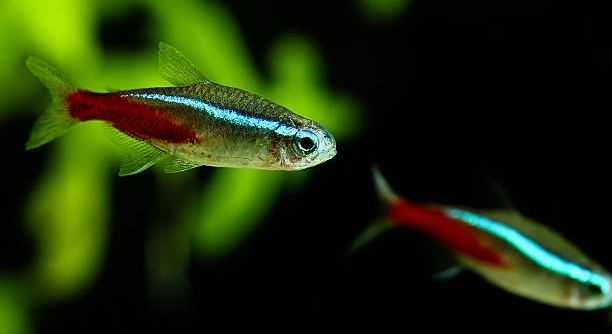
Feeding baby tetras can be a rewarding part of keeping these small fish healthy and thriving. However, mistakes during feeding are common and can affect their growth and wellbeing. Many new fish owners face challenges without realizing the consequences.
Feeding baby tetras incorrectly often leads to poor health and stunted growth. Common mistakes include overfeeding, using inappropriate food types, and neglecting water quality. Proper feeding practices are essential for their survival and development in captivity.
Learning about these mistakes will help you care for your baby tetras more effectively. Understanding what to avoid ensures your fish grow strong and stay healthy over time.
Overfeeding Baby Tetras
Overfeeding is one of the most common mistakes when feeding baby tetras. It’s easy to want to give them plenty of food, but too much can harm their delicate systems. Excess food that is not eaten will pollute the water, leading to poor water quality. This can cause stress and illness for the fish. Baby tetras have tiny stomachs, so they only need small amounts of food several times a day. Feeding them too often or giving large portions can lead to digestive problems and slower growth. It’s best to offer just enough food that they can consume within a few minutes and remove any leftovers promptly. Maintaining good feeding habits helps keep the aquarium clean and the tetras healthy.
Small, controlled feeding supports baby tetras’ health and the tank’s cleanliness. Avoiding overfeeding prevents water issues and promotes better growth.
When feeding baby tetras, keep portions small and consistent. Watch how much they eat and adjust accordingly. This approach ensures they get enough nutrition without harming their environment.
Using the Wrong Food
Using the wrong type of food is another mistake that can impact baby tetras. They require a diet suited to their size and nutritional needs. Many owners give adult fish flakes or pellets that are too large for baby tetras to eat properly. These foods can be hard for tiny mouths to handle and may cause choking or wasted food. Baby tetras thrive on finely crushed flakes, micro pellets, or specially designed fry foods that provide balanced nutrients. Live or frozen foods like baby brine shrimp or daphnia can also be excellent for growth and development. A varied diet helps ensure they get the vitamins and proteins they need to grow strong and resist disease.
Choosing the right food helps baby tetras digest well and develop properly. Foods that are too large or unsuitable can slow growth and increase health risks.
Providing a proper diet tailored for baby tetras improves survival rates and overall vitality. Always check that food is appropriately sized and nutritious. Incorporating live or frozen options can boost their diet variety and quality. This attention to feeding details supports healthy fish from the start.
Feeding Infrequently
Feeding baby tetras too infrequently can slow their growth and weaken their health. They need regular meals because of their small size and fast metabolism.
Baby tetras require small meals several times a day to maintain energy and proper development. Feeding only once or twice daily can cause malnutrition and stunted growth. Frequent feeding mimics their natural feeding habits in the wild. Without enough food, baby tetras may become lethargic and more vulnerable to disease.
Consistent feeding schedules are crucial for baby tetras. Spreading out meals throughout the day keeps their metabolism steady and supports healthy growth. It also helps reduce stress by providing predictable feeding times.
Ignoring Water Quality
Water quality is critical when feeding baby tetras. Uneaten food can quickly foul the water, leading to dangerous conditions.
Poor water quality causes stress and health problems in baby tetras. When leftover food decomposes, it raises ammonia and nitrite levels, which are toxic to fish. This can weaken their immune systems and increase mortality rates. Regular water changes and careful feeding help maintain a stable environment. Using a gentle filter and monitoring water parameters prevent harmful buildup. Keeping the tank clean supports baby tetras’ ability to process food and stay healthy. Monitoring feeding amounts prevents excess waste and protects water quality, which is essential for their survival.
Feeding Adult Food
Feeding baby tetras adult fish food can cause problems. Adult flakes or pellets are often too big and hard for babies to eat properly.
Baby tetras may struggle to digest adult food, leading to poor nutrition and wasted food. It’s important to provide food designed for their small size.
Skipping Variety
A limited diet can weaken baby tetras. They need a mix of foods to get all necessary nutrients.
Offering different types of food, like flakes, frozen, and live options, ensures balanced nutrition and supports healthy growth.
Feeding at Night
Feeding baby tetras late at night can disturb their natural rhythms. It’s better to feed them during daylight hours when they are most active.
How often should I feed baby tetras?
Baby tetras need to be fed small amounts multiple times a day. Feeding them two to three times daily is ideal. Their tiny stomachs can only hold so much food at once, so spreading meals out helps keep their metabolism steady and growth healthy.
What is the best food for baby tetras?
The best food for baby tetras includes finely crushed flakes, micro pellets, or specially formulated fry food. Live or frozen foods such as baby brine shrimp and daphnia are excellent choices, providing essential nutrients and helping baby tetras develop strong immune systems.
Can I feed adult fish food to baby tetras?
Adult fish food is usually too large for baby tetras and may be difficult for them to eat or digest. It’s better to use foods designed for fry or very small fish to ensure they get proper nutrition without choking or wasting food.
What happens if I overfeed baby tetras?
Overfeeding can lead to poor water quality due to leftover food decaying in the tank. This causes harmful ammonia and nitrite levels to rise, which stress and harm the fish. It can also cause digestive problems in baby tetras, leading to slower growth and illness.
Is it okay to feed baby tetras once a day?
Feeding baby tetras only once a day is usually not enough. They have fast metabolisms and need more frequent feedings to stay healthy. Multiple small meals throughout the day better mimic their natural feeding behavior and support steady growth.
How do I prevent water quality problems when feeding?
Only give your baby tetras as much food as they can eat within a few minutes. Remove any uneaten food quickly. Regular water changes and proper filtration also help keep water clean and safe for your fish.
Can baby tetras eat live food?
Yes, live food like baby brine shrimp or daphnia is very beneficial. It provides important nutrients and encourages natural hunting behavior. Live food can improve their growth and immune system better than dry food alone.
Should I feed baby tetras at night?
It’s best to feed baby tetras during daylight hours when they are most active. Feeding at night can disrupt their natural rhythms and may increase leftover food in the tank, which affects water quality.
What signs show my baby tetras are not eating enough?
If baby tetras appear lethargic, stop growing, or become thinner, they may not be eating enough. Healthy baby tetras are active and have a steady growth rate. Adjust feeding amounts and frequency if you notice these signs.
How do I introduce new foods to baby tetras?
Introduce new foods gradually by mixing small amounts with their usual diet. Observe how they respond and adjust accordingly. Offering a variety of foods helps ensure balanced nutrition and keeps them interested in eating.
Feeding baby tetras properly is essential for their health and growth. Avoiding common mistakes like overfeeding, using the wrong food, or feeding too infrequently can make a big difference. Small, regular meals suited to their size help baby tetras develop strong bodies and good immune systems. Keeping the water clean by removing leftover food is equally important to prevent stress and illness. Paying attention to these details supports a healthy environment for your fish and reduces problems in the tank.
Choosing the right type of food is just as important as feeding at the right times. Baby tetras do best with finely crushed flakes, micro pellets, or specially made fry foods that provide balanced nutrition. Including live or frozen foods like baby brine shrimp or daphnia can improve their diet and encourage natural feeding habits. A varied diet helps ensure they get all the vitamins and proteins needed for proper growth. Avoid feeding adult fish food since it is often too large and hard for baby tetras to eat. Feeding the appropriate food sizes not only improves digestion but also reduces waste in the tank.
Maintaining a consistent feeding schedule and monitoring water quality are key steps in caring for baby tetras. Feeding multiple small meals daily matches their natural needs and helps keep them active and healthy. Regular tank cleaning and water changes prevent harmful buildup from uneaten food, supporting their overall wellbeing. By avoiding common feeding mistakes and focusing on these simple but important practices, you can help your baby tetras thrive and grow into healthy adult fish. Careful feeding is a small effort that leads to long-lasting rewards for your aquatic pets.

Hello,
If you enjoy the content that we create, please consider saying a "Thank You!" by leaving a tip.
Every little bit helps us continue crafting quality advice that supports the health, happiness, and well-being of pets around the world, for pets of all shapes, sizes, and species.
We really appreciate the kindness and support that you show us!