
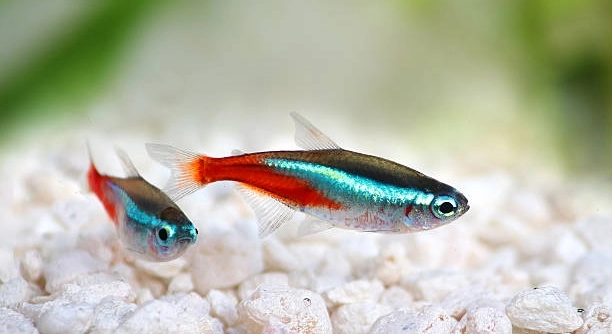
Tetra fish are popular pets known for their bright colors and lively behavior. Many owners enjoy watching them thrive in home aquariums. However, sometimes these fish get sick for reasons that aren’t always obvious or well understood.
Several hidden causes can lead to tetra illness, including poor water quality, nutritional deficiencies, internal parasites, stress from overcrowding, sudden temperature changes, bacterial infections, and improper tank maintenance. Identifying these factors early is crucial for effective treatment and prevention.
Knowing these hidden causes can help you keep your tetras healthy and happy. This article will explain the key issues often overlooked by many fish owners.
Poor Water Quality
Maintaining clean water is one of the most important things for keeping tetras healthy. When water conditions worsen, it creates a stressful environment for the fish. Dirty water can contain harmful chemicals like ammonia and nitrites, which damage their gills and weaken their immune systems. Even if the water looks clear, invisible toxins can build up quickly if the tank isn’t cleaned regularly. Frequent water changes and proper filtration are necessary to prevent these problems. Testing water parameters often helps catch issues before they affect the fish. If water quality is ignored, tetras may show signs of illness such as lethargy, faded colors, or unusual swimming patterns. Taking care of water quality not only supports their health but also helps them live longer and remain active.
Poor water quality often leads to common diseases and stress in tetras.
Regular testing and cleaning keep their environment safe and reduce the risk of illness.
Knowing how to maintain water properly can make a big difference in your tetra’s health. Using a water test kit to check pH, ammonia, nitrites, and nitrates is an easy step. Changing 25-30% of the water weekly helps remove waste and toxins. Make sure the filter runs efficiently and clean it without using harsh chemicals. Also, avoid overcrowding the tank, as too many fish produce more waste and make water conditions worse. Small adjustments like these improve the tank’s balance. Healthy water means stronger fish and fewer health problems. Keeping a stable, clean environment is one of the best ways to prevent hidden causes of illness in tetras.
Nutritional Deficiencies
Tetras need a balanced diet to stay healthy and active. Poor nutrition can weaken their immune system and make them vulnerable to disease. Feeding only one type of food, like flakes, may not provide all the necessary nutrients. A varied diet including high-quality flakes, frozen or live foods like brine shrimp or daphnia is best for their health. Overfeeding can also cause problems by polluting the water, so feed small amounts two to three times daily. A proper diet supports growth, color, and resistance to illness.
Balanced nutrition is essential for preventing health problems in tetras.
Offering diverse foods helps them get vitamins and minerals they need.
Adding occasional live or frozen foods improves their diet and keeps them strong.
Internal Parasites
Internal parasites can cause serious health issues in tetras. These tiny invaders often go unnoticed until the fish show clear signs of illness, such as weight loss or abnormal swimming behavior. Treatment is necessary to restore their health.
Parasites like worms or protozoa live inside the fish’s digestive tract and steal nutrients. This weakens the fish over time, reducing energy and immune response. Infection can happen through contaminated food, water, or new tank mates. Early detection is difficult because symptoms appear slowly. Common signs include a swollen belly, rubbing against objects, or reduced appetite. Using anti-parasitic medications and maintaining a clean tank helps control these infections. Quarantining new fish before adding them to the tank reduces the risk of introducing parasites.
To prevent parasites, avoid overfeeding and remove uneaten food quickly. Regular tank cleaning and water changes also reduce parasite eggs and larvae. Ensuring a balanced diet strengthens your tetras’ natural defenses, helping them fight off infections more effectively.
Stress from Overcrowding
Overcrowding in a tank creates stress that can weaken tetras and increase their risk of illness. When too many fish share a small space, competition for food and oxygen becomes a problem. This environment is unhealthy.
Stress triggers hormone changes that suppress the immune system, making fish more vulnerable to infections. Aggression and bullying may increase, causing physical injuries. Overcrowded tanks often have poor water quality due to excess waste, which further harms the fish. Ideally, tetras should have enough space to swim freely with proper filtration to maintain clean water. Reducing the number of fish or upgrading to a larger tank can relieve stress and promote better health.
Observing fish behavior regularly helps detect stress early. Signs include hiding, rapid breathing, or loss of color. Creating a calm, spacious environment supports their well-being and reduces illness risk. Proper stocking levels and tank maintenance play key roles in managing stress effectively.
Sudden Temperature Changes
Tetras are sensitive to sudden shifts in water temperature. Quick drops or rises can shock their system and cause illness. Keeping a stable temperature is important for their health.
Using a reliable heater and thermometer helps maintain consistent water temperature. Avoid placing the tank near drafts or heat sources to prevent fluctuations.
Bacterial Infections
Bacterial infections often develop from wounds or poor water conditions. These infections can cause fin rot, ulcers, and other visible symptoms. Early treatment with antibiotics and improved tank hygiene is crucial to prevent the spread. Regular water changes and avoiding overcrowding reduce the risk of bacterial growth in the tank.
Improper Tank Maintenance
Skipping regular tank cleaning or filter checks leads to toxin buildup. This stresses tetras and weakens their immune systems. Keeping the tank clean supports a healthy environment.
Maintaining the tank prevents many hidden causes of illness and keeps fish thriving.
What are the first signs that my tetra might be sick?
Early signs of sickness in tetras include changes in behavior and appearance. They may swim less, hide more often, or lose their bright colors. You might notice them breathing quickly or gasping near the surface. Loss of appetite and unusual swimming patterns, like swimming upside down or erratically, also signal health issues. Watching your fish daily helps catch these signs early, so you can act quickly to treat them and prevent further problems.
How often should I test the water in my tetra tank?
Testing the water once a week is a good practice for most tetra tanks. Regular checks of pH, ammonia, nitrites, and nitrates help maintain a safe environment. If you notice signs of illness or recent changes in the tank, test more frequently until conditions stabilize. Using simple test kits makes this process easy. Keeping water parameters within the recommended range reduces stress and illness in your fish.
Can I treat internal parasites at home?
Yes, many internal parasites can be treated at home with the right medication. Anti-parasitic treatments available at pet stores are effective if used as directed. It’s important to follow dosage instructions carefully and complete the full course of treatment. Quarantining sick fish during treatment helps prevent spreading parasites to others. Maintaining good tank hygiene and feeding a balanced diet supports recovery and prevents future infections.
What is the best way to introduce new tetras to an existing tank?
New tetras should be quarantined for at least two weeks before adding them to your main tank. This helps ensure they are healthy and free of disease. Gradually acclimate them to the tank’s temperature and water conditions to reduce stress. Introducing new fish slowly prevents sudden changes that can upset the established community and cause illness.
How can I prevent overcrowding in my tank?
Overcrowding happens when too many fish live in a small space. Follow recommended stocking levels for your tank size—usually one inch of fish per gallon of water is a good rule of thumb for tetras. Provide enough swimming space and hiding spots to reduce stress and aggression. Regularly monitor your tank to avoid adding more fish than it can handle.
Why does my tetra’s color look dull?
Dull coloring often indicates stress, poor nutrition, or illness. Unstable water conditions or overcrowding can cause stress, which affects their color. Nutritional deficiencies also play a role, so offering a varied and high-quality diet is important. Illnesses like parasites or bacterial infections may cause color loss. Checking water quality and diet first can help improve your tetra’s appearance.
What should I do if I notice fin rot on my tetras?
Fin rot is a common bacterial infection that causes the fins to fray or rot away. Improving water quality is the first step. Perform partial water changes and ensure the filter works well. Medications designed to treat bacterial infections can help clear fin rot. Avoid overcrowding and reduce stress to allow your fish to heal faster. Monitor the affected fish closely for improvement.
Can temperature fluctuations really harm tetras?
Yes, tetras are sensitive to changes in water temperature. Sudden shifts can shock their immune system, making them more vulnerable to disease. Maintaining a stable temperature between 72°F and 78°F is ideal. Use a heater and thermometer to keep conditions steady. Avoid placing tanks near windows, vents, or heaters that cause temperature swings.
How often should I clean my tetra tank?
A partial water change of 25-30% once a week keeps the tank clean and safe. Remove debris, uneaten food, and waste regularly. Clean the filter monthly but avoid using soap or chemicals that harm beneficial bacteria. Consistent tank maintenance prevents toxin buildup and helps your tetras stay healthy.
Is it normal for tetras to hide a lot?
Occasional hiding is normal, especially if the tank has plants or decorations. However, excessive hiding may indicate stress or illness. Check for water quality issues, overcrowding, or aggressive tank mates. Providing plenty of hiding spots helps reduce stress but watch for other signs of sickness if hiding increases suddenly.
This FAQ covers common concerns about tetra health and care. Paying attention to these details helps keep your fish lively and strong. Consistent care, clean water, and a balanced diet are the best ways to avoid hidden causes of illness.
Keeping tetras healthy requires attention to many small but important details. Often, the causes of illness are not obvious at first. Things like poor water quality, stress from overcrowding, or hidden parasites can quietly affect your fish. By understanding these hidden causes, you can take steps to improve their environment and care. This makes a big difference in how well your tetras thrive and how long they live. Regular maintenance and careful observation are key parts of successful fishkeeping.
A stable, clean tank with balanced nutrition helps prevent many common problems. Simple actions like testing the water weekly, performing partial water changes, and feeding a varied diet support your tetras’ immune systems. Avoid overcrowding and sudden temperature changes to reduce stress. If you notice any signs of illness, acting quickly can save your fish from serious harm. Treating infections early and keeping the tank clean often leads to faster recovery. Taking care of your aquarium regularly creates a safe and comfortable home for your tetras.
In the end, good tetra care is about consistency and awareness. Learning about the hidden causes of illness helps you spot problems before they become serious. Your fish will respond positively to a well-maintained environment where their needs are met. Even small improvements in water quality, diet, and tank conditions make a big difference. Being patient and observant allows you to enjoy healthy, colorful tetras for many years. This simple approach is the best way to support their well-being and happiness.

Hello,
If you enjoy the content that we create, please consider saying a "Thank You!" by leaving a tip.
Every little bit helps us continue crafting quality advice that supports the health, happiness, and well-being of pets around the world, for pets of all shapes, sizes, and species.
We really appreciate the kindness and support that you show us!