
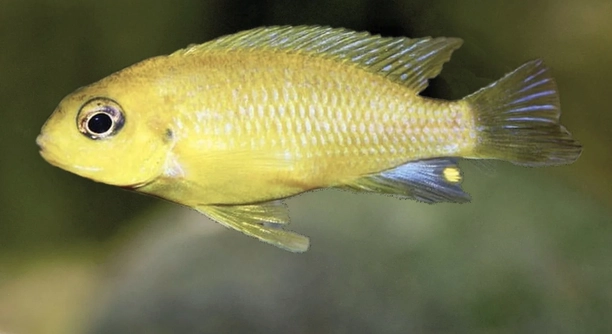
Caring for cichlids can be very rewarding, but many owners make simple mistakes that shorten their fish’s life. Learning how to avoid these pitfalls helps keep your cichlids healthy and happy in their aquarium home.
Several common mistakes can significantly impact cichlids’ lifespan. Poor water quality, overcrowding, improper diet, incorrect tank temperature, lack of hiding spaces, neglecting regular cleaning, and ignoring early signs of disease all contribute to stress and illness, reducing overall longevity.
Knowing these mistakes is the first step toward better care. Each action you take in the aquarium affects your cichlid’s health and can help them live longer and thrive.
Poor Water Quality
Keeping water clean is the most important part of cichlid care. Dirty water can lead to stress, illness, and even death. Filtration systems remove harmful chemicals and waste, but regular testing is also necessary. Ammonia and nitrite levels must stay near zero, and nitrate levels should remain low. Weekly partial water changes help maintain stable water parameters. Overfeeding can worsen water quality, as leftover food decays quickly. Using a water conditioner helps remove chlorine and other harmful substances from tap water. Proper water temperature and pH levels are crucial for maintaining a healthy environment. Stress from poor water conditions weakens cichlids’ immune systems, making them more prone to disease. Observing fish behavior can indicate water problems, such as lethargy or gasping at the surface. Investing time in proper water maintenance ensures your cichlids remain healthy and active.
Clean water keeps cichlids active, colorful, and less likely to get sick. Testing water regularly is key.
Regular care routines prevent sudden health problems. Maintaining stable temperature, proper pH, and removing waste daily helps cichlids thrive. Consistent water quality checks allow early detection of changes that may stress fish. Overfeeding should be avoided, and uneaten food must be removed. Proper filtration, combined with partial water changes, keeps the tank balanced and safe. Using a water conditioner ensures harmful chemicals are neutralized. Healthy water supports natural behavior, including feeding, breeding, and swimming. Poor water quality often goes unnoticed until fish show visible signs of stress. Monitoring water parameters closely helps prevent disease outbreaks. By maintaining a clean environment, cichlids live longer, display brighter colors, and remain more active. Proper water care is a small daily effort that provides big rewards in fish health and happiness.
Overcrowding
Too many cichlids in one tank can cause stress, aggression, and illness. Overcrowding reduces swimming space and increases waste buildup.
Overcrowding leads to fights, stunted growth, and weaker immune systems. Each species requires specific tank size to thrive.
When the tank is crowded, dominant fish often bully smaller ones, causing injuries or stress-related illness. Territorial disputes increase, especially during breeding periods, making peaceful coexistence difficult. Stress from limited space weakens immune responses, leaving fish vulnerable to infections. Overcrowding also affects water quality, as higher waste levels overload filtration and increase ammonia buildup. Fish may lose appetite or hide constantly, showing signs of distress. Adjusting tank size and limiting the number of cichlids ensures each fish has enough space to swim freely, maintain proper health, and exhibit natural behaviors. Choosing compatible species and providing sufficient hiding spots reduces conflict and creates a balanced environment. Proper stocking prevents unnecessary stress, supports normal growth, and promotes longer lifespans for all inhabitants.
Improper Diet
Feeding the wrong foods can harm cichlids’ health. Too much protein or inappropriate ingredients can cause digestive problems and shorten their lifespan. Balanced, species-appropriate diets are essential for long-term well-being.
A diet lacking variety or essential nutrients leads to weakened immunity and slower growth. Cichlids need a mix of high-quality pellets, occasional live or frozen foods, and some vegetable matter depending on the species. Overfeeding can pollute the tank and stress fish, while underfeeding results in malnutrition. Consistency in feeding amounts and frequency supports steady growth and health. Avoid fillers or low-quality foods that don’t provide proper nutrition. Observing your fish’s behavior and body condition helps adjust the diet when necessary. Proper nutrition strengthens resistance to disease and encourages natural coloration and activity, ensuring a longer, healthier life in the tank.
Even small dietary mistakes accumulate over time. A consistent feeding routine prevents digestive issues, supports immune function, and keeps cichlids active. Proper food choices directly impact lifespan.
Lack of Hiding Spaces
Cichlids need places to retreat and feel secure. Without hiding spaces, stress increases, causing aggression, illness, and poor overall health.
Hiding spots are vital for cichlids’ mental and physical health. Rocks, caves, plants, and other decorations provide territories and refuge. Stress from exposure can make fish more aggressive toward tankmates or prone to disease. Breeding pairs require secluded areas to lay eggs safely. Without sufficient cover, subordinate fish may suffer constant harassment, which weakens immunity and can stunt growth. Providing multiple hiding spaces reduces conflict and allows natural behavior, such as foraging and exploring, to occur safely. Decorations should be arranged to create separate zones while maintaining open swimming areas. Regularly inspecting hiding spaces ensures they remain safe and do not trap fish. Adequate shelter helps cichlids feel secure, lowering stress and supporting longevity.
Ignoring Tank Maintenance
Regular tank cleaning is essential for cichlid health. Neglecting it leads to waste buildup, poor water quality, and stress, which can make fish sick and shorten their lifespan.
Replacing only a small portion of water or skipping filter checks allows toxins to accumulate. Consistent maintenance keeps the environment stable and safe.
Incorrect Temperature
Cichlids are sensitive to temperature changes. Water that is too hot or too cold stresses fish, disrupts metabolism, and increases disease risk. Maintaining a stable, species-appropriate temperature ensures proper growth, digestion, and immune function, reducing the likelihood of illness and improving overall vitality.
Overlooking Disease Signs
Early detection of illness is critical. Ignoring subtle changes in behavior, appetite, or appearance can allow infections to progress, making treatment harder and reducing the chance of recovery. Monitoring daily helps protect cichlids’ long-term health.
FAQ
How often should I change my cichlid tank water?
Regular water changes are essential to keep cichlids healthy. Replacing 20–30% of the water weekly helps remove toxins, control nitrate levels, and maintain stable water chemistry. Sudden, large changes can stress fish, so smaller, consistent changes are safer and more effective.
What is the ideal water temperature for cichlids?
Most tropical cichlids thrive between 75–82°F (24–28°C). Stable temperatures are crucial, as fluctuations can weaken the immune system and make fish prone to disease. Using a reliable heater and thermometer ensures the water stays within this safe range.
How do I know if my cichlid is stressed?
Signs of stress include hiding constantly, losing appetite, faded colors, or aggressive behavior. Stress can come from poor water quality, overcrowding, or lack of hiding spaces. Observing daily behavior allows early detection and timely intervention.
What should I feed my cichlids?
A balanced diet is important for cichlid health. High-quality pellets or flakes form the base, while occasional live, frozen, or vegetable foods provide variety. Overfeeding can cause water problems and obesity, while underfeeding leads to malnutrition. Feed small portions that fish can consume in 2–3 minutes.
How do I prevent aggression among cichlids?
Providing enough space, hiding spots, and compatible tankmates reduces conflict. Overcrowding increases aggression, while proper territory management allows each fish to establish its own area. Observing interactions regularly helps catch early signs of bullying before it causes injury.
How can I tell if my cichlid is sick?
Look for unusual swimming patterns, clamped fins, white spots, or bloating. Changes in appetite or sudden lethargy are also warning signs. Early detection and quarantine of affected fish prevent disease from spreading.
What is the best tank size for cichlids?
Tank size depends on species and number of fish. Larger cichlids need at least 55 gallons, while smaller species can live comfortably in 30–40 gallons. Bigger tanks provide more swimming space, reduce aggression, and improve water stability.
How often should I clean the filter?
Filters should be cleaned every 2–4 weeks depending on tank size and bioload. Rinse filter media in tank water to avoid killing beneficial bacteria. Regular maintenance ensures effective removal of waste and keeps water conditions stable.
Can cichlids live with other fish?
Some cichlids are territorial, so careful selection of tankmates is needed. Species with similar size and temperament usually coexist better. Avoid overcrowding, provide hiding spaces, and monitor behavior to prevent stress or injuries.
How do I introduce new cichlids safely?
Quarantine new fish for at least 2 weeks before adding them to the main tank. This prevents introducing diseases and gives time to observe health. Slowly acclimate fish to the tank’s water temperature and chemistry to reduce stress.
Is lighting important for cichlids?
Proper lighting helps maintain natural behavior and coloration. Too bright light can stress shy species, while too little reduces activity. Using a regular day-night cycle mimics natural conditions and supports overall health.
Can I breed cichlids at home?
Yes, many species breed in home aquariums if conditions are right. Providing clean water, appropriate diet, and hiding spaces for eggs or fry encourages breeding. Monitoring for aggression between parents and protecting young fish ensures higher survival rates.
What do I do if a cichlid dies?
Remove the fish immediately to prevent water contamination. Check water quality and tank conditions for potential issues. Inspect remaining fish for signs of disease and adjust care routines as needed. Learning from mistakes improves care for future fish.
How can I improve my cichlid’s lifespan?
Maintaining stable water conditions, proper diet, adequate space, hiding areas, and monitoring health regularly all contribute to longer life. Paying attention to daily behavior, adjusting care when needed, and preventing stress keeps fish healthy and active for years.
Can overfeeding kill cichlids?
Yes, overfeeding can pollute water and cause digestive issues or obesity. Feeding only what fish can eat in a few minutes, combined with regular water changes, prevents health problems and keeps the tank environment stable.
How important is pH balance for cichlids?
Maintaining proper pH prevents stress and supports metabolism. Most cichlids prefer slightly alkaline water, but requirements vary by species. Regular testing and adjustments help avoid sudden changes that could harm fish.
What are common signs of poor water quality?
Cloudy water, algae blooms, strong odor, gasping fish, and rapid breathing indicate poor water conditions. Addressing these issues immediately with water changes and filter maintenance protects fish health.
How do I reduce stress in cichlids?
Provide hiding spaces, stable water conditions, proper diet, and compatible tankmates. Avoid sudden changes in temperature, lighting, or environment. Observing fish and responding to early signs of distress ensures a calmer, healthier aquarium.
Are there plants suitable for cichlid tanks?
Some hardy plants like Java fern or Anubias can survive with cichlids. Floating plants and rocks create hiding spots and reduce stress. Avoid delicate plants that may be uprooted or eaten by more aggressive species.
What is the best way to acclimate fish?
Float the bag in the tank to equalize temperature, then slowly mix tank water over 30–60 minutes. Gradual acclimation prevents shock and allows fish to adjust safely to new conditions.
How often should I test water parameters?
Weekly testing is recommended for ammonia, nitrites, nitrates, and pH. More frequent testing is needed after adding new fish, changing water, or noticing signs of stress. Consistent monitoring ensures a safe environment.
Can cichlids recognize their owners?
Cichlids often respond to feeding routines and familiar movements. While they don’t bond like mammals, they can learn to anticipate feeding and approach people in a consistent, safe environment.
Do tank decorations affect cichlid behavior?
Yes, rocks, caves, and plants create territories and reduce aggression. They encourage natural behavior such as hiding, foraging, and exploring, improving mental and physical health. Proper arrangement also enhances swimming space and overall tank stability.
How do I prevent algae growth?
Algae can be controlled by limiting light exposure, avoiding overfeeding, and maintaining good water quality. Introducing algae-eating fish or snails helps, but regular cleaning is necessary for long-term control.
Is it necessary to quarantine new plants?
Yes, new plants can carry pests or disease. Rinsing, soaking, or treating plants before adding them prevents introducing problems to the main tank.
How long do cichlids typically live?
Cichlid lifespan varies by species, ranging from 5 to over 15 years. Proper care, including diet, water quality, and stress reduction, greatly influences longevity. Healthy conditions allow them to reach their maximum potential lifespan.
Can cichlids survive in tap water?
Yes, if treated with a water conditioner to remove chlorine and chloramine. Testing and adjusting pH, hardness, and temperature ensures water is safe for long-term survival.
What is the best way to monitor fish health?
Daily observation of swimming patterns, appetite, color, and behavior helps detect problems early. Prompt intervention prevents illness from worsening and keeps cichlids active and healthy.
Are supplements necessary for cichlids?
Supplements are sometimes needed for vitamin or mineral deficiencies. High-quality, varied diets often provide sufficient nutrition, but occasional supplementation can boost immune system and growth. Monitoring fish condition helps determine necessity.
Can stress cause sudden death in cichlids?
Yes, chronic stress weakens the immune system and can lead to sudden death. Maintaining proper tank conditions, space, hiding spots, and compatible tankmates reduces stress-related risks.
How can I tell if my cichlid is overfed?
Signs include bloating, lethargy, leftover food in the tank, or sudden weight gain. Adjusting feeding amounts and schedule prevents health problems and maintains water quality.
Is it safe to keep different cichlid species together?
Compatibility depends on size, temperament, and territory needs. Careful planning, monitoring behavior, and providing adequate space and hiding spots help reduce conflicts when housing multiple species.
How do I safely remove a sick fish from the tank?
Use a clean net to transfer the fish to a quarantine tank with similar water conditions. Avoid contaminating the main tank and monitor remaining fish for signs of illness.
What role does aeration play in cichlid health?
Proper oxygenation supports respiration and overall health. Air stones, filters, and water movement help maintain oxygen levels, especially in densely stocked tanks or warm water conditions.
How can I prevent fin damage in my cichlids?
Adequate space, smooth decorations, and compatible tankmates reduce fin tearing. Regular observation and care help maintain healthy fins and prevent infections.
Are cichlids sensitive to light changes?
Yes, sudden bright light can stress fish. A consistent day-night cycle supports natural behavior and reduces stress. Gradual adjustments are preferable when changing lighting conditions.
What is the best way to treat common cichlid diseases?
Treatment depends on the condition. Quarantine affected fish, maintain high water quality, and use species-appropriate medication. Early detection improves success rates and prevents disease spread.
How do I maintain stable water chemistry?
Regular water changes, proper filtration, minimal overcrowding, and consistent feeding help maintain pH, hardness, and temperature. Monitoring levels weekly ensures a stable environment.
Can cichlids adapt to different water hardness?
Gradual changes allow some species to adjust, but sudden shifts can cause stress or illness. Research species-specific requirements and adjust water parameters slowly for safe adaptation.
What signs indicate my cichlid is happy and healthy?
Active swimming, bright colors, normal appetite, smooth fins, and interaction with tankmates indicate good health. Proper conditions allow fish to exhibit natural behavior and thrive.
How important is tank size for breeding?
Breeding success improves with larger tanks that provide territories and hiding spaces. Overcrowding increases stress and reduces survival rates of eggs and fry.
Can cichlids recognize their territory?
Yes, cichlids are territorial. They learn and defend specific areas, using them for shelter, feeding, or breeding. Proper tank arrangement supports natural territorial behavior.
How do I safely clean tank decorations?
Rinse with warm water, avoid harsh chemicals, and scrub algae carefully. Safe cleaning preserves beneficial bacteria while keeping the environment healthy.
What are signs of overstocking in a cichlid tank?
Frequent aggression, poor water quality, stunted growth, and stressed behavior indicate overcrowding. Reducing numbers or increasing tank size prevents long-term health problems.
Are water conditioners necessary for all tap water?
Yes, they remove chlorine, chloramine, and heavy metals that can harm fish. Conditioning water ensures a safe environment for long-term survival.
How do I reduce nitrate buildup?
Regular water changes, avoiding overfeeding, proper filtration, and live plants help control nitrate levels. Keeping nitrates low supports fish health and longevity.
Can cichlids survive without hiding spaces?
They may survive, but stress, aggression, and illness increase. Hiding spaces support natural behavior, reduce stress, and improve overall health and lifespan.
What is the best way to introduce multiple new fish?
Add fish slowly, in small groups, to reduce aggression and stress. Quarantine new arrivals and monitor interactions carefully during the first few weeks.
How do I know if my cichlid is dehydrated?
Dehydration in fish is rare but can occur with poor water conditions. Signs include sunken eyes, lethargy, or abnormal swimming. Maintaining clean, balanced water prevents dehydration and related stress.
Can cichlids live in a planted tank?
Yes, with hardy plants that tolerate digging and nibbling. Plants provide hiding spots, improve water quality, and support natural behavior. Avoid fragile species that may be uprooted.
How often should I inspect my aquarium equipment?
Weekly inspection of heaters, filters, air pumps, and lights ensures proper function. Early detection of issues prevents stress and health problems in cichlids.
What are the most common mistakes that shorten cichlid lifespan?
Poor water quality, overcrowding, improper diet, incorrect temperature, lack of hiding spaces, neglecting tank maintenance, and ignoring disease signs all contribute to reduced longevity.
How do I encourage natural behavior in cichlids?
Provide varied hiding spaces, proper diet, compatible tankmates, and stable water conditions. Observing and adjusting the environment supports exploration, foraging, and territorial behavior.
Can sudden changes in water affect cichlids?
Yes, abrupt changes in temperature, pH, or hardness stress fish and may lead to illness. Gradual adjustments are necessary for safety.
How do I maintain consistent feeding schedules?
Feed at the same times each day using measured portions. Consistency supports digestion, prevents overfeeding, and reduces stress.
Can cichlids live in community tanks?
Some species can, if tankmates are compatible in size and temperament. Proper space, hiding areas, and monitoring reduce conflict and stress.
Are aquarium salts necessary for cichlids?
They can help reduce stress or treat minor infections but are not required for all species. Use carefully according to species tolerance and dosage instructions.
What is the impact of poor water circulation?
Insufficient circulation reduces oxygen levels and promotes waste buildup. Proper water movement ensures oxygenation, nutrient distribution, and healthier conditions for cichlids.
How can I protect cichlids from fungal infections?
Maintain clean water, provide proper diet, avoid injuries, and quarantine new fish. Prompt treatment of wounds or infections prevents serious outbreaks.
Do cichlids need a day-night light cycle?
Yes, consistent lighting supports natural behavior, feeding patterns, and stress reduction. A timer ensures regular day-night cycles.
What are the best ways to prevent disease?
Stable water conditions, proper diet, quarantine of new fish, hiding spaces, and monitoring behavior all reduce disease risk. Early detection and preventive care are key to longevity.
How do I handle aggressive cichlids?
Rearranging tank decor, providing more hiding spaces, separating fish, or upgrading tank size reduces conflict. Observing behavior regularly allows timely adjustments.
Can cichlids live in soft water?
Some species tolerate soft water, but most prefer moderately hard to hard water. Gradual adjustment prevents stress and supports normal physiological functions.
Are floating plants beneficial?
Yes, they provide shade, reduce stress, and create natural boundaries. They also offer hiding spots for shy fish and fry.
What is the best way to feed fry?
Offer finely crushed flakes, baby brine shrimp, or specialized fry food several times a day. Maintain clean water to prevent disease and support growth.
Can cichlids recognize feeding times?
Yes, they often anticipate feeding and become active near the surface. Consistent schedules reinforce this behavior and reduce stress.
How important is aquarium size for long-term health?
Larger tanks provide space, reduce aggression, maintain stable water conditions, and support natural behavior, all contributing to longer lifespans.
How can I maintain stable pH levels?
Use buffering substrates, monitor weekly, avoid sudden chemical additions, and maintain regular water changes. Gradual adjustments prevent stress.
What should I do if a fish becomes lethargic?
Check water quality, temperature, and tankmates. Isolate the fish if needed, observe for illness, and adjust care routines promptly. Early action prevents serious health problems.
Are all cichlid species aggressive?
No, aggression varies by species. Understanding behavior and compatibility is important when selecting tankmates. Adequate space and hiding areas reduce stress-related aggression.
Can cichlids survive in cold water?
Tropical cichlids cannot tolerate prolonged cold temperatures. Maintaining a species-appropriate warm environment is essential for survival and health.
How do I encourage breeding without stressing fish?
Provide appropriate diet, hiding spaces, and a stable environment. Avoid overcrowding and monitor interactions to reduce stress during spawning periods.
Are commercial fish foods sufficient for cichlids?
High-quality commercial foods usually provide adequate nutrition. Supplementing with live, frozen, or plant-based foods adds variety and supports health.
How do I prevent disease when adding new fish?
Quarantine for 2–4 weeks, observe health, and gradually acclimate to tank water. Preventing introduction of pathogens protects existing fish.
Can overstocking reduce cichlid lifespan?
Yes, overcrowding increases stress, aggression, disease risk, and poor water quality, all of which shorten lifespan. Proper stocking levels ensure healthier, longer-living fish.
How do I monitor cichlid behavior effectively?
Observe daily for changes in swimming, feeding, aggression, or hiding. Noting subtle differences helps detect stress or illness early.
Can cichlids live with snails or shrimp?
Some species tolerate them, but larger or aggressive cichlids may eat them. Compatibility depends on species, tank size, and hiding spaces.
Are artificial decorations safe for cichlids?
Yes, if smooth and free of sharp edges. Rough surfaces or toxic materials can injure fish or release harmful chemicals into the water.
How important is regular observation?
Daily observation allows early detection of stress, illness, or behavioral changes. Prompt intervention supports overall health and prevents serious problems.
What is the best way to clean the substrate?
Use a siphon or gravel vacuum during water changes. Avoid disturbing beneficial bacteria too much while removing waste and uneaten food.
How can I reduce aggression during breeding?
Provide extra hiding spots, separate breeding pairs if necessary, and monitor interactions closely. Ensuring territory reduces stress and increases fry survival.
Do cichlids need strong water flow?
Moderate flow is sufficient for most species. Strong currents may stress certain types, while stagnant water can reduce oxygen levels.
Can stress cause color fading?
Yes, stressed cichlids often lose vibrancy. Reducing stress through hiding spaces, proper diet, and stable conditions helps maintain natural coloration.
Is it necessary to feed at the same time daily?
Yes, consistent feeding routines reduce stress, support digestion, and help fish anticipate meals. Irregular schedules can increase anxiety and aggression.
How can I maintain a balanced ecosystem in the tank?
Regular water changes, proper filtration, compatible species, and controlled feeding maintain water quality and reduce stress, supporting a healthy environment for all cichlids.
**What
Caring for cichlids is a responsibility that requires attention to detail and consistency. Their health and lifespan depend on a combination of factors, including clean water, proper diet, enough space, and a stress-free environment. Neglecting any of these aspects can have serious consequences, so it is important to approach their care methodically. Understanding the specific needs of your cichlid species helps in creating the right conditions for them to thrive. Each species has different preferences for water temperature, hardness, and diet, and meeting these needs ensures they remain active and healthy. Regular observation allows you to notice changes in behavior or appearance early, which is crucial for addressing potential health issues before they become serious.
Maintaining water quality is one of the most important parts of cichlid care. Regular water changes, proper filtration, and monitoring of pH, ammonia, nitrite, and nitrate levels all contribute to a stable environment. Even small mistakes, like overfeeding or skipping a filter check, can lead to stress or illness over time. Cichlids are sensitive to their surroundings, and any sudden changes in water conditions can cause significant problems. Providing hiding spots and decorations is also important, as these give the fish a sense of security and reduce aggression in the tank. A well-maintained tank supports natural behavior, encourages healthy growth, and helps prevent common problems that shorten their lifespan.
Diet and social conditions play equally important roles in longevity. Feeding cichlids a balanced, species-appropriate diet strengthens their immune system, enhances coloration, and keeps them energetic. Overfeeding, underfeeding, or offering inappropriate foods can have negative effects on their health. Social dynamics, including tank size, number of fish, and compatibility, also affect stress levels. Aggression and overcrowding can lead to injuries, disease, and stunted growth. By maintaining proper nutrition, providing adequate space, and creating a stable environment, you can significantly increase the chances that your cichlids will live long, healthy lives. Consistent care, observation, and attention to their needs make all the difference in supporting their overall well-being.

Hello,
If you enjoy the content that we create, please consider saying a "Thank You!" by leaving a tip.
Every little bit helps us continue crafting quality advice that supports the health, happiness, and well-being of pets around the world, for pets of all shapes, sizes, and species.
We really appreciate the kindness and support that you show us!