
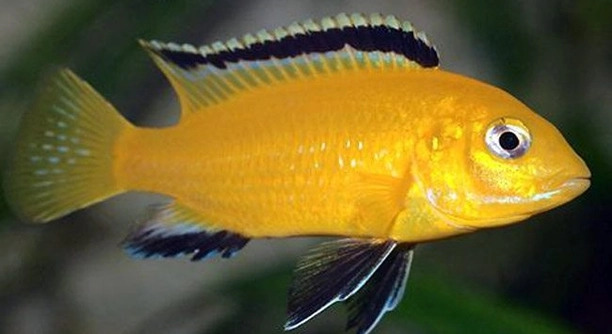
Do your cichlids seem restless at night, swimming around instead of resting quietly in their tanks? Many aquarium owners notice subtle changes in behavior that indicate their fish are not getting proper sleep.
Several common items in aquariums can disturb cichlid sleep, including bright lighting, loud vibrations, frequent tank tapping, overcrowding, sudden temperature fluctuations, inappropriate decorations, and excessive feeding before nightfall. Addressing these factors helps maintain a stable and healthy environment.
Understanding these sleep disturbances is essential for creating a peaceful habitat. We will explore each item and its effect on your cichlids’ nightly rest.
Bright Lighting
Bright lighting can significantly impact cichlid sleep. These fish are used to natural light cycles in the wild, where darkness signals rest. Constantly bright or harsh lighting in an aquarium prevents them from entering a restful state. Even if the tank looks appealing, excessive illumination can stress fish, making them swim restlessly and display unusual behavior. Many cichlids prefer a dim environment during their resting period. Adjusting lighting with timers or using softer bulbs helps establish a natural day-night rhythm. Proper lighting not only aids sleep but also supports overall health. Observing how your cichlids behave under different light levels can guide adjustments. Small changes, like lowering intensity in the evening, can improve sleep patterns. Additionally, providing shaded areas or hiding spots allows fish to retreat when lighting is too strong. These measures encourage natural resting behavior.
Maintaining dim lighting during nighttime hours encourages cichlids to rest calmly and reduces stress-related activity.
Creating a consistent light-dark schedule is key to their health. Pairing this with natural hiding areas and monitoring behavior ensures sleep cycles are respected. Gradually dimming lights rather than sudden changes reduces stress. Observing activity patterns allows fine-tuning of illumination. Soft LED lights and timers can simulate natural conditions. Over time, cichlids develop predictable resting habits, improving overall tank harmony and reducing nighttime disturbances. Consistency in lighting supports growth, reduces aggression, and promotes long-term well-being.
Loud Vibrations
Loud vibrations in the tank, such as nearby machinery or tapping, disturb cichlid sleep.
Cichlids are sensitive to vibrations transmitted through water. Sudden or repeated noises can trigger stress responses, making them swim rapidly or hide continuously. Appliances, footsteps near large tanks, and tapping on glass create these vibrations. Over time, chronic exposure may affect immune response and growth. Minimizing external disturbances, using tank pads, or relocating noisy items helps protect their rest. A calm environment encourages natural sleep behavior. Regular observation ensures these adjustments are effective, as fish may show subtle signs of disturbance. Understanding the sources of vibrations allows better planning of tank placement and household activity around the aquarium. Avoiding vibrations during nighttime is particularly crucial. Proper insulation and thoughtful arrangement reduce stress, allowing cichlids to maintain healthy sleep patterns and remain active and alert during the day.
Frequent Tank Tapping
Frequent tapping on the glass stresses cichlids and interrupts their sleep. Even light taps cause vibrations that make fish swim anxiously or hide, preventing them from resting properly.
Repeated disturbances from tapping can create a stressful environment. Cichlids may develop fear-based behaviors, swimming quickly or staying near the bottom. Over time, this stress affects appetite and immune function. Avoid tapping the glass entirely, especially during their night cycle. If checking water or feeding, use gentle movements and minimize contact with the tank. Observing their reactions helps identify when disturbances are happening, allowing you to adjust habits. Reducing human-induced stressors ensures cichlids sleep naturally and remain healthy.
Behavioral changes from tapping can take time to reverse. Cichlids may gradually regain confidence and return to normal resting patterns once disturbances are removed. Consistency in handling the tank and reducing sudden movements helps them feel secure. Over several days, fish may resume typical nocturnal behavior, resting in corners or under decorations. Encouraging calm tank conditions, paired with stable lighting and quiet surroundings, ensures proper sleep cycles. Patience and careful observation are key to restoring a healthy environment.
Overcrowding
Overcrowded tanks prevent cichlids from finding adequate resting space, increasing stress and aggressive interactions.
High fish density limits hiding spots and reduces personal space, which disrupts sleep and triggers territorial disputes. Fish unable to escape conflicts or find shelter will remain alert, affecting overall health. Proper tank size, combined with appropriate population levels, ensures each cichlid can rest peacefully. Decorations and plants can create natural barriers and hiding areas, giving fish privacy during their night cycle. Regularly monitoring fish behavior helps detect early signs of stress. Adjusting numbers or rearranging tank layout can prevent overcrowding, improving sleep quality and reducing aggression.
Overcrowding also influences water quality. Waste accumulation and increased oxygen demand in dense tanks create unstable conditions, adding further stress to cichlids. Poor water quality affects restfulness and may lead to illness. Careful filtration, routine water changes, and strategic placement of décor support a healthier, calmer environment. Ensuring space for each fish and maintaining water stability allows natural sleep patterns to develop. Observing behavior alongside environmental adjustments keeps fish stress levels low and promotes consistent rest throughout the night.
Sudden Temperature Fluctuations
Sudden changes in water temperature disrupt cichlid sleep and can cause stress. Even small shifts make fish restless, forcing them to adjust constantly instead of resting peacefully.
Maintaining stable temperatures is essential. Rapid heating or cooling from heaters, filters, or room conditions can interfere with natural sleep cycles. Monitoring and adjusting gradually helps keep cichlids calm.
Inappropriate Decorations
Sharp or unstable decorations create unsafe resting spots. Fish may avoid these areas, leaving them exposed and unable to relax properly. Properly placed, smooth, and stable décor encourages natural hiding and resting behavior, improving overall sleep quality.
Excessive Feeding Before Nightfall
Feeding cichlids too close to their rest period disturbs their sleep. Uneaten food can also decompose, affecting water quality and causing stress. Timing meals earlier in the day supports calmer behavior and allows fish to settle naturally at night.
How can I tell if my cichlids are not sleeping properly?
Restless swimming at night, hiding constantly, or unusual aggression are clear signs. Fish may linger near the surface or cluster in corners instead of resting in calm areas. Monitoring nighttime behavior over several days helps identify patterns. Changes in appetite, rapid gill movement, or frantic responses to minor disturbances also indicate disrupted sleep.
What is the ideal lighting schedule for cichlids?
A consistent day-night cycle is important. Typically, 10–12 hours of light followed by 12–14 hours of darkness mimics natural conditions. Using a timer ensures predictability and reduces stress. Dim or shaded areas in the tank give fish safe spots to rest during the day and prevent overexposure to bright light. Gradual dimming in the evening helps cichlids transition into a resting state.
How can I reduce vibrations in the tank environment?
Place tanks on sturdy, padded surfaces and avoid high-traffic areas. Large appliances, footsteps, or tapping on the glass create vibrations that disturb sleep. Minimizing nearby noise and sudden movement preserves a calm environment. Monitoring fish behavior after changes ensures improvements in rest patterns. Adding decorations strategically can buffer minor vibrations and create secure resting zones.
Are overcrowded tanks harmful to cichlid sleep?
Yes, overcrowding limits space and hiding areas, causing stress and aggression. Each fish requires personal space to rest safely. Proper population density and tank size allow natural resting behaviors. Rearranging décor to create separate zones reduces conflicts and supports calmer sleep cycles. Regular monitoring of behavior and tank conditions is crucial for maintaining optimal rest.
What should I do if my tank temperature fluctuates often?
Stable temperatures are essential for proper rest. Sudden increases or drops cause stress and restless behavior. Use reliable heaters, check room temperature regularly, and avoid placing tanks near drafts or direct sunlight. Gradual adjustments during maintenance prevent sudden shock. Consistent water temperature supports regular sleep and overall health.
Can feeding schedules affect cichlid sleep?
Feeding too late in the day can disrupt rest. Uneaten food may decay, lowering water quality and adding stress. Feed earlier in the day, remove leftovers, and maintain a routine. Predictable feeding times help fish relax naturally at night. This prevents late-night activity and encourages normal sleep patterns.
How do I choose decorations that support sleep?
Smooth, stable, and well-placed décor provides safe hiding spots. Avoid sharp or unstable objects that make fish anxious. Plants, rocks, and caves allow fish to retreat and rest. Observing where cichlids prefer to sleep can guide future décor placement. Proper arrangements reduce stress and create a peaceful environment.
What other small adjustments can improve cichlid sleep?
Minimizing loud noises, avoiding tapping the glass, and keeping the tank clean all contribute to better rest. Adjusting light gradually, offering sufficient hiding spots, and feeding at consistent times enhance comfort. Small, consistent measures build a calm environment and ensure fish maintain healthy sleep patterns.
How long does it take to see improvements after changes?
Behavioral changes may appear within a few days, but full adjustment can take weeks. Fish need time to feel secure and adopt new resting habits. Regular observation and gradual implementation of changes ensure lasting improvements. Consistency in environment, lighting, and feeding is key to achieving stable sleep patterns.
Can poor sleep affect cichlid health?
Yes, chronic sleep disruption increases stress, lowers immunity, and can slow growth. Fish may become more prone to disease and aggressive behavior. Addressing environmental factors and creating a stable, calm habitat ensures proper rest, supporting overall health and longevity.
Cichlids are sensitive fish that require a calm and stable environment to sleep well. Small changes in lighting, temperature, tank setup, or daily routines can significantly affect their rest. Observing their behavior regularly helps identify potential issues early. Fish that swim restlessly at night, hide constantly, or display unusual aggression are likely experiencing sleep disturbances. By paying attention to these signs, you can take proactive steps to improve their environment. Addressing problems such as bright lighting, loud vibrations, overcrowding, sudden temperature changes, inappropriate decorations, or late feeding can make a noticeable difference. Maintaining a predictable routine and stable tank conditions encourages natural rest patterns, which supports overall health and reduces stress.
Providing a suitable habitat is not only about aesthetics but also about functionality for your cichlids’ well-being. Proper tank size, stable temperature, quiet surroundings, and safe decorations allow them to find secure resting spots. Gradual lighting transitions and consistent feeding schedules further support their natural rhythms. Even minor adjustments, such as moving a noisy appliance away from the tank or using soft LED lights with timers, can improve sleep quality. Hiding spots, such as caves or plants, are essential because they provide security, making fish feel safe enough to rest. Over time, these changes create a peaceful environment where cichlids can establish predictable sleep patterns, reducing nighttime stress and aggressive behavior.
Consistency and patience are key to helping cichlids achieve proper rest. Changes to the environment should be gradual and carefully observed to ensure that fish adapt comfortably. Regular maintenance, monitoring water quality, and adjusting environmental factors contribute to long-term stability. Fish that sleep well tend to have healthier appetites, stronger immune systems, and more balanced behavior during the day. Prioritizing their rest creates a healthier, calmer aquarium and allows cichlids to display natural behaviors. By understanding the factors that disturb their sleep and taking steps to mitigate them, you ensure a better quality of life for your fish. A peaceful tank benefits both the fish and the overall harmony of the aquarium environment.

Hello,
If you enjoy the content that we create, please consider saying a "Thank You!" by leaving a tip.
Every little bit helps us continue crafting quality advice that supports the health, happiness, and well-being of pets around the world, for pets of all shapes, sizes, and species.
We really appreciate the kindness and support that you show us!