
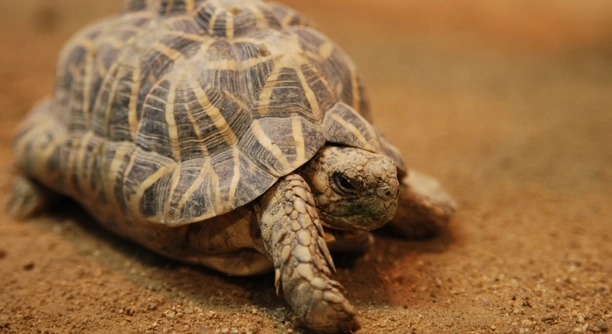
Indian star tortoises are beloved for their distinctive shell patterns and calm personalities. As pets, they need proper care to live long and healthy lives. However, some mistakes can shorten their lifespan significantly.
Several common mistakes can shorten an Indian star tortoise’s lifespan, such as improper diet, inadequate habitat conditions, and lack of proper veterinary care. Neglecting these essential aspects may lead to health problems that can reduce their life expectancy.
By understanding what could harm your tortoise’s well-being, you can take steps to prevent potential issues. Proper care and attention will ensure your pet thrives for years to come.
Improper Diet
An Indian star tortoise’s diet plays a crucial role in its health. If fed incorrectly, it can lead to problems such as malnutrition or obesity. These tortoises are herbivores, so they need a variety of leafy greens, vegetables, and occasional fruits. A diet lacking in fiber or calcium can lead to issues like shell deformities or digestive problems.
Feeding them too many high-protein foods can cause kidney damage. Offering a balanced diet with a proper calcium-to-phosphorus ratio is essential for maintaining their health. Without this balance, your tortoise may struggle with bone and shell development.
To avoid these issues, always research the proper foods for your tortoise. Consistency is key in providing them with a proper diet, as small changes can make a big difference in their overall health. Supplementing their food with calcium or vitamin D can also help prevent health problems. Healthy eating habits are the foundation of a long, thriving life for your pet tortoise.
Poor Lighting Conditions
Lighting is a vital part of maintaining your tortoise’s well-being. Without the proper UVB lighting, your pet may develop metabolic bone disease. The UVB rays help them synthesize vitamin D, which is crucial for calcium absorption. Without it, their bones become weak.
It’s essential to provide your tortoise with both UVA and UVB light. Natural sunlight is best, but if that isn’t possible, an artificial UVB light is necessary. Place the light source close enough for them to bask comfortably, but not so close that it could cause burns. Regularly replace bulbs to ensure they’re providing adequate UVB rays.
While your tortoise needs plenty of time to bask, they also require time in the shade. Having both light and shaded areas allows your tortoise to regulate its body temperature. Too much exposure to direct light or not enough can lead to health issues such as dehydration or lethargy.
Insufficient Space
If your tortoise doesn’t have enough space to roam, it can lead to stress, which impacts its overall health. These tortoises enjoy having a spacious environment to explore, and a cramped space can cause anxiety or physical discomfort. A small enclosure can also restrict the natural behaviors they need for mental and physical well-being.
In the wild, Indian star tortoises cover large distances each day. To mimic their natural habitat, it’s crucial to provide enough space for them to move freely. A small enclosure can lead to muscle weakness, stress, and even aggression.
Ensure their habitat is large enough to accommodate their size as they grow. The minimum size for an enclosure should be at least 4 feet long by 2 feet wide, but bigger is always better. Providing various areas for hiding and basking is also beneficial. A large, enriched environment will keep your tortoise active and happy.
Inconsistent Temperature
Maintaining a consistent temperature is essential for your tortoise’s well-being. Temperatures that fluctuate too much can cause stress and health issues. These tortoises are cold-blooded, so they depend on their environment to regulate their body temperature. Without a steady temperature, they may become lethargic or even sick.
A temperature range of 75°F to 90°F during the day is ideal, with a basking area being slightly warmer. At night, the temperature should drop slightly but never fall below 65°F. Consistent warmth allows your tortoise to digest food properly and remain active.
Using a thermometer to monitor the temperature in both the basking and cooler areas of their enclosure is important. Additionally, avoid placing the enclosure in drafts or areas with fluctuating temperatures. A stable environment helps your tortoise stay healthy, reducing the risk of illnesses and increasing its life expectancy.
Lack of Proper Hydration
Water is just as important as food for your Indian star tortoise. If your tortoise doesn’t have access to clean water at all times, it can lead to dehydration. Dehydration causes issues like kidney damage, constipation, and a weakened immune system. They also need to soak in water occasionally to aid in digestion and maintain skin health.
Always provide a shallow water dish, large enough for your tortoise to soak in if desired. Change the water daily to keep it clean and fresh. Tortoises often prefer to drink from a shallow dish, so be sure it’s easy for them to access. Additionally, soaking your tortoise in warm water once or twice a week can help ensure they’re getting enough hydration.
Without proper hydration, your tortoise’s health can deteriorate quickly. Watch for signs of dehydration, such as dry, cracked skin or a lack of appetite. By making hydration a priority, you can ensure that your tortoise stays healthy and happy.
Poor Ventilation
Ventilation is crucial for maintaining a healthy living environment for your tortoise. Without adequate airflow, the humidity can build up, leading to respiratory issues. Stale air can also encourage the growth of harmful bacteria. It’s essential to ensure that the enclosure is properly ventilated at all times.
To provide good ventilation, make sure the enclosure has air holes or mesh panels. This will allow for the exchange of fresh air and reduce the chances of bacterial buildup. Avoid covering the enclosure too tightly or using materials that trap heat and moisture.
A well-ventilated enclosure ensures your tortoise can breathe easily and prevents conditions like shell rot or respiratory infections. It also promotes a healthier, more comfortable environment, where your tortoise can thrive. Remember, proper airflow isn’t just a luxury; it’s necessary for long-term health.
Improper Substrate
The choice of substrate plays an important role in the comfort and health of your tortoise. Using the wrong type of bedding can cause problems such as skin irritation or digestive issues if ingested. For Indian star tortoises, you should use natural substrates like grass hay, coconut coir, or cypress mulch.
Avoid using substrates like sand or soil that could be ingested in large quantities, causing blockages. Some synthetic bedding materials can also cause respiratory problems if the tortoise is exposed to them for extended periods. Additionally, choose a substrate that can maintain moisture levels without becoming soggy, as this can help keep your tortoise comfortable and hydrated.
Check the substrate regularly to ensure it stays clean and dry. If you notice any signs of mold or bacterial growth, replace it immediately. Choosing the right substrate is key to maintaining a healthy and safe environment for your tortoise.
Inadequate Veterinary Care
Regular veterinary checkups are important to keep your tortoise healthy. Without proper care, diseases or health problems may go unnoticed until they become serious. Your tortoise may show no obvious symptoms, making routine checkups essential for early detection of potential issues.
Taking your tortoise to a vet who specializes in reptiles will ensure that it receives the right treatment. Regular checkups can also help with preventative care like deworming and shell health. These visits help identify any issues early, which can lead to better long-term outcomes.
A reptile vet can also guide you on proper diet, habitat, and other essential care needs. Regular care is vital to a tortoise’s well-being and lifespan.
Overcrowding in the Enclosure
If you keep multiple tortoises in the same enclosure, overcrowding can become a problem. Too many tortoises can lead to stress, territorial disputes, and potential injuries. It also limits the space available for each tortoise to move around and get adequate access to food, water, and basking areas.
Space is essential for their well-being, and overcrowding can lead to aggression, malnutrition, or a higher risk of disease transmission. Each tortoise needs its own space to roam and feel safe. You may need to separate them if conflicts arise or if one is not thriving.
Handling Stress
Indian star tortoises can become stressed if handled too often or improperly. Stress weakens their immune system, making them more susceptible to illness. Frequent handling can cause them to retreat into their shells, disrupting their natural behavior and leading to a negative impact on their health.
It’s important to handle them gently and infrequently. If you need to move your tortoise, always support its body properly and avoid sudden movements. Stress is a serious factor that can shorten their lifespan, so always be mindful of how you interact with them.
FAQ
What should I feed my Indian star tortoise?
Indian star tortoises are herbivores, so their diet should primarily consist of leafy greens, such as dandelion greens, collard greens, and turnip greens. You can also offer some vegetables like squash, carrots, and bell peppers. Occasionally, you can feed them small amounts of fruits like strawberries or melon. Be sure to avoid feeding them high-protein foods like meat, as it can lead to kidney problems. A good rule of thumb is to provide a variety of foods to ensure they get all the necessary nutrients, with a focus on high-fiber greens.
How often should I feed my Indian star tortoise?
Adult tortoises typically eat once a day, while young tortoises may require feeding twice a day. The amount of food depends on the tortoise’s size. Offer enough food to allow your tortoise to eat for about 15-20 minutes. Avoid overfeeding, as it can lead to obesity, which puts extra strain on their body and reduces their lifespan. Always remove uneaten food from the enclosure after a few hours to keep the habitat clean.
How much space does an Indian star tortoise need?
An Indian star tortoise needs a spacious enclosure to roam around. The minimum size for a single tortoise should be at least 4 feet long by 2 feet wide. As your tortoise grows, consider providing even more space. In the wild, they cover large areas daily, so it’s essential to offer enough space to allow natural movement. Overcrowding in a small enclosure can lead to stress and other health issues.
Can I keep more than one tortoise together?
Indian star tortoises can be kept together, but only if they have enough space and if they get along. Males, in particular, can become territorial and aggressive toward each other. It’s best to keep one male with multiple females or to separate them if they show signs of aggression. Proper space, plenty of hiding spots, and observing their behavior will help you determine if they can coexist peacefully.
What temperature should I keep my Indian star tortoise at?
The temperature in the tortoise’s habitat should range between 75°F to 90°F during the day. The basking spot should be slightly warmer, around 95°F to 100°F, while the cooler side should be between 75°F and 80°F. At night, the temperature can drop to about 65°F but never below that. Use a thermometer to monitor the temperature in different parts of the enclosure. If the temperature fluctuates too much, it can cause stress and health issues for your tortoise.
Do Indian star tortoises need UVB lighting?
Yes, UVB lighting is essential for Indian star tortoises. It helps them synthesize vitamin D, which is necessary for calcium absorption and overall bone health. Without UVB light, your tortoise may develop metabolic bone disease. If you can’t provide natural sunlight, invest in a quality UVB bulb designed for reptiles. Replace the bulb every 6 months, even if it still works, as UVB output decreases over time.
How often should I clean the enclosure?
Cleaning the enclosure is important for your tortoise’s health. Clean food and water dishes daily to prevent bacteria growth. The entire enclosure should be cleaned weekly by removing old substrate and replacing it with fresh bedding. Check for any waste or uneaten food that could attract pests. Regular cleaning helps prevent the buildup of harmful bacteria and parasites.
How can I tell if my tortoise is sick?
Signs of illness in Indian star tortoises can include lethargy, lack of appetite, wheezing, nasal discharge, or abnormal behavior such as hiding more than usual. A swollen or soft shell, difficulty moving, or strange growths can also indicate health problems. If you notice any of these signs, it’s best to consult a reptile vet for an examination. Catching health issues early can make a big difference in the treatment and recovery process.
Can I let my Indian star tortoise roam outside?
Yes, you can let your tortoise roam outside, but only in a safe, enclosed area. Be sure the environment is free from predators and that the temperature is appropriate. Indian star tortoises can tolerate some direct sunlight, which will help them absorb natural UVB rays. However, be cautious of extreme heat or cold temperatures, as these can stress your tortoise. Always supervise outdoor time to ensure they are safe and don’t wander off.
How long do Indian star tortoises live?
Indian star tortoises can live for several decades when cared for properly. On average, they live between 30 and 50 years, but some can live even longer. Their lifespan is influenced by diet, habitat, lighting, and general care. Proper care, including a balanced diet, appropriate lighting, and regular veterinary visits, can help ensure they live a long, healthy life.
Are Indian star tortoises easy to care for?
Indian star tortoises require commitment and attention to detail, but they are relatively easy to care for once you understand their needs. They need a proper diet, the right environmental conditions, and occasional vet checkups. While they don’t require daily interaction, they do need a consistent routine and a safe, clean habitat. With the right care, they can thrive and live for many years.
Final Thoughts
Caring for an Indian star tortoise requires attention to their specific needs. Their health and well-being depend on a proper diet, the right living environment, and routine veterinary care. While these tortoises are relatively low-maintenance compared to other pets, they still require consistent care to thrive. Understanding the common mistakes that can shorten their lifespan, like improper diet or poor lighting conditions, is key to ensuring they live a long and healthy life. By addressing these factors and making the necessary adjustments, you can help your tortoise reach its full potential.
Providing an adequate habitat is one of the most important aspects of their care. Ensuring they have enough space to move around, proper temperature control, and good ventilation can make a significant difference. They need a balanced environment that allows them to regulate their body temperature, bask under UVB light, and stay hydrated. While these adjustments may require time, effort, and sometimes investment in new equipment, they are all part of providing your tortoise with the best chance at a healthy, long life. The effort put into their environment will pay off in their health and happiness.
Lastly, keep in mind that regular checkups with a reptile veterinarian can help catch any potential health problems before they become serious. Even though they are hardy animals, a lack of medical care can lead to long-term issues that may shorten their lifespan. Also, remember that they live for many years, so their care is a long-term commitment. Being patient and dedicated to their needs will ensure that your Indian star tortoise thrives for decades. With the right care, your tortoise can be a cherished companion for a very long time.

Hello,
If you enjoy the content that we create, please consider saying a "Thank You!" by leaving a tip.
Every little bit helps us continue crafting quality advice that supports the health, happiness, and well-being of pets around the world, for pets of all shapes, sizes, and species.
We really appreciate the kindness and support that you show us!