
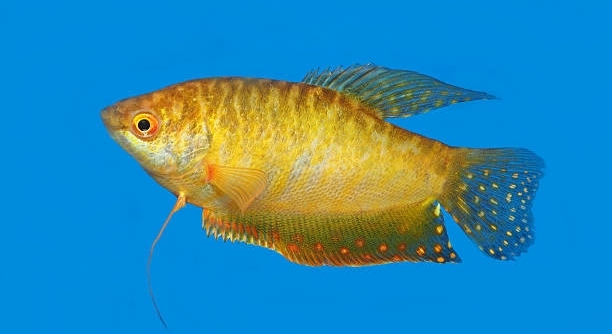
Are your gouramis constantly darting around the tank, making it hard to enjoy your aquarium? Hyperactive behavior can be stressful for both the fish and the owner, affecting the overall harmony of the tank environment.
Calming hyper gouramis involves making small, strategic adjustments to their habitat and routine. Changes such as rearranging tank decor, optimizing water parameters, moderating feeding schedules, and reducing external disturbances can significantly decrease aggression and restlessness.
Implementing these minor tweaks can transform your aquarium into a calmer, more balanced environment where your gouramis feel secure and comfortable.
Rearrange Tank Decor
Rearranging the layout of your tank can have a surprisingly calming effect on hyper gouramis. Providing hiding spots, plants, and decorations helps them establish territories without constant confrontation. Gouramis often chase each other when there is no sense of personal space, so adding visual barriers reduces stress. Rocks, driftwood, and dense plant areas give them places to retreat, which helps lower aggression and hyperactivity. Even small changes, like moving a plant slightly or adding a floating object, can make a noticeable difference. It’s important to avoid overcrowding while still offering enough hiding spots. Observing your gouramis after rearranging the decor can help identify which areas they prefer for resting and retreating. Over time, they will learn the new layout and adjust their behavior accordingly. Creating multiple zones in the tank encourages a balanced distribution of activity and allows each fish to feel more secure, ultimately promoting calmer interactions.
Small adjustments in decor placement can drastically reduce stress and aggression, improving your gouramis’ overall behavior and comfort in the tank.
Adding new plants or rearranging existing structures not only creates visual interest but also divides the tank into safe zones. Gouramis are territorial, and clear boundaries prevent constant chasing. Floating plants soften the lighting, mimicking natural habitats, while dense clusters of stems or leaves offer protection for shy individuals. Using rocks or driftwood to break open swimming areas helps reduce confrontations in the middle of the tank. Rotate decorations occasionally to keep the environment stimulating, but ensure each change provides new hiding spaces. Regular observation after adjustments is key; notice which spots are most frequented for rest or retreat. Over time, these strategic placements reduce stress-induced hyperactivity. This method, combined with consistent water quality and feeding routines, creates a more stable environment. Calm gouramis interact more peacefully, explore the tank confidently, and display natural behaviors, resulting in a more harmonious and visually appealing aquarium for both the fish and the observer.
Optimize Water Parameters
Maintaining stable water conditions is essential for calm gouramis. Even small fluctuations in temperature, pH, or hardness can increase stress and hyperactivity.
Regular testing and gradual adjustments keep the water within ideal ranges, preventing sudden shocks that trigger frantic behavior.
Temperature, pH, and hardness directly influence gouramis’ metabolism and activity levels. Temperatures outside their comfort zone can make them restless or lethargic, while pH swings disrupt their natural equilibrium. Hardness affects overall health and fin condition, indirectly influencing behavior. Using a reliable heater, thermometer, and test kits ensures consistent monitoring. Partial water changes with dechlorinated water prevent harmful buildup of ammonia and nitrites, which can agitate the fish. Avoid using sudden treatments or chemicals that shock the system. Additionally, maintaining proper filtration and gentle water flow prevents strong currents that stress these slow-swimming fish. Over time, stable parameters allow gouramis to feel secure and reduce hyperactive tendencies. Consistent water quality not only improves their behavior but also strengthens immunity, making them less prone to illness. Calm fish are easier to observe, interact with, and integrate into a peaceful tank ecosystem.
Moderate Feeding Schedules
Overfeeding can increase hyperactivity and aggression in gouramis. Limiting portions and feeding smaller amounts more frequently helps regulate their energy levels and prevents competition over food.
Providing consistent meal times and measured amounts reduces stress. Gouramis tend to chase each other when food is abundant or scattered unevenly. By offering controlled portions, each fish gets a fair share without triggering frantic behavior. Observing their feeding habits allows you to adjust amounts for optimal health. Avoid sudden changes in diet, as this can excite them and cause temporary hyperactivity. Over time, a balanced feeding schedule supports calmer, more predictable behavior. Feeding should be consistent but moderate, ensuring the fish remain healthy without overstimulation.
Smaller, measured meals help maintain calm behavior while promoting proper digestion and preventing obesity.
Proper feeding encourages natural foraging behavior. Scattering food in multiple areas of the tank prevents dominant gouramis from monopolizing resources. This method reduces chasing and competition, allowing less aggressive fish to eat safely. Combining varied food types, such as flakes, pellets, and occasional live food, keeps the diet interesting without overstimulating them. Avoid overfeeding, as leftover food can pollute water and trigger stress-related hyperactivity. Observing consumption patterns ensures all fish are nourished equally, creating a more balanced social dynamic in the tank. Over time, moderate feeding routines contribute to both physical health and calmer activity levels.
Consistent portions combined with multiple feeding spots reduce stress, aggression, and hyperactivity, fostering a more peaceful tank environment for all gouramis.
Reduce External Disturbances
Loud noises, sudden movements, or constant activity near the tank can make gouramis restless and hyperactive.
Minimizing external stressors stabilizes behavior. Gouramis are sensitive to vibrations and frequent disruptions, which can trigger rapid swimming and chasing. Positioning the tank in a quiet, low-traffic area and limiting sudden movements near the glass helps them feel secure. Covering part of the tank or using background scenery can buffer external stimuli, giving the fish a sense of privacy and reducing constant alertness. Routine care like cleaning and maintenance should be gentle and gradual to avoid startling the fish. Over time, these precautions result in calmer and more predictable behavior, creating a stable environment conducive to social harmony among tank mates.
Reducing disturbances improves overall comfort and encourages natural, relaxed behavior, making your aquarium more enjoyable for both the fish and the observer.
Minimizing external stress involves observing the tank environment closely. Lights should be adjusted gradually, avoiding sudden brightness changes that can startle gouramis. Daily household activities, such as moving furniture or tapping the glass, should be kept to a minimum near the tank. Introducing new fish or decorations should be done slowly, allowing existing gouramis to adapt without heightened activity. Even minor vibrations from appliances or foot traffic can trigger hyperactivity, so isolating the tank from these sources is beneficial. Calm surroundings encourage gouramis to establish territories and interact peacefully. By combining this approach with stable water conditions and proper feeding, the fish remain relaxed, healthy, and socially balanced, enhancing both their quality of life and the enjoyment of the aquarium.
Provide Adequate Hiding Spots
Hiding spots reduce stress and prevent constant chasing among gouramis. Plants, rocks, and decorations give them places to retreat and establish personal territory, helping to lower hyperactivity.
Floating plants or dense foliage create shaded areas, allowing shy gouramis to feel safe. Multiple hiding options reduce conflicts and support calmer social interactions in the tank.
Maintain Proper Tank Size
A spacious tank prevents overcrowding, which can trigger aggression and excessive activity. Gouramis need enough room to swim freely and claim territories without feeling threatened. Proper tank dimensions directly influence their comfort and behavioral stability. Adequate space also supports proper oxygenation, circulation, and overall water quality, contributing to calmer fish.
Introduce Compatible Tank Mates
Choosing peaceful tank mates minimizes conflict and reduces stress-induced hyperactivity. Avoid aggressive or highly active species that may provoke gouramis.
Regular Observation and Adjustments
Monitoring behavior allows timely changes to diet, decor, or water conditions. Observing responses ensures a stable and calm environment for all gouramis.
FAQ
Why are my gouramis always chasing each other?
Gouramis chase each other mainly due to territorial behavior. When there are few hiding spots or the tank is overcrowded, dominant individuals assert control over space and food. Adding plants, decorations, and visual barriers reduces conflicts and gives shy fish areas to retreat. Over time, they learn boundaries, which helps lower constant chasing.
How often should I feed hyper gouramis?
Feeding smaller amounts two to three times a day is ideal. Overfeeding can increase aggression and hyperactivity, while too little food can cause stress and competition. Measure portions to ensure all fish get enough, and scatter food in multiple areas to reduce chasing. Balanced feeding routines help regulate energy levels and calm the tank.
Can water quality affect their behavior?
Yes. Sudden changes in temperature, pH, or hardness can stress gouramis, making them hyperactive. Stable water parameters are essential. Test the water regularly and perform gradual changes when needed. Proper filtration, gentle water flow, and regular partial water changes maintain a healthy environment, promoting calm and predictable behavior.
Will tank size impact their activity?
Absolutely. Crowded tanks increase stress and aggressive interactions. Gouramis need space to swim freely and claim territories without feeling threatened. A larger tank allows them to distribute naturally, reducing conflicts. Proper space also improves oxygenation and circulation, which contributes to their overall calm and health.
Do hiding spots really make a difference?
Yes. Providing rocks, driftwood, plants, and floating decor gives gouramis places to retreat and feel secure. Multiple hiding spots reduce competition and allow shy fish to rest. Even small adjustments in placement can have a noticeable effect. Visual barriers and shaded areas make the tank environment less stressful and more balanced.
Can lighting affect hyperactivity?
Intense or sudden lighting changes can startle gouramis, triggering frantic swimming. Using gradual light transitions or floating plants to soften brightness helps them feel safe. A consistent day-night cycle simulates natural conditions and contributes to calmer behavior, as fish can establish routines and rest periods without unnecessary stress.
Are certain tank mates better than others?
Peaceful, slow-moving fish are ideal companions. Aggressive or highly active species can provoke gouramis and increase hyperactivity. Observing interactions and choosing compatible species supports social stability. Multiple hiding spots and territorial markers also help maintain peace when other fish are introduced.
How long does it take for gouramis to calm down?
The time varies depending on adjustments and fish temperament. Changes in tank layout, feeding schedules, and water conditions usually show results within a few weeks. Continuous observation ensures that tweaks are effective, and gradual modifications prevent stress that could worsen hyperactivity.
Is overfeeding a bigger problem than underfeeding?
Overfeeding tends to cause more immediate hyperactivity and competition. Leftover food can also pollute water, further stressing the fish. Underfeeding can be managed carefully but should be avoided long-term. Balanced, measured meals in multiple locations create a calmer feeding environment.
Can I use medication or additives to calm gouramis?
Generally, medication is unnecessary unless treating disease. Stress-relief additives are not a substitute for proper tank conditions. Focus on environment adjustments, diet, and consistent routines. Calm surroundings, stable water parameters, and adequate hiding spots are the most effective methods to reduce hyperactivity.
How often should I rearrange the tank?
Rearrangements should be occasional. Frequent changes can confuse gouramis and temporarily increase activity. Small adjustments to decor or plant positions are enough to maintain interest without causing stress. Observe their reactions and make changes gradually to promote comfort and stability.
Will adding more gouramis help balance behavior?
Adding more gouramis can sometimes spread aggression, but overcrowding should be avoided. Introducing compatible numbers helps distribute social interactions, but the tank must be spacious and properly equipped with hiding spots. Carefully monitoring social dynamics prevents new sources of stress or hyperactivity.
What are the signs my gouramis are stressed?
Indicators include constant chasing, rapid swimming, hiding excessively, or clamped fins. Loss of appetite and color changes are also common. Addressing environmental, dietary, and social factors promptly helps reduce stress and prevents long-term behavioral or health issues.
Can plants alone calm hyper gouramis?
Plants are very helpful but not sufficient on their own. They provide hiding spots, visual barriers, and shaded areas. For best results, combine plants with proper tank size, stable water conditions, moderate feeding, and limited disturbances. This comprehensive approach encourages calm and healthy behavior in gouramis.
How do I monitor the effectiveness of changes?
Observe daily behavior patterns. Look for reduced chasing, calmer swimming, and balanced interactions. Note which hiding spots are used and how feeding routines affect energy levels. Adjustments should be gradual, and continuous observation ensures that interventions are having the desired calming effect.
Final Thoughts
Hyperactive gouramis can make maintaining a peaceful aquarium challenging, but small, deliberate changes can make a significant difference. Adjusting tank decor, providing ample hiding spots, and rearranging objects strategically help the fish establish clear territories. This reduces chasing and aggression, allowing each fish to feel secure in its own space. Even minor changes, such as moving a plant slightly or adding a small rock formation, can provide a sense of privacy for more timid gouramis. Over time, these adjustments encourage calmer interactions and help the entire tank environment feel more balanced. Consistency in how these changes are implemented is important, as sudden or frequent alterations can confuse the fish and temporarily increase activity levels. Taking the time to observe how your gouramis respond to their environment allows you to refine these adjustments, ensuring they meet the needs of all fish in the tank.
Water quality and tank conditions play a central role in controlling hyperactivity. Gouramis are sensitive to fluctuations in temperature, pH, and water hardness, and even small changes can trigger stress or restlessness. Maintaining stable parameters is essential to promote calm behavior. Regular water testing, gentle filtration, and routine partial water changes help keep the environment stable and healthy. Proper oxygenation and gentle water flow reduce stress and allow the fish to swim comfortably without feeling threatened. A well-maintained tank not only supports calmer behavior but also improves the overall health of your gouramis, reducing susceptibility to disease and increasing lifespan. Combined with a structured feeding routine, these measures create an environment where gouramis can thrive, feel secure, and interact more peacefully.
Feeding and daily care also contribute significantly to reducing hyperactivity. Overfeeding can lead to competition, chasing, and rapid swimming, while consistent, measured portions provide the right energy without overstimulation. Distributing food in multiple areas of the tank ensures that all fish eat without unnecessary conflict. Limiting external disturbances such as loud noises, sudden movements, or excessive handling further stabilizes behavior. By monitoring behavior and making gradual adjustments to diet, decor, and tank conditions, you can create a predictable and secure environment. Over time, these practices help hyper gouramis calm down, allowing you to enjoy a healthier, more harmonious aquarium. Consistency, observation, and thoughtful management are key to achieving long-term results and a stress-free tank for both the fish and the owner.

Hello,
If you enjoy the content that we create, please consider saying a "Thank You!" by leaving a tip.
Every little bit helps us continue crafting quality advice that supports the health, happiness, and well-being of pets around the world, for pets of all shapes, sizes, and species.
We really appreciate the kindness and support that you show us!