
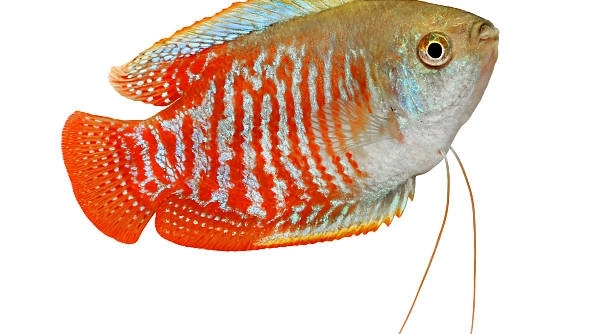
Gouramis are sensitive fish that respond strongly to their environment. Their behavior, appetite, and overall well-being can be influenced by how their aquarium is lit. Proper lighting can create a calmer, more comfortable space for them.
Adjusting light intensity, duration, and placement in the tank is essential for promoting relaxation in gouramis. Subtle, indirect lighting reduces stress, mimics natural conditions, and supports regular activity patterns, while avoiding sudden brightness that can trigger agitation or hiding behaviors.
Implementing a few simple lighting changes can transform your aquarium into a peaceful home for your gouramis. These small adjustments have a noticeable effect on their comfort and daily habits.
Choosing the Right Light Spectrum
Gouramis respond best to soft, natural light that mimics their natural habitat. Using lights with a warm spectrum, rather than harsh white or blue lights, helps them feel secure. Fluorescent or LED lights designed for freshwater aquariums often provide the right balance. Placing these lights above the tank, rather than directly shining into it, prevents sudden glare. Keeping light intensity moderate supports calmer swimming and feeding patterns. Bright lights can make gouramis skittish and hide frequently, while dim, consistent lighting encourages more natural behavior. Observing your fish during different times of the day can help determine which spectrum works best. Adjusting the light slowly, rather than changing it abruptly, prevents stress and allows the gouramis to acclimate. Over time, the correct spectrum improves their coloration, appetite, and activity levels. Many aquarists notice that gouramis become noticeably more relaxed under gentle, natural-colored lights.
Soft light with a warm spectrum reduces stress and encourages natural behaviors, while bright or harsh lighting can trigger hiding or agitation in gouramis.
Experimenting with different light angles and times can reveal subtle preferences your gouramis have, making the tank more comfortable and peaceful overall.
Using Timers for Consistent Lighting
Setting a timer for aquarium lights helps maintain a stable day-night cycle.
Consistent lighting supports the natural rhythms of gouramis, reducing stress and preventing erratic behavior. A timer ensures lights turn on and off at the same times daily, avoiding sudden changes. This consistency helps gouramis regulate activity, feeding, and resting patterns. Using a gradual dimming option can simulate sunrise and sunset, further reducing anxiety. Timers also make it easier to manage multiple tanks without constant manual adjustments. Over weeks, fish adapt to the schedule, appearing calmer and more confident. Combining timers with suitable light intensity and spectrum creates an environment that feels familiar and safe. This stability allows gouramis to focus on exploring the tank and interacting with their surroundings rather than reacting to unpredictable lighting changes. Regular monitoring ensures the timing matches seasonal or household routines, keeping both the fish and the tank setup balanced.
Dimming the Lights Gradually
Gradually lowering light intensity helps gouramis adjust without stress. Sudden bright lights can startle them, while gentle dimming creates a calm environment.
Using dimmers or adjustable LEDs allows for smooth transitions in light levels. Gouramis are more likely to swim openly and feed when they aren’t startled by abrupt brightness. Gradual dimming can mimic natural conditions like dawn and dusk, making the tank feel safer. This technique reduces hiding behaviors and promotes regular activity patterns. Observing your gouramis during different lighting changes helps identify the most comfortable levels. Over time, they become more relaxed, showing natural swimming and social behaviors.
Consistency in dimming schedules strengthens these effects. Changing light too quickly or inconsistently can confuse the fish, causing stress and erratic movement. Implementing a predictable dimming routine supports both feeding and resting cycles, making the tank a stable, low-stress environment. This approach also enhances their coloration and overall health, reflecting lower stress levels and improved well-being.
Creating Shaded Areas
Providing shaded spots in the tank gives gouramis places to retreat. Plants, rocks, or ornaments can block direct light effectively.
Shaded areas reduce exposure to bright lights and sudden reflections. Gouramis feel safer when they have corners or overhangs to hide under. These spaces encourage resting and allow timid fish to explore gradually without feeling threatened. Well-placed decorations can balance open swimming areas with secure hiding spots. Gouramis often return to these shaded zones during high activity times, showing they recognize safe areas. Adding floating plants can create natural shade while softening the light across the tank.
Maintaining multiple shaded zones ensures all gouramis have access to comfort areas without competing for space. Positioning these zones strategically helps distribute fish evenly and reduces aggressive interactions. Combining shaded areas with proper light spectrum, timers, and gradual dimming enhances relaxation and overall tank harmony. Over time, gouramis use these zones instinctively, improving both their mental state and physical activity levels.
Avoiding Sudden Light Changes
Sudden shifts in brightness can startle gouramis, causing stress and erratic swimming. Avoid turning lights on or off abruptly.
Using gradual transitions or timers helps prevent shocks. Gouramis respond better to predictable changes, which keeps them calm and encourages normal activity throughout the day.
Using Floating Plants
Floating plants naturally filter light, softening brightness in the tank. They create gentle shadows that gouramis appreciate. Leaves drifting on the surface reduce glare and give fish a sense of security, promoting relaxed swimming and exploration.
Positioning Lights Strategically
Placing lights at an angle or behind decorations reduces direct glare. Avoid shining lights straight down into open areas where gouramis swim. Proper positioning helps maintain calm behavior and supports natural activity patterns.
How long should aquarium lights stay on for gouramis?
Gouramis thrive with a consistent day-night cycle. Keeping lights on for about 8 to 10 hours daily is usually sufficient. Too much light can stress them, causing hiding, reduced feeding, or aggressive behavior. Maintaining a predictable schedule helps their internal rhythms and supports natural activity patterns. Timers can automate this process, ensuring lights turn on and off at the same time each day. Gradual dimming in the morning and evening can mimic sunrise and sunset, further reducing stress. Monitoring how your gouramis behave during light periods allows small adjustments for optimal comfort.
Can gouramis tolerate bright aquarium lights?
Bright lights can easily stress gouramis, especially if there is no shaded area in the tank. These fish prefer softer, indirect lighting that mimics their natural habitat. When exposed to intense light, gouramis may hide, become skittish, or reduce feeding. Floating plants, ornaments, or shaded zones can help diffuse harsh light and provide comfort. Using dimmers or adjustable LEDs also allows control over intensity. Over time, a tank with balanced lighting and shaded areas encourages natural behavior, reduces stress, and keeps gouramis more active and healthy.
Are colored lights safe for gouramis?
Colored lights can be safe if used carefully. Soft, warm tones like yellow or red tend to be more comfortable than harsh blue or white lights. The key is moderation—avoid sudden color changes or high intensity. Gouramis respond to consistent, gentle lighting rather than dramatic effects. Colored lights can highlight the tank’s appearance, but they should not replace natural-spectrum lighting. Observing your fish under colored lights ensures they remain calm, swim freely, and feed normally. Combining colored lights with shaded areas and timers creates a stable environment that supports relaxation.
Do gouramis need complete darkness at night?
Yes, gouramis benefit from a period of complete darkness to rest properly. Nighttime darkness allows their biological rhythms to reset and supports overall health. Leaving lights on overnight can disrupt sleep patterns, causing stress and lethargy. If using a moonlight or very dim night light, make sure it’s soft enough not to disturb their rest. Gradually turning off aquarium lights in the evening helps gouramis adjust, while turning them on slowly in the morning mimics natural conditions. Proper darkness improves feeding behavior, coloration, and calmness during the day.
Will floating plants improve gourami comfort?
Floating plants significantly improve comfort by creating shaded areas and softening direct light. Gouramis often use these plants as hiding spots, reducing stress from bright lights or sudden movements. Plants also improve water quality slightly by absorbing nutrients, which indirectly supports overall health. Placing a few floating species strategically allows gouramis to explore the tank while having safe zones nearby. The movement of leaves on the surface provides gentle visual variation without startling them. Over time, gouramis naturally seek out these shaded areas, which helps maintain calm behavior and encourages regular feeding.
Can timers reduce gourami stress?
Timers are highly effective at reducing stress by maintaining consistent lighting schedules. Gouramis rely on predictable light cycles to regulate activity, feeding, and rest. Sudden or irregular light changes can cause hiding, erratic swimming, or reduced appetite. Using a timer ensures lights turn on and off at the same time every day, supporting their natural rhythms. Gradual dimming options further mimic sunrise and sunset, easing transitions. Consistent timing combined with proper light intensity, spectrum, and shaded zones creates a stable environment that helps gouramis remain relaxed, active, and healthy over the long term.
Is it necessary to adjust light angles for gouramis?
Adjusting light angles can prevent direct glare and reduce stress. Lights shining straight down into open swimming areas can make gouramis uncomfortable. Angling lights behind decorations or plants softens the illumination and provides indirect lighting, creating natural-looking shadows. This setup allows fish to move freely without being exposed to constant brightness. Observing behavior under different angles helps identify the most comfortable positions. Correct positioning combined with dimming, floating plants, and timers results in a calm, secure environment where gouramis can exhibit natural swimming, feeding, and resting patterns.
How do sudden light changes affect gourami behavior?
Sudden light changes often startle gouramis, triggering hiding, darting, or aggressive behavior. These fish are sensitive to abrupt environmental shifts. Consistent lighting with gradual transitions reduces anxiety and encourages predictable activity. Using timers, dimmers, and shaded areas minimizes abrupt changes. Over time, gouramis exposed to sudden light shifts may develop stress-related behaviors such as refusal to feed or staying hidden. Implementing smooth adjustments in intensity, angle, and timing helps maintain calm behavior, supports regular swimming patterns, and improves overall well-being. Stable lighting creates an environment where gouramis feel safe and confident.
Are LED lights better than fluorescent for gouramis?
LED lights are generally better because they allow precise control over intensity, spectrum, and timing. They produce less heat and can be dimmed gradually, creating a more comfortable environment. Fluorescent lights can be harsh and provide less flexibility in adjustment. LEDs can mimic natural light more effectively, supporting regular activity, coloration, and feeding patterns. Using LEDs with timers, dimmers, and proper positioning reduces stress while maintaining visual appeal. Choosing the right LED setup ensures gouramis have soft, indirect light during the day, promoting relaxation and natural behavior in the aquarium.
How can I tell if lighting is stressing my gouramis?
Signs of stress include hiding constantly, erratic swimming, loss of appetite, or faded colors. Gouramis may stay in shaded areas more than usual or avoid open spaces. Observing changes after light adjustments helps identify issues. Gradual dimming, shaded zones, and consistent timing can correct stress responses. Stress reduction often restores normal swimming, feeding, and interaction patterns. Over weeks, calmer behavior and improved coloration indicate the lighting setup is comfortable. Regular observation is essential, as even minor changes in intensity or angle can impact their well-being. Proper lighting ensures gouramis remain relaxed and healthy in the tank.
Word count: 509
Creating a comfortable environment for gouramis largely comes down to managing light carefully. These fish are sensitive to sudden changes and harsh lighting, so small adjustments can make a big difference in their behavior and overall health. Soft, indirect light that mimics natural conditions helps them feel safe and relaxed. Providing shaded areas, either with floating plants or decorations, gives gouramis spaces to retreat when they feel stressed. Using timers ensures the light follows a consistent day-night cycle, allowing the fish to rest properly and maintain regular feeding and swimming habits. Over time, these adjustments can reduce hiding, encourage exploration, and support their natural rhythms.
Gradual dimming is another key factor in keeping gouramis calm. Sudden brightness can startle them and cause erratic swimming, which increases stress. Dimmers or adjustable LEDs allow the light to rise and fall slowly, simulating sunrise and sunset. This gentle transition is easier for the fish to adjust to, and it encourages natural behavior throughout the day. Consistency is essential, so maintaining the same routine helps gouramis feel secure in their environment. Combining this with proper light spectrum and shaded zones strengthens the effect, creating a tank where the fish are less anxious and more active. Observing their reactions during different lighting setups helps identify what works best, allowing small tweaks to improve comfort and reduce stress over time.
Even small changes in lighting can improve the quality of life for gouramis. When fish feel safe, they are more likely to feed regularly, swim openly, and display natural coloring. Balanced lighting contributes to long-term health by supporting normal activity patterns and minimizing stress-related behaviors. By focusing on proper light intensity, spectrum, gradual transitions, and shaded areas, aquarists can create an aquarium that feels stable and secure. Over weeks and months, these changes help gouramis develop predictable routines, improve social interactions with tank mates, and maintain consistent health. Attention to lighting is a simple but effective way to ensure that these fish live in a calm, supportive environment.
Word count: 412

Hello,
If you enjoy the content that we create, please consider saying a "Thank You!" by leaving a tip.
Every little bit helps us continue crafting quality advice that supports the health, happiness, and well-being of pets around the world, for pets of all shapes, sizes, and species.
We really appreciate the kindness and support that you show us!