
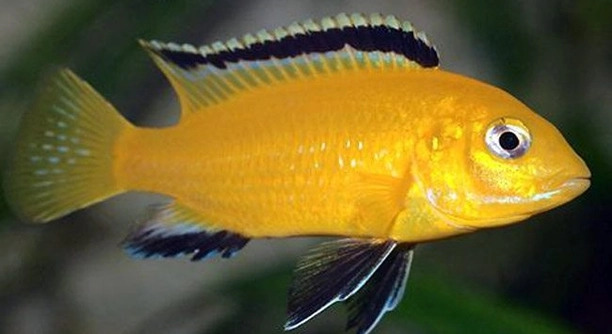
Electric Yellow Cichlids are known for their bright color and active behavior in home aquariums. Their social interactions often involve conflict, which triggers instinctual behaviors. Observing these actions can reveal much about their natural instincts and hierarchy.
During conflict, Electric Yellow Cichlids exhibit seven key instinctual responses. These include flaring fins, gill display, body shaking, chasing, biting, color darkening, and retreating. Each behavior serves a functional purpose in establishing dominance and managing aggression within their social groups.
Recognizing these responses helps aquarists maintain a balanced environment and reduce stress among their fish, enhancing overall health and well-being in the aquarium setting.
Flaring Fins
Electric Yellow Cichlids often flare their fins when facing a rival. This display makes them appear larger and more intimidating. It is a natural method of establishing dominance without immediate physical confrontation. In many cases, one fish may retreat simply at the sight of an expanded fin display. Flaring also signals to other fish in the tank that a confrontation is occurring. Aquarists can observe this behavior to predict potential conflicts and manage tank placement. The intensity of flaring can vary depending on the fish’s size, confidence, and past experiences. Younger or smaller fish often flare more aggressively to compensate for their size. Observing this can be fascinating, as each fish has a slightly different technique and posture. Over time, patterns emerge, allowing owners to understand their fish’s social structure. Flaring is not just aggression; it is a communication tool that reduces the need for physical fights.
This display usually lasts only a few seconds but can escalate if ignored by rivals.
Understanding flaring helps prevent injuries and maintain harmony in a tank. Watching these moments teaches patience and awareness.
Gill Display
The gill display is a subtle but important behavior in Electric Yellow Cichlids. When a fish flares its gills, it signals readiness to defend territory. This action increases the fish’s apparent size and strength, discouraging rivals from advancing further. It is often paired with flaring fins but can occur independently, especially during initial confrontations. Recognizing this behavior early allows for interventions such as rearranging tank decorations to reduce stress. Observing gill displays reveals a lot about social hierarchies. Dominant fish will use gill flares to assert authority, while submissive fish respond by retreating or changing color. These interactions are vital for maintaining a balanced tank.
Gill displays serve as a warning that can prevent physical fights.
This behavior is critical to the social dynamics of the tank. Watching how different fish react to gill flares shows their personality and confidence levels. Some fish display gills repeatedly, while others remain calm, highlighting the natural variance in temperament. Aquarists can learn to interpret these signs to anticipate conflicts before they escalate. Understanding the meaning of gill displays enhances the ability to provide a peaceful environment, ensuring fish feel secure in their space. Proper observation also helps in determining compatible tank mates and maintaining healthy interactions, which is key for long-term success.
Body Shaking
Body shaking is a rapid, side-to-side movement Electric Yellow Cichlids perform during conflict. It communicates aggression and can intimidate rivals without physical contact.
This shaking is often combined with other displays like flaring fins or gill expansion. It serves as a warning signal, indicating that the fish is ready to defend its territory. In many cases, the movement is enough to make weaker or less confident fish retreat. Timing and frequency of the shakes vary, reflecting the individual’s mood and social standing. Repeated shaking can escalate a confrontation, especially if rivals ignore the warning. Observing this behavior provides insight into the hierarchy within a tank. It also helps aquarists identify which fish are dominant or more territorial.
Body shaking can be brief or sustained, depending on the intensity of the confrontation. Watching how different fish respond teaches patience and improves tank management skills. Consistent observation helps maintain a safe and balanced environment.
Chasing
Chasing occurs when a fish actively pursues another to assert dominance or defend territory. This behavior can be brief or prolonged depending on the fish involved.
During chasing, the aggressor follows the other fish quickly, often making sharp turns and bursts of speed. The chased fish may try to evade by darting around tank structures or hiding behind decorations. Chasing is a natural method for resolving disputes without immediate injury. The duration and intensity depend on the confidence and size of the aggressor. Observing these events reveals the social ranking and relationships between fish, helping aquarists manage tank dynamics effectively. It is a behavior that indicates territorial boundaries and competitive interactions.
Repeated chasing can stress fish if the tank lacks sufficient hiding spots. Providing proper space and decor allows chased fish to escape safely, reducing aggression. Understanding chasing patterns helps predict potential conflicts and supports maintaining a calmer environment. It also aids in identifying which fish are more assertive and which require additional observation to prevent stress-related health issues. Monitoring these interactions is essential for ensuring overall fish well-being.
Biting
Biting is a direct form of aggression that occurs when a fish attempts to assert dominance or defend territory. It can cause minor injuries if not monitored, making tank management important.
Biting usually follows other displays like flaring fins or chasing. It is often a last resort when warnings are ignored.
Color Darkening
Electric Yellow Cichlids darken their coloration during conflict. This change signals stress, aggression, or submission. Darkening is temporary and can revert once the situation is resolved. It helps fish communicate intent without escalating to physical attacks, maintaining social order within the tank.
Retreating
Retreating occurs when a fish withdraws from confrontation. This behavior reduces the risk of injury and maintains social balance.
How can I tell if my Electric Yellow Cichlid is stressed during conflicts?
Stress in Electric Yellow Cichlids is often shown through color darkening, rapid gill movements, and repeated retreating. Fish may hide more than usual or lose interest in food. Observing these signs early helps prevent prolonged stress and potential health issues.
Why do my cichlids flare their fins so often?
Flaring is a natural way for cichlids to assert dominance and communicate aggression. Frequent flaring can indicate a highly competitive environment or limited territory. Providing adequate space and hiding spots reduces constant displays and helps maintain balance.
Is chasing always aggressive behavior?
Chasing can be both a display of dominance and a method of reinforcing territorial boundaries. While it may look aggressive, it is usually part of natural social interactions. Monitoring chasing patterns helps determine which fish are dominant or stressed.
When is biting dangerous for my fish?
Biting typically happens after other warnings like flaring or gill displays are ignored. Occasional nips may not be harmful, but repeated biting can cause injuries or infections. Separating aggressive individuals or rearranging tank decor can reduce incidents.
Do all Electric Yellow Cichlids show the same conflict behaviors?
Individual fish vary in temperament. Some may flare and chase frequently, while others rely on color changes or retreating. Understanding each fish’s personality helps manage tank dynamics effectively and prevents unnecessary stress.
Can I prevent conflicts in a community tank?
Conflicts can be minimized by providing enough space, hiding spots, and visual barriers. Avoid overcrowding and monitor interactions, especially when introducing new fish. Consistent observation helps maintain harmony and reduces the risk of injury.
How long do color changes last after a fight?
Color darkening or dulling usually lasts from a few minutes to several hours, depending on stress levels. Once the conflict is resolved and the fish feels safe, normal coloration typically returns. Maintaining a calm environment speeds up recovery.
Are body shaking and gill displays always signs of aggression?
These behaviors are generally warning signals meant to communicate strength or readiness to defend territory. They do not always lead to physical attacks. Recognizing these early allows intervention to prevent escalation.
What should I do if one fish constantly retreats?
Frequent retreating may indicate a submissive fish experiencing chronic stress. Ensure it has hiding spots and consider separating it temporarily from more dominant fish. Observing interactions helps maintain the well-being of all tank inhabitants.
Does feeding affect conflict behaviors?
Yes, competition for food can increase aggressive behaviors like chasing and flaring. Feeding in multiple locations and providing ample food reduces tension and helps maintain a calmer tank environment.
How can I tell which fish is dominant?
Dominant fish often lead in chasing, initiate flaring, and rarely retreat. Submissive fish will display darker coloration, retreat more, and avoid confrontations. Observing interactions over time reveals the social hierarchy within the tank.
Can rearranging tank decorations reduce aggression?
Yes, changing the layout breaks up established territories and prevents fights over specific areas. Rocks, plants, and other decorations provide hiding spots and reduce stress for less dominant fish, promoting a healthier social structure.
Is it normal for cichlids to ignore warnings and fight anyway?
Sometimes, fish ignore displays like flaring or gill expansion. When this happens, brief physical altercations may occur. Ensuring adequate space, barriers, and monitoring interactions helps prevent serious injuries.
Do younger cichlids behave differently during conflicts?
Juvenile cichlids often display more frequent flaring and chasing to establish rank. Their behaviors may be less controlled than adults, but over time, social hierarchies stabilize. Understanding age-related differences helps manage aggression effectively.
What environmental factors increase conflict behaviors?
Overcrowding, lack of hiding spots, and poor water quality can amplify aggression. Providing sufficient space, maintaining clean water, and adding structures reduces stress and limits unnecessary confrontations, keeping the tank more peaceful.
How can I safely separate aggressive fish?
Use a temporary divider or move the aggressive fish to a separate tank. Ensure the separated fish has proper food, hiding spots, and stable water conditions. Separation should be monitored and temporary to maintain social balance.
Do these conflict behaviors affect breeding?
Yes, aggression can stress potential breeders and reduce mating behaviors. Ensuring separate territories and reducing constant confrontations improves breeding success and overall health. Observing behaviors helps create optimal conditions for reproduction.
Can observing these behaviors improve tank management?
Absolutely. By tracking flaring, chasing, biting, and retreating, you can anticipate conflicts, provide appropriate hiding spaces, and maintain a balanced environment. Understanding natural instincts leads to healthier, more stable aquarium communities.
What should I do if aggressive behavior escalates?
Identify the instigating fish and provide barriers, rearrange decor, or temporarily separate individuals. Maintaining calm conditions and monitoring interactions prevents injuries and helps restore balance among the fish.
Are all conflicts harmful to Electric Yellow Cichlids?
Not all conflicts are harmful. Many are brief displays that establish hierarchy. Observing the intensity, frequency, and outcomes of interactions helps determine whether intervention is necessary to protect the fish.
Observing Electric Yellow Cichlids during conflicts reveals a fascinating mix of instinctual behaviors. From flaring fins to retreating, each action serves a clear purpose in establishing social hierarchy and maintaining balance within the tank. These behaviors are not random; they are deeply rooted in the species’ natural instincts. Flaring and gill displays often act as warnings, preventing physical harm by signaling strength and readiness. Chasing and body shaking reinforce dominance while still allowing fish to communicate without serious injury. Color darkening and retreating are equally important, providing signals of submission or stress to reduce prolonged conflict. Each response works together to maintain order in the aquarium environment. Understanding these signals helps aquarists interpret their fish’s needs and social structure. By paying attention to these behaviors, it becomes easier to identify which fish are more dominant, which are submissive, and which may require additional observation or intervention to ensure their well-being.
Managing a tank with Electric Yellow Cichlids requires both observation and proactive measures. Providing adequate space, hiding spots, and environmental enrichment reduces unnecessary aggression and supports a healthy social structure. Overcrowding or lack of visual barriers can lead to heightened conflicts, making it essential to arrange the tank carefully. Introducing new fish should be done with caution, giving all individuals time to adjust without triggering excessive aggression. Feeding practices also play a role; distributing food evenly throughout the tank reduces competition and prevents chasing or biting over limited resources. Monitoring water quality, temperature, and overall health further ensures that conflicts do not escalate due to environmental stressors. Observing daily interactions allows aquarists to anticipate potential conflicts and take steps to minimize stress for all fish. This proactive approach promotes harmony, ensuring that dominant and submissive fish can coexist with minimal risk of injury. Over time, these efforts create a stable and calm environment that supports the natural behaviors of Electric Yellow Cichlids.
Understanding the instinctual responses of Electric Yellow Cichlids enhances both the health of the tank and the experience of keeping these fish. Recognizing flaring, gill displays, body shaking, chasing, biting, color changes, and retreating provides a clear picture of social dynamics. These behaviors are not only fascinating to observe but also serve as important indicators of well-being. Fish that feel secure and have adequate space exhibit more balanced behaviors, while those under stress may show exaggerated or repeated responses. By interpreting these signs, aquarists can adjust tank conditions, improve habitat structure, and manage interactions to reduce conflict. Awareness of these instinctual behaviors also supports successful breeding and long-term care, as fish in stable environments are healthier and more active. Overall, paying attention to these responses allows for a deeper understanding of Electric Yellow Cichlids and fosters a safe, harmonious aquarium where each fish can thrive naturally.

Hello,
If you enjoy the content that we create, please consider saying a "Thank You!" by leaving a tip.
Every little bit helps us continue crafting quality advice that supports the health, happiness, and well-being of pets around the world, for pets of all shapes, sizes, and species.
We really appreciate the kindness and support that you show us!