
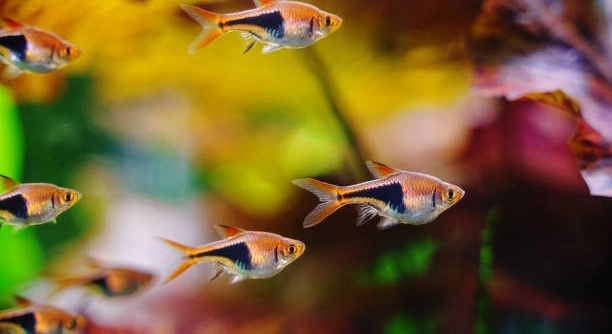
Rasboras are popular aquarium fish known for their vibrant colors and peaceful nature. Many fishkeepers enjoy breeding them to observe the fascinating life cycle and expand their aquatic community. Recognizing when rasboras are ready to breed is important for successful care.
Seven key indicators reveal rasbora breeding readiness: changes in coloration, increased activity, development of breeding tubercles, pairing behavior, egg-laying site preparation, changes in diet preference, and specific water parameter adjustments. These signs collectively indicate optimal breeding conditions.
Knowing these indicators helps ensure a smooth breeding process and healthy offspring. This guide will explain what to look for to support your rasboras’ reproductive success.
Changes in Coloration
Rasboras often show a noticeable change in their color when they are ready to breed. Males tend to become more vibrant, with brighter and deeper hues, especially on their fins and bodies. This color boost is a natural way to attract females and signal readiness. Females may also appear fuller and slightly paler as their eggs develop inside. These color changes are subtle but clear enough to spot with regular observation. Watching your fish daily helps you notice when these shifts begin, which usually happens a few days before spawning. It’s important to maintain clean water and a stable environment during this time, as stress can delay or prevent breeding.
Color changes are a reliable visual sign indicating that rasboras are entering their breeding phase.
Monitoring these shifts allows you to prepare the tank for spawning and optimize conditions for the fish to breed successfully.
Increased Activity
Rasboras show more active behavior when they are ready to breed. They swim energetically around the tank, often chasing or nudging one another gently. Males may follow females closely and display more frequent fin flaring or body posturing. This increased movement is part of their courtship behavior, helping to stimulate females to release eggs. You might notice pairs spending more time near plants or decorations where they plan to lay eggs. This behavior is different from their usual calm swimming and indicates that they are preparing for reproduction. Providing plenty of hiding spots and plants encourages this natural behavior and helps reduce stress during this active phase. It’s important to avoid sudden changes in the tank that might disrupt their activity or scare them off.
Recognizing this activity can help you time feeding and water changes better to support breeding.
Preparing the tank environment to match their increased movement encourages successful spawning and healthy offspring development.
Development of Breeding Tubercles
Breeding tubercles are small, white bumps that appear on male rasboras during breeding readiness. These bumps typically form on the head and fins and are easy to notice with close observation. Their presence signals that males are preparing for spawning.
These tubercles help males stimulate females during courtship by gently rubbing against them. The bumps also serve as a sign of sexual maturity and health. Not all males develop tubercles, but when they do, it is a strong indicator that breeding is imminent. Their appearance usually coincides with other breeding signs, such as color changes and increased activity. Keeping the water clean and stable supports tubercle development and overall fish health. Observing these small bumps is a helpful way to confirm your rasboras’ readiness for breeding.
Knowing when males have tubercles allows you to time your breeding efforts effectively. It also helps in identifying which males are most likely to successfully spawn.
Pairing Behavior
Rasboras form temporary pairs during breeding, often swimming closely together and mirroring each other’s movements. This behavior shows that a male and female have bonded for spawning. Pairs will often separate after eggs are laid but will reunite during the breeding period. Pairing helps ensure successful fertilization and increases the chances of healthy fry. Watching for these pairs gives clear clues about when to prepare the tank for egg-laying. During this time, it’s helpful to reduce stress by limiting tank disturbances and offering appropriate spawning sites, such as fine-leaved plants or spawning mops.
Pairing behavior strengthens the breeding process and improves egg survival. It’s a natural part of the reproductive cycle that you can easily observe in your tank.
Providing a calm, safe environment encourages this bonding and supports the overall health of both parents and offspring.
Egg-Laying Site Preparation
Rasboras begin to prepare specific spots in the tank for egg laying. They often choose fine-leaved plants or secluded corners to deposit their eggs safely. These areas are carefully selected to protect the eggs from predators and water currents.
This preparation shows that the fish are not just ready to breed but actively planning the next step. Providing plenty of plants or spawning mops encourages this natural behavior and increases the chances of successful breeding.
Changes in Diet Preference
As breeding approaches, rasboras often show changes in their eating habits. They may prefer more protein-rich foods like live or frozen brine shrimp and daphnia. This shift helps support energy needs during the breeding process.
Offering varied, high-quality foods boosts their health and readiness to spawn. Adjusting feeding routines according to their changing diet preferences ensures they receive proper nutrition for breeding success.
Specific Water Parameter Adjustments
Breeding rasboras usually require subtle changes in water conditions. Lowering the temperature slightly and softening the water can trigger spawning behavior. pH adjustments toward mildly acidic levels often help create an ideal environment.
Maintaining stable water parameters during this time is crucial. Sudden changes can stress the fish and interrupt breeding. Monitoring and adjusting water quality carefully supports both adult rasboras and developing eggs.
Observing All Indicators
Watching for all these signs together provides the best indication of breeding readiness. It’s important to consider color, behavior, diet, and water conditions to confirm that your rasboras are prepared to reproduce.
FAQ
How can I tell if my rasboras are ready to breed?
Look for a combination of signs: males showing brighter colors and breeding tubercles, increased activity and pairing behavior, females appearing fuller, and preparation of spawning sites. Changes in diet and water conditions also signal readiness. Observing these together gives a clear picture of breeding readiness.
What are breeding tubercles, and why are they important?
Breeding tubercles are tiny white bumps that appear on male rasboras’ heads and fins during breeding readiness. They help stimulate females and indicate that males are mature and healthy. Their presence is a strong sign that your rasboras are prepared to spawn.
Why do rasboras change their color before breeding?
Color changes in males make them more attractive to females, signaling good health and readiness. Females might look paler or fuller as they develop eggs. These visual changes improve the chances of successful mating and help you identify when breeding is about to happen.
What should I provide in the tank to encourage breeding?
Offer plenty of fine-leaved plants or spawning mops where rasboras can safely lay eggs. Maintain stable water conditions with slightly softened water and a mildly acidic pH. Provide varied, protein-rich foods to support their energy needs during breeding.
How important is water quality for breeding rasboras?
Water quality is crucial. Stable temperature, clean water, and appropriate pH help reduce stress and encourage spawning. Sudden changes can cause breeding delays or prevent it entirely. Regular testing and gentle adjustments create an ideal environment.
Do all male rasboras develop breeding tubercles?
Not always. While many males develop tubercles during breeding readiness, some might not show them clearly. Their absence doesn’t always mean the male isn’t ready, but seeing them is a helpful indicator.
How long does the breeding process take?
From the first signs of readiness to egg-laying, the process can take several days. Eggs usually hatch within 24 to 48 hours, and fry become free-swimming in about a week. Patience is key during this time.
Can I breed rasboras in a community tank?
It’s possible but not ideal. Other fish may eat eggs or fry, and stress can interfere with breeding behavior. A separate breeding tank with controlled conditions often leads to better success.
What do I feed rasbora fry?
Fry start with microscopic foods like infusoria or commercially available liquid fry food. After a few days, you can introduce newly hatched brine shrimp and finely crushed flakes. Providing proper nutrition early helps fry grow strong and healthy.
How do I care for the adult rasboras after breeding?
After spawning, keep the adults well-fed with high-quality foods and maintain clean water. Remove any uneaten food to prevent water quality issues. If you want to breed again, give the fish time to recover before encouraging another breeding cycle.
Final thoughts on rasbora breeding readiness center on careful observation and preparation. Noticing subtle changes in your fish’s appearance and behavior helps you know when they are ready to breed. From color shifts to the development of breeding tubercles, these indicators provide useful clues. It is important to watch for several signs together rather than relying on just one. This approach ensures that your rasboras are truly prepared for successful spawning, reducing stress on the fish and improving the chances of healthy offspring.
Providing the right environment plays a key role in breeding success. This includes maintaining stable water conditions with suitable temperature and pH levels, offering plenty of fine-leaved plants or spawning mops, and adjusting feeding to meet their nutritional needs. Clean water and minimal disturbances during the breeding phase support natural behavior and egg development. Making these simple adjustments helps create a safe space where your rasboras feel comfortable to reproduce. Paying close attention to their changing needs during this time is an essential part of responsible fishkeeping.
Breeding rasboras can be a rewarding experience when approached with patience and care. Understanding the signs of readiness and preparing the tank properly allows you to support your fish throughout the process. It is also important to plan for fry care after the eggs hatch to ensure the next generation thrives. By combining observation with good husbandry practices, you can successfully breed rasboras while maintaining a healthy aquarium. These final thoughts highlight the importance of balance and attentiveness in caring for your fish during breeding.

Hello,
If you enjoy the content that we create, please consider saying a "Thank You!" by leaving a tip.
Every little bit helps us continue crafting quality advice that supports the health, happiness, and well-being of pets around the world, for pets of all shapes, sizes, and species.
We really appreciate the kindness and support that you show us!