
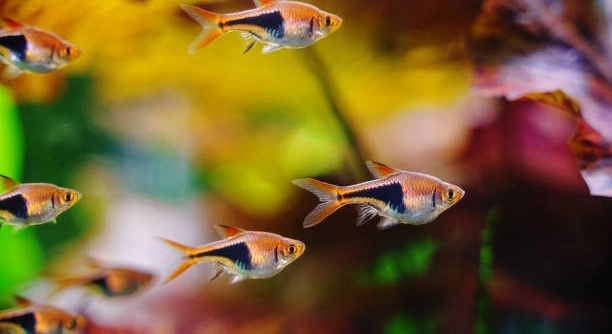
Are your rasboras darting around the tank or staying completely still, making you wonder what’s going on with their mood?
Rasboras express their mood through subtle body movements such as fin position, body color, swimming patterns, and schooling behavior. These physical cues allow aquarists to assess stress levels, comfort, and social dynamics within the aquarium.
From color shifts to unexpected flicks, each gesture has meaning that can help you create a more peaceful and healthy tank environment.
Subtle Fin Flicks and What They Mean
Fin flicking in rasboras often signals discomfort or irritation. You might notice your fish rapidly flicking their fins while swimming or staying still. This movement can indicate minor stress from sudden water changes, poor water quality, or an overactive tank mate. If the flicking is frequent and persistent, check your tank parameters and observe any changes in the fish’s environment. Sometimes, flicks may also reflect an early sign of illness or external irritation, like parasites. When caught early, these signals allow you to make quick adjustments and avoid more serious issues later. Always ensure the water is clean, stable, and properly filtered. Sudden lighting changes or loud noises near the tank can also trigger this movement. Pay attention to the context—if the behavior happens consistently in certain situations, your rasboras may be telling you something important about their stress levels.
Brief, occasional flicking is normal and nothing to worry about.
If the flicks become more frequent, it’s worth reviewing your tank conditions. Temperature shifts, pH imbalance, or an aggressive fish might be affecting your rasbora’s comfort.
Color Changes as Mood Indicators
Rapid shifts in coloration, especially fading or dull tones, often point to stress in rasboras.
Color is a strong visual cue in rasboras. When relaxed and healthy, they show vibrant, even tones. But when stressed, they may fade, lose their sparkle, or develop blotchy patterns. These changes can occur after water changes, tank moves, or disruptions in their social group. Watch closely if a fish appears paler than usual—it could mean poor water quality, bullying, or illness. Similarly, brightening during feeding or after lights turn on may simply reflect excitement or comfort. If color fades consistently or the fish isolates itself, that could signal something more serious. Check ammonia and nitrate levels, reduce loud external sounds, and make sure the fish has places to hide. A return to normal color is usually a good sign your rasbora is feeling safe again. By keeping a close eye on color shifts, you can catch issues early and help your fish feel secure.
Erratic Swimming Patterns
Sudden, erratic swimming often signals stress or discomfort in rasboras. You might notice them darting across the tank or swimming in tight circles. These behaviors can result from fear, poor water conditions, or changes in their surroundings.
Erratic swimming is different from playful movement. It usually looks rushed or repetitive, like the rasbora is trying to escape something. Loud noises, aggressive tank mates, or sudden changes in lighting can cause this. Sometimes it’s tied to poor water quality, especially if ammonia or nitrate levels are off. If your rasbora starts swimming unpredictably, check for other signs like rapid breathing or faded color. Reducing stressors and stabilizing the environment often helps bring behavior back to normal. Avoid tapping on the glass and keep the tank area calm. It’s important to address erratic swimming quickly, as ongoing stress can weaken their immune system over time.
If a rasbora’s erratic swimming is paired with gasping at the surface or rubbing against objects, it may be reacting to toxins or infection. In that case, test the water immediately and consider a partial water change. If symptoms persist, isolate the fish and observe for signs of parasites or disease. Prompt care helps prevent further distress in the group.
Schooling Disruptions
When rasboras separate from their group or scatter without regrouping, it’s often a response to discomfort or fear in the tank. Consistent schooling is their natural behavior, and changes in this pattern can signal something is off.
Healthy rasboras tend to swim together in a coordinated group. This behavior offers safety and comfort. If one or more fish break away frequently, it might mean they’re stressed or unwell. Common causes include aggressive tank mates, poor water flow, or inconsistent lighting. A rasbora feeling unwell may isolate itself, while environmental disturbances can cause the group to scatter. Monitor which fish separate and how often—it could be an early sign of health issues. Ensuring the tank is calm, with balanced lighting and no sudden movements, encourages natural schooling behavior. If disruptions continue, look for more symptoms, such as clamped fins or color fading, and adjust tank conditions to restore a sense of safety.
Clamped Fins and Stillness
When rasboras hold their fins tightly against their body, it often signals stress, discomfort, or illness. Clamped fins are not part of their normal posture and can be one of the earliest physical signs of trouble.
Stillness or hovering in place with clamped fins often goes hand in hand with fatigue or anxiety. This posture may show up after water changes, sudden temperature drops, or if the fish is being harassed by tank mates.
Quick Bursts Followed by Hiding
This behavior usually means your rasbora feels threatened. They may dart quickly, then retreat to a corner or behind plants. It’s often triggered by external movements, sudden lighting, or tank disruptions. Hiding right after shows they are not feeling safe. A calm, quiet environment usually helps reduce this response.
Rapid Gill Movement
Fast gill movement is usually a sign of poor oxygen levels or water irritation. It can also be caused by toxins, high temperature, or disease. If rasboras are breathing heavily at the surface or staying near filters, it’s time to check water quality and improve tank aeration.
FAQ
Why is my rasbora shaking or trembling?
Trembling can be a stress reaction or a symptom of illness. If your rasbora trembles while hovering or staying still, it might be reacting to poor water conditions, temperature swings, or bullying. Test for ammonia, nitrite, and nitrate levels, and observe interactions with other fish. If the trembling is frequent or accompanied by clamped fins, loss of color, or erratic movement, it may be an early sign of infection or parasites. Consider isolating the affected fish and watching closely for further symptoms. Prompt tank maintenance can often stop the behavior before it worsens.
What does it mean when rasboras stay near the surface?
Rasboras gathering near the surface may be trying to access more oxygen. Poor water circulation, high temperature, or low oxygen levels can all drive this behavior. Surface-hugging may also occur when there’s a sudden chemical imbalance in the water. If this happens, check your water parameters and make sure your filtration system is working properly. Adding an air stone or increasing water movement often helps. However, if the behavior persists, rule out possible toxins or gill-related infections. Acting quickly helps prevent more serious health problems from developing in the group.
Why is my rasbora hiding all the time?
Frequent hiding may signal that your rasbora feels unsafe or overwhelmed. New tank setups, sudden movements outside the tank, or bright lighting can cause a fish to seek cover constantly. If this is a new behavior, observe for bullying or overcrowding. Also, check for strong currents that might be forcing the fish to retreat. Make sure your rasboras have enough space, gentle water flow, and shaded areas in the tank. Once the tank feels more secure and stable, they’ll likely begin swimming more confidently again.
Can lighting affect rasbora behavior?
Yes, lighting changes can directly impact their comfort and behavior. Sudden shifts from dark to bright light can startle rasboras and lead to stress responses like darting or hiding. Very intense lighting without shade can also make them feel exposed. Use consistent lighting cycles and add plants or decorations to create shaded spots. Gradual transitions using dimmers or timers are ideal for avoiding sudden changes. A calm, stable environment helps keep rasboras relaxed and more active during the day.
Why do my rasboras sometimes chase each other?
Chasing can be part of natural social interaction or mild dominance play, especially if no one appears hurt. However, constant chasing may mean space is too limited or the group is too small. Rasboras feel more balanced in schools of at least six to eight. Too few companions can increase tension. Adding more rasboras, improving hiding spots, or checking for bullying from other species may reduce stress and create a better schooling dynamic.
How can I tell if my rasbora is sick or just stressed?
Stress and sickness often look similar, but duration and context matter. If your rasbora is stressed, it may act odd for a short time after a water change or scare. But if odd behavior continues—such as loss of appetite, changes in body shape, or consistent isolation—this could indicate illness. Look for spots, swelling, or unusual swimming. Address water quality first. If conditions are fine and symptoms persist, isolate the fish for closer observation and consider a general treatment or consultation with an aquatic specialist.
Do rasboras show happiness or comfort through body language?
Yes, healthy rasboras swim smoothly in groups with relaxed fins and bright coloration. They feed actively and explore their surroundings without signs of fear or tension. Smooth gliding motion, active schooling, and responsive feeding are strong indicators your fish are content. When something feels off, rasboras show it quickly through posture or swimming patterns. Watching their natural rhythm each day helps you spot small changes early and maintain a balanced, healthy tank.
Final Thoughts
Rasboras may be small, but their movements can say a lot about how they feel. From the way they swim to how they hold their fins, each action reflects a part of their mood or comfort. Understanding these signals can help you create a better environment for them. Many of these behaviors are early warnings that something isn’t right. If caught early, simple changes to lighting, water quality, or tank layout can often fix the issue before it becomes serious. Paying attention to their body language is one of the easiest and most effective ways to care for them properly.
Creating a calm and balanced tank is key to keeping rasboras healthy and active. They need a quiet space, stable water conditions, and enough room to school without feeling crowded. Hiding places, gentle currents, and proper lighting all help reduce stress. When your rasboras feel safe, they will display smooth swimming, bright colors, and group movement. These are all signs that they’re doing well. If something changes in their behavior, it’s often a sign that they’re responding to something new in their environment. Watching them closely helps you stay ahead of potential problems and protect their health.
Even experienced fish keepers can sometimes miss the early signs of stress or discomfort. That’s why it’s helpful to check in on your rasboras’ behavior every day. Notice how they move, how they group together, and how they respond to changes. Most of their signals are quiet, but they’re still clear if you know what to look for. Learning how to read these small changes doesn’t take much time and can make a big difference. It’s not just about solving problems—it’s about making sure your fish are living in a tank that feels natural, calm, and safe. A healthy rasbora tank isn’t just peaceful to watch—it’s also a sign of good care and close attention.

Hello,
If you enjoy the content that we create, please consider saying a "Thank You!" by leaving a tip.
Every little bit helps us continue crafting quality advice that supports the health, happiness, and well-being of pets around the world, for pets of all shapes, sizes, and species.
We really appreciate the kindness and support that you show us!