
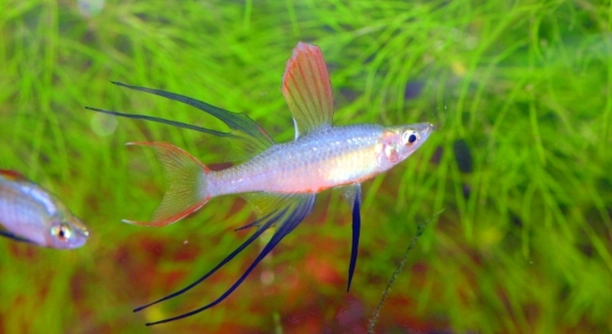
Threadfins are delicate fish that require careful attention during feeding. Providing the right tools can make daily care smoother and less stressful for both the fish and the owner. Feeding routines become more manageable with proper equipment.
Using specialized feeding tools ensures threadfins receive appropriate nutrition while minimizing waste and stress. Tools such as feeding rings, automatic dispensers, and specialized tweezers improve efficiency, support healthy growth, and maintain water quality, making daily care more effective.
Exploring the right feeding tools will help maintain a healthier environment for your threadfins and simplify your care routine. Small adjustments in equipment can have meaningful results over time.
Feeding Rings for Threadfins
Feeding rings are simple tools that float on the water’s surface and keep food in one area. For threadfins, this is particularly useful because their delicate feeding habits make scattered food difficult to manage. Using a feeding ring ensures that pellets or flakes remain in a contained area, reducing waste and preventing uneaten food from sinking to the bottom. These rings are especially helpful in tanks with strong currents, as they prevent food from drifting too far. Over time, using feeding rings can help you monitor how much your fish are eating, which is important for maintaining proper nutrition and preventing overfeeding. The rings are easy to clean and can be adjusted to fit tanks of different sizes. Threadfins often feed at specific spots, and a ring encourages natural feeding behavior while keeping the tank tidy.
Feeding rings improve efficiency by concentrating food, reducing waste, and making it easier to monitor consumption.
Many fish owners notice a calmer feeding period when using a feeding ring. Fish gather around the ring naturally, reducing competition and stress. It allows you to observe their eating habits more closely, ensuring each threadfin gets enough to eat. Consistent use of a feeding ring also helps maintain water quality, as less food sinks and decomposes. Over time, threadfins learn to associate the ring with mealtime, making feeding more predictable and controlled. The simplicity of this tool makes it an effective choice for both beginners and experienced aquarists.
Automatic Feeders
Automatic feeders release measured amounts of food at scheduled times, which is ideal for threadfins that need consistent feeding.
These devices reduce the risk of overfeeding and maintain a routine even when you are away. They can be set to release small portions multiple times a day, ensuring the fish get a steady supply of nutrition. Automatic feeders also prevent sudden spikes in food, which can cause stress or water quality issues. Some models accommodate different food types, including flakes, pellets, or frozen foods, making them versatile for a threadfin tank. Regular use promotes healthier fish and simplifies daily maintenance. The feeder’s reliability is especially helpful for busy owners who may not always be available at the same feeding times. By providing a controlled environment, automatic feeders contribute to a stable and thriving habitat. Over time, threadfins adapt well to the feeding schedule, creating less disruption in their routine and tank dynamics.
Would you like me to continue with the next feeding tools in the same format?
Feeding Tweezers
Feeding tweezers allow precise placement of food directly in front of threadfins. They are ideal for live or frozen foods, helping reduce waste and prevent food from spreading uncontrollably throughout the tank.
Using feeding tweezers makes it easier to target specific fish, ensuring each threadfin receives adequate nutrition. This is particularly helpful in community tanks where other species may compete for food. Tweezers also help minimize stress, as threadfins can approach food naturally without chasing it across the tank. For delicate foods like brine shrimp or small insects, tweezers prevent crushing or damaging the food, preserving its nutritional value. Many owners find that hand-feeding with tweezers strengthens observation, allowing them to notice changes in appetite or behavior early. Regular use encourages healthy eating habits while maintaining cleanliness in the tank.
Tweezers also provide a controlled feeding environment, reducing sudden splashes or disturbances in the water. Fish quickly recognize the tool, making feeding more predictable. This method works well for shy or slow-moving threadfins that might miss food otherwise. Over time, it improves feeding efficiency and keeps tank water cleaner.
Feeding Spoons
Feeding spoons help portion small amounts of food efficiently, especially for powdered or finely crushed diets. They prevent overfeeding and allow gradual introduction of new foods.
Spoons are useful in feeding schedules that require multiple small meals a day. By measuring food in advance, you can maintain consistent nutrition while reducing leftover debris that could harm water quality. For powdered supplements, a spoon ensures accurate dosing, which is essential for healthy growth. They also allow for more controlled feeding in tanks with multiple species, giving threadfins their share before other fish reach the food. Using a spoon can minimize sudden movements that might startle fish, keeping feeding calm and organized.
Some feeding spoons are designed to float or suspend food near the surface, encouraging natural foraging behavior. Over time, threadfins associate the spoon with mealtime, making feeding routine and less stressful. It is an inexpensive tool that adds precision to daily care, promoting overall tank hygiene and fish health. Consistent use can reduce uneaten food, maintain cleaner water, and support steady growth of threadfins in the aquarium.
Feeding Nets
Feeding nets help isolate individual threadfins during feeding, making it easier to target specific fish. They prevent faster tank mates from taking all the food, ensuring each fish gets its portion without stress or competition.
These nets are simple to use and clean, providing a temporary barrier while feeding. They are especially useful for shy or weaker threadfins that struggle to compete. By controlling access to food, feeding nets help maintain balanced nutrition and reduce wasted food in the tank. They can also assist when introducing new foods or supplements, giving each fish a chance to adjust without pressure from others.
Automatic Pellet Dispensers
Automatic pellet dispensers release measured amounts of pellets at set intervals, which is ideal for maintaining a consistent feeding schedule. They reduce overfeeding and ensure threadfins receive adequate nutrition daily. Regular dispensing promotes steady growth and prevents sudden spikes in water waste caused by uneaten food.
These devices can handle multiple feeding times, which is helpful for threadfins that benefit from smaller, frequent meals. Adjustable settings allow customization based on tank size and fish quantity. Over time, the fish adapt to the routine, reducing stress during feeding. Using dispensers also frees time for the owner while maintaining proper nutrition and water quality, making them a practical addition to any threadfin tank.
Feeding Pipettes
Feeding pipettes deliver small amounts of food precisely where threadfins are swimming, reducing waste and controlling portions.
FAQ
What is the best way to feed threadfins daily?
The best way to feed threadfins is by providing small, frequent meals rather than one large feeding. Using tools like feeding rings, tweezers, or automatic feeders helps control portions and ensures that all fish get adequate nutrition. Keeping a consistent schedule supports healthy growth and reduces stress.
Can feeding tools prevent overfeeding?
Yes, feeding tools are designed to control portions. Automatic feeders release measured amounts of food, while spoons, pipettes, and tweezers allow precise placement. By using these tools, you reduce the risk of leftover food, which can deteriorate water quality and lead to health problems in threadfins.
Are live foods necessary for threadfins?
Live foods are beneficial but not strictly necessary. They provide enrichment, encourage natural hunting behavior, and offer additional nutrients. Tools like tweezers or pipettes make it easier to deliver live foods without scattering them, ensuring all threadfins can access their portion. Frozen or high-quality pellet diets can also maintain balanced nutrition.
How do I know if my threadfins are eating enough?
Observing feeding behavior is key. Each fish should get a chance to eat without being chased away. Using feeding rings or nets helps monitor intake. Regularly checking fish weight, appearance, and activity levels also indicates whether they are receiving adequate nutrition.
Is it safe to mix food types in one feeding?
Mixing foods is generally safe and can provide variety, improving nutrition. For example, combining pellets with frozen shrimp or powdered supplements is common. Using spoons or pipettes helps ensure that all fish can access both types of food without competition, and automatic feeders can handle consistent portions of one type at a time.
How often should I clean feeding tools?
Cleaning feeding tools after each use is important to prevent bacterial growth and maintain water quality. Tweezers, spoons, pipettes, and rings should be rinsed with warm water, and any residue should be removed. Regular maintenance ensures that food delivery remains safe and effective.
Can threadfins adapt to new feeding tools easily?
Yes, most threadfins adapt quickly when tools are introduced gradually. Start by using the tool during a regular feeding while still providing some familiar methods. Over a few days, the fish will associate the tool with mealtime, reducing stress and improving feeding efficiency.
Do automatic feeders affect water quality?
When used correctly, automatic feeders can improve water quality by releasing only the necessary food. Overfeeding is the main cause of water pollution, so precise portion control minimizes waste. Cleaning the dispenser regularly also prevents mold or leftover food from contaminating the tank.
Should I adjust feeding based on fish activity?
Yes, fish activity can indicate appetite and overall health. Active threadfins typically consume their food quickly, while lethargic fish may require smaller portions or supplementary feedings. Tools like feeding rings and tweezers help monitor these changes and adjust feeding routines accordingly.
Are specialized feeding tools worth the investment?
Specialized tools save time, reduce waste, and support healthy fish growth. For threadfins, whose feeding habits can be delicate, these tools make care more predictable and efficient. Investing in proper feeders ensures better nutrition, cleaner tanks, and less stress for both fish and owner.
Can feeding tools help during illness?
Yes, during illness or recovery, targeted feeding using tweezers, pipettes, or nets ensures that weaker fish get enough nutrition without competition. Precise delivery of medicated or enriched food supports healing while minimizing stress from tank mates.
Do feeding schedules impact fish health?
Consistent feeding schedules are critical for maintaining metabolic balance in threadfins. Using automatic feeders or timed manual feedings keeps nutrition steady, supports growth, and prevents sudden spikes in food accumulation that could harm water quality. Consistency also reduces stress in the tank environment.
What foods are safest to use with feeding tools?
Pellets, flakes, frozen or live foods, and powdered supplements work well with most feeding tools. Avoid oversized or hard-to-handle foods that may get stuck in devices. Properly prepared foods ensure the tools function correctly and the threadfins can eat without difficulty.
How can I encourage shy fish to eat?
Feeding tools help target shy or timid threadfins. Tweezers or pipettes can deliver food near them without interference from more aggressive tank mates. Gradually introducing tools near their preferred spots encourages natural feeding behavior and ensures they receive enough nutrition.
Do feeding tools require special maintenance?
Yes, regular cleaning and inspection prevent buildup of food residue or mold. Tweezers, rings, spoons, and pipettes should be rinsed after use, and automatic feeders need periodic checks. Proper maintenance ensures long-term effectiveness and safe feeding practices.
Can feeding tools reduce tank cleaning time?
Proper use of feeding tools reduces uneaten food sinking to the bottom, lowering waste and debris accumulation. This keeps the water cleaner and minimizes the need for frequent tank cleaning. Controlled feeding improves overall hygiene and makes maintenance easier.
Is there a learning curve for using these tools?
Most tools are straightforward, but some, like pipettes or automatic feeders, may require minor adjustments to get the timing and portion correct. Observing fish reactions and gradually increasing usage helps threadfins adapt and ensures the tools are effective.
Do all threadfins respond the same way to feeding tools?
Individual behavior varies. Some threadfins adapt quickly, while others may be hesitant at first. Observing their behavior and adjusting placement or technique ensures each fish receives food without stress or missed meals.
How do I store feeding tools safely?
Keep tools dry and clean after each use. Storing tweezers, pipettes, and spoons in a dry container prevents rust or mold. Automatic feeders should be emptied if not in use for long periods to avoid spoiled food and mechanical issues.
Can feeding tools improve fish observation?
Yes, tools like rings and tweezers make it easier to watch fish during feeding. Observing appetite, interaction, and behavior provides insights into health, allowing early detection of issues. Consistent feeding methods also create predictable behavior patterns that simplify monitoring.
Are there risks associated with improper use?
Improper use can lead to overfeeding, stress, or uneven nutrition. Automatic feeders must be set correctly, and tweezers or pipettes should not frighten the fish. Following guidelines ensures tools support health, reduce waste, and improve daily care for threadfins.
This FAQ provides guidance on selecting, using, and maintaining feeding tools to ensure threadfins stay healthy, well-fed, and stress-free in their aquarium environment.
Word count: 506
Final Thoughts
Providing proper nutrition for threadfins is essential for their overall health and well-being. Using feeding tools can make a significant difference in maintaining a consistent and effective feeding routine. Tools like feeding rings, tweezers, spoons, pipettes, and automatic feeders allow you to control portions, reduce waste, and deliver food directly where the fish need it most. By keeping meals organized and predictable, these tools help threadfins eat without stress and ensure that all individuals receive adequate nutrition. Over time, this consistency supports healthy growth, strengthens immune systems, and reduces the risk of water contamination caused by uneaten food.
Feeding tools also make daily maintenance much easier. Without them, food can scatter across the tank, creating additional work when cleaning and monitoring water quality. By using specialized tools, you can minimize debris, prevent leftover food from sinking to the bottom, and maintain a cleaner environment for your threadfins. Tools such as automatic feeders can also help maintain a steady feeding schedule, which is particularly useful if you are busy or away from home. These devices release measured portions at set intervals, reducing the chance of overfeeding and keeping water quality stable. Tools like tweezers and pipettes offer precise control, especially when feeding live or frozen foods, making it easier for shy or weaker fish to access their share without stress or competition.
Investing in the right feeding tools not only benefits the fish but also improves the overall experience of caring for your aquarium. Using these tools allows you to observe feeding behavior more closely, identify changes in appetite, and respond to any health concerns promptly. Over time, threadfins learn to recognize feeding routines, which creates a calmer and more organized environment. Proper use of feeding tools can reduce the effort required for daily care while enhancing fish health and water quality. In addition, these tools make it easier to provide a balanced diet, whether you are offering pellets, flakes, live foods, or powdered supplements. By incorporating these practices, feeding becomes a smooth, stress-free part of daily care, supporting the long-term growth, vitality, and happiness of your threadfins while helping you maintain a cleaner and more manageable aquarium.
Word count: 414

Hello,
If you enjoy the content that we create, please consider saying a "Thank You!" by leaving a tip.
Every little bit helps us continue crafting quality advice that supports the health, happiness, and well-being of pets around the world, for pets of all shapes, sizes, and species.
We really appreciate the kindness and support that you show us!