
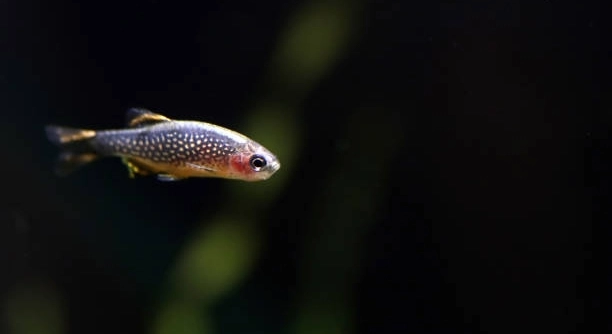
Are your danios swimming in a small group and not quite as lively as you expected? Many aquarists underestimate the importance of a properly sized school for these social fish. Observing their behavior can reveal subtle hints.
Danios require a larger school to exhibit natural behaviors and reduce stress. Insufficient numbers can lead to aggression, lethargy, and stunted swimming patterns. Maintaining an appropriately sized group ensures their social structure and overall well-being are preserved.
Recognizing the signs of a too-small school can greatly improve your fish’s daily activity and health in the aquarium. Understanding these indicators allows for adjustments that support happier, more energetic danios.
Danios Hiding or Staying at the Bottom
When danios are kept in too small a group, they often hide or linger at the bottom of the tank. These fish naturally swim in mid to upper levels, weaving through plants and decorations. If they stick to the corners or remain near the substrate, it can signal discomfort or stress. Observing them closely during feeding times can reveal whether they interact with one another or keep to themselves. Stress can also make them appear dull in color, lacking the bright stripes and shimmering scales that healthy danios usually display. The absence of group activity disrupts their natural schooling behavior, and without companions, they may hesitate to explore the tank. Environmental enrichment, such as plants, rocks, or open swimming space, helps, but it cannot fully replace the social interaction they require. Adding more danios gradually allows them to form a more natural hierarchy and encourages movement throughout the aquarium, promoting both mental and physical health.
Hiding at the bottom consistently is a clear sign that the school may be too small. They need peers to feel secure.
A small group prevents danios from demonstrating their typical energetic swimming and playful chasing. Without a proper school, they lose confidence, often stopping feeding or interacting. Watching a fully sized school, you notice constant movement, synchronized turns, and a general liveliness absent in smaller groups. Increasing the number of danios restores these behaviors, improves coloration, and reduces aggression. Maintaining a suitable group size is essential for their social structure and mental stimulation, ultimately leading to a healthier, more balanced aquarium environment.
Increased Aggression Between Tank Mates
Aggression can rise when there are too few danios in the tank. The limited social interaction may cause them to nip at each other or at other species.
In a small school, the lack of proper social cues leads to tension. Danios naturally establish a hierarchy in larger groups, but in tiny schools, dominance struggles become more pronounced. You might see chasing, tail nipping, or one fish repeatedly isolating another. This behavior is stressful and can result in injuries, making them more susceptible to illness. Observing patterns of aggression can indicate that adding more danios is necessary. Increasing the school size dilutes tension, distributes social interactions, and creates a more peaceful environment. Proper tank setup also helps; providing hiding spots and open swimming space allows subordinate fish to retreat safely. Over time, a well-sized group encourages balanced social behavior, reduces visible aggression, and ensures every danio can swim confidently while interacting naturally with its peers. A larger school is essential to maintain harmony, improve coloration, and promote long-term health for all fish in the aquarium.
Loss of Color Intensity
Danios often lose their bright colors when kept in too small a group. Faded stripes and dull scales are signs of stress and lack of social stimulation, which are essential for their natural vibrancy.
Reduced color in danios occurs because social interaction triggers hormonal responses that maintain their vivid appearance. In a tiny school, fish may feel insecure or stressed, which suppresses these natural responses. Over time, their colors become muted, making them look unhealthy. A larger group encourages normal behavior, including chasing and darting, which enhances circulation and boosts coloration. Healthy, active fish are brighter and more visually appealing.
Adding more danios restores their natural social dynamics, which directly affects their appearance. Proper schooling reduces stress and stimulates natural activity patterns. Active swimming and synchronized movement promote better blood flow, enhancing color intensity. Fish in a larger group display brighter stripes and shimmer more consistently. Their interaction with companions helps reinforce confidence and reduces hiding, which also contributes to visible health improvements. Maintaining the correct group size ensures that coloration is preserved naturally, without relying on artificial supplements or interventions.
Frequent Isolation
Danios will often isolate themselves when there are too few in the tank. A single fish may swim alone, avoiding interaction with tank mates and ignoring feeding times.
Isolation happens because danios are highly social and rely on a group for security. In small numbers, they can become timid, hiding behind decorations or clinging to corners of the tank. This behavior is not only stressful but can impact their feeding and overall health. Larger schools provide social reassurance, encouraging active swimming and exploration, which reduces isolation. Observing consistent solitary behavior indicates the need to increase the school size to restore natural interaction patterns.
A small school limits natural group dynamics, leading to repeated isolation and inactivity. Fish that stay apart from the group are more prone to stress-related illnesses and reduced growth. Expanding the number of danios encourages collective movement, synchronized turns, and playful chasing that strengthen social bonds. This interaction also helps maintain mental stimulation and reinforces confidence. Proper schooling reduces fear and supports healthier feeding habits, ensuring fish engage fully with their environment. Maintaining the right number of danios prevents prolonged isolation and fosters a balanced, active aquarium.
Restless Swimming Patterns
Danios in too small a group often swim erratically. They dart from one side of the tank to another without purpose, showing signs of stress and insecurity.
Erratic swimming occurs because they lack companions to synchronize movement with. A proper school provides social cues, helping fish swim calmly and confidently. Without enough peers, they may appear jittery or overly active, which can lead to exhaustion or injury over time.
Loss of Appetite
Small groups can cause danios to eat less. Without the social encouragement of peers, some fish may ignore food or compete inefficiently, impacting their growth and health.
Frequent Hiding
Danios kept in too small a school often hide behind plants or tank decorations. This behavior signals stress and a lack of confidence in their environment.
How many danios should I keep together?
The ideal number of danios in a tank is generally six or more. These fish are naturally social and rely on group interaction to feel secure. Smaller numbers can lead to stress, aggression, and unusual behaviors. A group of six or more allows them to swim naturally, display typical schooling behavior, and maintain proper social hierarchy. It also reduces the risk of boredom and helps them stay active, healthy, and colorful. Gradually adding fish is recommended to avoid sudden changes in water chemistry or social imbalance. Observing interactions helps determine if more are needed.
Can danios live alone?
Danios can survive alone, but it is not ideal. They may live for a while, but loneliness often causes stress, hiding, and reduced activity. Without a school, they may lose color, refuse food, or develop erratic swimming patterns. A solitary danio lacks stimulation and social cues, which are critical for mental and physical health. Keeping them in a small group prevents these issues, ensuring they remain active, confident, and display natural behaviors.
Why are my danios hiding so much?
Hiding is often a sign of stress due to a too-small school. Danios feel vulnerable when there aren’t enough companions to provide security. They retreat to plants, rocks, or tank corners, avoiding interaction or food. Stress from isolation can suppress natural activity and reduce overall health. Adding more danios helps them feel safe, encouraging exploration, social interaction, and normal feeding behavior.
What are signs of aggression in a small school?
In a small school, danios may chase or nip at each other or other tank mates. Aggression can appear as repeated chasing, tail nipping, or one fish dominating a specific area. These behaviors indicate insufficient social structure and cause stress, injuries, and potential disease. Increasing the number of danios distributes social interaction, reduces competition, and encourages harmonious schooling behavior. Observing patterns over time helps determine the correct group size.
How does group size affect danio coloration?
Color intensity is directly linked to social stimulation. Danios in too small a group often appear dull because stress suppresses natural pigmentation. A proper school triggers natural activity, movement, and interaction, which enhances circulation and color expression. Active, confident fish display bright stripes and shimmering scales. Maintaining the right group size ensures their vibrant appearance is preserved naturally, without relying on supplements.
Will my danios eat better in a larger school?
Yes, social interaction encourages feeding. In small groups, timid fish may eat less or be hesitant around food. A larger school promotes competition and natural behavior, motivating all fish to feed. It also reduces stress, making feeding times more consistent and effective. Observing how they respond to food can indicate whether the school size is sufficient.
How can I safely add more danios to my tank?
Introduce new fish gradually to prevent stress and water imbalance. Quarantine new danios for at least two weeks to avoid disease transfer. Slowly acclimate them to tank temperature and water chemistry. Adding one or two at a time allows existing fish to adjust socially. Monitor interactions to ensure there is no excessive aggression. With patience, the school will stabilize, promoting healthy behavior and improved coloration for all fish.
Do tank size and environment matter when increasing school size?
Absolutely. Adding more danios requires sufficient swimming space and hiding spots. A cramped tank increases stress and aggression, negating the benefits of a larger group. Providing plants, open swimming areas, and proper filtration supports healthy social behavior and reduces conflict. Tank size and environment must match the school size to maintain balance and ensure all fish thrive.
How quickly do danios adjust to a larger school?
Adjustment varies, but most danios start showing normal schooling behavior within a few days. They gradually synchronize swimming, explore the tank confidently, and reduce hiding. Coloration improves as stress decreases. Close observation during the first week ensures any conflicts are addressed, and fish are feeding and interacting normally. Gradual introduction and adequate space speed up the adjustment process.
Can a too-large school cause problems?
Yes, overcrowding can lead to stress, poor water quality, and aggression. The tank must be large enough to accommodate all fish comfortably. Overcrowding reduces swimming space and increases competition for food and hiding spots. Maintaining a balance between school size and tank capacity ensures a healthy environment where danios can thrive and display natural behavior.
This FAQ provides a comprehensive understanding of the social needs of danios and highlights why proper school size is critical for their health, behavior, and appearance. Proper group management ensures a vibrant, active, and harmonious aquarium.
Word count: 514
Keeping danios in a properly sized school is essential for their overall health and well-being. These fish are naturally social and rely on the presence of companions to feel secure in their environment. A small group can cause stress, hiding, aggression, and even reduced feeding, all of which can impact their physical and mental health. By maintaining at least six danios together, you provide them with the opportunity to swim naturally, interact with one another, and display the behaviors that are characteristic of their species. This also helps prevent issues like dull coloration or erratic swimming, which are common when fish are isolated or in too small a group. Ensuring that your danios have enough companions can make a noticeable difference in their daily activity and overall vitality, creating a more balanced and lively aquarium environment.
In addition to group size, the tank environment plays a critical role in supporting healthy social behavior. Open swimming spaces, plants, and hiding spots all contribute to making the aquarium feel safe and stimulating for your fish. A larger school interacts with its environment more confidently, exploring different areas and establishing a natural social hierarchy. This interaction reduces stress and encourages proper feeding patterns, which are vital for growth and health. Watching a well-sized group of danios move together can be rewarding, as their synchronized swimming and playful chasing show that they are comfortable and thriving. It is also important to monitor the tank regularly and introduce new fish gradually, allowing the existing group to adjust socially and avoiding sudden disruptions that could trigger stress or aggression.
Proper management of a danio school ultimately benefits both the fish and the aquarium owner. Active, confident, and colorful fish create a visually appealing and lively tank, while also reducing the risk of health problems associated with stress and isolation. Understanding the importance of group dynamics and making adjustments when needed ensures that the fish remain happy and healthy. A larger school allows for natural social interaction, reduces hiding, improves coloration, and encourages normal behavior, all of which contribute to a thriving aquarium. By paying attention to group size, environment, and social cues, you can create a stable and engaging habitat that meets the needs of your danios and promotes their long-term well-being.
Word count: 417

Hello,
If you enjoy the content that we create, please consider saying a "Thank You!" by leaving a tip.
Every little bit helps us continue crafting quality advice that supports the health, happiness, and well-being of pets around the world, for pets of all shapes, sizes, and species.
We really appreciate the kindness and support that you show us!