
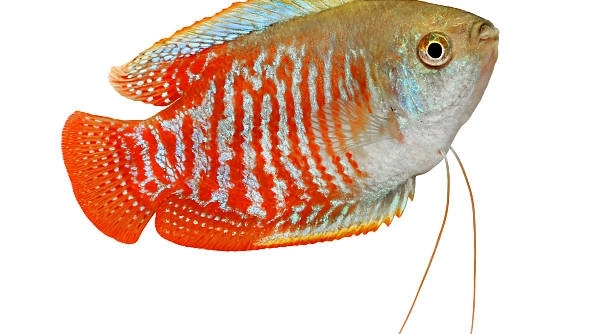
Gouramis are popular aquarium fish known for their vibrant colors and graceful movements. Observing their behavior can tell a lot about their mood and well-being. Sometimes, their actions indicate a lack of interest in their surroundings or tank mates.
Gourami movements that reflect disinterest include slow swimming, avoiding interaction, turning away, reduced fin activity, hiding, lack of response to stimuli, and minimal exploration. These behaviors suggest the fish is disengaged from its environment or social group.
Recognizing these signs can improve how you care for your gourami and help maintain a healthy, comfortable aquarium environment. Understanding their behavior leads to better fish happiness and tank harmony.
Slow Swimming and Minimal Movement
When a gourami swims slowly or stays mostly still, it often means the fish is not interested in its environment. Healthy gouramis usually explore their tank actively and interact with other fish. Slow movement can suggest boredom, stress, or discomfort. It might also indicate that the fish is conserving energy because it feels unsafe or uninterested. Observing these patterns regularly helps you understand what your fish prefers and when something might be wrong. Adjusting tank conditions or adding enrichment can encourage more activity.
This slow behavior is one of the clearest signs that a gourami is feeling disengaged.
Watching for slow swimming is important to know when your fish needs a change. Making small adjustments in the tank setup can help your gourami regain interest and stay healthy.
Avoiding Interaction and Turning Away
Gouramis that avoid other fish or turn their bodies away are showing disinterest. This behavior means they do not want to engage with their tank mates or you. It is a way to stay out of conflict or avoid unwanted attention. When gouramis turn away, they reduce eye contact and show less curiosity. This is common when the fish feels stressed or overwhelmed.
Sometimes gouramis use this movement to protect themselves or to stay calm.
If your gourami often avoids interaction, it might help to check for tank overcrowding or strong fish nearby. Providing hiding spots and a quiet environment can make your fish feel safer. Giving them space encourages confidence and may reduce disinterest. Watching how your gourami reacts to others can guide you in improving their comfort and social balance in the aquarium.
Reduced Fin Activity
When a gourami shows less fin movement, it can be a sign of disinterest or low energy. Healthy fish usually move their fins often to balance and communicate.
This slow or limited fin activity may mean the gourami is feeling tired or unmotivated. In some cases, it can result from stress, illness, or poor water quality. Reduced fin movement affects how the fish swims and interacts. It might stay in one place more than usual, showing little excitement.
To help, check the tank’s conditions, including temperature and cleanliness. Improving water quality and reducing disturbances can encourage your gourami to become more active. Offering a balanced diet and maintaining proper tank mates also supports healthier fin movements and overall fish wellbeing.
Hiding and Lack of Exploration
Gouramis that hide often are avoiding attention or stress. Staying out of sight is a common way they show disinterest in the tank environment.
When hiding becomes frequent, it suggests the fish feels unsafe or overwhelmed. This may happen if the tank is crowded or if aggressive fish are present. Lack of exploration also means the gourami is not curious about its surroundings, which can affect its health and happiness.
Creating plenty of plants and hiding spots helps gouramis feel secure. Make sure the tank environment is peaceful, with compatible tank mates and no sudden changes. This encourages your fish to explore more and reduces hiding behavior. Observing these patterns can guide you in making the aquarium more comfortable for your gourami.
Lack of Response to Stimuli
Gouramis that show little or no reaction to movement or feeding time are often disinterested. This behavior can signal low energy or stress.
Ignoring external stimuli like food or changes in light usually means the fish is disengaged. Monitoring these signs helps assess your gourami’s well-being.
Minimal Exploration
Gouramis that rarely explore their tanks tend to be bored or uncomfortable. Exploration is a natural behavior that helps keep them active and healthy.
When exploration decreases, it may result from poor water quality, lack of stimulation, or unsuitable tank conditions. Improving these factors encourages your gourami to swim around and engage more with the environment.
Turning Away
A gourami turning its back during interactions signals disinterest or avoidance. This simple movement means the fish prefers to stay disengaged.
FAQ
Why does my gourami swim slowly and seem uninterested?
Slow swimming often means the gourami is either stressed, bored, or not feeling well. This fish usually enjoys exploring its tank, so reduced movement can be a sign something is off. It might be due to water quality issues, tank mates that are too aggressive, or a lack of stimulation in the environment. Checking tank parameters and making sure the fish has enough space and hiding spots usually helps improve its activity.
What does it mean when my gourami turns away from other fish or me?
Turning away is a common sign that the gourami wants to avoid interaction. This can happen if the fish feels threatened or overwhelmed by other tank mates. It’s a way to reduce stress by cutting off eye contact or avoiding confrontation. Giving your gourami space and ensuring compatible tank mates can reduce this behavior and make the fish feel more comfortable.
Is it normal for my gourami to hide a lot?
Yes, hiding is normal behavior but too much hiding usually shows disinterest or fear. Gouramis like places to hide, but if your fish stays hidden most of the time, it could mean the environment feels unsafe or stressful. Overcrowding, aggressive tank mates, or poor water conditions can cause this. Adding plants and decorations where the gourami can retreat without feeling trapped often helps.
How can I tell if reduced fin movement means something is wrong?
Reduced fin movement can mean your gourami is tired, stressed, or sick. Healthy gouramis move their fins regularly for balance and communication. If your fish’s fins look droopy or it’s barely moving them, check water quality, temperature, and possible illnesses. Prompt action can prevent further health issues and help your fish regain energy.
Why does my gourami ignore feeding times or other stimuli?
Ignoring food or tank activity is a common sign of disinterest or low energy. This behavior may be caused by poor water conditions, illness, or stress. Sometimes the fish is just not hungry, but if it happens often, look for changes in the tank or health issues. Feeding a varied diet and maintaining clean water can improve appetite and alertness.
Can tank mates affect my gourami’s behavior?
Absolutely. Aggressive or overly active tank mates can stress a gourami, causing it to hide, swim slowly, or avoid interaction. On the other hand, peaceful and compatible fish encourage natural behavior and reduce stress. Always research the best companions for your gourami and watch how they interact to keep the tank balanced.
What can I do to make my gourami more active and interested?
Improving water quality, offering hiding spots, and adding plants or decorations can make the tank more stimulating. Feeding a healthy, varied diet also helps. Reducing stress from tank mates and avoiding sudden changes encourages your gourami to explore and interact more. Small changes often lead to big improvements in behavior.
Is disinterest always a sign of illness in gouramis?
Not always. Sometimes gouramis are simply bored or stressed and show disinterest without being sick. However, illness can cause similar behaviors, so it’s important to monitor for other signs like changes in color, appetite, or breathing. If you suspect illness, consult care guides or a vet experienced with fish.
How often should I check my gourami’s behavior?
Daily observation is best to catch early signs of stress or disinterest. Spending a few minutes watching your gourami helps you notice changes quickly. This routine allows you to adjust tank conditions or care before problems grow.
Can environmental changes affect my gourami’s mood?
Yes. Changes like water temperature, lighting, or new tank decorations can impact your gourami’s behavior. Some fish are sensitive and may show disinterest during adjustments. Introduce changes gradually to help your gourami adapt without stress.
Understanding your gourami’s behavior is important for keeping it healthy and happy. Noticing movements that show disinterest helps you identify when the fish might be stressed, bored, or uncomfortable. Slow swimming, hiding, avoiding interaction, and reduced fin activity are clear signs that your gourami is not fully engaged with its environment. Paying attention to these behaviors gives you the chance to improve the tank conditions before problems worsen. It also helps create a more peaceful and natural home for your fish.
Taking simple steps like checking water quality, ensuring the right tank mates, and providing places to hide can make a big difference. Gouramis need a clean, calm environment to feel safe. They also need enough space to explore and swim freely. Sometimes, just adding plants or decorations can encourage your fish to be more active and curious. Feeding a balanced diet is also key. A well-fed fish has more energy and shows more interest in its surroundings. These small changes often help reverse signs of disinterest and support your gourami’s wellbeing.
Remember, gouramis show disinterest for different reasons. It might be stress, boredom, or health problems. Keeping a close eye on your fish’s behavior and tank environment helps you act early. This attention makes sure your gourami stays healthy and lives comfortably. When your fish feels good, it will be more lively and engaged. Taking care of your gourami means observing, learning, and adjusting so your aquatic pet thrives in its home.

Hello,
If you enjoy the content that we create, please consider saying a "Thank You!" by leaving a tip.
Every little bit helps us continue crafting quality advice that supports the health, happiness, and well-being of pets around the world, for pets of all shapes, sizes, and species.
We really appreciate the kindness and support that you show us!