
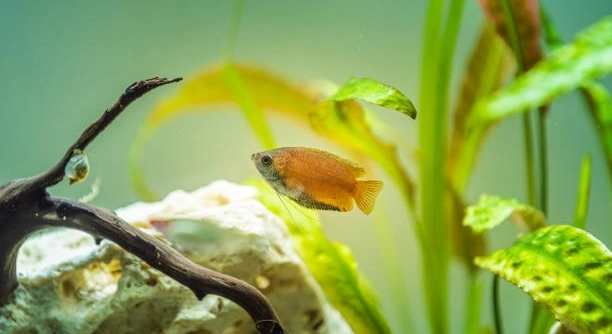
Gouramis are peaceful freshwater fish that often enjoy exploring their tank. Sometimes, they suddenly start hiding without an obvious reason. Understanding why this behavior occurs can help maintain their health and comfort in captivity.
Sudden hiding in gouramis can be caused by several factors, including stress, illness, poor water quality, changes in environment, aggression from tank mates, inadequate hiding spots, or changes in feeding routines. Identifying the cause is essential for timely intervention.
Recognizing the reasons behind hiding behavior can improve your ability to care for gouramis effectively. The following points explain common causes and how to address them.
Stress from Environment Changes
Gouramis are sensitive to their surroundings, and sudden changes can cause stress. This includes shifting the tank, altering the lighting, or introducing new decorations. Even minor disturbances, such as loud noises or vibrations, may trigger hiding behavior. Stress weakens their immune system and affects their behavior, making them more likely to retreat and hide to feel safe. It is important to keep a stable environment with minimal sudden changes to help gouramis feel secure. Maintaining consistent water temperature and gentle lighting also reduces stress. Watching their behavior closely after any changes can help catch early signs of discomfort.
Stress affects gouramis by making them less active and more prone to illness, so minimizing disruptions is essential.
Keeping the tank stable means avoiding frequent rearrangements and limiting loud noises around the aquarium. If changes are necessary, introduce them gradually to allow gouramis time to adapt. Providing hiding spots such as plants or caves can offer a refuge when stress occurs. Observing your fish regularly ensures they adjust well to their environment.
Poor Water Quality
Water quality is vital for gourami health. Dirty water or incorrect parameters can cause discomfort and prompt hiding. Ammonia, nitrite, and nitrate levels must be monitored regularly. High levels of these toxins irritate the fish and stress their systems. Uneven pH levels or temperature fluctuations also contribute to poor conditions. Routine water changes and proper filtration are key to maintaining balanced water quality. Without clean water, gouramis become sluggish and hide more often. Testing water parameters weekly helps catch problems early. Keeping the tank clean and stable supports their overall wellbeing and reduces hiding behavior.
Controlling water quality requires attention to filtration, cleaning, and testing.
Filters remove waste, but they need regular maintenance to remain effective. Partial water changes every week replace harmful substances and replenish oxygen. Using a reliable water test kit allows tracking of ammonia, nitrite, nitrate, and pH levels. If levels rise, immediate action is necessary to prevent illness. Temperature should remain steady between 75-82°F (24-28°C) to suit gouramis. Sudden shifts in temperature cause stress and hiding. Regular maintenance and monitoring create a healthy environment, allowing gouramis to feel comfortable and active.
Illness and Parasites
Illness or parasites often cause gouramis to hide suddenly. Symptoms may include discoloration, clamped fins, or labored breathing. Infections weaken their immune system, increasing the need for rest and protection. Parasites like ich cause irritation, prompting fish to seek shelter. Treating diseases promptly helps prevent spread and worsened conditions. Quarantining new fish before adding them to the main tank reduces risk. Keeping water clean also lowers chances of disease. Watching for early signs ensures timely treatment and improves recovery chances.
Sick gouramis often isolate themselves, hiding to avoid stress and conserve energy.
If illness is suspected, isolate the affected fish to prevent contamination. Use appropriate medications based on the diagnosis and follow dosage instructions carefully. Improving water quality aids healing and supports immune response. Maintaining a balanced diet strengthens resistance to disease. Preventative care, including regular water testing and quarantine, helps avoid outbreaks. Attention to health and hygiene ensures gouramis remain healthy and less likely to hide from discomfort.
Aggression from Tank Mates
Aggressive behavior from other fish can make gouramis retreat and hide. Territorial species or larger, dominant fish may intimidate them. Even peaceful fish sometimes harass gouramis, especially during feeding or breeding periods. Stress caused by bullying triggers hiding as a defense mechanism. Ensuring compatible tank mates and sufficient space reduces conflicts. Adding plenty of hiding spots can help gouramis escape aggression. Regularly observing interactions prevents prolonged stress and injury.
Aggression leads to fear and reduced activity, often causing hiding.
Selecting peaceful tank mates is essential for a calm community aquarium. Avoid overcrowding to give each fish enough territory. If aggression occurs, separate the bully or move the gourami to a safer tank. Providing plants, caves, and decorations offers refuge during conflicts. Keeping the environment balanced allows gouramis to feel secure and less inclined to hide.
Lack of Hiding Places
Gouramis need places to retreat for security. Without sufficient hiding spots, they become stressed and hide more frequently. Natural shelters such as dense plants, caves, or decorations allow them to rest safely. A bare tank leaves them exposed and vulnerable to stressors. Adding hiding places supports natural behavior and comfort. Positioning shelters throughout the aquarium gives gouramis options to escape if they feel threatened. Regularly updating the tank layout with new hiding spots helps maintain their wellbeing.
Hiding places reduce stress and encourage natural activity.
When gouramis have access to suitable shelters, they are less likely to hide excessively. Planting live or artificial plants provides cover and simulates their natural habitat. Caves or tunnels made of aquarium-safe materials serve as safe zones. Avoid overcrowding the tank but ensure enough options are available. Proper shelter distribution allows gouramis to explore while having quick access to safety. Enhancing the environment improves their behavior and reduces prolonged hiding.
Changes in Feeding Routine
Sudden changes in feeding schedules or diet can unsettle gouramis. If food is inconsistent or the type changes abruptly, they may become anxious and hide. Gouramis thrive on routine, and reliable feeding times help build trust. Offering a varied but steady diet ensures they receive proper nutrition without stress. Avoid overfeeding, as leftovers degrade water quality, causing discomfort. Monitoring their eating habits helps detect problems early and maintain a healthy environment.
Stable feeding supports predictable behavior and comfort.
Keeping to regular feeding times prevents gouramis from feeling insecure or stressed. Providing balanced food such as flakes, pellets, and occasional live or frozen options meets nutritional needs. Gradual diet changes allow adjustment without shock. Removing uneaten food promptly protects water quality. Observing appetite and feeding response aids in identifying health or environmental issues quickly. Consistent feeding routines contribute to calmer, less hidden gouramis.
Breeding Behavior
During breeding periods, gouramis often hide more as they become territorial or protective. Males may isolate themselves while building nests and guarding eggs. Females also seek shelter after spawning. This behavior is natural and temporary. Providing adequate hiding spots and separating breeding pairs if necessary prevents stress on other tank inhabitants. Understanding these patterns helps avoid unnecessary concern and supports successful breeding.
Breeding increases hiding as gouramis focus on reproduction and protection.
During this time, fish may reduce activity and hide to protect their offspring. Ensuring a calm environment with plenty of cover supports breeding efforts. Avoid disturbing breeding gouramis to prevent stress. Once breeding is complete, normal behavior usually returns. Proper care during this phase encourages healthy offspring and balanced aquarium dynamics.
Tank Size and Overcrowding
Gouramis need enough space to swim and establish territory. Overcrowded tanks cause stress and promote hiding behavior. Too many fish compete for resources and shelter, increasing tension and fear.
A tank that is too small restricts movement and limits hiding spots. Gouramis may hide more to avoid constant contact or aggression from others. Overcrowding reduces water quality due to excess waste, which adds to stress. Proper stocking levels are critical for a healthy environment. Aim for at least 10 gallons per gourami, adjusting for tank mates and decorations. Providing adequate space helps gouramis feel secure and display natural behaviors without excessive hiding.
Overcrowding also affects oxygen levels, making it harder for gouramis to breathe comfortably. A cramped tank encourages dominance struggles and reduces each fish’s personal space. Maintaining a balanced population ensures a calmer aquarium and healthier fish. Regularly assess tank capacity and adjust fish numbers accordingly to promote wellbeing and reduce hiding tendencies.
Lighting Conditions
Inappropriate lighting can cause gouramis to hide frequently. Bright or fluctuating light stresses them and disrupts their natural rhythm. Gouramis prefer moderate, stable lighting that mimics their natural habitat.
Too much direct light creates glare and makes gouramis feel exposed. They respond by seeking shaded areas or hiding completely. On the other hand, too little light can affect their activity and feeding habits. Using dimmable or adjustable lights allows better control over intensity. Simulating day-night cycles supports their biological clock and reduces stress. Providing plants and decorations offers shaded retreats from bright lighting, making gouramis more comfortable.
Lighting influences behavior and health, so it should be tailored carefully. Avoid placing tanks in direct sunlight to prevent overheating and algae growth. Consistent lighting routines promote calmness and reduce hiding. Monitoring your gouramis’ reactions to light changes helps adjust conditions appropriately. Proper lighting supports normal activity levels, allowing gouramis to feel safe and secure in their environment.
Sudden Noise and Vibrations
Loud noises and vibrations can startle gouramis, causing them to hide. They are sensitive to sound and movement outside the tank, which can disrupt their peace.
Consistent loud disturbances create chronic stress. This makes gouramis more withdrawn and less active, increasing hiding behavior.
Inadequate Diet
A poor diet weakens gouramis and reduces energy levels. Lack of proper nutrients causes discomfort, prompting them to hide more often. A balanced diet is essential for maintaining their health and normal behavior.
Tank Mates’ Behavior
The behavior of tank mates directly impacts gouramis. Aggressive or overly active fish create stress and push gouramis into hiding. Peaceful companions help gouramis feel safe and confident in the tank.
Water Temperature Fluctuations
Rapid or frequent changes in water temperature stress gouramis. Stable temperature is necessary for their comfort and to avoid hiding. Consistency supports their immune system and activity levels.
Why is my gourami suddenly hiding all the time?
Gouramis hide suddenly for several reasons, mostly related to stress or discomfort. Changes in the environment, such as water quality, temperature shifts, or tank rearrangement, can cause them to retreat. Overcrowding or aggressive tank mates also make gouramis feel unsafe, leading to hiding as a defense mechanism.
How can I tell if my gourami is stressed?
Signs of stress include hiding, reduced appetite, rapid breathing, and faded colors. Gouramis may also become less active or isolate themselves. Observing their usual behavior helps identify changes. Stress often results from poor water conditions, inappropriate tank mates, or insufficient hiding spots.
What water parameters should I maintain for gouramis?
Gouramis thrive in water temperatures between 74°F and 82°F (23°C to 28°C) and prefer a pH level around 6.0 to 7.5. Ammonia, nitrite, and nitrate levels should be kept as low as possible, ideally near zero for ammonia and nitrites, and below 20 ppm for nitrates. Stable parameters reduce stress and prevent hiding.
Can poor diet cause gouramis to hide?
Yes. A lack of proper nutrition weakens gouramis and lowers their energy, making them more prone to hiding. Feeding a balanced diet with a mix of flakes, pellets, and occasional live or frozen food helps maintain their health and normal activity.
Do gouramis hide more at night?
Gouramis may naturally hide more at night since they are less active in low light. However, excessive hiding beyond normal nocturnal behavior might indicate stress or environmental issues that need attention.
Will adding plants and decorations reduce hiding?
Yes, providing plenty of plants and hiding spots gives gouramis places to feel secure. This reduces stress and encourages natural behavior. Dense vegetation and caves create a comfortable environment and reduce the need for constant hiding.
How do tank mates affect gourami behavior?
Aggressive or territorial tank mates cause stress and force gouramis to hide. Peaceful, compatible species help gouramis feel safe and more likely to swim openly. Avoid keeping gouramis with fin-nippers or overly active fish.
Can sudden changes in lighting cause hiding?
Yes, gouramis prefer consistent, moderate lighting. Sudden brightness or flickering lights cause stress and hiding. Gradually adjusting light intensity or providing shaded areas helps gouramis adapt and feel secure.
Is water quality a common reason for hiding?
Poor water quality is one of the most common reasons gouramis hide. High ammonia, nitrite, or nitrate levels, and irregular water changes stress fish and cause them to retreat. Regular testing and maintenance improve water conditions and reduce hiding.
How often should I clean the tank to prevent hiding?
Regular partial water changes, about 20-30% weekly, help maintain good water quality. Cleaning the substrate and filters periodically prevents waste buildup. Avoid complete tank cleanings, which can disrupt beneficial bacteria and increase stress.
Can illness cause sudden hiding?
Yes, illness often causes lethargy and hiding. Watch for other signs like clamped fins, discoloration, or abnormal swimming. If illness is suspected, test water parameters and consider consulting a veterinarian or aquatic specialist.
What is the best way to help a hiding gourami feel safe?
Ensure stable water conditions, proper tank size, and peaceful tank mates. Add plants and hiding spots to mimic natural habitat. Minimize sudden changes in lighting, temperature, or tank layout. Gradual adjustments help gouramis regain confidence and reduce hiding behavior.
Is it normal for gouramis to hide after being introduced to a new tank?
Yes, gouramis often hide initially after being introduced to a new tank. This is a normal adjustment phase. Providing hiding places and keeping stressors low will help them acclimate faster and start exploring their environment.
How long should gouramis hide before it becomes a problem?
Occasional hiding is normal, but if gouramis stay hidden for days without eating or showing activity, it may indicate stress or health issues. Prolonged hiding requires checking water quality, diet, tank conditions, and possible illness.
Can hiding affect a gourami’s health?
Extended hiding can lead to reduced feeding and low activity, weakening the fish. Stress from hiding increases vulnerability to diseases. Addressing the causes of hiding improves health and prevents long-term problems.
Final Thoughts
Gouramis hiding suddenly is a common sign that something in their environment needs attention. It is important to remember that hiding is a natural behavior for fish when they feel threatened or uncomfortable. However, frequent or prolonged hiding usually indicates stress or health issues that should be addressed. By understanding the main causes, such as water quality, tank conditions, lighting, and tank mates, owners can take steps to improve the situation. Providing a stable, clean environment with enough space and suitable companions helps gouramis feel secure and reduces the need for hiding.
Maintaining proper water parameters is one of the most important factors in keeping gouramis comfortable. Regular water testing and partial water changes prevent harmful buildup of ammonia, nitrites, and nitrates, which can cause stress. Temperature stability also matters since sudden changes can upset gouramis and lead to hiding. The tank should be large enough to allow each fish to establish its territory without overcrowding. Adding plants and decorations gives natural hiding spots, making gouramis feel safer without forcing them to hide constantly. Careful monitoring of all these elements supports the overall health and well-being of the fish.
Finally, observing gouramis daily helps detect any early signs of stress or illness. Changes in behavior, appetite, or appearance can provide clues to potential problems. Addressing issues promptly, such as adjusting lighting or removing aggressive tank mates, can prevent hiding from becoming a long-term problem. Feeding a balanced diet also supports their energy and immune system. While hiding can be worrying, it is often a manageable behavior with proper care and environment. Ensuring gouramis have a stable, calm habitat encourages natural activity and helps maintain their health over time.

Hello,
If you enjoy the content that we create, please consider saying a "Thank You!" by leaving a tip.
Every little bit helps us continue crafting quality advice that supports the health, happiness, and well-being of pets around the world, for pets of all shapes, sizes, and species.
We really appreciate the kindness and support that you show us!