
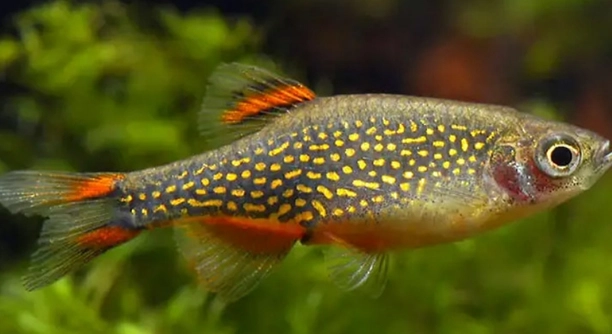
Are your danios swimming slower than usual or hiding in the corners of the tank? Changes in behavior can be subtle, yet they often signal that the water temperature may be dropping below their comfort level.
Danios are tropical fish that require stable water temperatures to maintain optimal health. Exposure to colder water can lead to slowed metabolism, weakened immune responses, and increased susceptibility to disease, making it crucial to monitor environmental conditions closely.
Recognizing these early warning signs helps protect your fish and ensures their tank remains a safe and comfortable environment for them.
Changes in Swimming Patterns
When danios experience colder water, their swimming patterns often become noticeably different. You may observe them lingering near the bottom of the tank or moving more slowly than usual. Rapid or erratic swimming may also occur as they try to adjust to the temperature shift. Their natural, lively behavior diminishes, and they may no longer school tightly together as they typically do. Reduced activity can make feeding times longer or less efficient, as they may struggle to reach the surface quickly. It is common for fish to seem less alert or appear lethargic. Observing your fish closely during these moments is essential. Water temperature affects their metabolism directly, slowing their digestive and immune systems. This can make them more prone to illness. Adjusting the tank’s heater or ensuring consistent warmth can help restore their natural energy and activity levels.
Colder temperatures reduce metabolic rates, which explains the slower movements and lack of typical swimming behavior in your danios.
Maintaining consistent warmth allows your danios to regain confidence in swimming, feed more effectively, and interact normally. Careful monitoring prevents further stress or illness caused by sudden temperature fluctuations. Even slight changes in movement can indicate how well your tank’s environment supports their health.
Hiding and Staying at the Bottom
Danios tend to hide more often when the water is too cold.
Prolonged hiding near the substrate may indicate discomfort due to lowered temperatures. Fish that normally swim freely might cling to plants or decorations. They may avoid the surface, making it difficult to observe them during feeding. Cold water slows their metabolism, which often drives this behavior. They may seem less responsive or ignore tankmates entirely, creating a noticeable shift in daily interactions. Tank layout can influence hiding, but temperature is often the main factor when lethargic patterns appear. Observing these tendencies early can prevent longer-term health problems. Gradually increasing the water temperature to the recommended range for danios helps reduce hiding behavior. Over time, you will notice them exploring more, swimming actively, and returning to normal feeding habits. Monitoring water quality alongside temperature ensures overall tank stability and supports their immune system. Recognizing and responding promptly to these behavioral changes is crucial for maintaining a healthy environment and promoting long-term well-being.
Gasping at the Surface
Gasping at the surface often indicates oxygen stress, which can be worsened by colder water. Danios may struggle to extract enough oxygen, especially if the water is still or has poor circulation.
Cold water slows metabolism and reduces oxygen absorption efficiency. Danios may spend more time near the surface, appearing to “gulp” air. This behavior is a stress response, not normal activity. If left unaddressed, prolonged exposure can weaken their immune systems and make them more susceptible to disease. Improving water flow or slightly raising the temperature can ease this stress and restore normal behavior. Observing this pattern early allows timely adjustments to the tank environment, ensuring your fish remain active and healthy.
In addition to gasping, you may notice other signs like clamped fins or erratic movements near the surface. These behaviors indicate the fish are uncomfortable and struggling to cope with environmental conditions. Providing consistent warmth and maintaining water quality helps them regain normal swimming patterns.
Color Fading
Cold temperatures can cause danios’ colors to fade, making them look dull or muted.
Color fading is often a direct response to stress caused by colder water. Healthy danios typically display bright, vibrant colors, which reflect proper metabolism and overall well-being. When the water drops below their comfort range, their bodies conserve energy, reducing pigment intensity. This change can be gradual, so it may go unnoticed initially, but persistent dullness signals the need for intervention. Maintaining stable, optimal temperatures helps preserve their natural coloration and supports overall health.
Faded colors are also a sign that your fish may be more vulnerable to illness. Stress weakens their immune system, making infections and other complications more likely. By closely monitoring water temperature and ensuring a consistent environment, you help your danios regain their vibrant appearance. Proper nutrition and tank maintenance further support recovery, keeping them active, colorful, and healthy.
Loss of Appetite
Cold water often causes danios to eat less or ignore food entirely.
A reduced appetite is a clear indicator that your fish are uncomfortable. Their slower metabolism makes digestion difficult, leading them to avoid feeding. Consistently low food intake can affect growth and energy levels.
Clamped Fins
Clamped fins occur when danios keep their fins close to their bodies.
This is a common response to stress from cold temperatures. Clamped fins make swimming more difficult and indicate the fish are not thriving. Maintaining stable warmth helps restore normal fin position and overall health.
Slower Breathing
Danios breathe more slowly in cold water due to a drop in metabolism. Their gill movement becomes less frequent, which can make them appear sluggish and less responsive to the environment. Monitoring breathing patterns can help identify temperature-related stress early.
Resting on Tank Decorations
Danios may rest on plants or ornaments more often when it’s too cold.
Spending extended time on decorations shows they are conserving energy. Gradually warming the tank encourages more normal swimming and interaction.
FAQ
How can I quickly warm up my danios’ tank?
The fastest way is to use a reliable aquarium heater set to the recommended temperature range of 72–78°F (22–26°C). Ensure the heater is fully submerged and monitor it closely. Avoid sudden temperature spikes, as rapid changes can stress your fish further. Gradually adjusting the water allows them to acclimate safely. Using a thermometer is essential to track accuracy. You can also increase water circulation with a gentle filter or air stone, which helps distribute heat evenly throughout the tank. Insulating the tank with a blanket or foam can reduce heat loss overnight or in cooler rooms.
Why are my danios hiding more than usual?
Hiding is a natural response to stress, and cold water is a common trigger. Danios may cling to plants, decorations, or corners of the tank to conserve energy. When they feel uncomfortable, their instinct is to minimize movement and avoid exposure. Extended hiding often accompanies slower swimming, clamped fins, or reduced feeding. Keeping the water temperature stable and within their preferred range encourages them to explore again. Ensure the tank environment is calm and free of sudden disturbances, as additional stressors can worsen hiding behavior. Gradual warming often restores normal activity patterns.
What are the signs that my danios are too cold?
Common signs include slower swimming, frequent hiding, gasping at the surface, clamped fins, color fading, loss of appetite, resting on tank decorations, and slower breathing. These behaviors indicate stress and possible metabolic disruption caused by temperatures below their comfort zone. Observing your fish daily helps catch these issues early. Consistently low activity or dull colors should prompt a check of tank conditions.
Can cold water make my danios sick?
Yes, prolonged exposure to low temperatures weakens their immune system, making them more prone to bacterial or fungal infections. Stress from cold slows metabolism and reduces resistance to disease. Early intervention by adjusting the heater and monitoring water quality can prevent illness. Maintaining a clean tank with proper filtration further supports their immune system and helps them recover more quickly.
Is it normal for danios to breathe rapidly in cold water?
Rapid or irregular breathing near the surface often occurs because colder water holds less oxygen. Danios may try to compensate by moving to oxygen-rich areas. This behavior is a stress response rather than a natural activity. Improving aeration and slightly raising water temperature can normalize breathing rates. Consistent monitoring prevents long-term respiratory issues.
How can I prevent my danios from getting too cold in the future?
Keep the tank in a room with a stable temperature and away from drafts or direct sunlight. Use a reliable aquarium heater with a thermostat and check it regularly. A thermometer in multiple areas of the tank ensures even heating. Routine water changes with temperature-matched water also help maintain stability. Avoid placing the tank near air conditioners or windows during colder months.
Will my danios recover if they’ve been in cold water too long?
Recovery depends on how long and how extreme the exposure was. Gradually warming the tank, improving water quality, and providing proper nutrition can help restore energy levels, normal behavior, and coloration. Severe cases may require monitoring for illness and additional care. Quick intervention improves the likelihood of full recovery.
Are some danios more sensitive to cold than others?
Yes, younger or weaker fish are usually more susceptible. Newly acquired fish may also take longer to acclimate to temperature changes. Monitoring all members of your tank individually helps catch stress early. Maintaining a consistent environment reduces risk for the more sensitive fish.
Can tank decorations help my danios cope with cold water?
Decorations provide hiding spots that reduce stress, but they do not replace proper temperature control. They can make your fish feel secure while you adjust conditions. Plants, rocks, and ornaments give danios areas to rest safely, but the primary focus should remain on stabilizing the water temperature and improving overall tank health.
How often should I check the water temperature?
Daily monitoring is recommended, especially during seasonal changes or if your tank is in a room with fluctuating temperatures. Using a thermometer is essential. Frequent checks ensure the heater works correctly and your fish remain in their optimal temperature range. Small fluctuations can have noticeable effects on danios, so consistent vigilance helps maintain their well-being.
Can I feed my danios differently if they are too cold?
When water is cold, danios may eat less. Offering smaller, more frequent meals can help prevent waste and digestive issues. High-quality, easily digestible food is preferable, and avoid overfeeding. Adjusting feeding during temperature stress supports their energy without putting additional strain on their metabolism.
What else should I watch for besides cold-related behavior?
Look for signs of illness like white spots, frayed fins, or unusual swelling. These may occur alongside stress from cold water. Regular observation of behavior, coloration, and appetite, combined with proper temperature control, keeps your tank healthy and prevents long-term complications.
Danios are resilient fish, but they are sensitive to changes in water temperature. Cold water can affect their behavior, health, and overall well-being in several ways. Slow swimming, hiding, clamped fins, loss of appetite, and color fading are all common signs that your tank is too cold for them. These changes are often subtle at first, but they become more noticeable over time. Observing your fish closely and regularly helps you detect any early signs of stress. Being aware of these behaviors allows you to act quickly and prevent more serious health problems. Temperature control is one of the simplest but most important factors in keeping your danios happy and healthy. A consistent environment supports their metabolism, encourages natural behavior, and reduces the risk of disease.
Maintaining a stable temperature is not complicated, but it does require attention. Using a reliable aquarium heater and a thermometer ensures the water stays within the recommended range of 72–78°F (22–26°C). Gradual adjustments are always better than sudden changes, as rapid shifts can cause additional stress. Cold snaps, drafts, or placing the tank in an exposed location can all affect the water temperature. Even small fluctuations can slow metabolism, reduce immune function, and alter behavior. Along with temperature control, proper water quality, a balanced diet, and sufficient oxygen circulation help your fish remain strong and active. Regularly monitoring these conditions creates a safe and comfortable environment, allowing your danios to thrive and display their natural colors and energy levels.
Taking care of danios means paying attention to both their environment and behavior. Small changes can indicate a larger issue, and addressing temperature-related stress early prevents long-term complications. Providing hiding spots, gentle water flow, and consistent feeding also supports their overall health. By observing your fish and keeping the tank stable, you reduce stress and give them the best chance to recover from any discomfort caused by cold water. Ultimately, a well-maintained tank promotes active, colorful, and healthy danios, ensuring they remain lively companions in your home aquarium. Consistent care and attention to detail make it possible to enjoy a thriving tank while protecting your fish from preventable stress and illness.

Hello,
If you enjoy the content that we create, please consider saying a "Thank You!" by leaving a tip.
Every little bit helps us continue crafting quality advice that supports the health, happiness, and well-being of pets around the world, for pets of all shapes, sizes, and species.
We really appreciate the kindness and support that you show us!