
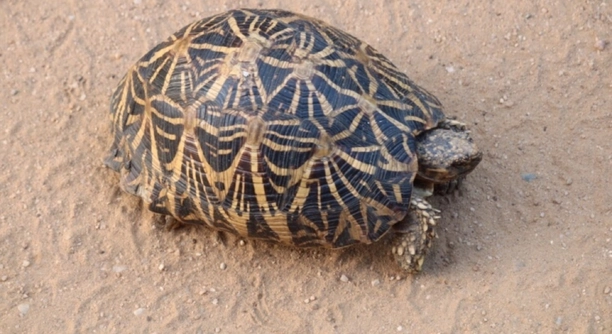
The Indian Star Tortoise is a popular pet known for its distinctive pattern and gentle nature. However, its diet plays a crucial role in its health and longevity. There are certain foods that should be avoided to ensure your tortoise thrives.
Certain foods can harm the health of your Indian Star Tortoise. Feeding them inappropriate foods can lead to various health problems such as kidney issues, digestive troubles, and shell deformities. Proper diet management is essential for their well-being.
There are many food items to be cautious about when feeding your tortoise. Knowing what not to feed them can prevent unwanted health complications and help you maintain a happy and healthy pet.
1. Dairy Products
Dairy products like milk, cheese, and yogurt are not suitable for your Indian Star Tortoise. Tortoises are lactose intolerant, meaning they cannot digest milk properly. Feeding dairy can lead to digestive issues, diarrhea, and even kidney problems. It may also disrupt the balance of good bacteria in their gut, which is essential for healthy digestion.
When feeding your tortoise, stick to plant-based foods, as their digestive system is designed to handle fiber-rich, plant-based materials. Dairy can cause long-term health problems, affecting their overall growth and energy levels.
It’s important to avoid feeding dairy regularly to your tortoise. Over time, even small amounts can accumulate and create serious issues. Instead, offer them leafy greens, grasses, and other vegetable options that better suit their dietary needs. A well-balanced diet will ensure that your tortoise stays healthy and active for years to come.
2. High-Protein Foods
High-protein foods like meat, fish, or even pet food can be harmful to your tortoise. Their digestive system isn’t built to process high-protein meals, and it can lead to kidney damage or organ stress. Protein should only be offered in very small quantities, if at all. A tortoise’s diet should consist mainly of low-protein, high-fiber foods.
If you feed your tortoise foods like chicken or eggs, you risk causing harm to their kidneys over time. These foods increase the workload on their organs, potentially leading to kidney failure. Stick to plant-based meals to maintain their overall health and avoid unnecessary stress on their system. High-protein foods are best avoided in their regular diet to prevent complications.
3. Fruits High in Sugar
Fruits like grapes, bananas, and mangos are high in sugar and should be limited in your tortoise’s diet. While small amounts may not harm them, regularly feeding sugary fruits can lead to obesity and digestive problems. It’s best to stick to low-sugar fruits in moderation, such as berries and melons.
Sugar can throw off the balance in your tortoise’s digestive system, leading to unbalanced gut flora. Over time, high-sugar fruits can contribute to weight gain, which in turn puts unnecessary pressure on their shells and limbs. This can limit mobility and increase the risk of shell deformities.
Tortoises do need fruit for their vitamins, but it should be offered in moderation. High-sugar fruits can also spike blood sugar levels, which can lead to conditions like metabolic bone disease. If you choose to offer fruit, make sure it’s a healthy, low-sugar option. Keep their main diet focused on vegetables, weeds, and grasses.
4. Processed Foods
Processed foods like chips, crackers, or fast food are not fit for your tortoise. These foods are packed with salt, preservatives, and unhealthy fats. Offering processed foods can cause dehydration, kidney strain, and long-term organ damage. Tortoises need fresh, natural food to stay healthy.
The high salt content found in processed foods can lead to dehydration. This will affect your tortoise’s ability to absorb nutrients and may increase the risk of kidney stones or other kidney-related issues. It’s essential to avoid processed snacks and stick to foods that are close to what they would naturally eat in the wild. Fresh vegetables and leafy greens should make up most of their diet.
Offering your tortoise a balanced, whole-food diet is the key to keeping them healthy. Stick to fresh, natural food to ensure their organs stay in good condition. Avoid processed foods as much as possible to prevent any long-term health risks, including kidney problems.
5. Iceberg Lettuce
Iceberg lettuce is mostly water and lacks the nutritional value needed by your Indian Star Tortoise. While it won’t harm them in small amounts, it doesn’t provide any real benefits. It’s best to avoid it and offer more nutrient-dense greens like dandelion leaves or collard greens.
Relying on iceberg lettuce as a main food source can lead to malnutrition. The lack of vitamins and minerals in iceberg lettuce means your tortoise may miss out on the essential nutrients needed for strong shells and overall health. It’s far better to feed them darker, leafy greens that are packed with nutrients.
Offer a variety of greens to provide your tortoise with a well-rounded diet. Fresh, dark leaves are a much better choice, helping your tortoise maintain good health over time. Iceberg lettuce should be used sparingly, if at all.
6. Rhubarb
Rhubarb, while often used in cooking, is toxic to your tortoise. The leaves of the rhubarb plant contain high levels of oxalic acid, which can cause serious health issues. Consuming rhubarb can lead to kidney failure and digestive distress. It’s best to avoid it entirely.
Even small amounts of rhubarb can be dangerous, so make sure your tortoise never has access to it. It’s important to know which plants are toxic and keep them away from your pet. Instead, focus on safe, edible plants like clover or hibiscus to add variety to their diet.
7. Avocados
Avocados should never be fed to your tortoise. They contain a toxin called persin, which can cause respiratory issues, heart failure, and even death. Avoid giving your tortoise any part of the avocado, including the flesh, pit, or skin.
Feeding avocados to tortoises, even in small amounts, can be fatal. Persin can quickly cause damage to their organs, leading to severe health complications. If you want to offer your tortoise safe fruits, stick to options like strawberries or papayas.
What should I feed my Indian Star Tortoise instead?
The best diet for your Indian Star Tortoise consists of a variety of leafy greens, flowers, and grasses. Offer them a mix of dandelion leaves, collard greens, and hibiscus flowers. You can also give them safe plants like clover and grass. Occasionally, you can provide some low-sugar fruits like berries or melon, but these should be offered in moderation. This balanced diet helps keep their digestive system functioning properly and ensures they receive the nutrients they need for strong shells and healthy growth.
Can I feed my Indian Star Tortoise commercial tortoise food?
Commercial tortoise food can be useful in certain situations but shouldn’t be the main part of their diet. Many store-bought foods lack the variety and nutrients of fresh, natural plants. Some also contain added sugars or salt. If you do use commercial food, choose high-quality brands that offer natural ingredients and make sure it’s supplemented with fresh greens, grasses, and flowers. Keep it as a supplement rather than a staple food to ensure a balanced, healthy diet.
How often should I feed my Indian Star Tortoise?
Indian Star Tortoises are herbivores and should be fed daily, but not too much at once. A general guideline is to offer them food once a day or every other day, depending on their age and activity level. Baby tortoises may need more frequent feedings, while adults may be fine with fewer meals. Always ensure the food is fresh and provides the necessary nutrients, and remove any uneaten food to prevent spoilage.
Can I feed my tortoise lettuce every day?
It’s best not to feed your tortoise lettuce every day, especially iceberg lettuce, as it lacks nutritional value. Lettuce should only be given occasionally, and it should never replace more nutrient-rich greens like collard greens or dandelion leaves. Lettuce is low in fiber and vitamins, which are essential for your tortoise’s health. Make sure you provide a variety of healthy greens to maintain balance in their diet.
Is it okay to feed my Indian Star Tortoise vegetables like carrots or cucumbers?
Carrots and cucumbers can be fed to your tortoise in small amounts, but they should not make up a large part of their diet. Carrots are high in sugar and can lead to weight gain if fed too often. Cucumbers are mostly water and lack essential nutrients, so they should be offered only occasionally. Stick to dark leafy greens and grasses as the main part of their diet, and only use carrots and cucumbers as treats on rare occasions.
Are flowers safe for my Indian Star Tortoise to eat?
Yes, many flowers are safe and nutritious for your Indian Star Tortoise. You can feed them edible flowers like hibiscus, dandelions, clover, and marigolds. Just make sure the flowers are pesticide-free and haven’t been treated with any chemicals. Flowers can provide extra vitamins and minerals, and they add variety to your tortoise’s diet. Always ensure that the flowers are non-toxic to avoid any harm.
Can I feed my tortoise fruit?
Fruits can be a tasty treat for your tortoise, but they should only be offered in moderation. Fruits that are low in sugar, such as strawberries, melons, or papayas, are better options. Avoid high-sugar fruits like bananas or grapes, as they can contribute to obesity and digestive problems. Offering small pieces of fruit occasionally can help keep your tortoise’s diet interesting, but it shouldn’t be a regular part of their meals.
What should I avoid feeding my tortoise?
Avoid feeding your tortoise dairy, high-protein foods like meat, processed foods, rhubarb, and avocados. Dairy products can cause digestive issues, while high-protein foods put unnecessary stress on their kidneys. Processed foods often contain added salt and preservatives, which can harm their health. Rhubarb contains toxins, and avocados can be deadly due to the presence of persin. Stick to safe, natural plants and avoid anything that could harm your pet’s digestive system or overall health.
How can I make sure my tortoise is getting enough calcium?
Calcium is essential for the health of your tortoise’s shell and bones. The best way to ensure they get enough calcium is by providing them with calcium-rich foods, like dark leafy greens and certain types of grasses. You can also sprinkle calcium powder on their food once or twice a week. Additionally, providing a source of UVB light is important, as it helps your tortoise process calcium from their food effectively. Regular exposure to natural sunlight or UVB bulbs will aid in the proper absorption of calcium.
What should I do if my tortoise isn’t eating?
If your tortoise isn’t eating, it could be due to several factors, such as stress, incorrect temperature, or health problems. First, check the temperature in their enclosure—tortoises need a basking spot between 90-95°F and a cooler area around 75°F. If the environment isn’t ideal, they may lose their appetite. If everything seems correct and your tortoise still refuses to eat, it’s best to consult with a veterinarian to rule out any health issues. Tortoises can be sensitive to changes in their environment, so ensuring a stable, comfortable habitat is key to maintaining their eating habits.
How can I provide proper hydration to my tortoise?
Hydration is important for your tortoise’s overall health, but they don’t drink water the same way humans do. It’s best to provide a shallow water dish that they can easily access and soak in. This allows them to drink and hydrate through their skin as well. You can also mist their enclosure to maintain humidity, especially if you live in a dry climate. Soaking your tortoise once a week in warm water is also a good practice to help with hydration and encourage proper digestion.
Taking care of an Indian Star Tortoise requires attention to detail, especially when it comes to their diet. Their health can be easily influenced by the foods they eat, so it’s important to know what is safe and what should be avoided. While it’s tempting to feed them a variety of foods, only certain ones will provide the necessary nutrients without causing harm. Ensuring your tortoise receives a well-balanced diet is one of the most important factors for their long-term health and well-being.
Avoiding foods like dairy, high-protein items, processed snacks, and toxic plants can help prevent serious health issues such as kidney problems, obesity, and digestive disorders. By feeding your tortoise leafy greens, flowers, and other plant-based foods, you’ll be offering them a diet more suited to their natural needs. Offering low-sugar fruits occasionally can be a treat, but they should never be a staple part of their meals. Additionally, making sure their environment is suitable, with the proper temperature and access to UVB light, will support their overall health, helping them absorb nutrients and calcium effectively.
Caring for your tortoise goes beyond just feeding them the right foods. It’s essential to keep an eye on their behavior and eating habits. If they stop eating or show signs of illness, it’s important to consult with a veterinarian. A healthy tortoise will have a good appetite, a strong shell, and active behavior. With the right care, your Indian Star Tortoise can live a long, happy life. Keeping their diet varied, balanced, and safe is key to ensuring they remain healthy and thrive in their environment.

Hello,
If you enjoy the content that we create, please consider saying a "Thank You!" by leaving a tip.
Every little bit helps us continue crafting quality advice that supports the health, happiness, and well-being of pets around the world, for pets of all shapes, sizes, and species.
We really appreciate the kindness and support that you show us!