
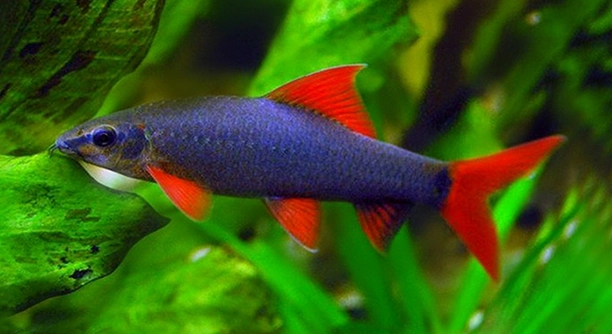
Rainbow sharks are popular aquarium fish known for their striking colors and active nature. However, when kept with certain tankmates, they may not always get along well. Understanding how to manage these interactions can create a more peaceful environment for all your fish.
The primary approach to fixing conflicts between rainbow sharks and their tankmates involves selecting compatible species, providing ample space, and creating hiding spots to reduce territorial aggression. Proper tank setup and monitoring behavior are essential to maintaining harmony.
Learning how to balance your aquarium’s community will help keep your rainbow sharks and other fish healthier and less stressed. This guide offers practical solutions for better fish compatibility.
Understanding Rainbow Shark Behavior
Rainbow sharks are territorial fish that can become aggressive when they feel their space is threatened. They swim actively along the bottom and sides of the tank, marking their area as their own. When other fish enter this territory, the shark may chase or nip at them. This behavior is natural but can cause stress and injuries to other tankmates. To reduce conflict, it is important to recognize the shark’s need for personal space and control its environment accordingly. Providing hiding spots, plants, and decorations helps break up sightlines, so sharks don’t constantly see other fish as intruders. It also helps if the tank is large enough to allow everyone room to swim freely without overlap. Understanding these natural tendencies lets you better manage your tank setup and keep the fish calmer and healthier overall.
Aggression mainly arises from territory defense and competition for space.
Setting up physical barriers and plenty of hiding places lowers stress and keeps your fish safe.
Choosing Compatible Tankmates
Not all fish fit well with rainbow sharks. Peaceful bottom dwellers or fast-swimming mid-level fish usually get along best. Avoid slow-moving or long-finned species, as these can become targets. Fish that stay mostly near the surface are less likely to clash. Some good companions include danios, barbs, and certain types of tetras. It is essential to introduce fish gradually and watch their behavior closely. If aggression increases, separating the fish or changing the tank setup may be necessary. Also, keeping the tank clean and maintaining stable water conditions helps reduce stress, which can trigger fighting. Always research the needs and temperaments of new fish before adding them. This careful selection and management can prevent many common problems and support a more balanced aquarium community.
When choosing tankmates, consider their activity levels and preferred swimming areas.
Rainbow sharks prefer a lively, well-structured tank with species that won’t provoke territorial fights. This thoughtful pairing encourages peaceful coexistence and a more enjoyable aquarium experience.
Providing Enough Space
A crowded tank increases stress and aggression among rainbow sharks and their tankmates. Giving your fish enough room reduces fights and promotes natural behavior.
A larger tank allows rainbow sharks to establish their territories without constant overlap. Ideally, a 55-gallon or bigger tank works well for multiple fish. More space means fish can swim freely and avoid unwanted encounters. Overcrowding leads to competition for food and hiding spots, which increases tension. Adding plants and decorations also helps create natural boundaries, breaking the tank into smaller territories. This setup reduces direct confrontations and helps keep fish calmer.
Regularly check the tank’s population and remove any excess fish if needed. It’s better to maintain fewer fish in a well-structured tank than to overcrowd it and cause stress. Space is a key factor in maintaining peace.
Feeding Strategies to Reduce Aggression
Feeding rainbow sharks and their tankmates at different spots helps reduce fighting during meal times. It spreads out the fish and limits competition.
Using sinking pellets for rainbow sharks ensures they get food at the bottom, where they prefer to eat. Meanwhile, feeding other fish flakes or pellets near the surface keeps them occupied in different areas. Feeding small amounts multiple times a day rather than one large feeding helps prevent aggressive behavior caused by hunger. Observing the fish during feeding lets you see if anyone is being bullied or missing out. If needed, adjust feeding spots or amounts. This method not only improves peace but also ensures all fish get proper nutrition. Proper feeding reduces stress and creates a calmer tank environment.
Creating Hiding Spots
Hiding spots help rainbow sharks and other fish feel safe and reduce aggression. Fish need places to escape and rest without being chased.
Use rocks, plants, and decorations to build plenty of cover. These create natural barriers and give fish their own space, which lowers stress and helps everyone coexist peacefully.
Maintaining Water Quality
Keeping water clean and stable is vital to preventing stress-related aggression. Poor water quality makes fish more irritable and prone to fighting. Regular water changes, proper filtration, and monitoring parameters like ammonia, nitrite, and pH keep the tank environment healthy. A balanced, stable environment supports calm behavior and fish well-being, reducing the chances of conflicts.
Monitoring Behavior
Watch your fish closely for signs of aggression or stress. Early detection allows you to act before problems worsen.
FAQ
Why do rainbow sharks fight with their tankmates?
Rainbow sharks are naturally territorial and can become aggressive when they feel their space is invaded. They swim near the bottom and claim certain areas as their own. When other fish enter these zones, sharks may chase or nip to defend their territory. Stress, overcrowding, and lack of hiding spots can make aggression worse. Understanding their territorial nature helps in managing conflicts effectively.
Can I keep multiple rainbow sharks together?
Keeping multiple rainbow sharks in the same tank is possible but challenging. They tend to establish their own territories and may fight to defend them. A very large tank with plenty of hiding places and decorations is necessary to minimize clashes. Even then, some level of aggression may occur. It is important to observe them carefully and be ready to separate them if fights become serious.
What tank size is best for rainbow sharks?
A minimum of 55 gallons is recommended for one rainbow shark to have enough space to swim and claim territory. If you want to keep several tankmates or more than one shark, a larger tank is essential. Providing ample space reduces stress and aggression by preventing overcrowding and allowing fish to avoid each other.
Which fish are best tankmates for rainbow sharks?
Fast, active fish that swim mostly in the middle or top levels of the tank make good tankmates. Examples include danios, barbs, and some tetras. Avoid slow-moving, long-finned, or bottom-dwelling fish, as they are more likely to be harassed. Compatibility depends on size, temperament, and swimming habits.
How do I reduce aggression during feeding?
Feed rainbow sharks sinking pellets at the bottom while offering flakes or pellets to other fish near the surface. Feeding in multiple locations helps spread out the fish and reduces competition. Smaller, more frequent feedings can prevent hunger-driven aggression. Watching the fish during feeding lets you adjust if someone is being bullied or missing out.
Why is water quality important for reducing fights?
Poor water quality stresses fish, making them more irritable and prone to aggression. Maintaining clean water with regular changes, good filtration, and stable parameters like pH, ammonia, and nitrite supports healthier behavior. A stable environment helps fish feel secure and less likely to fight.
How do hiding spots help with aggression?
Hiding spots provide fish with places to escape and rest. When fish feel threatened, they can retreat instead of fighting back. Plants, rocks, and decorations create barriers that break up the tank visually, reducing direct confrontations. Well-planned hiding places encourage peaceful coexistence.
What should I do if aggression continues despite fixes?
If aggression persists, consider separating the aggressive fish or rehoming some tankmates. Sometimes the species or individual fish are just not compatible. Adjusting the tank layout or increasing its size may help, but safety and well-being come first. Monitoring and acting early prevents injury and stress.
Can stress cause rainbow sharks to behave aggressively?
Yes, stress from overcrowding, poor water conditions, or lack of hiding spaces can increase aggression. Stressed fish are more likely to chase and nip others. Reducing stress through good tank management improves fish behavior and reduces conflicts.
Is it normal for rainbow sharks to nip fins?
Nibbling fins is common territorial behavior but can injure tankmates if excessive. Providing enough space, compatible tankmates, and hiding spots lowers this behavior. If fin nipping causes harm, intervention may be needed to separate fish or change the environment.
How often should I check on my fish’s behavior?
Daily observation is ideal. Watch how fish interact, especially during feeding or changes in the tank. Early signs of aggression or stress include chasing, hiding, or damaged fins. Regular checks allow prompt action to maintain a peaceful tank.
Do decorations really make a difference?
Yes, decorations break up open spaces, creating natural boundaries for fish. They reduce line-of-sight and limit territory overlap. This lowers stress and aggression by giving fish places to hide and claim as their own.
Is it necessary to quarantine new fish before adding them?
Quarantining new fish helps prevent disease spread and allows observation of behavior. Introducing aggressive or incompatible fish without quarantine can upset tank harmony. A 2–4 week quarantine period is recommended before adding new fish.
What signs indicate a tankmate is not compatible?
Signs include constant chasing, fin damage, hiding, or refusal to eat. If one fish consistently bullies another or causes injury, they likely do not get along. Early detection lets you act before problems worsen.
Can rainbow sharks live peacefully without tankmates?
Rainbow sharks can live alone, often with less aggression since they don’t feel threatened. However, they still need enough space and enrichment to stay healthy. Many owners prefer community tanks, but solo keeping is an option if managing aggression is difficult.
How important is water temperature for rainbow sharks?
Rainbow sharks thrive between 72–79°F (22–26°C). Stable temperatures within this range support health and calm behavior. Sudden changes or extremes can stress fish, increasing aggression and illness risk.
What is the best diet to keep rainbow sharks healthy and calm?
A varied diet of sinking pellets, vegetables, and occasional protein treats supports good health. Proper nutrition reduces stress and aggressive behavior. Overfeeding should be avoided to maintain water quality.
How can I tell if a rainbow shark is stressed?
Signs include rapid breathing, hiding excessively, loss of appetite, or dull coloration. Stress often precedes aggression or illness. Addressing tank conditions and reducing triggers helps fish recover.
Is it okay to rearrange the tank to reduce fighting?
Rearranging decorations and plants can reset territories and reduce aggression. Changing the layout breaks established boundaries and forces fish to adapt, often reducing fights. Do this carefully to avoid causing too much stress.
How often should I perform water changes?
Weekly water changes of 20–30% keep the tank clean and stable. This prevents buildup of harmful substances and supports fish health. Consistent maintenance reduces stress and aggression.
Can adding plants help with aggression?
Yes, live or artificial plants create hiding spots and break up open spaces. They help fish feel secure and reduce territorial disputes. Plants also improve water quality by absorbing nitrates.
Rainbow sharks are beautiful and active fish that can add life to any aquarium. However, their territorial nature means that conflicts with tankmates are common if the environment is not set up properly. By understanding their behavior and needs, it is possible to reduce aggression and create a peaceful tank. Providing enough space, hiding spots, and compatible tankmates are key steps in managing their temperament. These measures help the fish feel secure and less likely to fight.
Maintaining good water quality and proper feeding routines also play important roles in keeping rainbow sharks and their tankmates calm. Clean water reduces stress and illness, which can trigger aggressive behavior. Feeding fish in different areas and smaller amounts throughout the day lowers competition and prevents fights during meal times. Watching your fish closely allows you to catch problems early before they become serious. Adjusting tank conditions or separating aggressive individuals when needed protects the health and well-being of all fish.
Taking care of rainbow sharks requires attention and patience, but the effort pays off with a more balanced and healthy aquarium. Each tank is different, so some trial and error might be necessary to find what works best. The goal is to create an environment where all fish can live comfortably together. With proper space, compatible companions, and a good routine, rainbow sharks can coexist peacefully with other fish. Keeping these tips in mind will help you enjoy a thriving and harmonious tank for years to come.

Hello,
If you enjoy the content that we create, please consider saying a "Thank You!" by leaving a tip.
Every little bit helps us continue crafting quality advice that supports the health, happiness, and well-being of pets around the world, for pets of all shapes, sizes, and species.
We really appreciate the kindness and support that you show us!