
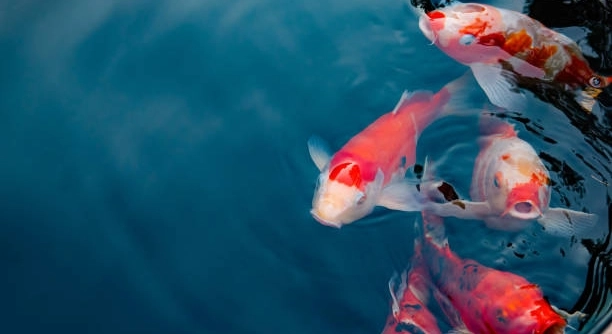
Koi breeding is a rewarding yet delicate process that requires attention to several important factors. Success depends on understanding how each element affects the health and reproduction of these ornamental fish. Proper care and conditions are essential for a good outcome.
Seven key factors influence koi breeding success: water quality, temperature, diet, spawning environment, genetics, stress levels, and timing. Each factor must be carefully managed to ensure healthy eggs, fertilization, and the survival of fry in controlled conditions.
Knowing these factors will help you improve your breeding results and maintain a thriving koi population. The following details explain how each element plays a vital role in the process.
Water Quality and Its Impact on Breeding
Maintaining good water quality is crucial for koi breeding. Clean, well-oxygenated water supports healthy fish and successful spawning. Ammonia, nitrite, and nitrate levels must be closely monitored because even small amounts can harm eggs and fry. Regular water changes help keep these toxins low. The pH level should remain stable, ideally between 7.0 and 8.0, as sudden shifts can stress koi and reduce fertility. Temperature and hardness also influence water quality and affect breeding readiness. Proper filtration and aeration systems ensure water stays clear and oxygen-rich, which promotes egg development and survival. Monitoring these factors consistently creates a stable environment, reducing stress and improving the chances of hatching healthy offspring.
Keeping water parameters stable helps avoid breeding failures. Sudden changes in quality can negatively affect koi behavior and reproduction.
Water quality is the foundation of successful koi breeding. Clean, stable water encourages koi to spawn naturally, while poor conditions lead to stress and disease. Eggs are delicate and need clean water to develop properly. Contaminants can cause deformities or kill eggs before hatching. Oxygen levels play a key role; insufficient oxygen reduces embryo survival rates. Proper filtration removes waste, while aeration ensures oxygen is available throughout the pond or tank. Testing water regularly allows early detection of harmful changes. Adjusting water parameters slowly avoids shocking koi. Overall, investing time in maintaining water quality improves breeding success and supports the health of adult koi. This care ensures the entire process, from spawning to fry growth, proceeds smoothly without avoidable setbacks.
Temperature Control for Optimal Spawning
Temperature affects koi spawning readiness and egg development. Ideal breeding temperatures range between 65°F and 75°F (18°C to 24°C), depending on the season.
Proper temperature management triggers spawning behavior and supports egg viability. Too low or too high temperatures delay or prevent breeding. Koi use temperature cues to time spawning, so gradual changes mimic natural conditions. Sudden shifts cause stress, reducing fertility and increasing disease risk. Using heaters or chillers in controlled setups allows consistent temperatures year-round. In outdoor ponds, temperature fluctuations should be minimized through shading or insulation. Monitoring temperature closely ensures koi remain comfortable and encourages synchronized spawning. Maintaining the right temperature range improves fertilization rates and the survival of young fish, making it a key factor in breeding success.
Diet and Nutrition
A balanced diet is essential for healthy koi and successful breeding. Proper nutrition supports egg quality and sperm production. Feeding high-quality, protein-rich food improves fertility and fry survival rates.
Koi require a diet rich in proteins, vitamins, and minerals during the breeding season. Foods like high-protein pellets, live or frozen insects, and fresh vegetables help maintain their strength. Supplementing with vitamin-enriched feeds boosts immune function and reproductive health. Avoid overfeeding, which can lead to poor water quality and stress. Feeding multiple small meals throughout the day keeps koi energized without overwhelming their system. Proper nutrition prepares koi for spawning and ensures that eggs and fry have the best chance to thrive.
Feeding koi the right diet enhances overall health and increases breeding success. The quality of food impacts the vitality of both parents and offspring. Poor nutrition weakens koi, reduces egg production, and leads to weaker fry. A nutrient-rich diet supports energy needs during spawning and promotes faster recovery afterward. Fresh, varied foods contribute to better coloration and stamina in adult koi. Including natural foods like daphnia or brine shrimp mimics their diet in the wild. Consistent feeding routines prevent stress and maintain optimal body condition, making nutrition a critical breeding factor.
Spawning Environment
A suitable spawning environment encourages koi to breed naturally. Clean, quiet spaces with proper substrates increase spawning activity.
Spawning sites should include flat, stable surfaces like spawning brushes or plants where females can lay eggs. Providing hiding spots reduces stress and prevents adults from eating eggs. The environment must mimic natural conditions with gentle water flow and adequate lighting. Overcrowding limits breeding success, so space koi properly to avoid aggression and competition. Temperature and water quality should remain consistent in the spawning area. Using separate breeding tanks or sections of the pond can protect eggs and fry from predators and adults. Proper environment setup improves fertilization rates and offspring survival.
Adjusting the spawning environment to suit koi needs increases the chances of successful reproduction. A calm, safe area encourages mating behaviors and protects delicate eggs. Preventing disturbances during spawning reduces stress and promotes natural breeding patterns. Attention to details such as substrate choice and water flow creates ideal conditions for egg attachment and development. Keeping the area clean and free from contaminants supports healthy embryo growth. Managing the environment carefully ensures that eggs remain safe and hatch efficiently, contributing to overall breeding success.
Genetics and Breeding Stock
Selecting healthy, genetically diverse koi improves breeding outcomes. Avoid breeding closely related fish to reduce defects and increase vigor.
Strong genetic lines contribute to better growth, coloration, and disease resistance in offspring. Choosing koi with desirable traits enhances the quality of future generations.
Stress Management
Minimizing stress is vital for koi fertility and spawning success. Stress weakens immune systems and disrupts breeding behavior.
Stress can result from poor water quality, overcrowding, or sudden changes in the environment. Maintaining stable conditions and providing hiding spaces reduces stress levels, encouraging natural breeding activities.
Timing and Spawning Cycles
Koi breed seasonally, typically in late spring to early summer, triggered by rising temperatures. Understanding these natural cycles helps in planning breeding efforts.
Proper timing aligns with koi’s biological readiness, improving fertilization rates and fry survival. Monitoring environmental cues ensures breeding occurs under optimal conditions.
Egg Care and Protection
Protecting eggs from damage and predators is essential. Removing adults from spawning tanks helps preserve egg viability and reduces losses.
FAQ
What is the ideal water temperature for koi breeding?
The best temperature range for koi breeding is between 65°F and 75°F (18°C to 24°C). This range encourages spawning behavior and ensures proper egg development. Temperatures outside this range can delay or prevent breeding, and sudden changes may stress the fish.
How often should I change the water during breeding?
Frequent water changes are important to maintain clean, healthy conditions. Changing 10-20% of the water every few days helps keep ammonia and nitrite levels low. Avoid changing too much at once to prevent shocking the fish or eggs.
What should I feed koi before and during breeding season?
Koi need a high-protein diet with added vitamins and minerals to support reproduction. Use high-quality pellets, live or frozen insects, and fresh vegetables. Feeding small amounts several times a day maintains energy without fouling the water.
Can I breed koi in an outdoor pond?
Yes, breeding in outdoor ponds is possible if water quality, temperature, and space are well managed. Provide spawning brushes or plants for egg attachment. Shade and aeration help stabilize conditions. However, outdoor breeding requires close monitoring and protection from predators.
How do I prevent koi from eating their eggs?
Adult koi may eat eggs if left in the spawning area. Removing adults immediately after spawning or using a separate breeding tank protects eggs. Adding spawning brushes or plants gives eggs places to stick where adults cannot reach easily.
How long does it take for koi eggs to hatch?
Koi eggs usually hatch within 4 to 7 days, depending on water temperature. Warmer water speeds up development, but too much heat can be harmful. After hatching, fry remain attached to the yolk sac for a few days before free swimming.
What causes low fertilization rates in koi breeding?
Low fertilization can result from poor water quality, improper temperature, or unhealthy breeding stock. Stress and overcrowding also reduce spawning success. Ensuring ideal conditions and healthy, unrelated koi improves fertilization chances.
How do I care for koi fry after hatching?
Fry need clean, well-oxygenated water and gentle filtration. Feed them small, frequent meals of finely crushed high-protein food or specially formulated fry feed. Keep fry separate from adults to prevent predation and stress.
Is it necessary to use hormone treatments to breed koi?
Hormone treatments are generally not necessary if water quality, temperature, and environment are properly controlled. Natural breeding is preferred to maintain genetic health. Hormones may be used in professional or large-scale operations but require experience.
How can I tell if my koi are ready to spawn?
Signs include increased activity, chasing behavior, and males developing breeding tubercles (small white bumps) on their heads and fins. Females become rounder with visible eggs inside. Observing these behaviors indicates spawning readiness.
What role does genetics play in koi breeding?
Genetics determine color, pattern, growth, and disease resistance in offspring. Breeding koi with diverse, healthy genetics reduces defects and improves overall stock quality. Avoid breeding closely related fish to maintain genetic health.
Can stress affect koi breeding success?
Yes, stress negatively impacts fertility and spawning behavior. Causes include poor water quality, overcrowding, sudden environmental changes, and aggressive tank mates. Reducing stress by maintaining stable, clean environments improves breeding outcomes.
How important is lighting in the breeding environment?
Lighting influences koi behavior and spawning timing. Consistent natural or artificial light mimics seasonal changes. Too much or too little light can disrupt breeding. Moderate, regular lighting supports natural spawning cycles.
What should I do if eggs become fungus-infected?
Fungus can destroy eggs quickly. Remove infected eggs promptly and treat water with antifungal agents safe for fish. Maintaining good water quality and gentle aeration helps prevent fungus. Using breeding brushes with good water flow reduces fungal growth.
How can I increase the survival rate of koi fry?
Provide clean water, proper nutrition, and protection from predators. Separate fry from adults and maintain stable water parameters. Regularly remove uneaten food and waste to keep the environment healthy. Consistent care during early stages leads to higher survival rates.
Final Thoughts
Koi breeding requires attention to several important factors. Each element, from diet and water quality to genetics and stress management, plays a role in determining the success of the process. By providing koi with a balanced diet and a clean, stable environment, breeders can encourage healthy spawning and improve fertilization rates. Proper care before, during, and after spawning ensures that eggs develop well and fry grow strong. Taking the time to monitor these details helps reduce risks and increases the chances of a fruitful breeding season.
Understanding koi behavior and natural breeding cycles is also essential. Koi typically spawn when water temperatures rise in late spring or early summer. Providing appropriate spawning sites, such as brushes or plants for egg attachment, supports natural reproduction. Removing adults from the breeding area after spawning protects eggs from being eaten. Attention to genetics when selecting breeding pairs improves the quality and health of offspring, avoiding potential issues caused by inbreeding. Consistency in maintaining water conditions and reducing stress creates an environment where koi feel comfortable to reproduce.
Breeding koi is a rewarding but delicate task. Success depends on careful preparation and ongoing care throughout the entire breeding period. Small adjustments to nutrition, water parameters, and habitat can have significant effects on outcomes. While challenges may arise, following best practices increases the likelihood of healthy fry and vibrant future generations. Keeping these factors in balance ensures that koi breeding is both productive and sustainable.

Hello,
If you enjoy the content that we create, please consider saying a "Thank You!" by leaving a tip.
Every little bit helps us continue crafting quality advice that supports the health, happiness, and well-being of pets around the world, for pets of all shapes, sizes, and species.
We really appreciate the kindness and support that you show us!