
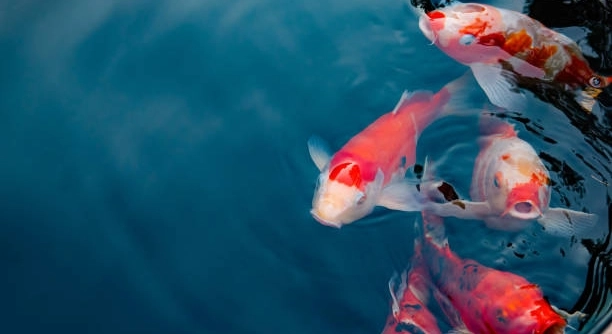
Koi fish are fascinating creatures with unique behaviors that catch the eye of many hobbyists and pond owners. Their actions often reflect the environment they live in, showing how sensitive they are to changes around them. Understanding these influences can improve their care.
Environmental factors such as water temperature, oxygen levels, light exposure, pond size, water quality, feeding routines, and social interactions significantly shape koi behavior. Each element impacts their activity, feeding habits, stress levels, and overall well-being in measurable ways.
Recognizing these influences can help koi owners create healthier and happier environments for their fish, leading to better care and a more enjoyable experience.
Water Temperature
Water temperature plays a big role in how koi behave. When the water is warm, koi tend to be more active and swim faster. They eat more and are generally livelier. In colder water, their metabolism slows down, making them less active and sometimes even sleepy. If the temperature drops too low, koi may stop eating completely. Sudden changes in temperature can stress koi, leading to health problems. Maintaining a stable temperature is important, especially in outdoor ponds where weather can vary. Using heaters or shade can help keep water temperature steady. Watching how koi respond to temperature changes can give clues about their comfort level. Proper temperature management supports their immune system and helps prevent disease.
Koi are cold-blooded, so their body temperature matches the water. This means water temperature directly affects their behavior and health.
Keeping water temperature stable benefits koi’s digestion and activity, helping them live longer and stay healthier.
Oxygen Levels
Oxygen is vital for koi survival and affects their behavior greatly. When oxygen levels drop, koi may gasp at the surface or become sluggish. Low oxygen can happen in hot weather, overstocked ponds, or poor water circulation. Aeration devices like fountains or air pumps can improve oxygen levels. Healthy oxygen levels encourage active swimming and proper feeding. Without enough oxygen, koi get stressed, which weakens their immune system and increases the risk of illness. It’s important to monitor oxygen levels, especially during summer or when many fish share a pond. Regular water testing and good pond maintenance help keep oxygen at safe levels. By ensuring enough oxygen, koi remain energetic and less prone to health problems.
Light Exposure
Koi behavior changes with light levels. They are more active during daylight and rest at night. Too much direct sunlight can stress them, while too little light can reduce their activity.
Natural light helps regulate koi’s daily rhythms, encouraging normal feeding and movement. Bright sunlight warms the water, increasing activity but also oxygen use. Shade areas in the pond can protect koi from overheating. Artificial lighting can extend activity times but should mimic natural cycles to avoid confusion. Balanced light exposure supports healthy behavior patterns.
Koi often seek shaded spots when sunlight is intense. Providing plants or structures that offer shelter helps koi stay comfortable and less stressed, promoting calm and natural behavior.
Pond Size
Pond size directly impacts koi behavior and health. Small, crowded ponds limit swimming space and increase stress. Larger ponds give koi room to swim freely and establish territories. Overcrowding leads to aggression and weakens immune systems.
A spacious pond encourages natural movement and exercise, keeping koi fit and active. With more space, koi can avoid constant competition and reduce stress levels. Proper pond size also helps maintain water quality, as waste is diluted and easier to manage. When planning a pond, allowing at least 250 gallons per adult koi ensures healthier living conditions. Larger ponds also offer better temperature stability and oxygen levels. Overall, bigger ponds support happier and more balanced koi behavior.
Water Quality
Poor water quality affects koi behavior quickly. Dirty or polluted water can make koi sluggish or cause them to hide more often. Regular water changes keep the environment clean and healthy.
Testing water for ammonia, nitrites, and pH helps maintain proper conditions. Balanced water encourages koi to stay active and feed well.
Feeding Routines
Koi behavior depends a lot on how and when they are fed. Regular feeding schedules create a sense of security, making koi more predictable and calm. Sudden changes or irregular feeding can cause stress and aggression.
Feeding the right amount and type of food supports good health and behavior. Overfeeding pollutes water and causes koi to become inactive or sick. Feeding smaller amounts several times a day works best. Observation during feeding times can reveal much about koi health and mood, helping to adjust care as needed.
Social Interactions
Koi are social animals and often swim in groups. They communicate through movement and body language, influencing each other’s behavior.
FAQ
What are the most important environmental factors affecting koi behavior?
The key factors include water temperature, oxygen levels, light exposure, pond size, water quality, feeding routines, and social interactions. Each of these affects how koi swim, eat, rest, and interact. Proper care of these elements helps koi stay healthy and behave naturally.
How does water temperature influence koi activity?
Koi are cold-blooded, so their activity depends on water temperature. Warm water speeds up their metabolism, making them more active and hungry. Cooler water slows them down, reducing feeding and movement. Sudden temperature changes cause stress, so keeping temperature stable is best.
Why is oxygen important for koi?
Koi need oxygen to breathe, just like humans. Low oxygen levels make them sluggish and cause surface gasping. Proper aeration through fountains or pumps helps maintain oxygen. Good oxygen levels keep koi energetic and healthy.
Can too much light stress koi?
Yes, intense sunlight can cause stress and overheating in koi. Providing shaded areas lets them rest comfortably. Light regulates their natural daily rhythm, so balanced exposure is important.
How does pond size affect koi behavior?
Small, crowded ponds limit swimming space and raise stress. Koi in larger ponds swim freely, establish territories, and stay healthier. Overcrowding leads to aggression and weaker immune systems.
What happens if water quality is poor?
Poor water quality can make koi sick and less active. High ammonia or nitrite levels are toxic. Regular water testing and changes are necessary to keep koi healthy and behaving normally.
How do feeding routines impact koi?
Regular feeding schedules help koi feel secure and calm. Overfeeding causes water pollution and inactivity, while irregular feeding leads to stress. Feeding small amounts multiple times daily is ideal.
Do koi interact socially?
Koi are social and often swim in groups. They communicate through movement, influencing each other’s behavior. Keeping them in small groups supports natural social behavior and reduces stress.
What signs show koi are stressed by their environment?
Signs include hiding, sluggishness, loss of appetite, gasping at the surface, and erratic swimming. Stress often results from poor water quality, low oxygen, or sudden changes in temperature or light.
How can I improve my koi’s environment?
Regularly monitor and adjust water temperature, oxygen, and quality. Provide proper pond size and shaded areas. Keep feeding consistent and avoid overcrowding. Small changes can lead to big improvements in koi behavior and health.
Final Thoughts
Understanding the environmental factors that shape koi behavior is essential for keeping these fish healthy and happy. Koi respond strongly to their surroundings, and small changes in water temperature, oxygen levels, or pond size can affect how they act. Paying attention to these details helps koi live longer and avoid stress or illness. When koi are comfortable, they swim actively, eat well, and display their natural, peaceful behavior. This makes caring for them more enjoyable and rewarding.
Maintaining good water quality and a balanced feeding routine is also very important. Dirty water or poor feeding habits can quickly make koi lethargic or sick. Regular water testing and timely water changes keep their environment safe. Feeding koi the right amount of food, at consistent times, supports their health and behavior. Overfeeding or irregular feeding can lead to water pollution and stress. By watching how koi react during feeding and throughout the day, owners can learn what their fish need and adjust care accordingly.
Creating the right environment is about combining many factors. Providing enough space for swimming, proper lighting, clean water, and good oxygen levels all work together to support koi wellbeing. It’s also important to remember that koi are social creatures and need companions to thrive. By understanding how these environmental factors interact, you can create a balanced habitat that encourages natural behavior. Taking time to observe and care for koi properly will lead to a healthier pond and more vibrant, active fish.

Hello,
If you enjoy the content that we create, please consider saying a "Thank You!" by leaving a tip.
Every little bit helps us continue crafting quality advice that supports the health, happiness, and well-being of pets around the world, for pets of all shapes, sizes, and species.
We really appreciate the kindness and support that you show us!