
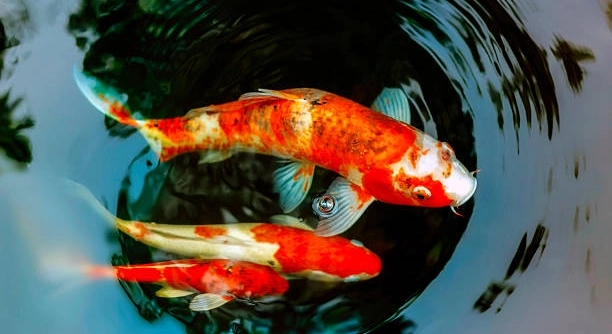
Many pond owners enjoy adding features to enhance their koi environment. However, some common additions can create stress or discomfort for the fish. Understanding which items cause annoyance helps keep koi healthy and happy.
Several typical pond additions, such as bright decorations, sharp rocks, noisy pumps, overcrowded plants, poor lighting, aggressive fish companions, and inappropriate feeding stations, can disturb koi behavior and wellbeing. These factors disrupt natural movement and cause unnecessary stress to koi.
Knowing what bothers koi can improve your pond’s atmosphere and your fish’s overall health and happiness.
Bright Decorations and Loud Noises
Many pond owners like to add colorful decorations to make their ponds look lively. Bright plastics, shiny objects, or flashing lights can catch koi’s attention, but often in a way that makes them nervous. Koi prefer calm, natural environments where they feel safe. Loud noises from pumps or nearby machinery can also startle them, causing stress and erratic swimming. Over time, this constant disturbance can affect their health and behavior. It’s better to choose subtle, natural decorations and keep noise levels low around the pond. Quiet water flow and natural stones create a peaceful atmosphere that koi enjoy.
Bright decorations and loud sounds may harm koi comfort and health. It is best to keep the environment calm and visually soft for their well-being.
Keeping a quiet and gentle pond environment is simple. Use natural materials like smooth rocks or aquatic plants. Avoid bright, shiny objects that reflect too much light. Place pumps and filters where noise is minimal or use quieter models. This helps koi stay relaxed and active in a healthy way.
Overcrowded Plants and Fish
Too many plants or too many fish in the pond can create problems for koi. Plants need space to grow, and koi need enough room to swim freely. When ponds are overcrowded, water quality often drops because there isn’t enough filtration for all the life inside. Overcrowding also increases competition for food, which stresses the koi. Without proper space, koi can become aggressive or hide more often. A balanced number of plants and fish helps keep the pond clean and koi calm.
Having too many plants or fish can cause stress and poor water quality in your pond.
Plants are important for koi ponds, but too many can block sunlight and reduce oxygen in the water. This makes it harder for koi to breathe and stay healthy. Also, plants that grow too thick can trap debris and create hiding places for pests. It’s best to choose low-maintenance, oxygen-producing plants and arrange them so koi have open swimming areas. Similarly, stocking your pond with an appropriate number of fish ensures everyone has enough space and food. This balance supports koi health and makes your pond easier to maintain. Regular trimming of plants and monitoring fish populations will keep your pond environment stable and comfortable for your koi.
Sharp Rocks and Edges
Sharp rocks or rough surfaces in a pond can injure koi. These fish have delicate fins and scales that can easily get torn or scratched. Injuries can lead to infections or slower healing if the environment isn’t safe.
It’s important to choose smooth stones and rounded edges for your pond’s design. Avoid jagged rocks or broken concrete pieces that might harm the fish. Smooth gravel or river stones work well to protect koi from cuts and scrapes. Injured koi may hide more or become less active, which affects their health.
Regularly inspect your pond for any new sharp objects or broken decorations. Replacing dangerous items helps keep koi safe and prevents unnecessary stress or injury in their home.
Aggressive Fish Companions
Some fish species do not get along well with koi. Aggressive or territorial fish may chase or nip at koi, causing stress and injuries. Mixing incompatible fish disrupts the peaceful environment koi need.
Choosing calm, compatible species helps maintain harmony in the pond. Fish like goldfish usually live well with koi, while more aggressive types should be avoided. Monitor interactions between fish to catch problems early and separate aggressive individuals if needed. Creating a balanced pond community protects koi’s health and promotes a stress-free habitat.
Poor Lighting
Too much artificial light at night can disturb koi’s natural rhythms. Bright lights may confuse them and cause stress, especially if they are on for long periods. Soft, natural lighting works best for koi ponds.
Limiting artificial light during nighttime helps koi rest properly. Using timers or shielding lights can reduce unnecessary brightness and keep the environment calm.
Inappropriate Feeding Stations
Feeding koi in the wrong spot can create problems. Food leftover on hard surfaces or near pumps often pollutes the water. This leads to poor water quality and health issues for the fish.
Setting up feeding stations away from filters and with easy cleaning options helps keep water clean. Feeding koi regularly but in moderation supports their wellbeing and reduces waste buildup.
Overfeeding
Overfeeding koi can cause water pollution and health problems. Uneaten food decays, increasing harmful bacteria and lowering oxygen levels. This creates a stressful environment for the fish.
Keeping to a proper feeding schedule with measured amounts helps maintain water quality. Observing koi behavior during feeding ensures they get enough nutrition without excess waste.
What types of decorations are best for koi ponds?
Natural decorations are best for koi ponds. Items like smooth river stones, driftwood, and aquatic plants create a calm environment that koi enjoy. Avoid bright, shiny, or plastic decorations, as they can stress koi. Decorations should also have no sharp edges to prevent injuries.
How can I reduce noise around my koi pond?
Place pumps and filters in areas that are less noisy or use models designed to operate quietly. Adding sound barriers, like plants or walls, can help reduce noise. Keeping the water flow gentle also lowers sound levels, making the pond more peaceful for koi.
What is the ideal number of fish for a koi pond?
A good rule of thumb is about 1 inch of fish per 10 gallons of water. Overstocking causes stress and poor water quality. Make sure your pond size matches the number of koi and other fish to keep the environment healthy.
How do I know if my koi are stressed?
Signs of stress include hiding, erratic swimming, loss of appetite, and faded colors. Injuries or fin damage can also indicate stress. If koi act differently, check the pond conditions, decorations, and companions to identify potential causes.
Can I keep other fish with koi?
Yes, but choose peaceful species like goldfish or certain types of shubunkin. Avoid aggressive or territorial fish that can nip at koi or compete for food. Compatibility helps maintain a calm pond and prevents injuries.
Why should I avoid sharp rocks in the pond?
Sharp rocks can cause cuts and tears on koi fins and scales. These injuries may get infected, leading to serious health issues. Using smooth stones helps protect koi and keeps them comfortable in their environment.
How often should I feed my koi?
Feed koi once or twice a day, giving only as much food as they can eat in about five minutes. Overfeeding leads to leftover food that pollutes the water and harms fish health. Adjust feeding based on water temperature and koi activity.
What plants are good for koi ponds?
Aquatic plants like water lilies, lotus, and floating plants provide shade and improve water quality. Choose plants that don’t overcrowd the pond and allow koi enough space to swim freely. Avoid plants with sharp edges or toxic properties.
How can I improve water quality in my pond?
Regular water changes, proper filtration, and controlling feeding amounts help maintain good water quality. Removing debris and trimming plants prevents buildup of organic waste. Testing water parameters regularly ensures a safe environment for koi.
Is lighting important for koi health?
Yes, koi need a natural light cycle to stay healthy. Too much artificial light at night disrupts their rest and stress levels. Use timers or cover lights to create a day-night rhythm that mimics nature.
What should I do if my koi get injured?
Isolate injured koi to a quarantine tank if possible. Clean wounds gently and use treatments recommended for fish infections. Improving pond safety by removing sharp objects and reducing stress helps prevent future injuries.
How do I handle algae growth in my pond?
Algae can be controlled by balancing sunlight, nutrients, and plants. Adding aquatic plants that compete for nutrients reduces algae. Avoid overfeeding and keep the pond clean. In severe cases, use safe algae treatments designed for koi ponds.
Keeping a koi pond healthy and peaceful requires attention to many small details. Adding decorations or plants may seem like a fun way to improve your pond’s look, but some choices can annoy your koi and cause problems. It is important to think about how each addition affects the fish. Bright or sharp objects can scare or injure koi, while too many plants or fish can make the water dirty and stressful. Choosing natural, smooth, and calm elements helps create a safe home for your koi.
Water quality is one of the most important parts of a koi pond. Overfeeding and leftover food often cause water pollution, which affects the fish’s health. Proper feeding habits and good filtration keep the water clean and clear. Koi also need a natural environment with soft lighting and quiet surroundings to feel comfortable. Noise and bright lights can disturb their natural behavior and cause stress. Watching how your koi act and adjusting the pond environment can prevent many problems.
Every pond is different, so what works for one may not work for another. Regular checks and small changes can make a big difference. Keeping sharp objects away, controlling the number of fish and plants, and choosing peaceful companions all help maintain balance. Taking care of your koi pond with simple steps ensures the fish stay healthy and happy. A peaceful pond is enjoyable for both the koi and the person who cares for them.

Hello,
If you enjoy the content that we create, please consider saying a "Thank You!" by leaving a tip.
Every little bit helps us continue crafting quality advice that supports the health, happiness, and well-being of pets around the world, for pets of all shapes, sizes, and species.
We really appreciate the kindness and support that you show us!