
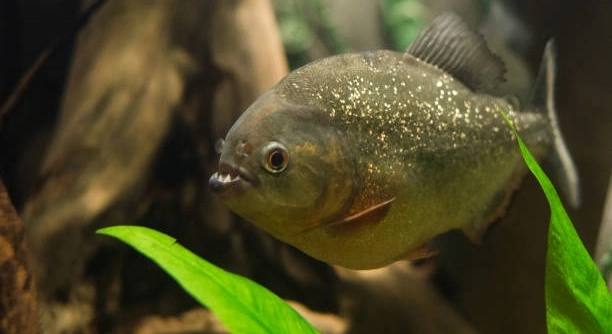
Are your aquarium habits changing now that your piranhas seem to be acting more confident around their tankmates or new objects?
Piranhas tend to exhibit bolder behavior when environmental stress is low and group size is optimal. These conditions reduce fear and increase exploratory actions, leading to more assertive movements, feeding responses, and social interactions among tankmates.
Their behavior can shift quickly, and observing these signs may help you understand what’s really going on beneath the surface.
They Stop Fleeing When You Approach
Piranhas are usually shy and quick to retreat when they sense movement outside their tank. However, if they start staying close to the glass or holding their ground as you approach, it may signal increased confidence. This kind of behavior shows they are feeling secure in their space and possibly establishing a form of recognition. Factors such as consistent feeding times, stable water quality, and a lack of perceived threats can all make piranhas feel safer. When they no longer see you as a risk, they behave more boldly, sometimes even displaying curiosity. This shift doesn’t happen overnight, but once it does, you’ll notice they no longer dart to the corners or hide behind plants at the first sign of motion. It’s one of the clearest signs that your piranhas are more comfortable, and it sets the tone for how they interact with you and their surroundings going forward.
This behavioral change can indicate growing trust, but it also means they are more likely to act on instinct and interest.
If they’ve stopped hiding when you’re nearby, it’s time to pay closer attention to their next steps. Boldness often brings more dynamic behavior—some of which can be surprising if you’re not prepared.
They Begin Nipping at Tankmates
This kind of aggression is not always about hunger. Sometimes, it means your piranhas are testing limits or feeling territorial.
Piranhas that feel bold may begin asserting dominance by lightly nipping at other fish in the tank. This isn’t always a direct attack but more of a sign they’re pushing boundaries. When stress is low and resources are steady, piranhas start focusing more on pecking order and social structure. This kind of interaction helps them establish their place within the group. You may also notice this behavior during feeding, when one fish consistently claims a certain spot or gets the first bites. While occasional nipping is normal in a shared tank, frequent or aggressive nipping may mean it’s time to reassess tank space or group balance. A bolder piranha often means a more dominant one, and if this behavior escalates, injuries or stress among other fish can follow. Keeping a close eye helps prevent more serious problems.
They Chase Moving Objects Outside the Tank
When piranhas feel bold, they may start reacting to fast movements outside the tank, like a waving hand or passing shadow.
This behavior usually signals higher awareness and increased confidence. Piranhas that feel secure will follow fingers, flashlights, or reflections along the glass. It’s not always a sign of aggression—they may be curious or expecting food. Still, it shows they no longer fear outside stimuli. Movement becomes something to engage with, not run from. This shift often occurs in tanks where routine, lighting, and space have remained stable for a while. If you notice this more often, it’s a strong indicator that your piranhas are confident in their surroundings and starting to feel in control of the space. It can be fun to observe, but keep in mind that too much external stimulation could eventually lead to stress or overexcitement, especially during feeding times or cleaning.
While harmless at first, repeated chasing of outside movement may lead to more intense reactions over time. It’s a good moment to evaluate tank placement and interaction frequency.
They Show Up Early at Feeding Time
When piranhas anticipate feeding and start hovering in wait, they’re showing confidence, memory, and even a bit of routine-driven behavior.
This shift often means they’ve learned to associate certain cues with food—like your steps or the lid opening. It’s a sign they feel secure enough to expose themselves without fear. Unlike timid behavior, where piranhas wait in hiding, bold ones will swim up to the top or front before food hits the water. This not only shows confidence but also signals growing comfort with human presence. If multiple fish start doing this together, it may also suggest stronger group dynamics. These patterns usually develop when feeding is consistent and stressors are limited. While it might seem like just a cute habit, it reflects deeper behavioral changes tied to trust and dominance.
Feeding time is one of the clearest windows into a piranha’s mood. If they’re eager and early, it often means they feel stable and safe. Keep a steady schedule and avoid overfeeding to maintain this behavior. Adding a slight variation in food type can also help keep them engaged without disrupting their comfort.
They Guard Specific Areas in the Tank
Piranhas that start hovering around one part of the tank may be showing territorial behavior. This is more common when they feel bold and confident, especially in groups where hierarchy is forming or already established.
They might chase others away or circle the area more often. Decorations, plants, or hiding spots often become the focus.
They Lunge When You Drop in Food
This is more than excitement—it’s assertiveness. A bold piranha will strike fast and take the lead at feeding time, often pushing others aside.
It’s a shift from passive to dominant behavior. This change may show they feel strong in their environment and aren’t afraid to act first. In some cases, it might lead to short bursts of competitive feeding or increased speed during meals. Watching how they behave when food hits the water can give you clues about their growing boldness. Just make sure all fish are still getting enough food and aren’t being pushed out consistently.
They Display More During Lights-On Hours
Increased activity during bright hours means they’re no longer trying to hide. Confident piranhas will move around more even when fully visible.
FAQ
Can bold behavior in piranhas lead to aggression?
Yes, it can. When piranhas feel bold, they may begin asserting dominance, especially in smaller tanks or crowded groups. This can show up as chasing, nipping, or guarding areas. While some aggression is part of their natural behavior, it can become harmful if one fish consistently bullies others or prevents them from eating. Keeping a close eye on group dynamics and providing enough hiding spaces can help reduce serious conflict. If needed, rearranging the tank or separating individuals may help manage rising aggression levels before injuries occur.
Is bold behavior always a good sign?
Not always. While boldness often means your piranhas feel comfortable, it can also be a sign they’re overstimulated. Too much light, noise, or external movement might make them react more sharply. If they’re constantly on edge or rushing toward the glass, it might be more about agitation than confidence. Watch for patterns—short bursts of activity during feeding or interaction are normal. But if they’re hyperactive all day or aggressive with each other, you may need to reduce external stressors or adjust the tank environment to help them settle down.
How long does it take for piranhas to become bold?
It varies. Some piranhas adjust quickly, especially if the tank is quiet, well-planted, and has stable water conditions. Others may take weeks or even months, especially if they came from a high-stress environment or are still adjusting to a new group. Boldness builds as they learn their space is safe, food comes regularly, and nothing threatens them. Patience is important—forcing interactions or changing conditions too often can actually delay this process. Let them move at their pace and watch for small shifts like less hiding or more movement during the day.
Should I be worried if one piranha is much bolder than the rest?
Not necessarily. In a group, one fish usually becomes more dominant. This bolder individual may be the first to eat, explore, or guard areas. As long as it’s not harming the others or blocking access to food, this behavior is normal. Still, keep checking that all the fish are healthy and feeding well. If the bold one is too aggressive or others seem stressed or underfed, it may be time to intervene. Adding more cover or adjusting group size can help balance out behavior and reduce tension in the tank.
What are some ways to encourage healthy boldness in piranhas?
Keep a consistent feeding schedule, maintain good water quality, and limit sudden changes in their environment. Giving them places to hide, like plants or rocks, actually helps them feel safer and more willing to explore. Avoid tapping on the glass or startling them with fast movements. Instead, approach calmly and speak gently when near the tank. Over time, they’ll begin to associate you with calmness and food, making them more confident and less likely to hide. Keeping stress low is the best way to support bold but stable behavior.
Can boldness in piranhas be reversed?
Yes, behavior can change based on conditions. If the tank becomes too noisy, crowded, or unstable, even bold piranhas may return to hiding or show signs of stress. Illness, water quality issues, or aggressive tankmates can also cause confidence to drop. That’s why regular monitoring is important. If you notice a sudden shift in behavior—especially if they were previously active and outgoing—it’s worth checking your setup and health levels. The sooner you respond, the more likely they are to bounce back and regain their comfort.
Final Thoughts
Piranhas can seem mysterious at first, but once you understand their behavior, it becomes easier to tell when they are feeling bold. These fish are not always aggressive by default. In fact, many of their actions are tied to how secure they feel in their environment. When conditions are stable, and their needs are met, piranhas are more likely to explore, interact, and even show personality. Watching them grow more confident can be rewarding, especially if you’ve spent time building a safe and balanced setup for them. Bold behavior shows that they’re adapting well and feeling less threatened.
It’s important to remember that boldness in piranhas can look different from one fish to another. Some may start coming to the front of the tank at feeding time, while others might chase movement or guard certain areas. Not all bold behavior is aggressive, but you should still observe changes closely. A sudden increase in chasing or biting could be a sign that something in the tank is off—like too little space or uneven group dynamics. On the other hand, slow, steady changes in behavior often reflect a growing sense of comfort. Tracking these shifts helps you better understand your fish and support their health.
Keeping piranhas can be simple if you’re patient and pay attention to their habits. Their bold actions are one of the clearest signs that you’re doing things right. As long as you continue to provide a calm, clean, and well-structured environment, they’ll likely stay active and alert. It’s not about forcing interaction—it’s about allowing space for it to happen naturally. If you notice small changes, like more daytime activity or a quicker response to food, that’s progress. With time, your piranhas may become more engaging and easier to manage, as long as their boldness is respected and balanced.

Hello,
If you enjoy the content that we create, please consider saying a "Thank You!" by leaving a tip.
Every little bit helps us continue crafting quality advice that supports the health, happiness, and well-being of pets around the world, for pets of all shapes, sizes, and species.
We really appreciate the kindness and support that you show us!