
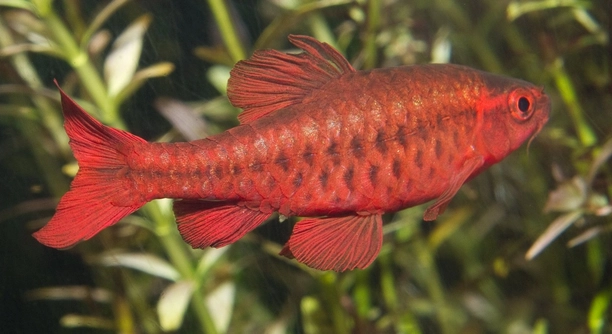
Cherry Barbs are small, vibrant fish that are popular in home aquariums. However, like all living creatures, they show signs of aging as they grow older. Observing these changes is important for their health and well-being.
As Cherry Barbs age, they undergo physical changes such as a loss of color, slower swimming speed, and changes in their behavior. These signs may indicate that they are reaching the end of their lifespan, which typically ranges from 3 to 5 years.
Recognizing these common signs early can help you ensure your Cherry Barbs continue to thrive for as long as possible.
Loss of Color
As Cherry Barbs age, you may notice their once vibrant colors begin to fade. Young Cherry Barbs are typically bright red or orange, but older ones will show a duller, less intense shade. This change happens gradually and is often one of the first signs of aging. It’s normal for the intensity of their colors to diminish as they age, but drastic color changes may indicate underlying health issues such as stress or poor water quality.
Their faded appearance can also be due to a decrease in activity levels and a shift in their feeding habits. Older fish tend to spend less time actively swimming and may become more sedentary. When Cherry Barbs aren’t as active, their body may lack the nutrients needed to maintain their vibrant colors. It’s essential to monitor their diet closely and ensure they receive a balanced range of nutrients, such as high-quality pellets or live food, to support overall health and prevent further color fading.
Feeding them properly, along with maintaining the right water conditions, can help slow down this process and keep them looking as healthy as possible.
Slower Swimming Speed
Aging Cherry Barbs tend to swim slower than their younger counterparts. This decrease in speed is due to a reduction in energy and muscle function as they grow older. You may notice that they no longer dart around the aquarium with the same energy they once had. Instead, they swim in a more sluggish manner. This slowdown in activity is natural as fish age, and it’s often accompanied by less interest in chasing food or interacting with tank mates.
While a decrease in swimming speed can be expected, it’s important to ensure that the tank environment remains stimulating. A lack of stimulation can lead to further inactivity and even stress. Adding plants, caves, and other hiding spots in the tank can encourage your aging Cherry Barbs to move around more and stay active.
A slow-moving Cherry Barb is usually a sign of aging, but if you notice a sudden change in behavior or a complete loss of swimming ability, it’s best to check water quality and consult a vet.
Reduced Appetite
As Cherry Barbs get older, they often lose interest in food, which can lead to a reduced appetite. This can be a sign that their metabolism is slowing down, and they might not need as much food. The change in eating habits can be gradual, but it’s important to monitor their intake closely.
If your aging Cherry Barb isn’t eating as much, it’s crucial to ensure the food provided is nutrient-dense and easy to consume. Offer smaller, more frequent meals to avoid overfeeding. Additionally, try varying their diet with different types of food such as live or frozen foods, which may be more enticing. Over time, you may notice they prefer certain types of food, which is common in older fish.
Pay attention to how much food remains uneaten after meals. If too much is left behind, it could indicate that your Cherry Barb is no longer consuming enough. If this continues for an extended period, a check on the tank’s water quality might also help.
Changes in Behavior
Behavioral changes are another clear sign of aging in Cherry Barbs. They may become more reclusive, spending time hiding in corners or staying closer to the bottom of the tank. This shift in behavior can result from a decrease in energy or an attempt to avoid more active, younger tank mates. In some cases, older Cherry Barbs might also show signs of aggression as they become less tolerant of others.
Such changes in behavior are typical as they age, but it’s still important to maintain proper tank conditions. If the changes seem drastic or are accompanied by other symptoms like lethargy or difficulty swimming, a more thorough check on their health is recommended. Aging Cherry Barbs may also be more sensitive to water quality, so maintaining consistent conditions will help reduce stress.
It’s helpful to observe your fish closely to gauge their activity levels. If your Cherry Barb seems unusually stressed or isolated, it may be time to adjust the environment, whether by providing more hiding places or checking the tank’s temperature and filtration system.
Cloudy Eyes
As Cherry Barbs age, their eyes may develop a cloudy or milky appearance. This can be caused by a natural aging process, but it can also indicate health problems like poor water quality or disease. It’s essential to keep an eye on their condition and ensure they are not in pain.
If the cloudiness in their eyes persists or worsens, it may be a sign of cataracts, which are common in aging fish. The condition is usually not reversible, but with proper care, the fish can continue to live comfortably. Maintaining a clean tank with stable water conditions is key to minimizing further complications.
Monitor their behavior closely for any signs of discomfort, such as rubbing their eyes or staying in one spot. If the cloudiness is accompanied by other signs of illness, it might be time for a more thorough examination.
Fading Fin Color
Another noticeable change in aging Cherry Barbs is the fading of fin color. The vibrant hues that once adorned their fins may begin to dull over time. This is a natural sign of aging, but it can also be linked to environmental stressors or poor nutrition.
If fading is noticed early, you can try adjusting their diet to include more colorful-enhancing foods. However, it’s important to remember that fin color loss is often inevitable with age, and it doesn’t always signal illness. Just ensure they are still active and their behavior remains normal.
Decreased Lifespan
As Cherry Barbs age, their lifespan naturally shortens, typically reaching around 3 to 5 years. If your fish is nearing the end of its lifespan, you may notice more pronounced signs of aging, including slowed movement, reduced feeding, and visible physical changes.
The quality of care they receive throughout their life can help extend their lifespan. Ensure the tank environment remains stable, providing optimal water quality and proper nutrition. However, once a Cherry Barb reaches its full age, it’s crucial to recognize that these changes are a part of its natural life cycle.
FAQ
What is the average lifespan of a Cherry Barb?
Cherry Barbs typically live for about 3 to 5 years in a well-maintained aquarium. Their lifespan can vary depending on water quality, diet, and overall care. If the water is kept clean and they are fed a balanced diet, they can live toward the upper end of this range. However, aging signs often become noticeable after 2 to 3 years. While they may live a bit longer in ideal conditions, their natural lifespan is relatively short compared to other fish.
How do I know if my Cherry Barb is sick or just aging?
It can be tricky to distinguish between aging signs and illness. If your Cherry Barb shows a gradual decrease in activity, fading color, or slower swimming speed without other symptoms like unusual swelling, lesions, or labored breathing, it’s likely due to aging. However, if the fish suddenly stops eating, becomes lethargic, or exhibits abnormal swimming behavior, it might be sick. Regular observation is key—any drastic or rapid changes in behavior or appearance should be addressed by checking the water quality or seeking advice from a veterinarian.
What can I do to care for an aging Cherry Barb?
As your Cherry Barb ages, their needs may change. Ensure the tank conditions are optimal by keeping the water clean, maintaining the correct temperature, and ensuring the filtration system is functioning well. You may also want to switch to higher-quality, more easily digestible food to support their health. Older fish tend to have a lower metabolism, so feeding smaller amounts more frequently might be helpful. Regular water changes and minimal stress are important for their well-being as they age.
Are Cherry Barbs more susceptible to diseases as they age?
Yes, older Cherry Barbs can be more susceptible to diseases. Just like other animals, aging fish experience a decline in immune function, making them less capable of fighting off infections. A decrease in activity or appetite can indicate that they’re struggling to stay healthy. Proper water quality and a stress-free environment will help reduce the chances of diseases. Regular observation for unusual signs like lesions, clamped fins, or cloudy eyes can help catch any problems early.
How can I prevent my Cherry Barb from getting too stressed?
Stress is a common issue for aging fish. To prevent stress, ensure your Cherry Barb’s tank is peaceful and stable. Avoid keeping them with overly aggressive or fast-moving fish that might cause anxiety. Keeping the water parameters stable (temperature, pH, and hardness) will help reduce stress, as will providing plenty of hiding spots and plants to make them feel secure. It’s also important to avoid sudden changes in the tank environment and minimize handling.
What are the signs of old age in Cherry Barbs?
Cherry Barbs show several signs of aging. These include fading color, slower swimming speed, reduced appetite, and behavioral changes like more time spent hiding or less interaction with tank mates. Older fish may also become less active and more prone to health issues such as cloudy eyes or fading fins. These changes happen gradually, and while they are normal, they can sometimes be mistaken for illness, so it’s important to distinguish them from disease.
Do Cherry Barbs need any special care as they age?
Aging Cherry Barbs don’t need much more care than younger fish, but adjustments are necessary to keep them comfortable. Ensure they have a well-balanced diet, with foods that are easier to digest. Their slower metabolism means they may not need as much food, but their diet should still be nutrient-dense. The tank should also be kept clean and stable, and stress should be minimized. Consider adding plants or hiding spots to help them feel secure and encourage gentle activity.
Can Cherry Barbs live with other fish as they age?
Yes, Cherry Barbs can live with other fish as they age, but care should be taken to choose tank mates that are not too aggressive. They may become more reclusive and less interactive with other fish, so choosing peaceful species that don’t overcrowd or bully them is ideal. Avoid overly active or territorial fish, as these can cause stress and prevent aging Cherry Barbs from feeding or moving around comfortably. Tankmates that share similar environmental needs are also essential for keeping the tank conditions suitable for everyone.
Why is my aging Cherry Barb hiding more than usual?
Hiding is common in aging Cherry Barbs. As they age, they may become more lethargic and seek out quiet spots to rest. It’s a natural behavior, but excessive hiding could indicate health issues, particularly if paired with a decrease in appetite or noticeable physical changes. Keep the tank well-maintained, and ensure that the environment is peaceful, as these factors may reduce stress and encourage more normal behavior.
How can I tell if my Cherry Barb is in pain?
While it can be hard to tell if a Cherry Barb is in pain, some signs include abnormal swimming behavior (such as rubbing against objects), clamped fins, or visible lesions. If your aging Cherry Barb suddenly becomes inactive, seems to have trouble swimming, or exhibits labored breathing, they may be in discomfort. It’s important to regularly monitor them for any signs of distress or injury, especially as they get older, and to maintain stable water conditions to minimize stress. If pain persists, consulting an aquarium vet is recommended.
Final Thoughts
As Cherry Barbs age, it’s important to recognize the natural signs of aging and provide them with the proper care they need. These fish, like all animals, go through a life cycle that includes changes in behavior, appearance, and overall health. The signs of aging, such as fading color, slower movement, and reduced activity, are normal. Understanding these changes will help ensure they live out their remaining years in comfort. Regular observation and maintaining stable water conditions will go a long way in keeping them healthy as they age.
While Cherry Barbs are relatively hardy, aging can make them more susceptible to diseases and stress. As their immune systems weaken, they become more vulnerable to infections. Proper tank maintenance, including regular water changes and monitoring of water quality, will help prevent unnecessary health problems. Additionally, feeding them a well-balanced diet that suits their aging needs is crucial for maintaining their health. The more proactive you are in caring for them, the more likely they are to live a comfortable life in their later years.
Ultimately, knowing when to step in and make adjustments to their care is key. While aging may bring challenges, it is also a natural process that can be managed with a little extra attention. By ensuring their environment remains peaceful and their needs are met, you can make their later years enjoyable. As they slow down and show signs of aging, continue to provide them with the best care possible, and remember that these small adjustments can make a significant difference in their overall well-being.

Hello,
If you enjoy the content that we create, please consider saying a "Thank You!" by leaving a tip.
Every little bit helps us continue crafting quality advice that supports the health, happiness, and well-being of pets around the world, for pets of all shapes, sizes, and species.
We really appreciate the kindness and support that you show us!