
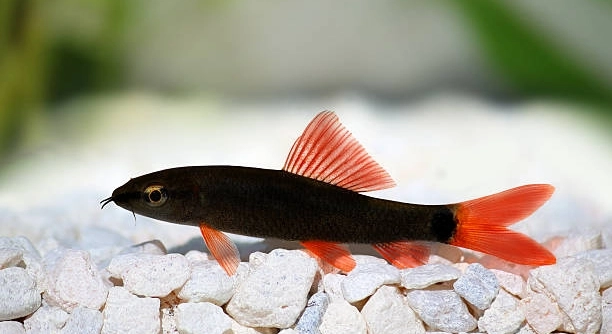
Rainbow sharks are popular freshwater fish known for their striking colors and active nature. Many aquarists enjoy keeping them in home aquariums. However, these fish can face several health challenges that may affect their well-being over time.
Common health problems with rainbow sharks include fin rot, ich, swim bladder disorder, and stress-related illnesses. Poor water quality, improper diet, and inadequate tank conditions are often contributing factors to these issues. Recognizing symptoms early can improve treatment success.
Understanding these common problems helps in maintaining a healthy environment for rainbow sharks. Awareness of their needs supports better care and long-term health in your aquarium.
Fin Rot in Rainbow Sharks
Fin rot is a common bacterial infection that affects the fins and tail of rainbow sharks. It often starts with small tears or ragged edges on the fins, which can quickly worsen if left untreated. Poor water quality and stress are typical causes, allowing bacteria to thrive and damage the delicate fin tissue. Keeping the tank clean and stable helps prevent fin rot. Signs include discoloration, fraying fins, and sometimes a foul smell from the infected area. Treatment usually involves improving water conditions and adding antibacterial medications to the tank. It is important to isolate affected fish if possible, to avoid spreading the infection. Regular water tests and partial water changes are key steps in maintaining a healthy aquarium environment. Early detection and consistent care can stop fin rot before it causes serious harm to the fish.
Fin rot often develops in tanks with fluctuating water parameters or overcrowding. Maintaining balance reduces risk significantly.
Proper tank maintenance combined with prompt treatment can restore fin health. A well-filtered and stable environment supports recovery and prevents future outbreaks.
Ich (White Spot Disease)
Ich, or white spot disease, is a parasitic infection that appears as tiny white dots on the skin and fins of rainbow sharks. This parasite irritates the fish and causes them to scratch against objects. If untreated, ich can lead to severe stress and death. The parasite thrives in poor water conditions, so maintaining clean, warm water is essential to control its spread. Treating ich requires raising the tank temperature slightly and using specific anti-parasitic medications. Quarantining new fish before adding them to the main tank also helps prevent infection. The parasite’s life cycle must be broken by treating the entire tank, as some stages are free-swimming and hidden. Watching for early signs can help stop ich before it becomes a serious issue.
Ich can spread rapidly if not addressed, so quick action is necessary.
Regular tank cleaning and careful monitoring reduce the chance of outbreaks and keep your rainbow sharks healthy.
Swim Bladder Disorder
Swim bladder disorder affects a rainbow shark’s ability to control its buoyancy. Fish may float awkwardly, struggle to swim properly, or remain at the tank’s surface or bottom. This condition often results from overfeeding, constipation, or infections.
Diet plays a crucial role in preventing swim bladder problems. Overfeeding or feeding inappropriate foods can cause constipation, which puts pressure on the swim bladder. It is best to feed rainbow sharks a balanced diet with occasional fasting days to help maintain digestive health. Also, soaking dry foods before feeding reduces the risk of air intake, which can worsen buoyancy issues. Maintaining good water quality supports overall fish health and helps prevent infections that could affect the swim bladder.
Treating swim bladder disorder involves correcting feeding habits and maintaining clean water. If constipation causes the problem, fasting and feeding peas can help. In some cases, medication may be necessary to address infections. Providing an environment with stable water conditions and a balanced diet is key to reducing swim bladder issues.
Stress and Its Effects on Health
Stress in rainbow sharks can come from overcrowding, aggressive tank mates, or poor water quality. It weakens their immune system and increases susceptibility to diseases.
Chronic stress causes behavioral changes like hiding, loss of appetite, and erratic swimming. It also makes rainbow sharks more vulnerable to infections such as fin rot and ich. Stress can be minimized by providing adequate tank space, compatible tank mates, and consistent water parameters. Using proper filtration and avoiding sudden changes in temperature or lighting helps keep the environment stable. Observing your fish regularly allows you to catch signs of stress early and make necessary adjustments.
Reducing stress supports your rainbow shark’s immune system and overall health. Creating a calm and stable environment ensures your fish can thrive and recover more quickly if health issues arise.
Poor Water Quality
Poor water quality is a major factor in many health problems for rainbow sharks. High levels of ammonia, nitrites, or nitrates can cause stress and illness.
Regular testing and water changes are essential to keep water parameters within safe limits. Overfeeding and overcrowding increase waste, worsening water quality. Proper filtration and maintenance prevent toxin buildup, protecting your fish’s health.
Nutritional Deficiencies
Rainbow sharks require a balanced diet rich in protein and essential nutrients. Lack of proper nutrition weakens their immune system and slows growth.
Feeding a varied diet including high-quality pellets, frozen or live foods helps meet their nutritional needs. Supplementing with vegetables occasionally supports their overall health and coloration.
Parasites and External Infections
Parasites and external infections cause discomfort and visible damage on rainbow sharks. These issues often arise from contaminated tanks or introduction of new fish without quarantine.
Prompt treatment with appropriate medications and maintaining a clean tank environment is necessary to control these infections and prevent spread.
FAQ
What causes fin rot in rainbow sharks?
Fin rot is usually caused by poor water quality, stress, or injuries that allow bacteria to infect the fins. Overcrowding and dirty tanks create an environment where harmful bacteria thrive, making it easier for fin rot to develop.
How can I prevent ich in my rainbow shark tank?
Maintaining clean water and quarantining new fish before adding them to the tank help prevent ich. Also, avoiding sudden temperature changes and using a reliable filter system reduce the chances of parasite outbreaks.
What are signs of swim bladder disorder?
If your rainbow shark floats awkwardly, has difficulty swimming, or stays at the top or bottom of the tank for long periods, it may have swim bladder disorder. These symptoms usually relate to digestive issues or infections.
How do I treat swim bladder problems?
Treat swim bladder disorder by adjusting feeding habits. Fasting for a day or two and feeding cooked, peeled peas can relieve constipation. Also, ensure water quality is good and consider medication if infection is involved.
Why is my rainbow shark stressed?
Stress can come from overcrowding, aggressive tank mates, poor water conditions, or sudden environmental changes. Stress weakens their immune system and makes them prone to diseases like fin rot and ich.
What steps reduce stress in rainbow sharks?
Provide plenty of space, compatible tank mates, stable water conditions, and proper hiding spots. Avoid sudden changes in temperature or lighting and maintain regular tank maintenance to create a calm environment.
How often should I test my aquarium water?
Testing water once a week is recommended, especially for ammonia, nitrite, nitrate, and pH levels. Frequent testing helps catch problems early and allows timely action to protect your fish’s health.
What is the best diet for rainbow sharks?
A balanced diet with high-quality pellets designed for omnivores, supplemented by frozen or live foods such as bloodworms or brine shrimp, supports health. Occasional vegetables like zucchini or spinach are beneficial too.
Can nutritional deficiencies cause health problems?
Yes, poor nutrition weakens the immune system and slows growth. Rainbow sharks need a diet rich in protein and vitamins to maintain their energy and vibrant colors.
How do parasites affect rainbow sharks?
Parasites cause irritation, visible spots, or damage to the skin and fins. If untreated, they can lead to stress, secondary infections, or even death.
How can I treat external infections and parasites?
Use aquarium-approved anti-parasitic medications and maintain clean water. Isolate infected fish if possible, and quarantine new additions to prevent spreading parasites.
What is the importance of quarantine for new fish?
Quarantining new fish for at least two weeks prevents introducing diseases or parasites to the main tank. This step protects the health of your established fish population.
Why does poor water quality cause health issues?
High toxin levels like ammonia and nitrites harm fish by stressing their immune systems and damaging their gills or skin. This creates conditions for infections and diseases.
What maintenance helps keep water quality safe?
Regular partial water changes, cleaning the substrate, avoiding overfeeding, and proper filtration all contribute to stable water quality, reducing health risks for rainbow sharks.
How can I recognize early signs of disease?
Look for changes in behavior like hiding, loss of appetite, erratic swimming, or visible symptoms such as discoloration, spots, frayed fins, or swelling. Early detection improves treatment outcomes.
Can overcrowding cause health problems?
Yes, overcrowding leads to poor water quality, increased stress, and aggression, all of which increase the risk of diseases like fin rot, ich, and swim bladder issues.
What tank size is recommended for rainbow sharks?
A minimum of 55 gallons is recommended to provide enough space for swimming and reduce territorial aggression. A larger tank supports better water stability and healthier fish.
How important is filtration for rainbow sharks?
Strong filtration removes waste and toxins, maintaining clean water. It is essential for preventing many common diseases and keeping your rainbow shark healthy.
What are common behavioral signs of stress?
Stress signs include hiding more than usual, reduced activity, loss of appetite, and sudden changes in swimming patterns or color.
How often should I feed my rainbow shark?
Feed small amounts 1-2 times daily, avoiding overfeeding. Regular fasting days once a week can help prevent digestive problems.
What should I do if my rainbow shark shows signs of illness?
Immediately check water quality and isolate the fish if possible. Begin appropriate treatment based on symptoms, and maintain clean, stable tank conditions to support recovery.
Are temperature fluctuations harmful?
Yes, sudden or frequent temperature changes stress rainbow sharks and increase susceptibility to infections like ich. Maintaining a stable temperature is critical.
Can I keep rainbow sharks with other fish?
Rainbow sharks can be territorial and aggressive, especially in small tanks. Choose compatible species and provide ample space to reduce conflicts.
How can I improve tank conditions for better health?
Keep water clean with regular changes, ensure good filtration, provide hiding places, and feed a balanced diet. Monitoring fish behavior helps catch health issues early.
Rainbow sharks are beautiful and active fish that can bring life to any freshwater aquarium. However, like any pet, they require careful attention to their health and environment. Understanding the common health problems they face helps ensure they live a long and comfortable life. By maintaining clean water, providing a balanced diet, and observing their behavior regularly, many health issues can be prevented or treated early. This care allows rainbow sharks to thrive and display their vibrant colors.
Many health problems in rainbow sharks are linked to water quality and tank conditions. Keeping the aquarium clean through regular water changes and proper filtration is essential. It prevents harmful bacteria and parasites from taking hold. Equally important is avoiding overcrowding, which reduces stress and aggression. Stress weakens the fish’s immune system, making them vulnerable to infections. Providing a calm and stable environment supports their overall well-being and helps avoid common diseases such as fin rot and ich.
Finally, paying attention to diet and feeding habits is crucial. Overfeeding or feeding the wrong foods can cause digestive problems and swim bladder disorder. Feeding high-quality foods and occasionally including live or frozen options promotes good health. Observing your rainbow shark’s behavior and appearance regularly will help catch problems early. Prompt treatment and adjustments in care often lead to successful recovery. With consistent attention and care, rainbow sharks can remain healthy and vibrant in your home aquarium for many years.

Hello,
If you enjoy the content that we create, please consider saying a "Thank You!" by leaving a tip.
Every little bit helps us continue crafting quality advice that supports the health, happiness, and well-being of pets around the world, for pets of all shapes, sizes, and species.
We really appreciate the kindness and support that you show us!