
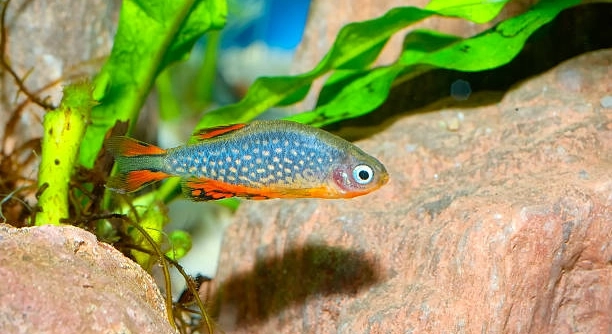
Are your danios showing subtle changes in their colors over time? Many fish owners notice these shifts and wonder if they indicate good health. Observing these changes can help you understand how your fish are adapting.
Color shifts in danios, such as brighter scales, intensified stripes, or richer body hues, are clear indicators of thriving health. Consistent vibrant coloration reflects proper nutrition, stress-free environments, and optimal water conditions, supporting their overall physiological well-being.
Monitoring these color changes offers valuable insight into your fish’s daily life and long-term health, providing practical cues for maintaining a happy, balanced aquarium environment.
Brightening of the Body Color
When your danios’ overall body color becomes more vivid, it is a strong sign they are thriving. Healthy danios display a brighter and richer palette compared to dull or faded tones that often signal stress or illness. This brightening usually starts subtly, with the fish appearing more radiant during feeding or while swimming actively in the tank. The change can be gradual over days or weeks, but consistent brightness is the best indication that their environment, diet, and water quality are suitable. Proper nutrition, including a mix of flakes, pellets, and occasional live food, directly contributes to this enhancement. Additionally, maintaining stable water parameters, like pH and temperature, and ensuring adequate filtration and oxygenation, helps preserve these colors. Fish that feel secure in their tank often show bolder colors as part of their natural behavior. Observing these shifts can help you adjust care practices to maintain optimal health.
Brightening of the body color reflects improved health, nutrition, and water conditions, signaling that your danios are adapting well to their environment.
Noticing these changes early allows you to reinforce positive conditions and ensure your danios continue to thrive over time.
Intensified Stripe Patterns
Intensified stripes are a clear visual marker of a thriving danio. These markings become more pronounced as the fish matures and feels secure. Sharp, well-defined stripes indicate strong pigmentation and overall vitality. Stress, poor nutrition, or inconsistent water quality can cause stripes to fade, so their clarity is reassuring.
Danios’ stripes intensify when they are in an environment that supports natural behaviors like schooling and swimming freely. A balanced diet rich in protein and carotenoids strengthens pigment cells, enhancing stripe contrast. Consistent lighting also affects how stripes appear, as natural or full-spectrum aquarium lighting brings out subtle hues in the patterns. Observing stripe changes alongside body brightness can provide a fuller picture of your fish’s health. Regular monitoring helps identify early signs of stress or dietary deficiencies. A tank that encourages movement, hides, and social interaction contributes to the visibility and sharpness of these stripes. Over time, thriving danios will consistently show vibrant, clear stripes across all individuals. This visual feedback reassures you that water conditions, feeding routines, and social setups are supporting your fish effectively.
Fins Showing Brighter Hues
Healthy danios often display brighter, more colorful fins when they are thriving. The fins may appear almost translucent with vivid edges, signaling good nutrition, proper water conditions, and minimal stress. Dull or torn fins often indicate underlying problems, so color changes are reassuring.
Proper feeding, including a mix of high-quality flakes and occasional live foods, supports fin pigmentation and growth. Clean, stable water conditions reduce fin damage from irritation or disease. Observing fin movement and color together gives insight into overall health. Bright, intact fins show your fish are active, confident, and adjusting well to their tank. Fins that flare naturally during swimming or interaction with other danios are another positive sign, reflecting their energy levels and comfort. Ensuring they have enough space to swim freely and avoiding aggressive tank mates also helps maintain fin brightness and condition. Over time, well-maintained danios will display consistently vivid fins, which is a subtle but important health indicator.
Brighter fins not only indicate thriving health but also highlight proper care, diet, and tank stability, confirming your fish are doing well.
Eye Color Intensification
When danios’ eyes become more pronounced or darker around the iris, it signals vitality. This change is often subtle but noticeable in thriving individuals and correlates with overall health and alertness. Stress or poor diet can cause eyes to appear dull or cloudy.
Healthy water quality, a balanced diet, and reduced stressors contribute directly to eye color intensification. Vitamins, especially carotenoids and vitamin A, influence pigmentation and help the eyes maintain a healthy appearance. Observing eye clarity alongside body and fin color provides a complete picture of health. Environmental factors like lighting and the presence of natural hiding spots also reduce stress and help fish maintain sharp, clear eyes. Fish with vibrant eyes tend to be more active, exploring the tank and interacting with peers confidently. Cloudy or faded eyes often indicate illness, making this color shift an early visual cue. Over weeks, consistent monitoring of eye brightness and overall activity ensures that danios remain in optimal condition. This visual indicator complements other signs like fin and stripe brightness, offering reassurance about the effectiveness of your care routines.
Gills Showing a Reddish Glow
Healthy danios often display a subtle reddish glow in their gills, signaling good oxygenation and strong circulation. Pale or discolored gills can indicate stress, poor water quality, or illness, making this glow an important visual marker of thriving health.
Proper water maintenance, including regular changes and adequate aeration, supports vibrant gill coloration. Observing the gills during calm swimming and feeding helps identify subtle shifts in health. A reddish glow paired with active behavior reflects overall vitality and comfort in the aquarium environment.
Belly Color Deepening
A deepened belly color is a clear sign of thriving danios. Well-fed fish with optimal water conditions develop richer belly tones, which indicate strong health and good nutrition. This is especially visible in females carrying eggs. Maintaining stable temperatures and a varied diet reinforces this color shift, showing that your fish are adapting well and thriving. Consistent observation helps track these changes and ensures your care routines are effective.
Tail Tips Showing Vibrancy
Tail tips becoming more vibrant is another indicator of a healthy danio. Bright edges on the tail reflect good nutrition and reduced stress, confirming proper tank conditions.
Why are my danios’ colors fading?
Fading colors usually indicate stress or suboptimal conditions. Poor water quality, inconsistent temperatures, overcrowding, or an unbalanced diet can all contribute. Danios are sensitive to their environment, and changes in lighting, filtration, or tank mates can also affect pigmentation. Regular water testing and proper feeding help prevent fading.
How long does it take for danios’ colors to improve?
Color improvement depends on the issue and the fish’s age. With stable water parameters and a balanced diet, minor dullness can brighten in one to two weeks. More severe stress or illness may take several weeks to fully resolve. Patience is important, as rapid changes can stress fish further.
Can diet really affect their colors?
Yes, diet plays a key role. Foods rich in carotenoids, like spirulina and certain flakes, enhance red and orange hues. Protein supports growth and pigment development, while occasional live or frozen foods stimulate natural coloration. Consistent, high-quality feeding ensures colors stay vibrant.
Do lighting conditions matter for coloration?
Lighting greatly affects visibility and pigment intensity. Full-spectrum or natural-light-mimicking bulbs make colors appear richer and more pronounced. Dim or inconsistent lighting can make even healthy fish appear dull. Maintaining a regular day-night cycle supports natural color expression and fish well-being.
Is water quality really that important?
Absolutely. Clear, well-oxygenated water with stable pH, temperature, and low ammonia or nitrite levels helps danios thrive. Poor water conditions stress fish, reduce immune response, and can cause dull colors. Frequent partial water changes and proper filtration are essential.
Can tank mates influence color?
Yes, aggressive or overly dominant tank mates can stress danios, causing pale or faded colors. Peaceful, similarly sized fish allow danios to feel safe, swim freely, and display natural pigmentation without fear. Observation is key to ensure a balanced social environment.
How can I tell if a color change is healthy or a problem?
Healthy color shifts are gradual, consistent, and paired with normal behavior, active swimming, and feeding. Sudden fading, blotches, or irregular patterns often signal stress or illness. Comparing your danios to their usual colors and watching behavior provides insight into their condition.
Do danios’ colors change with age?
Yes, young danios often have muted colors that intensify as they mature. Older fish may also show slight fading, which can be normal. Maintaining good nutrition and water quality helps preserve vibrant colors throughout their life.
Can stress affect the intensity of their stripes?
Stress can blur or dull stripe patterns. Factors like overcrowding, poor water conditions, or sudden changes in the tank disrupt natural pigmentation. Reducing stressors and providing hiding spaces allows stripes to regain their clarity and sharpness over time.
Should I be concerned if only some danios show brighter colors?
Individual differences exist. Genetics, age, and sex affect coloration, so some fish naturally appear more vivid. If all other health indicators—activity, feeding, fin condition—are normal, slight variations are usually harmless. Focus on overall tank health to maintain consistency.
Can seasonal changes impact color?
Yes, seasonal light variations can influence pigment visibility. In outdoor or naturally lit tanks, fish may appear brighter in summer due to increased light exposure. Indoor tanks with controlled lighting experience fewer seasonal fluctuations, keeping colors more consistent year-round.
Are there supplements that improve coloration?
Certain color-enhancing supplements, often containing carotenoids and vitamins, can support brighter hues. However, they should complement, not replace, a balanced diet. Overuse can cause nutritional imbalance, so moderation and high-quality foods remain the most effective approach.
How often should I monitor my danios for color changes?
Daily observation during feeding or tank maintenance helps catch subtle shifts early. Keeping a log of water parameters, diet changes, and behavior alongside color notes allows you to identify trends and act before problems develop.
Can breeding status affect colors?
Yes, females carrying eggs often show deepened belly colors, while males may display intensified stripes during mating periods. These changes are natural indicators of reproductive health rather than stress. Observing patterns alongside behavior confirms that these shifts are positive.
What is the best way to encourage vibrant colors naturally?
Provide high-quality food, stable water conditions, adequate tank space, compatible tank mates, and proper lighting. Minimize stress and maintain regular routines. Observing behavior and gradual color changes over time helps ensure danios remain healthy and visually vibrant in a natural, sustainable way.
Danios are lively and beautiful fish, and their colors are one of the clearest ways to see how well they are doing. Paying attention to color changes can tell you a lot about their health without complicated tests. Bright, vibrant colors usually mean that your fish are comfortable in their environment, eating well, and swimming actively. Subtle changes like intensified stripes, brighter fins, or deeper belly tones are all positive signs. Even small shifts in hue can indicate that the water quality, temperature, and diet you provide are suitable. Observing these changes regularly helps you notice problems early and make adjustments before they affect the overall health of your fish. Maintaining a stable environment and offering high-quality food contributes to long-term well-being, and the visual feedback from their colors makes caring for them rewarding.
Consistency is key when it comes to keeping danios thriving. Regular water testing, partial water changes, and monitoring tank parameters like pH, temperature, and oxygen levels create a foundation for healthy fish. Along with water quality, diet plays a major role in maintaining bright colors. A mix of quality flakes, pellets, and occasional live or frozen foods ensures that your fish get the nutrients they need for strong pigmentation and overall vitality. Lighting also affects how their colors appear. Full-spectrum or natural-light-mimicking bulbs help make their patterns and shades more visible. Keeping tank conditions consistent while allowing for natural behaviors such as swimming freely, schooling, and exploring the environment encourages your danios to display their best colors. Stress reduction is also important, as crowded tanks or aggressive companions can dull colors and impact health.
Watching your danios over time allows you to understand their individual traits and subtle differences. Some fish may naturally show brighter stripes or deeper belly colors than others, and that is normal. Observing these differences, alongside overall activity and appetite, gives you a clearer picture of their well-being. Color changes are not just decorative—they reflect a combination of nutrition, environment, and health. By maintaining stable conditions, a balanced diet, and a stress-free tank, you can help your fish show their brightest colors. These visual cues are satisfying to notice and act as confirmation that your care is effective. Paying attention to even small changes in fin tips, stripes, gills, or eyes ensures that you can respond quickly to any issues, keeping your danios healthy, active, and visually vibrant for years to come.

Hello,
If you enjoy the content that we create, please consider saying a "Thank You!" by leaving a tip.
Every little bit helps us continue crafting quality advice that supports the health, happiness, and well-being of pets around the world, for pets of all shapes, sizes, and species.
We really appreciate the kindness and support that you show us!