
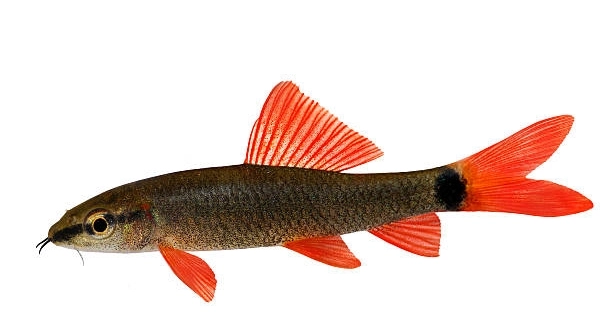
Rainbow sharks are popular aquarium fish known for their striking colors and peaceful nature. However, they sometimes show unusual behaviors that can worry their owners. Understanding what causes these issues is important for keeping them healthy and happy.
Rainbow shark behavioral problems often arise from factors such as inadequate tank size, poor water quality, lack of hiding spaces, aggression from tank mates, improper diet, stress, and illness. Identifying and addressing these causes promptly can help restore normal behavior and improve their well-being.
Learning about these causes will help you care better for your rainbow shark and create a calm environment in your tank. Proper care makes all the difference in preventing common problems.
Inadequate Tank Size
Rainbow sharks need plenty of space to swim freely and establish their territory. When the tank is too small, they become stressed and show aggressive or erratic behavior. A cramped environment limits their movement and increases competition for space, causing tension with other fish. Ideally, a tank for a single rainbow shark should be at least 30 gallons. If you keep more than one, you will need a larger tank to prevent conflicts. It’s also important to arrange the tank with decorations and plants to create separate areas where your fish can retreat. Without enough room, your rainbow shark may become restless, hide excessively, or display aggressive chasing behavior. Providing the right tank size helps keep their natural instincts balanced and reduces stress-related problems.
Smaller tanks usually lead to more behavior problems and faster water quality decline.
A larger tank offers more oxygen, better swimming space, and reduces stress levels. It helps your rainbow shark maintain its color and health, making your aquarium more peaceful overall.
Poor Water Quality
Water conditions greatly affect how rainbow sharks behave. Dirty or poorly maintained water stresses the fish and can cause illness. High levels of ammonia, nitrites, or nitrates are toxic and may result in lethargy, erratic swimming, or hiding. Regular water testing is necessary to keep these chemicals at safe levels. Changing 20-30% of the water weekly helps keep the tank clean. Filters should be checked and cleaned as well. A healthy environment keeps the fish calm and active.
To keep your rainbow shark healthy, monitor the water quality often and perform regular maintenance.
Maintaining good water quality is one of the easiest ways to prevent behavioral problems. These fish are sensitive to sudden changes in temperature, pH, and hardness, so consistency is important. Avoid overcrowding, as it contributes to waste buildup. Using a reliable filter suited to your tank size also helps. By keeping the water clean and stable, you create a stress-free environment where your rainbow shark can thrive and behave naturally. Good water conditions support their immune system, reducing the chance of diseases that can affect behavior. Monitoring and maintaining water quality shows you care about your fish’s well-being.
Lack of Hiding Spaces
Rainbow sharks need places to hide and feel secure. Without enough shelters, they can become stressed and aggressive toward tank mates.
Providing caves, plants, and decorations creates safe spots for your fish to retreat. This reduces stress and territorial fights. Hiding places help rainbow sharks rest and feel safe, which promotes calm behavior.
When your tank lacks hiding spaces, the fish may swim nervously or chase others constantly. Adding decor mimics their natural habitat, giving them comfort. It also allows shy fish to avoid confrontations. Well-planned hiding spots help balance tank dynamics and reduce aggressive displays. This simple step makes a big difference in your fish’s behavior and health.
Aggression from Tank Mates
Rainbow sharks are semi-aggressive and can become territorial, especially if other fish invade their space. Aggression often results from poor tank mate selection or overcrowding.
Avoid keeping rainbow sharks with fin-nipping or overly active fish. Peaceful, larger species usually coexist better. Overcrowding increases competition and stress, which triggers fights. Careful planning of tank mates and population size minimizes conflicts. Choosing compatible fish ensures a more peaceful tank environment.
Some fish provoke rainbow sharks unintentionally by invading their preferred swimming zones. Separating aggressive or incompatible species is important to reduce bullying and injury risks. A calm community tank encourages healthier, less stressed rainbow sharks. Proper tank mate choices improve social harmony and support positive behavior patterns.
Improper Diet
Rainbow sharks need a balanced diet to stay healthy and active. Feeding them only flakes or low-quality food can lead to poor behavior.
A mix of pellets, live, and frozen foods ensures they get enough nutrients. Proper nutrition supports their immune system and reduces stress.
Stress
Stress is a common cause of behavioral problems in rainbow sharks. Changes in the tank, loud noises, or poor water quality increase their stress levels.
Chronic stress weakens their immune system and causes erratic behavior like hiding or aggression. Keeping the environment stable and calm helps prevent stress-related issues.
Illness
Illness can cause changes in behavior such as lethargy, loss of appetite, or erratic swimming. Early detection is important to prevent serious health problems.
Watch for physical signs like discoloration, spots, or frayed fins. Prompt treatment improves recovery chances and reduces stress on your fish.
Why is my rainbow shark hiding all the time?
Rainbow sharks hide often when they feel stressed or threatened. This behavior is common if the tank lacks enough hiding spots or if tank mates are aggressive. Poor water quality or sudden changes in the environment can also cause them to seek shelter. Providing plenty of caves, plants, or decorations allows your fish to feel safe. Regular water testing and stable tank conditions help reduce stress. Sometimes, hiding increases when your rainbow shark is sick, so watch for other signs like loss of appetite or lethargy.
How big should my tank be for a rainbow shark?
A single rainbow shark needs at least a 30-gallon tank to swim comfortably and establish territory. If you plan to keep more than one, the tank size should increase accordingly—around 55 gallons or more for multiple sharks. Larger tanks reduce aggression and allow for better water quality. Overcrowding stresses fish and can cause behavioral problems. Adequate space with good filtration supports healthy behavior and vibrant coloration.
What do rainbow sharks eat?
Rainbow sharks are omnivores and need a varied diet. Pellets or flakes designed for bottom feeders work well as a staple. Supplement their diet with live or frozen foods like bloodworms, brine shrimp, or daphnia. Vegetables such as blanched zucchini or spinach can be offered occasionally. A balanced diet supports their energy and coloration. Avoid overfeeding, which pollutes the water and leads to health issues.
Why is my rainbow shark chasing other fish?
Chasing is often a sign of territorial behavior or stress. If the tank is too small or overcrowded, your rainbow shark may feel the need to defend its space aggressively. Lack of hiding spots also triggers chasing as fish compete for shelter. Adjusting tank size, adding decorations for cover, and choosing compatible tank mates can reduce chasing. Consistent water quality and diet also help lower stress levels.
How often should I change the water?
Changing 20-30% of the water every week is recommended. This keeps harmful chemicals like ammonia and nitrates at safe levels and maintains a stable environment. Frequent partial changes prevent buildup of waste and support good health. Avoid complete water changes unless necessary, as sudden shifts in water parameters can stress your fish.
Can rainbow sharks live with other fish?
Yes, but tank mate selection is important. Avoid small, slow-moving, or long-finned fish, as rainbow sharks may nip their fins. Larger, peaceful species that occupy different tank levels work best. Overcrowding increases aggression, so keep fish numbers balanced. Observe behavior regularly and separate aggressive fish if needed. Proper tank mate choices reduce stress and behavioral problems.
What signs show my rainbow shark is sick?
Signs of illness include loss of appetite, lethargy, clamped fins, faded colors, spots, or frayed fins. Erratic swimming or gasping at the surface may also occur. Early detection allows for quicker treatment and less stress. Regularly monitor your fish’s behavior and appearance to catch problems early. Quarantining new fish helps prevent spreading disease.
How can I reduce aggression in my tank?
Provide enough space, hiding places, and compatible tank mates to lower aggression. Avoid overcrowding and maintain good water quality. Sometimes rearranging decorations breaks established territories, reducing fights. Feeding regularly and ensuring a balanced diet also helps calm aggressive behavior. If aggression continues, consider separating aggressive fish or upgrading tank size.
Is it normal for rainbow sharks to be active at night?
Rainbow sharks are more active during dawn and dusk but can be active at night. They naturally swim near the bottom and may explore or forage when the lights are off. Providing hiding places helps them rest when needed. Sudden night activity can sometimes indicate stress or poor tank conditions, so monitor your tank environment closely.
How long do rainbow sharks live?
With proper care, rainbow sharks live around 5 to 8 years. Maintaining good water quality, a balanced diet, adequate space, and a stress-free environment extends their lifespan. Regular monitoring and early treatment of illnesses support their health. Proper care leads to a happier and longer life for your rainbow shark.
Rainbow sharks are beautiful and interesting fish that can bring a lot of life to a home aquarium. However, their behavior can sometimes be challenging to understand or manage. Many of the problems with their behavior come from their environment or care routine. When they don’t have enough space, hiding spots, or clean water, they may act stressed, aggressive, or shy. Making sure these basic needs are met helps them stay calm and healthy. Proper tank size, good water quality, and a well-planned tank setup with places to hide can reduce most behavior issues.
Feeding your rainbow shark a balanced diet is just as important. Like all fish, they need a mix of foods that provide essential nutrients. Offering a variety of pellets, frozen or live food, and some vegetable matter will keep them active and in good condition. Overfeeding or feeding only one type of food can cause health problems, which may lead to unusual behavior. Watching for signs of illness, such as hiding, loss of appetite, or changes in swimming, is important. Early attention to health issues can prevent more serious problems and help your fish recover faster.
Finally, it’s important to choose tank mates carefully and avoid overcrowding. Rainbow sharks can be territorial, especially in smaller tanks or when they feel stressed. Having peaceful, compatible fish in sufficient space will create a more balanced and calm aquarium environment. Regular maintenance like water changes and filter cleaning supports your fish’s well-being too. When you keep these factors in mind and provide a stable, comfortable home, your rainbow shark is more likely to show its natural colors and behaviors. Caring for them well means a healthier fish and a more enjoyable aquarium experience overall.

Hello,
If you enjoy the content that we create, please consider saying a "Thank You!" by leaving a tip.
Every little bit helps us continue crafting quality advice that supports the health, happiness, and well-being of pets around the world, for pets of all shapes, sizes, and species.
We really appreciate the kindness and support that you show us!