
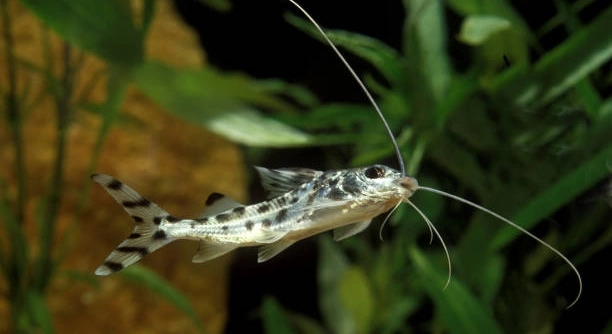
Many owners of Pictus catfish notice their pets pacing at night. This behavior can seem unusual or worrying for those unfamiliar with these fish. Understanding why it happens helps improve the care and environment of these active swimmers.
Night-time pacing in Pictus catfish is caused by several factors including stress, inadequate tank size, poor water quality, lack of hiding spots, improper lighting, hunger, and the natural nocturnal activity patterns of the species. Each of these elements influences their behavior significantly.
Identifying these causes will help you create a better environment for your catfish and promote their overall well-being. The following points explain each factor clearly for easy understanding.
Stress and Anxiety
Stress is a common reason Pictus catfish pace at night. Changes in their environment, like sudden loud noises or frequent tank disturbances, can make them uneasy. Even new tankmates can cause stress if they are too aggressive or territorial. When stressed, these fish swim restlessly, trying to escape or find comfort. Keeping the tank peaceful and stable helps reduce this pacing. Avoid tapping the glass or making sudden changes. It’s also important to observe how your catfish reacts when introducing new fish. Sometimes, a shy fish paces more if it feels threatened or overwhelmed by others nearby. Creating a calm environment benefits their health and helps them feel secure. Stress can weaken their immune system, so addressing it quickly is essential to prevent illness.
Stress in Pictus catfish is mainly caused by disturbances and threats within their environment, leading to restless pacing and discomfort.
To lower stress, maintain a quiet tank area, minimize sudden changes, and ensure your catfish has places to hide and feel safe. Gentle tankmates also improve their comfort level.
Tank Size and Space
A cramped tank can trigger pacing behavior. Pictus catfish are active swimmers that need enough room to explore, especially at night when they are most active. Small tanks restrict movement and increase frustration, leading to constant swimming back and forth. Ideally, the tank should be at least 55 gallons for a small group. This size allows enough space for swimming and resting areas. The more space they have, the more natural their behavior will be. Overcrowded tanks also cause stress and increase the chance of disease. Providing open swimming areas with some decorations for hiding spots creates a balanced environment. It helps your catfish feel less confined and more comfortable. When choosing a tank, think about how large your fish might grow and plan accordingly to avoid future problems.
A spacious tank supports natural activity and reduces pacing caused by confinement and stress.
Poor Water Quality
Dirty or unbalanced water can cause pacing in Pictus catfish. These fish are sensitive to toxins like ammonia and nitrites, which build up if the tank isn’t cleaned regularly.
Maintaining good water quality is essential. Test the water often to check ammonia, nitrite, nitrate, and pH levels. Perform regular water changes to keep these within safe limits. Poor water conditions irritate the fish and cause discomfort, making them swim restlessly as they try to escape the bad environment. Proper filtration and regular cleaning reduce stress and pacing caused by poor water quality.
Water temperature also matters. Pictus catfish prefer temperatures between 72°F and 79°F. Water outside this range can stress them and increase pacing. Keeping stable water parameters ensures your catfish stay calm and healthy.
Lack of Hiding Spots
Pictus catfish need places to hide, especially at night. Without enough shelter, they may pace due to feeling exposed and unsafe.
Adding caves, plants, and decorations provides security and reduces anxiety. These spots give the fish places to rest and retreat when they feel threatened or tired. Without hiding areas, the catfish stay on edge, moving constantly to find comfort. Well-planned hiding spots mimic their natural habitat and make the tank more inviting. Providing a mix of open space and cover supports their natural behavior, helping them feel protected and less restless throughout the night.
Improper Lighting
Too much light during the night can disturb Pictus catfish. These fish are naturally nocturnal and prefer dim or no light when they are active.
Bright lights can confuse them and cause pacing as they try to find darker areas. Adjusting tank lighting to mimic natural day and night cycles helps reduce this behavior.
Hunger
Hunger often makes Pictus catfish swim restlessly at night. If they don’t get enough food during the day, they will search actively when lights are low.
Feeding your catfish a balanced diet in the evening can help prevent pacing. Be sure to provide appropriate amounts to avoid overfeeding or underfeeding, both of which can cause issues.
Natural Nocturnal Activity
Pictus catfish are naturally more active at night. Their pacing often reflects this behavior and is not always a sign of a problem.
Understanding this natural rhythm helps owners avoid unnecessary worry when the fish pace during nighttime hours.
Why does my Pictus catfish pace only at night?
Pictus catfish are naturally nocturnal, meaning they are more active during nighttime. Their pacing is often part of their regular behavior as they explore and search for food. This is normal as long as the tank conditions are good, and the fish appear healthy. If pacing is excessive or frantic, it could signal other issues like stress or hunger.
Is pacing always a sign of a problem?
Not always. Pacing can be normal activity, especially at night when Pictus catfish are most lively. However, if pacing becomes constant or intense, it might mean something is wrong, such as poor water quality, lack of space, or stress. Observing other signs like loss of appetite or hiding can help decide if action is needed.
How can I tell if my catfish is stressed?
Signs of stress include constant pacing, hiding too much, loss of color, and reduced appetite. Stress often occurs because of poor water quality, aggressive tankmates, or sudden environmental changes. Keeping the tank stable and clean, and avoiding loud noises or disturbances, helps reduce stress.
Can tank size really affect pacing behavior?
Yes, tank size is important. Pictus catfish need enough room to swim freely. A small or overcrowded tank limits their movement and can cause frustration, leading to pacing. A tank of at least 55 gallons is recommended for a small group to ensure they have space to behave naturally.
What role does water quality play in pacing?
Water quality affects fish health directly. High levels of ammonia, nitrites, or nitrates irritate fish and cause discomfort, leading to pacing. Regular water testing and changes are essential to keep water parameters safe and stable. Clean, well-filtered water helps the fish stay calm and healthy.
How often should I feed my Pictus catfish?
Feeding once or twice daily is usually enough. Overfeeding can pollute the tank and cause health problems, while underfeeding may lead to restless searching at night. Providing a balanced diet appropriate for their size and species keeps them satisfied and less likely to pace.
Do hiding spots reduce pacing?
Yes, hiding spots offer security. Without places to retreat, Pictus catfish can feel exposed and vulnerable, causing them to pace nervously. Adding caves, plants, and decorations creates shelter, helping fish feel safe and less restless, especially during their active night hours.
Is lighting important for reducing pacing?
Lighting affects fish behavior. Bright or constant lighting at night disrupts their natural rhythm and can cause pacing. Mimicking natural day and night cycles with dim lights or timers supports their nocturnal habits, making them less stressed and more comfortable during nighttime activity.
What should I do if pacing continues despite good tank conditions?
If pacing persists, review all environmental factors like tank size, water quality, lighting, and hiding spots. Also, consider tankmates and feeding schedule. Sometimes, pacing is a natural trait of the fish, but if you notice other signs of illness, consulting a vet or fish specialist is best.
Can pacing lead to health problems?
Prolonged stress from pacing can weaken the immune system, making fish more prone to disease. It is important to identify and fix the cause of pacing early to avoid long-term health issues. Regular observation and proper tank maintenance are key to keeping your Pictus catfish healthy.
Pictus catfish are lively and interesting fish that show unique behaviors, especially at night. Their pacing can sometimes worry owners who are not familiar with this species. It is important to remember that some pacing is normal because these fish are naturally more active after dark. Understanding the reasons behind their pacing helps create a better environment for them. This makes it easier to know when the pacing is harmless and when it signals a problem. Paying attention to factors like water quality, tank size, lighting, and hiding spots is key to keeping your catfish comfortable.
When pacing is caused by stress or discomfort, it usually means something in their environment needs attention. Poor water quality, too little space, or bright lights can all cause them to swim restlessly. Making simple changes such as cleaning the tank regularly, providing enough room to swim, and adjusting lighting can make a big difference. Adding hiding places helps the fish feel safe and reduces their anxiety. Feeding them properly also plays an important role, as hungry fish will often pace while searching for food. Taking care of these needs helps the catfish feel secure and healthy.
It’s normal to worry when you see your fish pacing a lot, but knowing why they do it helps you respond better. Sometimes pacing is just a part of their natural behavior. Other times, it can show that the tank setup needs improvement. By keeping a close eye on your Pictus catfish and their environment, you can ensure they live a happy and healthy life. Small changes can lead to big improvements in their comfort and well-being. Your attention and care will help them thrive in their tank.

Hello,
If you enjoy the content that we create, please consider saying a "Thank You!" by leaving a tip.
Every little bit helps us continue crafting quality advice that supports the health, happiness, and well-being of pets around the world, for pets of all shapes, sizes, and species.
We really appreciate the kindness and support that you show us!