
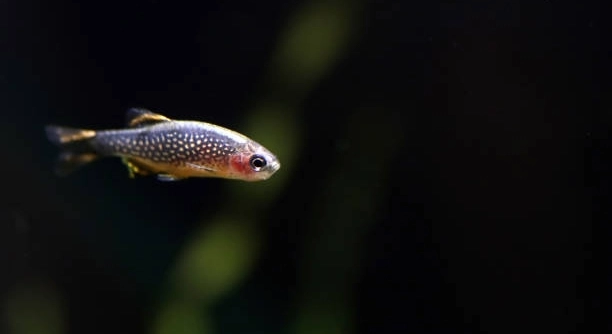
Keeping peaceful fish in small tanks can feel easier when choosing species that coexist well with active danios. I like creating calm environments that support gentle behavior and steady movement among my aquatic companions today.
Selecting calm species for small tanks alongside danios involves focusing on fish that maintain stable temperaments. Ideal companions demonstrate low territorial behavior, consistent swimming patterns, and reliable adaptability, which ensures balanced microhabitats and reduces stress within limited aquatic spaces overall.
These gentle choices help create smoother tank dynamics, offering a rhythm that supports peaceful living among small, active freshwater fish.
White Cloud Mountain Minnows
White Cloud Mountain Minnows work well with danios because they stay calm, move gently, and adapt easily to smaller tanks. I enjoy how they keep a steady pace without overwhelming other fish, making them reliable companions in limited spaces. Their soft colors and simple behavior help maintain peaceful routines that support stable conditions for both species. They tolerate cooler temperatures that danios also appreciate, which adds consistency to the environment. Their schooling nature keeps them focused on their own group rather than bothering tankmates, reducing unnecessary tension. I also like that they remain active without causing chaos, giving the tank a balanced feel. Their feeding habits are easy to manage, and they rarely compete aggressively for food. When kept in small numbers, they still form tight groups that swim smoothly, helping the tank look organized and calm. This creates a peaceful setup that supports healthy behavior across the whole tank.
Their calm nature blends well with danios, allowing both species to coexist comfortably in smaller setups. I appreciate how dependable they are in maintaining steady routines that support stable behavior. Their gentle schooling patterns help guide the overall tank rhythm without adding stress to the environment at any given time.
Keeping them with danios creates a balanced mix that feels calm and steady. Their gentle movements help soften the constant activity that danios bring, giving the tank a smoother dynamic. I like how they settle into routines quickly, which makes the tank feel predictable in a good way. Their peaceful habits also help reduce small conflicts that sometimes appear in active communities. Because they prefer swimming in groups, they stay focused on their own school and avoid interrupting others. This makes them an ideal choice for small tanks where space must be shared thoughtfully, supporting a stable environment overall daily.
Ember Tetras
Ember Tetras stay calm around active danios, making them suitable for small tanks. Their light swimming style supports a peaceful layout that feels steady. I like how they keep to themselves while adding soft color that does not disturb the overall balance of the habitat in a consistent and gentle.
Ember Tetras pair well with danios because they maintain steady behavior that fits comfortably in small tanks. Their tiny size and gentle nature allow them to move without disrupting the faster activity patterns seen in danios. I appreciate how they glide through the water in soft groups, forming a warm presence that feels comforting in compact setups. Their bright colors add a subtle highlight that does not overpower the visual balance of the tank. They rarely compete aggressively for food, which helps maintain smooth feeding routines that support a calm environment. Their adaptable mindset makes them resilient in varied tank conditions, especially when space is limited. I like how they interact lightly with their surroundings, creating a stable scene that keeps the tank peaceful throughout the day. Their schooling habits guide them to stay close to one another, which prevents unnecessary wandering that could bother more active fish. This reliable behavior makes them suitable companions for danios, helping the overall tank feel steady and controlled. Their presence encourages a soft, even rhythm that supports balanced living in small aquariums. When paired thoughtfully, they help bring calmness that benefits both species and keeps the tank environment predictable in a positive way.
Cherry Barbs
Cherry Barbs stay peaceful in small tanks and handle the active nature of danios without creating tension. Their gentle swimming style helps keep the environment calm, and I like how they remain focused on their own group rather than interacting too much with other fish.
Their steady nature makes them dependable companions, especially when space is limited. I appreciate how they move slowly and confidently, creating a soft contrast to the quicker pace of danios. They adapt well to shared feeding routines, which helps maintain smooth daily care. Their subtle colors add a warm touch without overpowering the tank. Cherry Barbs also prefer staying in small groups, which encourages stable behavior. They rarely chase other fish, allowing danios to swim freely without feeling pressured. Their presence introduces a calm tone that supports a balanced atmosphere in compact aquariums.
Keeping them with danios creates a mix that feels controlled and steady. They maintain simple patterns that match well with the movement of danios while helping minimize stress through consistent behavior. Their gentle temperament supports relaxed interactions and prevents disruptions that sometimes appear in busy tanks. I like how their habits stay predictable throughout the day. They do not compete aggressively for food, which makes feeding sessions easier. Their smooth swimming style helps keep the layout organized, giving the tank a peaceful flow overall. This balance supports healthy routines and keeps the tank running smoothly.
Endler Livebearers
Endler Livebearers work well in small tanks with danios because they maintain steady movement and avoid aggressive behavior. Their small size helps reduce crowding, and I like how they bring gentle energy that softens the faster pace of danios without interrupting their patterns.
Their adaptable behavior keeps the tank environment stable, especially in limited spaces. They feed calmly, which helps maintain smooth routines that do not overwhelm other fish. I enjoy how they move confidently but without excess speed, keeping interactions balanced. Their colors add brightness while still feeling subtle in compact setups. Endler Livebearers handle shared spaces well because they focus on simple swimming routes instead of chasing or territorial behavior. This helps reduce stress across the tank and supports healthier conditions for danios. Their predictable habits make maintenance easier by keeping the overall atmosphere steady. They also reproduce lightly when populations are managed, allowing the tank to stay organized. Their peaceful presence supports consistent behavior throughout the day, making them reliable companions for danios.
Continue the article with the following outline and format. Do not write an intro for each header, get straight to the point. Do not use a greeting. Make it feel slightly personal. Write in a simplistic style. Do not greet the reader.; Outline and Format: ; Header: xxxxxxxxxxxxxxxxxxx; 50 words paragraph; 50 words paragraph; Header: xxxxxxxxxxxxxxxxxxx; 100 words paragraph; Header: xxxxxxxxxxxxxxxxxxx; 50 words paragraph; Note: Skip the intro, get straight to the point. The rest of the headers will be provided later, so do not write them yet. Skip the conclusion, and recap. Respect the given word count for every paragraph.
FAQ
What tank size is suitable for keeping danios with calm species?
A tank of at least 10 gallons works for a small community, but larger is always better. I prefer giving my fish extra space to swim freely, which reduces stress and allows each species to maintain its natural behavior without crowding.
How many fish should I keep together in a small tank?
I usually follow a simple rule: one inch of fish per gallon of water. This keeps populations manageable. For danios and calm companions like pygmy corydoras or ember tetras, I keep small schools of three to five, ensuring everyone has enough room to swim comfortably and maintain normal routines.
Can I mix different types of barbs and tetras with danios?
Yes, but only calm varieties like cherry barbs or lambchop rasboras. I avoid aggressive or overly territorial fish because they can chase danios and create tension. Mixing peaceful species helps maintain a balanced dynamic, with everyone staying active yet stress-free.
Do danios require special feeding routines when kept with calm species?
Danios are active feeders, so I make sure to distribute food evenly. I often feed floating flakes or small pellets to reach all levels, while bottom-dwellers like pygmy corydoras get sinking food. This ensures everyone gets enough nutrition without competition, supporting a peaceful tank.
What water conditions are best for mixed small tanks?
Stable water temperature around 72–78°F and pH 6.5–7.5 works for most calm companions and danios. I monitor ammonia and nitrite levels carefully, performing regular partial water changes. Clean water helps prevent stress and disease, keeping both active and gentle species healthy in a shared environment.
How can I encourage peaceful behavior in a mixed tank?
I provide hiding spots with plants and decorations, which give fish security and reduce conflicts. Schooling species like rasboras or tetras feel safer together, which minimizes chasing. Calm species maintain their routine, while danios stay active without overwhelming others. This balance makes the tank feel stable and relaxed.
Are there any species I should avoid with danios in small tanks?
I avoid aggressive barbs, large cichlids, and overly territorial fish. These can chase danios and stress smaller companions. Stick to peaceful species that swim in groups or stay near the bottom. Choosing compatible fish ensures everyone can thrive without tension or competition in limited spaces.
How often should I check water quality in a mixed tank?
I test weekly for ammonia, nitrite, and nitrate, and check pH and temperature. Observing fish behavior also signals any issues early. Calm species are good indicators because they show stress less visibly, while danios’ activity levels reflect environmental stability. Regular checks maintain a healthy, peaceful tank.
Can small tanks with danios and calm species support breeding?
Yes, some species like guppies and endlers can breed easily. I separate fry when necessary because adults may eat them. I enjoy watching the fry grow, but managing populations carefully ensures the tank remains peaceful and not overcrowded, which keeps stress levels low for all fish.
How do I introduce new fish without causing stress?
I use a quarantine or slow-acclimation process. Floating the bag in the tank allows fish to adjust to temperature and water chemistry gradually. I release new fish carefully, observing behavior closely. This method reduces aggression and stress, helping calm species and danios coexist comfortably from the start.
What plants or decorations work best in small mixed tanks?
I choose soft-leaved plants and low decorations that create hiding spots but do not block swimming space. Floating plants help calm fish by diffusing light. Rocks or small caves give bottom dwellers security while active species like danios can swim freely. This creates a balanced, peaceful environment that suits all species.
How can I maintain a calm tank with active danios?
Consistency is key. I feed at regular times, monitor water quality, and maintain a stable environment. Schooling calm species stay together naturally, and danios benefit from clear swimming space. This routine keeps stress low, behavior predictable, and the tank visually harmonious for everyone.
Is it necessary to separate fish if conflicts arise?
Occasionally, minor chasing occurs, which is normal. I intervene only if one species is constantly stressed. Temporary separation or adding hiding spaces usually resolves the issue. Managing interactions calmly ensures both danios and their gentle companions thrive together without long-term stress.
Can I keep different calm species together in one tank?
Yes, as long as they have compatible sizes, temperaments, and swimming levels. I like mixing bottom dwellers, mid-level swimmers, and active surface fish. This prevents overcrowding, reduces competition, and allows peaceful coexistence while maintaining an engaging and balanced tank environment for everyone.
How important is regular maintenance in a small community tank?
Extremely important. I clean filters, remove uneaten food, and perform partial water changes weekly. Regular maintenance prevents water quality drops, reduces stress, and keeps calm species and danios healthy. Consistent care ensures that both active and gentle fish thrive together in harmony.
Keeping a small tank with danios and calm species can be very rewarding if the right choices are made. I have found that selecting species that are naturally peaceful and adaptable makes daily care easier and creates a stable environment. Fish like pygmy corydoras, ember tetras, and cherry barbs stay calm and maintain their own routines without interfering with the active swimming of danios. By observing the interactions in the tank, it is clear that compatible species help reduce stress and prevent unnecessary conflicts. The more thought put into pairing the right fish, the smoother the tank dynamics will be, which makes it a more enjoyable experience for anyone maintaining it. A calm tank is easier to manage because everyone has space and security, which keeps both activity levels and behavior balanced.
In my experience, providing proper space, consistent feeding, and stable water conditions supports a healthy community. Even small tanks benefit from careful planning, such as grouping schooling species together and ensuring there is enough room at different levels of the tank. Decorations, plants, and hiding spots contribute to a sense of security for more timid species, while giving active fish like danios the space to swim freely. Monitoring water parameters regularly and performing partial water changes keeps the environment predictable, which is important for reducing stress. I have noticed that when these routines are followed, fish settle into natural behaviors more quickly and maintain overall health. The tank becomes more visually appealing as well, with gentle movement from calm species contrasting nicely against the energetic activity of danios.
Maintaining a small mixed tank requires attention but can be very satisfying. Watching calm species coexist with active danios highlights how compatibility and careful planning influence tank harmony. I have learned that patience is key when introducing new fish, and observing their behavior early helps prevent conflicts. By balancing activity levels, feeding patterns, and environmental factors, it is possible to create a peaceful and lively aquarium even in limited spaces. Small tanks do not have to feel cramped or chaotic if species are chosen thoughtfully and care routines are followed consistently. In the end, the effort spent planning, observing, and maintaining the tank results in a community where each fish thrives, making it a rewarding and enjoyable setup.

Hello,
If you enjoy the content that we create, please consider saying a "Thank You!" by leaving a tip.
Every little bit helps us continue crafting quality advice that supports the health, happiness, and well-being of pets around the world, for pets of all shapes, sizes, and species.
We really appreciate the kindness and support that you show us!