
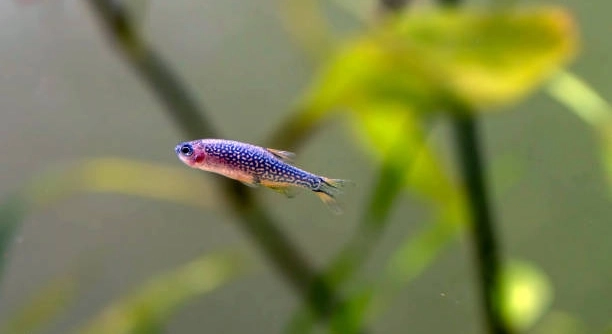
Many fishkeepers enjoy watching Danios swim freely but worry about complicated setups. Low-tech tanks offer a simple and calming way to care for these lively fish without constant maintenance or expensive equipment.
Low-tech Danio tanks provide a stable and manageable environment for fish, requiring minimal equipment while promoting natural behavior, reducing stress, lowering costs, and encouraging consistent water quality, making them a practical choice for both beginners and experienced aquarists.
These benefits create a peaceful and accessible aquarium experience, making it easier to enjoy the beauty of Danios every day without extra hassle.
Easier Maintenance
Setting up a low-tech Danio tank makes daily care much simpler. Without fancy filters or complicated lighting, you spend less time adjusting equipment and more time observing your fish. Water changes are straightforward, and cleaning becomes easier because there is less buildup of algae or debris. Plants can grow naturally, helping balance the water, and adding a few decorations keeps the fish happy. Because the tank relies on simplicity, it is easier to monitor water parameters and make small corrections before problems escalate. Feeding is also uncomplicated, as Danios are not picky eaters. You can use basic flake or pellet food without worrying about overcomplicating their diet. Many aquarists find that these tanks reduce stress for both the fish and the caretaker. Over time, the tank develops a rhythm that is easier to manage, making your experience more relaxed and enjoyable.
The low-tech setup saves time and reduces daily effort, letting you enjoy more of your tank.
A simpler tank also encourages observation. You notice how Danios interact with each other and their environment. Plants grow steadily, giving hiding spots and gentle currents for swimming. Fewer devices mean less noise and fewer sudden water changes, which can stress the fish. Over weeks, the ecosystem begins to balance itself, with plants and fish creating a stable environment. This stability reduces the need for constant intervention. For anyone balancing life and a hobby, a low-tech tank allows care without extra stress. It also teaches patience and observation skills, showing how small changes affect the aquatic environment. By focusing on simplicity, the tank remains visually appealing, healthy, and sustainable, making it an inviting space in your home.
Cost-Effective Setup
Low-tech tanks require fewer gadgets, lowering upfront costs.
Using minimal equipment reduces financial strain. You don’t need strong filters, elaborate lighting, or constant water additives. Plants and substrate can be chosen for natural growth, avoiding expensive decorations. Maintenance tools are simple, often reusable, and replacement parts are rarely needed. Energy bills are lower because pumps and lights are less powerful, making the setup economical over time. Even feeding is inexpensive, with common flake or pellet food meeting nutritional needs. This approach makes it accessible for those who want a satisfying aquarium without high ongoing costs. Beginners can start small and expand later, keeping expenses manageable. Many find that cost savings make the hobby more enjoyable and sustainable while still providing a healthy environment for Danios.
Over time, low-tech tanks show that affordability does not mean compromising quality. With proper plant care and regular monitoring, the tank maintains stable water conditions naturally. The simplicity allows for a clear view of fish behavior and plant growth without distraction from complex equipment. Less machinery means fewer risks of malfunctions or sudden changes in water conditions, which can be expensive to fix. Energy efficiency keeps operating costs low while supporting a healthy ecosystem. Aquarists can focus on observation, feeding, and occasional cleaning instead of constant adjustments, making the tank a more relaxing and predictable environment. This method proves that a cost-conscious setup can still provide beauty, stability, and long-term enjoyment, creating a satisfying balance between affordability and aquarium care.
Natural Behavior Encouragement
Danios thrive when given space to swim and plants to explore. Low-tech tanks create a calm, steady environment that encourages natural activity without constant disturbances. Fish interact with each other and the surroundings more freely.
A stable, low-tech setup lets Danios establish routines. They swim in groups, chase each other, and explore plants or decorations naturally. With fewer sudden changes in water flow or lighting, the fish show authentic behavior. Observing them is rewarding because patterns like schooling, resting, and playful chasing emerge without interference from complex equipment. The simplicity also benefits plants, which grow steadily, offering hiding spots and contributing to the fish’s sense of security. Over time, the tank becomes a small ecosystem where behavior unfolds naturally, providing a more engaging experience for anyone watching.
Stress levels decrease for Danios in low-tech tanks. Sudden fluctuations are rare, and gentle water conditions mimic their natural habitats. Plants and soft currents reduce anxiety, making them healthier and more active. This environment supports long-term well-being, as consistent conditions prevent illness and promote social interaction among the fish. Watching them flourish in a calm, simple tank creates satisfaction, showing that less complicated setups often lead to better outcomes for the fish.
Energy Efficiency
Low-tech tanks consume less electricity and require minimal equipment, saving energy daily. They rely on natural processes instead of constant mechanical support.
By reducing pumps, heaters, and intense lighting, low-tech tanks use energy more efficiently. Natural plant growth and gentle filtration maintain water quality without excessive power. Lights can run fewer hours, and circulation can remain minimal while still supporting fish health. The reduced need for devices lowers the environmental footprint and monthly energy bills. Energy efficiency also makes the tank quieter, creating a peaceful space without humming machinery. Over time, maintaining the tank becomes more sustainable, and less electricity use translates into cost savings, supporting both the home and the environment.
Low-tech systems encourage careful monitoring rather than automated fixes. Instead of relying on machines, you observe water clarity, fish behavior, and plant health. Adjustments are small and deliberate, like trimming plants or performing partial water changes, which further reduce energy demand. The tank relies on biological balance, with plants absorbing nutrients and stabilizing the ecosystem. This approach highlights how simplicity can replace complex, energy-intensive equipment while maintaining a healthy habitat. Energy efficiency aligns with practical maintenance, providing a tank that is economical, environmentally friendly, and easy to manage, demonstrating that minimal technology does not mean minimal care.
Reduced Stress
Danios feel calmer in low-tech tanks because water conditions are stable and predictable. Fewer devices and gentle currents create a peaceful environment that supports their natural behaviors.
This calm setup reduces sudden shocks from changes in temperature, flow, or lighting. Fish swim confidently, interact naturally, and explore plants without fear. Stress-related illnesses are less common, making overall health easier to maintain.
Simpler Water Quality Management
Low-tech tanks maintain water balance through plants and minimal filtration. Nutrient absorption and natural processes help keep ammonia and nitrates low, reducing the need for frequent chemical adjustments.
Regular observation and small water changes are usually sufficient. Over time, the tank reaches a stable ecosystem where water quality is easier to predict, allowing you to focus on enjoying the fish rather than constantly testing and correcting water chemistry.
Beginner-Friendly
Low-tech Danio tanks are straightforward for first-time fishkeepers. Minimal equipment lowers mistakes and reduces maintenance challenges, making the hobby accessible.
FAQ
What is a low-tech Danio tank?
A low-tech Danio tank is a simple aquarium setup that uses minimal equipment. It relies on plants, natural water processes, and basic filtration to maintain a healthy environment. There are no strong filters, intense lighting, or automated systems, making maintenance easier and the tank quieter.
Do Danios need a heater in a low-tech setup?
Danios are fairly hardy and can tolerate a range of temperatures. In most homes, a heater is optional unless your room temperature drops consistently below 68°F (20°C). If the tank stays stable, the fish can thrive without extra heat, reducing energy costs.
How often should water be changed?
Regular water changes are important, even in low-tech tanks. Typically, changing 20–30% of the water every one to two weeks keeps the tank balanced. Observing the water clarity and fish behavior helps determine the exact frequency needed for your tank.
What plants work best in low-tech tanks?
Low-light, slow-growing plants are ideal. Java fern, Anubias, and Cryptocoryne thrive without specialized lighting. Floating plants like duckweed can help control nutrients. These plants support the ecosystem by absorbing excess waste and providing hiding spots for fish.
How many Danios should be kept together?
Danios are schooling fish and need company. Keeping at least six together encourages natural behavior and reduces stress. A larger group helps them feel secure and allows their active swimming patterns to develop fully. Small groups may become timid or stressed.
Can low-tech tanks prevent algae growth?
Algae is natural but can be managed. Using live plants, controlling feeding, and avoiding excessive light helps prevent overgrowth. Regular observation and cleaning of glass or decorations keep algae at a manageable level without harsh chemicals.
Is feeding complicated in a low-tech setup?
Feeding is simple. Danios eat basic flake, pellet food, or occasional live/frozen treats. Overfeeding is the main concern, so giving small portions once or twice a day is enough. Uneaten food should be removed to prevent water quality issues.
Can low-tech tanks support breeding?
Yes, they can. Plants and gentle currents create suitable areas for egg-laying. Providing hiding spots for fry increases survival rates. While low-tech setups may require monitoring during breeding, they offer a calm, natural environment that encourages fish to reproduce.
How do I monitor water quality without complicated equipment?
Observe fish behavior and plant health closely. Clear water, active fish, and growing plants indicate stable conditions. Basic test kits for pH, ammonia, and nitrates can be used occasionally, but the low-tech approach depends largely on visual cues and small, regular water changes.
Are low-tech tanks suitable for small spaces?
Absolutely. Low-tech setups can be compact and still provide a stable environment for Danios. Smaller tanks are easier to maintain and require less equipment, making them perfect for apartments or rooms with limited space. Proper stocking and regular care ensure a healthy, vibrant tank.
Can I mix Danios with other fish in a low-tech tank?
Yes, if the other species are peaceful and have similar water requirements. Avoid aggressive or slow-moving fish. Small tetras, rasboras, or Corydoras catfish often work well. Always monitor interactions, as low-tech tanks have limited filtration, so overcrowding can affect water quality.
How long can a low-tech tank last without major upgrades?
A well-maintained low-tech tank can run for years without major changes. Consistent plant care, regular water changes, and monitoring fish health keep the tank stable. The simplicity reduces equipment failures and ongoing costs, allowing long-term enjoyment of a healthy aquarium.
What are the main advantages over high-tech tanks?
Low-tech tanks are quieter, cheaper, and easier to maintain. They promote natural fish behavior, reduce stress, and use less electricity. While high-tech tanks can offer rapid plant growth or automation, low-tech systems prioritize simplicity, stability, and a low-maintenance routine that works well for both beginners and experienced aquarists.
Can low-tech tanks handle sudden temperature changes?
They handle small fluctuations reasonably well, but extreme changes can stress fish. Avoid placing the tank near heaters, air conditioners, or direct sunlight. Stability is key, so monitoring the room environment helps keep Danios healthy without relying on extra equipment.
Is it harder to clean a low-tech tank?
Cleaning is actually simpler. With fewer devices and lower water flow, debris collects slowly. Plants absorb nutrients, reducing algae and waste buildup. Regular partial water changes, light substrate cleaning, and occasional trimming of plants keep the tank balanced without complicated procedures.
Are low-tech tanks suitable for children or beginners?
Yes, they are excellent for beginners or younger caretakers. Simple maintenance, hardy fish, and lower risk of equipment malfunction make the tank easier to manage. Observing natural fish behavior teaches responsibility and care while avoiding the stress of high-tech systems.
How can I enhance plant growth naturally?
Use nutrient-rich substrate and provide moderate lighting. Occasional liquid fertilizers designed for low-light plants can help. Avoid overfertilizing, which leads to algae. Choosing slow-growing species ensures steady growth without high-tech CO₂ or intense lighting.
Can low-tech tanks maintain stable pH?
Yes, especially with live plants and minimal disturbances. Regular water changes and substrate selection help stabilize pH. Observing fish behavior also gives clues; sudden stress or lethargy may indicate a shift. Careful management ensures water conditions remain safe for Danios.
Do I need strong water flow in a low-tech tank?
Not usually. Gentle currents are enough to distribute nutrients and oxygen. Danios prefer light movement, and excessive flow can stress them. Low-tech setups often rely on natural circulation or small filters to maintain a calm, balanced environment.
How do I know if my Danios are happy?
Active swimming, schooling behavior, and interaction with plants indicate well-being. Healthy coloration, regular feeding, and low stress levels show that the tank provides a suitable environment. Observing these signs ensures the low-tech setup meets their needs.
Can low-tech tanks support flowering plants or just leafy types?
Mostly leafy, slow-growing plants thrive. Flowering plants generally require higher light or CO₂, which low-tech tanks avoid. Choosing adaptable, low-light plants ensures stability, easier maintenance, and a natural environment that supports the fish.
Are low-tech tanks noisy?
They are usually quiet. Minimal pumps and gentle filtration reduce sound. This creates a peaceful environment for both the fish and the room, making it easier to enjoy without constant mechanical noise.
What is the ideal tank size for Danios in a low-tech setup?
A minimum of 10–15 gallons is recommended for six or more Danios. This provides enough swimming space, room for plants, and stable water conditions. Larger tanks are better for maintaining balance and supporting natural behavior.
How often should I trim plants?
Trim slowly growing plants every few weeks or as needed. Removing dead leaves and shaping growth keeps the tank tidy and prevents overcrowding, while supporting healthy plant development without extra equipment.
Can low-tech tanks handle small amounts of decorations?
Yes, decorations are fine if they don’t block swimming space or reduce water flow. Rocks, driftwood, and small ornaments can provide hiding spots and visual interest without complicating maintenance.
Are low-tech tanks compatible with seasonal changes?
Yes, as long as room temperature is reasonably stable. Plants and fish can adjust gradually. Extreme cold or heat should be avoided to maintain stability, but minor seasonal changes are usually fine without extra equipment.
Do low-tech tanks require special substrate?
A nutrient-rich substrate helps plant growth, but standard aquarium sand or gravel can work. Choosing the right base supports plants and maintains a balanced environment without needing high-tech solutions.
Can low-tech tanks prevent fish diseases?
They reduce stress-related illnesses because conditions are stable. Proper feeding, regular observation, and clean water help prevent outbreaks. While no tank is immune, low-tech setups lower the risk of common problems associated with fluctuating or overly complex environments.
Are low-tech tanks suitable for long-term care?
Yes, they can remain healthy for years with proper maintenance. Simplicity, stability, and consistent observation create an environment that supports fish health and plant growth over the long term. Regular care ensures the tank continues to thrive.
Can low-tech tanks be upgraded later?
Yes, you can add stronger filters, lighting, or CO₂ if desired. Starting simple allows you to understand the tank’s needs before introducing advanced features. This approach keeps initial costs low while leaving room for future improvements.
How do I prevent overcrowding?
Plan fish numbers carefully. Stick to recommended group sizes, provide adequate swimming space, and observe behavior. Overcrowding can harm water quality and stress fish, so simplicity helps maintain proper stocking levels.
Can low-tech tanks support seasonal plant growth?
Yes, most slow-growing plants adapt naturally. Seasonal changes in light or temperature may slightly alter growth rates, but stable conditions allow them to thrive without extra energy or equipment.
Are low-tech tanks visually appealing?
Yes, natural plants, smooth substrate, and active fish create a calm and attractive display. Simplicity emphasizes fish behavior and greenery, making the aquarium both relaxing and enjoyable to observe.
How often should I test water parameters?
Occasionally, especially during setup or if fish show signs of stress. Low-tech tanks rely on observation, but periodic testing of pH, ammonia, and nitrates ensures stability and prevents unnoticed issues.
Can low-tech tanks be used in offices or small rooms?
Yes, compact, quiet, and low-maintenance tanks fit well in offices or small spaces. They provide a calming visual focus without complex setup or excessive noise.
Do low-tech tanks save money long-term?
Yes, lower equipment needs, reduced electricity, and minimal ongoing maintenance make them cost-effective over time. Plants and fish thrive without extra investment, allowing a sustainable, budget-friendly aquarium.
Are low-tech tanks safe for children to interact with?
Yes, minimal equipment and hardy fish make them safer for children. Supervision is still recommended, but simple feeding and observation are easy for younger caretakers to handle.
Can low-tech tanks handle different water types?
Most Danios adapt well to standard tap water with minor adjustments. Low-tech setups are forgiving, though sudden changes or very hard/soft water may require monitoring.
What are the limits of low-tech tanks?
They do not support high-light, fast-growing plants or heavily stocked setups. Complex aquascapes or fish with extreme care needs may require high-tech solutions. Simplicity works best with moderate plant growth and hardy fish.
How can I ensure longevity of the tank?
Consistent maintenance, observation, and patient care keep the system stable. Regular water changes, plant trimming, and monitoring fish behavior support a healthy environment that lasts for years.
Can low-tech tanks include shrimp or snails?
Yes, small invertebrates like cherry shrimp or nerite snails thrive in low-tech setups. They help control algae and add diversity without increasing maintenance significantly.
How do I introduce new fish?
Acclimate slowly by floating the bag in the tank and gradually mixing water over 30–60 minutes. Low-tech tanks are stable, but sudden changes can stress new fish. Proper introduction prevents shock and promotes healthy adaptation.
Are there risks of overplanting?
Yes, overcrowding plants can reduce swimming space and light penetration. Choosing slow-growing species and trimming regularly ensures balance without complicating care.
How do I handle emergencies?
Keep basic testing kits, a net, and a small container for water changes. Most problems in low-tech tanks are minor, but early intervention prevents escalation. Monitoring behavior is key to detecting issues quickly.
Can low-tech tanks be automated later?
Yes, adding timers, filters, or CO₂ is possible. Starting simple helps you understand natural balance before introducing automation. This keeps costs low initially and allows gradual upgrades.
Is water aeration necessary?
Minimal aeration is fine if plants are present and surface movement exists. Low-tech setups rely on natural oxygen exchange, so strong air pumps are not required.
Do low-tech tanks require special lighting schedules?
Moderate lighting is sufficient. 8–10 hours per day supports plant growth without promoting excessive algae. Using a timer helps maintain consistency and prevents fluctuations.
Can low-tech tanks support seasonal decorations?
Yes, decorations can be changed for variety as long as they do not disrupt swimming space or plant growth. Simple adjustments keep the tank visually appealing without adding complexity.
What is the ideal substrate depth?
1–2 inches is usually enough for plant roots and stability. Deeper substrate is optional but not necessary for low-tech plant growth.
Can low-tech tanks handle small fish only?
Yes, smaller species like Danios, tetras, or rasboras do well. Avoid large or aggressive fish, which require more filtration and space.
Are low-tech tanks low-maintenance long-term?
Yes, the simplicity allows steady, manageable upkeep. Regular observation, partial water changes, and plant care are enough to sustain the tank.
Do I need to worry about water hardness?
Danios tolerate a moderate range. Low-tech tanks are forgiving, but extreme hardness or softness should be monitored and adjusted if needed.
Can low-tech tanks support breeding without extra tools?
Yes, with plants and hiding spaces, Danios can spawn naturally. Regular monitoring ensures fry survival, and no advanced equipment is needed.
Are low-tech tanks suitable for apartments?
Absolutely, small space requirements, quiet operation, and easy maintenance make them ideal for apartment living.
How often should I feed the fish?
Once or twice daily in small portions. Overfeeding can harm water quality, so moderation is key.
Can low-tech tanks be placed near windows?
Avoid direct sunlight to prevent temperature swings and algae overgrowth. Indirect light is fine for plants.
Are low-tech tanks visually dull?
No, healthy plants, swimming Danios, and simple decorations create a natural, attractive appearance without extra equipment.
Do low-tech tanks require complex equipment for filtration?
No, simple sponge filters or gentle internal filters are enough. Plants contribute to water quality, reducing reliance on machinery.
Can low-tech tanks support seasonal water changes?
Yes, partial water changes a few times a month maintain stability without disturbing the ecosystem.
Are low-tech tanks prone to disease?
With stable water and low stress, Danios remain healthy. Proper care prevents most common illnesses.
Can low-tech tanks handle multiple species?
Yes, peaceful fish with similar needs work well together. Avoid aggressive or large fish that disrupt balance.
Do low-tech tanks need frequent adjustments?
No, minor maintenance like water changes and plant trimming is sufficient. Regular observation ensures stability.
Can low-tech tanks survive power outages?
Yes, fewer devices mean minimal disruption. Fish and plants tolerate short outages better than high-tech setups.
Are low-tech tanks suitable for small children?
Yes, simple feeding and observation tasks are safe and easy for children under supervision.
How do I control algae naturally?
Use plants, moderate light, and avoid overfeeding. Small snail species also help keep algae in check.
Can low-tech tanks support gentle water movement?
Yes, light currents from plants or sponge filters are enough to circulate water and oxygenate the tank.
Are low-tech tanks easier to monitor?
Yes, fewer devices mean visual observation is enough to track fish health, water clarity, and plant growth.
Do low-tech tanks support long-term fish health?
Yes, stable conditions, low stress, and natural environments promote longevity and vitality for Danios.
Can low-tech tanks be upgraded to high-tech later?
Yes, adding stronger lighting, CO₂, or filtration is possible once basic care is mastered, allowing gradual expansion.
How do I know when a tank is balanced?
Clear water, healthy plants, active fish, and minimal algae indicate a balanced low-tech system. Regular observation is the best guide.
Are low-tech tanks quiet?
Yes, minimal equipment reduces noise, creating a peaceful environment for both fish and caretakers.
Can low-tech tanks support shrimp or snails?
Yes, small invertebrates thrive and assist with algae control without adding complexity.
Do low-tech tanks save money?
Yes, minimal equipment, low energy use, and reduced maintenance costs make them economical over time.
How often should plants be fertilized?
Occasionally, using low-light liquid fertilizers if growth slows. Overfertilizing can cause algae issues.
Can low-tech tanks be left unattended for short periods?
Yes, they are forgiving, but feeding and observation should resume promptly to maintain stability.
Do low-tech tanks require water conditioners?
Optional, depending on tap water quality. Many systems rely on plants and regular changes to maintain balance naturally.
Can low-tech tanks support seasonal fish growth?
Yes, fish adapt to gradual temperature and light changes without extra equipment, provided extremes are avoided.
Are low-tech tanks easier to set up initially?
Yes, fewer devices, simple substrate, and basic plants make setup straightforward and less stressful.
Do low-tech tanks require daily attention?
No, light observation and occasional feeding are sufficient, making the system low-maintenance and manageable.
Can low-tech tanks handle winter temperature drops?
Minor drops are acceptable, but prolonged cold may require a heater. Fish tolerate gradual changes better than sudden shifts.
Are low-tech tanks suitable for office desks?
Yes, compact, quiet, and easy to maintain, providing a calming presence without complicated equipment.
Can low-tech tanks support decorative rocks or driftwood?
Yes, as long as they do not overcrowd swimming space or alter water chemistry.
How do I prevent overfeeding?
Give small portions once or twice a day and remove leftover food to avoid water issues.
Can low-tech tanks maintain stable oxygen levels?
Yes, plants, light water movement, and surface exchange usually supply enough oxygen for Danios.
Do low-tech tanks need timers for lights?
Optional but helpful. Consistent light schedules support plant growth and fish routines.
Can low-tech tanks support seasonal fish behavior changes?
Yes, Danios adapt naturally to minor seasonal variations without extra intervention.
Are low-tech tanks suitable for small apartments?
Absolutely, minimal space, quiet operation, and easy maintenance fit well in limited areas.
How do I introduce live plants safely?
Rinse thoroughly to remove pests or algae. Slowly acclimate them to the tank environment before planting.
Can low-tech tanks support a small group of Danios only?
Yes, small groups of six or more thrive in low-tech setups, encouraging natural schooling behavior.
Are low-tech tanks easy to relocate?
Yes, smaller tanks with minimal equipment are simpler to move, though water and plants should be handled carefully.
**Do low-tech tanks require daily observation
Low-tech Danio tanks are a practical choice for anyone who wants a simple, manageable aquarium. They do not rely on complex equipment or constant monitoring, which makes them ideal for beginners and people with busy schedules. By keeping the setup straightforward, the fish can thrive in a calm and stable environment. Plants and decorations naturally balance the water, reducing the need for chemical additives or complicated filtration systems. Over time, the tank becomes a self-sustaining ecosystem where small interventions, such as water changes and plant care, are enough to maintain health. This simplicity allows you to enjoy the activity and behavior of Danios without feeling overwhelmed by maintenance. The clear water, active fish, and healthy plants create an environment that is visually appealing and relaxing, bringing a touch of life into your home with minimal effort.
Another advantage of low-tech Danio tanks is the cost savings and energy efficiency they provide. Without heavy filters, intense lighting, or heaters, these tanks consume less electricity and require fewer replacements or upgrades. Feeding is simple and inexpensive, using basic flake or pellet food. Even plant care is manageable, as slow-growing species thrive under low-light conditions and require only occasional trimming. Because maintenance is easier, the tank reduces both stress and time commitment for the caretaker. This approach allows for a more enjoyable experience, focusing on observing the fish and appreciating their natural behaviors. Low-tech tanks also offer flexibility, as they can be expanded or upgraded later if desired, but the base system remains functional and effective on its own. By emphasizing simplicity and balance, these setups demonstrate that a beautiful and healthy aquarium does not need to be complicated or costly.
Finally, low-tech Danio tanks support the long-term well-being of the fish. A stable environment with gentle water flow, hiding places, and plant cover reduces stress and encourages natural behaviors such as schooling and exploring. Healthy fish are more active, display vibrant colors, and are less prone to illness. The ecosystem created by a low-tech tank benefits both the plants and the fish, as plants absorb waste and improve water quality, while fish provide nutrients that help plants grow. Observing this interaction can be rewarding, as you watch how the system maintains balance naturally. Overall, low-tech Danio tanks provide a straightforward, sustainable, and visually pleasing aquarium experience. They allow for enjoyment without constant intervention, making it easy to maintain a peaceful aquatic environment that keeps both the fish and caretaker satisfied over the long term. This approach combines simplicity, cost-efficiency, and effective care, creating an accessible and lasting way to enjoy the beauty of Danios.

Hello,
If you enjoy the content that we create, please consider saying a "Thank You!" by leaving a tip.
Every little bit helps us continue crafting quality advice that supports the health, happiness, and well-being of pets around the world, for pets of all shapes, sizes, and species.
We really appreciate the kindness and support that you show us!