
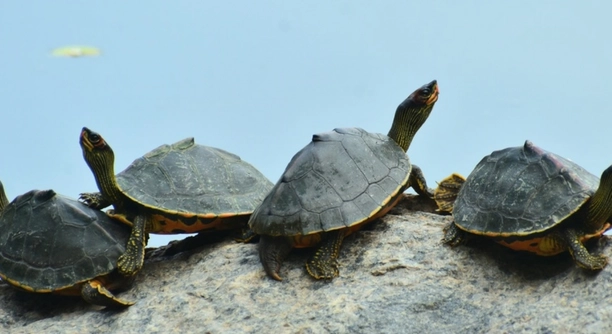
Indian roofed tortoises are fascinating creatures, but they can sometimes be difficult to keep in a secure environment. As natural explorers, they may try to escape their enclosures. Understanding how to prevent this is essential for their safety.
To prevent an Indian roofed tortoise from escaping, ensure its enclosure is secure and appropriate for its size. Strong barriers, like tall walls and solid lids, are essential. Providing a stimulating environment will reduce its desire to escape.
By following these strategies, you can create a safe space for your tortoise. Keeping them secure helps promote their health and well-being.
Secure the Enclosure with Strong Barriers
When setting up an enclosure for your Indian roofed tortoise, focus on using durable materials that will hold up over time. Strong barriers are a must—whether it’s a sturdy fence or a mesh that can withstand any attempts to climb or push through. A tortoise can easily escape from an enclosure with weak walls or materials. Make sure the enclosure’s walls are tall enough to prevent climbing and deep enough to avoid burrowing. A solid lid on top can also prevent escape attempts. It’s crucial to check the enclosure regularly to ensure there are no gaps or weak points where the tortoise could sneak out. A secure space gives your tortoise a sense of safety and reduces stress.
Adding proper locks to gates or lids is another way to ensure the tortoise stays inside. Simple locks can make a big difference. Avoid flimsy materials that could easily be pushed open. Ensuring that your tortoise’s space is escape-proof helps keep them happy and safe.
Create a Stimulating Environment
To reduce the desire for escape, your tortoise needs a stimulating environment. Indian roofed tortoises enjoy exploring and foraging. By adding plants, rocks, and hideaways, you can make their space more engaging. This helps them stay entertained and reduces restlessness, ultimately lowering the chances of escape.
Provide Proper Shelter and Hiding Spots
Indian roofed tortoises feel safer with plenty of hiding spots. These give them areas to retreat when they feel threatened. Natural shelters like rocks and logs or a simple wooden box can work well. By offering such spaces, you can make the tortoise feel secure and reduce escape attempts.
Check for Gaps and Weak Spots Regularly
It’s essential to check your tortoise’s enclosure for gaps or weak spots. Even the smallest hole can be an escape route for a determined tortoise. Take time to inspect all corners, seams, and areas where the walls meet the floor. These are the most common spots where your tortoise might find a way out. If you notice any gaps, fix them immediately with sturdy materials to keep your pet safe. It’s important to do this inspection regularly because the tortoise may find new ways to exploit even the smallest weaknesses.
Over time, wear and tear can cause cracks or openings, especially in outdoor enclosures. This is why routine checks are crucial. Ensuring that the barriers are intact prevents escapes and also protects your tortoise from potential hazards outside. Keep the area around the enclosure clear to avoid things like fallen branches or rocks that might create new exit points.
Keep the Tortoise Busy with Enrichment
Tortoises often look for ways to escape when they are bored. Providing enrichment activities is key to keeping them engaged. You can add various items such as puzzle feeders, climbing rocks, or tunnels to their environment. Changing these elements regularly ensures your tortoise doesn’t lose interest. Adding variety to their space helps create a stimulating environment, keeping your tortoise busy and less likely to focus on escaping.
By offering things to explore and interact with, you satisfy their natural curiosity. Offering a variety of plants and surfaces will encourage them to stay in their enclosure. Providing enrichment activities gives your tortoise a sense of purpose, reducing the likelihood of them trying to break free.
Use a Secure Lid or Cover
A secure lid or cover is essential to prevent your tortoise from escaping. It keeps the tortoise safe from predators and ensures it cannot climb out. A solid lid made of strong materials like wood or mesh prevents unwanted escapes. Be sure the lid fits tightly and is secured with locks or fasteners.
Check the lid regularly to make sure it hasn’t loosened over time. A secure cover is one of the easiest ways to keep your tortoise safely inside its enclosure. Ensure that no gaps remain where the tortoise could wriggle through or climb over.
Monitor Temperature and Humidity
Proper temperature and humidity are important for your tortoise’s health and well-being. Keeping the environment too hot or too cold can cause stress, which may lead to escape attempts. Make sure the enclosure has the right temperature gradient and humidity levels that mimic their natural habitat. A temperature range of 80°F to 90°F is ideal, with a basking area up to 95°F.
Maintaining proper humidity levels can also help. Too dry of an environment can cause your tortoise to become stressed, encouraging unwanted behavior. Keeping the environment stable will reduce the chances of escape due to discomfort.
Make Sure the Tortoise Has Enough Space
A cramped enclosure can lead to a frustrated and stressed tortoise. Provide enough space for your tortoise to roam and explore. A larger enclosure mimics the tortoise’s natural environment, giving it the freedom to move around comfortably. Ensure that the space is spacious enough for the tortoise to engage in natural behaviors like foraging and hiding.
FAQ
How can I make sure my Indian roofed tortoise’s enclosure is escape-proof?
To make sure your tortoise’s enclosure is escape-proof, start with secure walls and a solid lid or cover. Ensure there are no gaps or cracks in the material where your tortoise could squeeze through. Use tall barriers, as Indian roofed tortoises are good climbers. Additionally, check for weak spots regularly and reinforce them. Adding locks to gates or lids will help prevent any accidental openings. A well-maintained enclosure keeps your tortoise safe and comfortable.
How often should I check the enclosure for damage?
It’s a good idea to check your tortoise’s enclosure at least once a week for damage or wear and tear. Look for cracks, gaps, or areas that might be weakened due to weather conditions, especially if the enclosure is outdoors. Regular inspections can prevent any escape attempts or accidental hazards. If you notice any damage, repair it as soon as possible to maintain a secure environment. Keeping up with these checks helps avoid future issues.
What materials are best for building a secure tortoise enclosure?
When building a secure enclosure, use durable materials like wood, heavy-duty plastic, or metal. These materials hold up well against your tortoise’s attempts to climb, push, or dig out. Avoid using flimsy materials like thin plastic or mesh that could easily be broken or torn. Ensure that the structure is strong enough to withstand the elements and your tortoise’s natural behavior. If you’re using mesh or wire, make sure it’s fine enough to prevent escape but strong enough to resist damage.
What type of lid or cover works best for keeping my tortoise inside?
The best lid or cover for your tortoise’s enclosure should be solid and secure. A wooden or metal lid works well to keep your tortoise from climbing out. If using mesh, ensure it’s tightly secured and fastened with locks or latches to prevent your tortoise from pushing it open. It’s also important to check the lid’s weight, as it should be heavy enough to stay in place but not too heavy for easy opening when needed. Make sure there are no gaps around the edges that your tortoise can slip through.
Can I use a plastic container for my tortoise’s enclosure?
You can use a plastic container for your tortoise’s enclosure, but it’s important to choose one that’s large enough and made from sturdy material. Make sure it has secure walls and a solid lid. Many plastic containers are lightweight, which can make them easier to move around, but they may not always be strong enough to withstand digging or climbing attempts. If you use a plastic container, check it regularly for cracks or weaknesses and reinforce it with additional materials if needed.
How can I reduce my tortoise’s desire to escape?
A tortoise may try to escape if it’s bored, stressed, or uncomfortable. To reduce this behavior, make sure its enclosure is large enough and filled with engaging activities. Adding plants, rocks, tunnels, and other hiding spots can keep your tortoise entertained. Regularly changing the layout and adding new items can also help prevent boredom. Additionally, maintaining the right temperature and humidity levels helps ensure your tortoise feels comfortable and content. A healthy, happy tortoise is less likely to escape.
Is it safe to let my tortoise roam freely outside?
It’s not always safe to let your tortoise roam freely outside without supervision. While your tortoise may enjoy some time outdoors, there are many risks, such as predators, harsh weather conditions, or getting lost. Always supervise your tortoise while it’s outside, and ensure the area is secure. If you want to let it roam freely, you should have a fenced-in area or enclosure that’s escape-proof. Only allow your tortoise outside when the temperature and weather conditions are safe.
How can I make my tortoise feel more secure in its enclosure?
To make your tortoise feel more secure, provide plenty of hiding spots and areas to retreat to when it feels threatened. Natural elements like rocks, logs, or plants can give your tortoise the opportunity to hide and explore. A well-structured environment with enough space allows your tortoise to feel safe and reduce stress. Regularly check the environment for any disturbances or changes that may make your tortoise uncomfortable. Offering a consistent routine will help your tortoise feel more at ease.
What should I do if my tortoise escapes?
If your tortoise escapes, the first step is to check the area around the enclosure for signs of where it may have gone. Look for any gaps or holes in the fence or walls that it could have slipped through. If your tortoise is outside, search your yard or surrounding area carefully, especially in places with dense foliage or tight spaces where it could hide. Once you find your tortoise, secure the enclosure to prevent further escapes. If the tortoise is not found right away, you may need to put up flyers or contact local animal shelters.
Should I use a heat lamp for my tortoise’s enclosure?
A heat lamp is important for your tortoise’s health, especially if the environment is too cool. It helps regulate the tortoise’s body temperature, allowing it to stay active and healthy. Make sure to provide a basking spot with the appropriate temperature, around 95°F, and ensure that there’s a cooler area where the tortoise can retreat when it needs to cool down. A proper temperature gradient will help your tortoise feel more comfortable and secure in its environment. Always monitor the temperature to avoid overheating.
What is the best substrate for a tortoise’s enclosure?
The best substrate for a tortoise’s enclosure is one that is safe, absorbent, and easy to clean. Options like coconut coir, aspen shavings, or organic soil work well for providing a natural environment. Avoid using sandy or clay-based substrates, as they can cause digestive issues if ingested. Make sure the substrate is deep enough for digging and burrowing if your tortoise enjoys these activities. Always remove waste regularly to maintain a clean and hygienic environment for your tortoise.
Can I house multiple tortoises together?
Housing multiple tortoises together is possible, but it requires careful consideration. Tortoises can be territorial, and males, in particular, may become aggressive toward each other. If you house multiple tortoises, make sure the enclosure is large enough for each one to have its own space. Provide plenty of hiding spots and areas for each tortoise to retreat. Monitor their behavior closely for any signs of aggression. If you’re unsure, it’s best to house tortoises separately to avoid conflicts and stress.
How do I know if my tortoise is trying to escape?
A tortoise trying to escape may exhibit certain behaviors. These can include digging at the walls of the enclosure, climbing up the sides, or attempting to push through weak spots. It may also become more active and restless, especially during certain times of the day. If you notice these behaviors, check the enclosure for any potential escape routes. Providing a larger, more stimulating environment and ensuring that the enclosure is secure can help reduce the likelihood of escape attempts.
Final Thoughts
Building a secure enclosure for your Indian roofed tortoise is essential for its safety and well-being. The right environment helps keep your tortoise comfortable and protects it from dangers like predators or escaping. Whether you’re setting up a new enclosure or updating an existing one, it’s important to ensure that the materials used are durable and the structure is secure. Make sure to consider your tortoise’s needs, including space, temperature, and hiding spots, to create an environment that is both safe and enjoyable.
Regularly checking your tortoise’s enclosure for potential damage is key to preventing escapes. Tortoises are curious creatures, and they may try to climb or dig their way out of their enclosures. By performing weekly inspections, you can catch any weak spots before they become a problem. Repairing any cracks, gaps, or loose areas immediately will help keep your tortoise inside and safe. It’s also important to make sure that your tortoise feels secure in its space. Providing a variety of hiding spots and enriching the enclosure with natural elements can help reduce stress and discourage escape attempts.
In conclusion, creating a safe and secure space for your Indian roofed tortoise involves careful planning and regular maintenance. With the right materials, attention to detail, and a focus on your tortoise’s needs, you can provide a home where your pet can thrive. Monitoring its behavior and environment ensures that you can address any issues before they become serious. Taking these steps not only protects your tortoise but also helps ensure it has a happy and healthy life.

Hello,
If you enjoy the content that we create, please consider saying a "Thank You!" by leaving a tip.
Every little bit helps us continue crafting quality advice that supports the health, happiness, and well-being of pets around the world, for pets of all shapes, sizes, and species.
We really appreciate the kindness and support that you show us!