
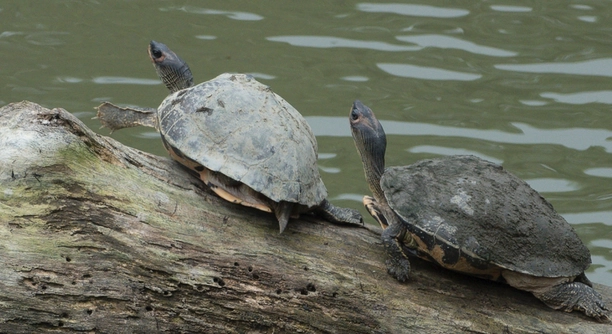
The Indian Roofed Tortoise is a fascinating species, and understanding when it’s ready to breed can make a big difference in ensuring its health and well-being. Knowing the right signs can guide proper care.
To determine if your Indian Roofed Tortoise is ready to breed, look for physical signs such as increased aggression, changes in behavior, and the development of a prominent mating display. Males will often approach females and show interest.
Recognizing these signs can help you provide the best environment for breeding. This knowledge will support the tortoise’s natural behaviors and ensure they thrive during the breeding season.
Understanding the Signs of Breeding Readiness in Indian Roofed Tortoises
One of the first things to notice when an Indian Roofed Tortoise is ready to breed is its change in behavior. During the breeding season, males may become more active, aggressive, and territorial. They will often chase after the females, displaying more frequent and intense behaviors, such as biting and ramming. You might also see a male showing off by raising his head high, engaging in mating calls, and even making noise during courtship. This behavior indicates a desire to find a mate and establish dominance.
Changes in physical appearance also mark the breeding readiness of tortoises. Males often develop brighter markings or colors on their shells and heads. These changes serve to attract females and are a sign of sexual maturity. Additionally, males may also become more vocal, emitting distinct sounds to communicate with potential mates.
The presence of these signs should be carefully monitored to ensure the tortoise is ready for breeding. Ignoring these behaviors can cause unnecessary stress and hinder the tortoise’s ability to mate successfully. By recognizing these cues, you can create a better environment for the tortoises to mate, ensuring their health and well-being.
Environmental Factors Affecting Breeding Readiness
Breeding readiness is not only influenced by the tortoise’s behavior and physical changes, but also by environmental factors. Temperature, humidity, and habitat conditions play a significant role in determining when a tortoise will breed. Indian Roofed Tortoises thrive in warm environments, so it is important to keep their enclosures at a suitable temperature to simulate natural conditions.
A well-maintained habitat will support their natural instincts and help regulate their reproductive cycle. Consistent lighting, proper heating, and humidity levels are crucial to trigger the hormonal changes necessary for mating. If the environment is too cold or lacks natural stimuli, the tortoises may not breed. Pay attention to these factors to ensure successful mating.
In summary, environmental adjustments such as temperature control, adequate lighting, and humidity can influence the breeding readiness of Indian Roofed Tortoises. These conditions help mimic their natural surroundings, encouraging the right behaviors and physiological changes for breeding.
Male Behavior and Mating Rituals
Male Indian Roofed Tortoises often engage in certain behaviors to attract a mate. These can include increased aggression, territorial displays, and vocalizations. The male’s behavior becomes more noticeable when he is actively seeking a female to mate with.
One of the most common behaviors is chasing or following the female. Males may also engage in biting or ramming their shells to establish dominance. This behavior is not harmful but can seem intense. They may also vocalize loudly, making a unique sound to communicate their interest in the female. It’s essential to recognize these behaviors to ensure the tortoises’ safety during mating.
Mating rituals in tortoises are not always calm and graceful. While this aggression can appear alarming, it’s a natural and necessary part of their breeding process. Knowing what to expect can help you better manage their interactions and avoid unnecessary stress.
Female Behavior and Breeding Readiness
Female Indian Roofed Tortoises show different signs when they are ready to breed. They typically become more passive and may exhibit specific behavior changes when in the presence of males. Unlike males, females are less aggressive.
The female may start retreating to areas where she feels secure, possibly even seeking out spots in her enclosure that mimic natural nesting sites. This behavior is often an instinctual response to find a suitable place for egg-laying. It is also essential to monitor the female’s appetite as it may fluctuate during breeding periods, signaling hormonal changes and increased reproductive readiness.
Providing an appropriate environment with plenty of hiding spaces and nesting areas helps the female feel comfortable. These conditions ensure that she is ready to breed and lay eggs when the time comes.
Timing of Breeding Season
The breeding season for Indian Roofed Tortoises typically starts during warmer months. This period is crucial for successful mating and egg-laying. Monitoring the seasonal changes helps in determining the best time for breeding.
It is important to align the environmental conditions with the tortoise’s natural breeding cycle. This includes providing proper temperature and lighting. If these conditions are met, the tortoises will be more likely to breed. During this time, the males become more active, and the females show increased nesting behaviors. Timing the season well increases the chances of successful reproduction.
Nesting and Egg Laying
When the female Indian Roofed Tortoise is ready to lay eggs, she seeks a suitable spot to dig a nest. This behavior is a sign that the tortoise is nearing the end of her breeding cycle. The nesting process is an instinctual act.
Ensure that your tortoise’s enclosure has a safe, quiet, and secure area for egg-laying. The female will typically dig a hole, laying her eggs inside. The nest should be undisturbed during this period, as any stress could lead to complications. After laying the eggs, she may cover them with substrate, signaling the completion of her task.
Male and Female Interaction
The interaction between male and female tortoises is key during breeding. The male typically initiates contact, following the female and showing increased aggression. This behavior helps in establishing a bond.
While the male may chase and display aggressive behaviors, the female usually responds passively. Understanding these interactions is essential to ensure the tortoises’ safety.
FAQ
How can I tell if my Indian Roofed Tortoise is ready to breed?
You can tell if your Indian Roofed Tortoise is ready to breed by observing their behavior and physical changes. Males will often become more aggressive, chasing the females and displaying territorial behavior, such as biting or ramming their shells. Males may also show off by raising their heads and making vocalizations. Females, on the other hand, will start to search for suitable nesting spots and may become less active, especially if they are preparing to lay eggs. Monitoring these behaviors, along with proper environmental conditions, is key to recognizing when they are ready to breed.
What temperature should I keep my tortoise’s enclosure for breeding?
The temperature of the enclosure plays a significant role in breeding readiness. Indian Roofed Tortoises thrive in warm environments, so keeping the enclosure between 80-85°F (27-29°C) during the day is ideal. At night, the temperature can drop to around 70°F (21°C), but it should not fall below 65°F (18°C). Consistent warmth helps regulate their hormonal cycles, signaling the right time for breeding. Additionally, providing a basking area with higher temperatures (around 90°F or 32°C) will allow the tortoises to regulate their body temperature effectively, promoting reproductive health.
How often do Indian Roofed Tortoises breed?
Indian Roofed Tortoises typically breed once a year during the warmer months. The breeding season is influenced by environmental factors, such as temperature and humidity. During the breeding season, males become more active, and females show signs of preparing to lay eggs. After mating, the female will lay eggs, and the cycle will begin again in the next breeding season. However, if the conditions aren’t right, such as a cold environment or improper diet, breeding may not occur. It is important to maintain optimal conditions year-round to encourage consistent breeding behavior.
How long does it take for Indian Roofed Tortoises to breed?
The actual process of breeding can take anywhere from a few minutes to several hours. Mating typically occurs when the male is able to approach the female, court her, and successfully mount her. After mating, it can take a few weeks to several months for the female to prepare for egg-laying, depending on the environmental conditions and her health. Once the female is ready to lay eggs, she will begin nesting, which can take another couple of days. It’s essential to provide a quiet, secure environment for the female during this time to avoid stress, which can interfere with egg production.
What should I do if my tortoise doesn’t breed?
If your Indian Roofed Tortoise doesn’t breed, first check the environmental conditions. Ensure that the temperature and humidity levels are appropriate, as these factors are essential in stimulating breeding behavior. The lighting should also mimic natural day-night cycles, with sufficient exposure to UVB light. If the conditions are correct and the tortoises still don’t breed, consider their health. A poor diet or stress may be hindering reproduction. Consulting a veterinarian who specializes in reptiles can help assess any underlying health issues. Sometimes, the tortoises may simply not be ready to breed, and patience is key.
How can I support a female Indian Roofed Tortoise during egg-laying?
Supporting a female Indian Roofed Tortoise during egg-laying involves providing a proper nesting site. Ensure that the enclosure includes a soft, deep substrate that allows the female to dig a hole easily. This substrate should be made of materials like coconut coir or sand, which retain moisture and make digging easier. Keep the environment as stress-free as possible to avoid disturbing the tortoise during this critical time. Make sure there is ample space and privacy for the female to feel secure. Once she has laid her eggs, allow her to cover them with substrate and leave her undisturbed.
How long does it take for Indian Roofed Tortoise eggs to hatch?
Indian Roofed Tortoise eggs typically take about 70 to 120 days to hatch, depending on environmental conditions such as temperature and humidity. The eggs should be kept in an incubator with consistent warmth, ideally between 80-85°F (27-29°C). Higher temperatures may speed up the hatching process, but it could also lead to a higher chance of health issues in the hatchlings. If the temperature is too low, the eggs may not hatch at all. Monitoring the eggs regularly ensures that they are developing correctly. Once they hatch, the young tortoises will emerge and begin their journey to independence.
Can I handle my tortoises during breeding season?
It is best to limit handling of your tortoises during the breeding season, as they can become more territorial and aggressive. Both males and females may experience increased stress, especially if disturbed while nesting or courting. Handling them too much can interfere with their natural behaviors and even cause them to stop breeding. If you do need to handle them for cleaning or medical checks, try to do so gently and without disrupting their environment. Keep handling to a minimum and focus on creating a safe, calm space for them to breed and lay eggs.
How can I tell if my tortoise eggs are fertile?
To determine if your Indian Roofed Tortoise eggs are fertile, you can perform a method known as candling. This involves shining a bright light through the eggs to look for signs of embryo development. Fertile eggs will appear slightly opaque, with a visible embryo or blood vessels inside. If the egg is clear or has no visible signs of development, it is likely infertile. Candling should be done gently to avoid damaging the eggs. This technique can be performed around two weeks after the eggs are laid.
Final Thoughts
Breeding Indian Roofed Tortoises can be a rewarding experience, but it requires careful attention to their environment, behavior, and health. Ensuring that the temperature, humidity, and lighting are optimal for breeding is crucial. A male tortoise’s increased aggression and territorial behavior, combined with the female’s search for nesting spots, are good indicators that they are ready to breed. Observing these behaviors and keeping the right conditions in their enclosure will help promote successful mating and egg-laying.
It is important to remain patient and avoid disturbing the tortoises during the breeding season. Handling should be minimized, as stress can interfere with their natural behaviors and reproductive success. Providing a suitable nesting site is essential, as the female needs a quiet, secure place to lay her eggs. Substrates like coconut coir or sand work best for helping the female dig a proper hole. After the eggs are laid, leave the tortoises undisturbed to ensure a smooth incubation process. With consistent care, you can support both the breeding and egg-laying phases effectively.
If breeding does not happen as expected, do not be discouraged. There are several factors, such as temperature, diet, or stress, that can affect breeding success. Keep an eye on the conditions and make adjustments as needed. Consulting a veterinarian can also help if health issues are suspected. Above all, remember that patience and proper care are key in supporting the breeding process of Indian Roofed Tortoises, ensuring their well-being and giving them the best chance to reproduce successfully.

Hello,
If you enjoy the content that we create, please consider saying a "Thank You!" by leaving a tip.
Every little bit helps us continue crafting quality advice that supports the health, happiness, and well-being of pets around the world, for pets of all shapes, sizes, and species.
We really appreciate the kindness and support that you show us!