
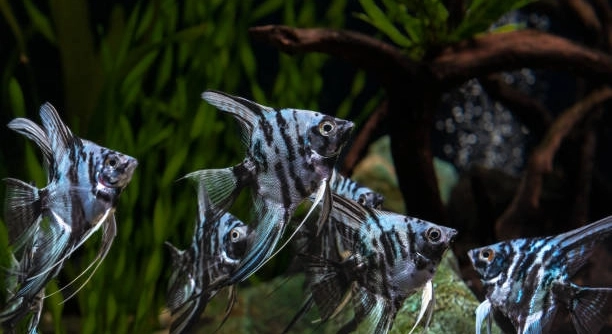
Creating a natural environment for your angelfish tank involves more than just choosing the right fish. Plants play a crucial role in maintaining a healthy and vibrant ecosystem. A thoughtful selection of aquatic plants can enhance your tank’s beauty and functionality.
Choosing the right plants for an angelfish tank is essential for both aesthetic appeal and the overall health of the aquarium. Plants like Anubias, Java Fern, and Amazon Sword provide natural filtration, shelter, and a sense of security for angelfish.
These plants contribute significantly to creating a thriving and balanced aquatic environment.
Anubias: A Reliable Choice for Your Angelfish Tank
Anubias is a hardy plant that thrives in low-light conditions, making it ideal for angelfish tanks. Its broad, dark green leaves provide ample hiding spots for your fish, creating a comfortable environment. Anubias is also slow-growing, meaning it won’t overwhelm your tank quickly. It can be attached to rocks or driftwood, adding more structure to your aquarium while also preventing algae buildup. Its low maintenance requirements make it an excellent option for both beginners and seasoned aquarium owners. This plant doesn’t need much care, just occasional trimming, making it a stress-free choice for your angelfish.
For best results, place Anubias in areas with indirect light. It will grow slowly but steadily without the need for regular replanting or constant attention.
The plant’s roots are versatile, able to thrive in different substrates. Anubias can be an anchor for other aquatic plants, offering balance and a visual focal point in the aquarium. Its resilience allows it to adapt to various conditions, ensuring your angelfish always have a peaceful, enriching environment.
Java Fern: Adding Natural Appeal
Java Fern is another excellent plant for angelfish tanks. This plant can be attached to rocks or driftwood, creating a lush environment. It thrives in moderate light and can grow to a nice size, providing additional hiding places for your fish.
The broad leaves of Java Fern create a soft, gentle look in the tank, adding a natural aesthetic that complements angelfish well. This plant doesn’t require substrate, which makes it easier to maintain. With minimal care, it adds a vibrant green texture to your tank.
Amazon Sword: Ideal for Larger Angelfish Tanks
Amazon Sword is a popular choice for angelfish owners, particularly in larger aquariums. Its long, broad leaves mimic the natural habitat of angelfish, providing them with ample coverage and hiding spots. The plant thrives in a well-lit environment and needs regular trimming to prevent it from taking over the tank. This plant is also effective at improving water quality by absorbing excess nutrients. Its robust growth can help keep algae under control, creating a cleaner, more balanced ecosystem for your angelfish.
To ensure proper growth, Amazon Sword should be planted in nutrient-rich substrate. It’s best to place it in areas with strong light, though it can tolerate moderate lighting as well. While it grows relatively fast, frequent trimming is necessary to maintain its size and prevent overcrowding.
In a well-maintained tank, Amazon Sword can grow into a stunning centerpiece. Its vibrant green leaves create a striking contrast with the bright colors of angelfish. The plant also benefits the aquarium by providing oxygen and supporting the overall health of the aquatic ecosystem.
Hornwort: A Floating Option for Natural Filtration
Hornwort is a fast-growing, floating plant that can be a great addition to angelfish tanks. It absorbs excess nutrients, helping prevent algae growth and improving water quality. Its fine, feathery leaves provide excellent cover for angelfish, creating a more natural environment. Hornwort can be left floating on the surface or anchored in the substrate. While it’s easy to maintain, it requires regular trimming to avoid overgrowth, which can cause oxygen depletion in the water.
This plant thrives in a wide range of water conditions, making it a versatile choice for most aquariums. Hornwort is especially beneficial in tanks with high fish populations or excess nutrients. As it grows, it forms dense clumps that offer shelter and act as a natural filtration system. Its quick growth rate ensures it will keep your aquarium’s water quality in check.
Hornwort is also an excellent plant for beginners due to its low maintenance needs. It can be added to tanks with various lighting levels and is adaptable to many water temperatures. Whether you are just starting or maintaining an established tank, Hornwort is a dependable choice.
Vallisneria: A Fast-Growing, Low-Maintenance Plant
Vallisneria is another excellent choice for angelfish tanks. This fast-growing plant provides plenty of hiding spaces with its long, ribbon-like leaves. It grows quickly, offering coverage for your fish while helping to improve water quality. It can be planted in the substrate or left to float.
This plant thrives in moderate to bright lighting and can tolerate a wide range of water conditions. Vallisneria’s fast growth helps keep algae in check and promotes oxygen exchange. It’s a reliable, low-maintenance option that doesn’t require much care, making it a great choice for both beginners and experienced aquarium keepers.
The plant will need periodic trimming to keep it from spreading too much. If left unchecked, it can fill up the tank quickly, so keeping it trimmed will prevent overcrowding. With its ease of care, Vallisneria is a great option for creating a lush, healthy environment.
Water Wisteria: Adding Texture and Shelter
Water Wisteria is a beautiful, feathery plant that can add texture and structure to your tank. Its intricate, lace-like leaves provide plenty of hiding places for angelfish. It grows quickly and can be planted in the substrate or left floating.
This plant is ideal for improving water quality by absorbing excess nutrients. It’s also easy to propagate, which makes it an excellent choice if you want to add more plants to your tank. Regular trimming is necessary to prevent it from overgrowing, but its vibrant green color makes the effort worthwhile.
Cryptocoryne: A Subtle yet Effective Addition
Cryptocoryne is another good option for angelfish tanks. Its low-maintenance nature and ability to thrive in low-light conditions make it an ideal choice for aquariums with limited light sources.
FAQ
What are the best plants for an angelfish tank?
Some of the best plants for an angelfish tank include Anubias, Java Fern, Amazon Sword, Hornwort, Vallisneria, Water Wisteria, and Cryptocoryne. These plants provide ample hiding spaces for your angelfish, promote natural filtration, and improve water quality. They are all relatively easy to care for and will thrive in most aquariums. Each plant offers unique benefits, such as providing shelter or helping with algae control. Make sure to choose plants based on your tank size, light conditions, and the needs of your fish.
Do angelfish need live plants in their tank?
While angelfish do not strictly require live plants, they greatly benefit from having them in the tank. Live plants create a more natural and enriching environment for angelfish. They provide hiding spots, reduce stress, and help maintain water quality by absorbing excess nutrients. Additionally, plants can help mimic the angelfish’s natural habitat, which often includes vegetation. Even if live plants are not essential for survival, they make the tank visually appealing and create a more comfortable space for your fish.
Can angelfish eat plants?
Yes, angelfish can eat plants, though they are not typically plant-eaters. They are omnivores and may nibble on plants from time to time, especially softer-leaved plants like Water Wisteria. While they may occasionally graze on plants, they generally prefer a varied diet of protein-based foods, such as fish flakes, pellets, and live food. To prevent your plants from being damaged, it’s helpful to choose more robust plants like Anubias and Java Fern, which tend to be less appealing to angelfish.
How do I maintain plants in my angelfish tank?
Maintaining plants in an angelfish tank involves ensuring they receive adequate lighting, nutrients, and care. Most plants need moderate to bright light, so make sure your tank has an appropriate light source. Additionally, use a nutrient-rich substrate or liquid fertilizers to provide essential nutrients for plant growth. Regular trimming is necessary to keep plants from overgrowing and to maintain the aesthetic of the tank. You should also remove any dead leaves or debris to keep the water clean. Finally, make sure the plants are well-positioned in the tank, allowing room for both the plants and the fish.
What are the benefits of having plants in an angelfish tank?
Plants provide several benefits for angelfish tanks. They improve water quality by absorbing excess nutrients, which helps prevent algae growth. Plants also produce oxygen through photosynthesis, creating a healthier environment for both your fish and the plants. The greenery offers natural hiding spots for angelfish, which reduces stress and encourages natural behaviors. Additionally, plants contribute to the aesthetic appeal of the tank, adding a lush, vibrant look that makes the aquarium more visually pleasing.
How do I prevent algae growth in a planted angelfish tank?
To prevent algae growth in a planted angelfish tank, you need to manage the balance of light, nutrients, and water changes. Algae thrive when there is an excess of nutrients such as nitrates and phosphates, often caused by overfeeding or poor water quality. Avoid overfeeding your angelfish, and perform regular water changes to keep the water clean. Limiting the amount of light your tank receives is also important, as too much light can encourage algae growth. You can use a timer to ensure the light is on for only a set amount of time each day. Lastly, consider adding fast-growing plants like Hornwort or Vallisneria, which can outcompete algae for nutrients.
Can I keep floating plants in an angelfish tank?
Yes, floating plants can be kept in an angelfish tank. Floating plants like Hornwort and Water Wisteria provide additional coverage for your fish, which can help them feel more secure. They also absorb excess nutrients from the water, helping to prevent algae growth. However, floating plants should be monitored regularly, as they can block light from reaching other plants and the aquarium’s surface. Ensure that the floating plants are not overcrowding the tank and are properly maintained to avoid any negative impact on water quality.
Do angelfish need a lot of space for plants?
Angelfish do need a certain amount of space to swim freely, and the plants you choose should not overcrowd the tank. However, plants can be arranged to provide both shelter and open areas for swimming. Tall plants like Vallisneria can be placed at the back of the tank, while smaller plants like Anubias can be placed near the front or on rocks. The key is to create a balanced environment where both the fish and the plants have the space they need to thrive. Avoid overplanting and give your angelfish enough room to swim comfortably.
How do I care for plants in a low-light tank with angelfish?
If you have a low-light tank, it’s best to choose plants that can thrive in such conditions. Plants like Anubias, Java Fern, and Cryptocoryne are perfect for low-light aquariums. They do not require intense lighting and can still grow well. To ensure healthy plant growth, use a nutrient-rich substrate or liquid fertilizer to supply essential nutrients. Regular water changes and careful monitoring of water parameters are also important for plant health in low-light tanks. While growth may be slower in low-light conditions, these plants will still contribute to the overall health of your tank.
How do I trim and maintain plants in an angelfish tank?
Trimming plants in an angelfish tank is essential to prevent overcrowding and maintain a healthy, attractive aquarium. Regularly trim plants like Amazon Sword, Vallisneria, and Water Wisteria to prevent them from taking over the tank. Use sharp scissors or pruning tools to trim dead or overgrown leaves. When trimming, avoid cutting too much at once to avoid stressing the plants. Remove any decaying plant matter from the tank to prevent it from affecting water quality. Additionally, it’s important to prune any plants that have become too tall or wide for the tank to ensure that angelfish still have swimming space.
Final Thoughts
Choosing the right plants for an angelfish tank is essential for creating a healthy, balanced environment. Plants not only enhance the appearance of the tank but also improve water quality by absorbing excess nutrients and producing oxygen. This benefits both the fish and the overall aquarium ecosystem. Some plants, like Anubias and Java Fern, are particularly suited for angelfish tanks due to their low-maintenance nature and ability to thrive in different lighting conditions. Others, like Vallisneria and Water Wisteria, offer natural hiding spots and provide cover, helping to reduce stress in your fish.
Maintaining a planted tank requires some basic knowledge and attention, but it’s not overly complicated. Regular water changes, trimming overgrown plants, and ensuring proper lighting are key tasks to keep the plants healthy and your angelfish thriving. Overfeeding should be avoided, as it can lead to excess nutrients in the tank, encouraging algae growth. By carefully choosing the right plants and keeping up with maintenance, you can create a peaceful, natural environment where both the plants and fish can flourish.
In the end, the plants you choose for your angelfish tank should reflect the needs of both your fish and your tank’s conditions. Whether you prefer low-maintenance plants like Anubias or more intricate species like Water Wisteria, it’s important to select plants that will thrive in your tank’s unique environment. Keeping plants will not only make your tank more visually appealing but will also contribute to the overall health of the aquarium.

Hello,
If you enjoy the content that we create, please consider saying a "Thank You!" by leaving a tip.
Every little bit helps us continue crafting quality advice that supports the health, happiness, and well-being of pets around the world, for pets of all shapes, sizes, and species.
We really appreciate the kindness and support that you show us!