
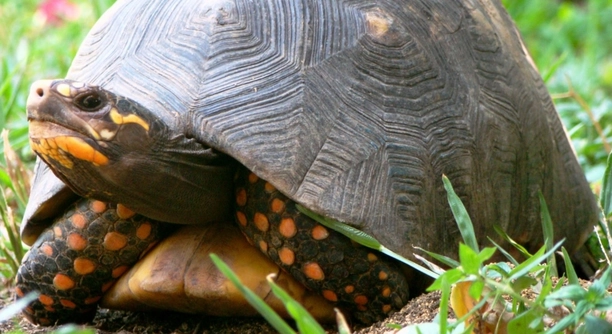
Finding the right shade options for outdoor red-footed tortoise pens is essential for their well-being. A proper shaded area helps regulate their body temperature and provides a safe, comfortable environment.
When selecting natural shade for a tortoise pen, consider plants that offer dense coverage and are non-toxic. Ideal options include tall grasses, large leafy shrubs, and trees with broad canopies. These plants not only provide shade but also create a more natural, enriching habitat.
These natural shade options will ensure a healthy, safe environment for your red-footed tortoise. Keep reading to discover which plants and trees best suit your tortoise pen’s needs.
Best Natural Shade Plants for Tortoise Pens
For your red-footed tortoise pen, it’s important to select plants that provide both shade and shelter. A combination of trees, shrubs, and grasses can create a natural environment that mirrors their native habitat. Broad-leaved trees like mulberry and fig are excellent choices because they offer dense shade, and their large leaves are perfect for covering the pen. These trees also provide fruits that can supplement your tortoise’s diet.
In addition to trees, tall grasses and shrubs with thick foliage will fill in gaps in coverage. Look for plants like bamboo or palm varieties, which thrive in humid, warm climates and provide a natural canopy.
Consider choosing plants with non-toxic foliage. Avoid plants like oleander, which can be harmful if ingested. A well-shaded pen will keep your tortoise comfortable and safe from extreme temperatures, providing a cool, shaded retreat on hot days.
Using Trees to Create Shade
Tree cover can be an excellent solution for providing natural shade. Mulberry and fig trees are particularly beneficial for tortoises. They offer both shade and some edible treats for your pet.
Planting multiple trees within the pen will ensure enough coverage to protect your tortoise from direct sun exposure. Mulberry trees grow quickly, offering shade while producing fruits that your tortoise can enjoy. Similarly, fig trees also provide large leaves, ideal for shielding your tortoise from intense heat.
Shrubs and Grasses for Extra Coverage
Tall shrubs and grasses are excellent for creating additional shaded areas. They fill in spaces between trees and provide extra protection. Bushes like hibiscus and lavender not only offer shade but are also non-toxic to tortoises. Tall grasses such as elephant grass are also good choices.
Bamboo is a top contender for adding dense coverage. It grows rapidly and thrives in humid conditions, making it perfect for the warm environment your tortoise needs. As the bamboo expands, it creates a natural shelter from the sun’s harsh rays. This dense vegetation allows the tortoise to roam freely in cooler conditions.
Grasses also help maintain a comfortable humidity level. When combined with shrubs, they can create a diverse landscape that supports the tortoise’s natural behaviors, providing places for them to explore while keeping the heat at bay.
Non-Toxic Vines for Shade
Vines are another natural option for shading your tortoise pen. When grown along a trellis or fence, they create a dense cover overhead. Plants like passionflower or morning glory are great vine choices. Both provide strong, healthy shade while being safe for your tortoise.
Vines such as passionflower can quickly grow, climbing and spreading across a structure to form a dense canopy. Their foliage creates a perfect shield from intense sunlight. Additionally, morning glory vines thrive in full sun but still provide dense coverage, making them ideal for creating shaded spaces. These vines not only benefit your tortoise by offering shade but also add a touch of beauty to the pen, with vibrant flowers that are non-toxic.
Using Rocks and Logs for Shade
Rocks and logs can also help create shaded spots in your tortoise pen. They provide natural hiding places and cool, sheltered areas. Placing flat rocks strategically around the pen offers an instant shade solution, while logs can provide both shade and a climbing opportunity.
These natural elements also help regulate temperature. Rocks absorb heat during the day and release it slowly at night, providing a steady temperature for your tortoise. Logs placed strategically near plants or trees create shaded pathways where your tortoise can wander and rest.
Overhead Canopy Structures
If you want extra protection, consider adding an overhead canopy structure to your tortoise pen. This can be made from mesh or natural materials like palm fronds. It offers consistent shade throughout the day.
Building a canopy with materials like bamboo or palm fronds mimics the natural environment of red-footed tortoises. It provides them with continuous shade and a safe, covered area to rest, especially during midday heat. You can adjust the structure to let in some filtered light, which is beneficial for your tortoise’s health and wellbeing.
FAQ
What types of plants are best for providing shade for red-footed tortoises?
Plants that offer dense foliage and large leaves work best for providing shade. Trees like mulberry and fig provide both shade and food. Shrubs like hibiscus and bamboo are also good choices. These plants are not only safe for your tortoise but also create a comfortable environment with plenty of hiding spots.
How much shade does a red-footed tortoise need in its pen?
Red-footed tortoises thrive in environments with plenty of shade to regulate their body temperature. It’s essential to create shaded areas in their pen, especially during hot weather. Aim for at least 50% of the pen to be shaded throughout the day, so they can retreat to a cool area when needed.
Can I use artificial shade structures for my tortoise?
Yes, artificial shade structures can be effective. Canopies made from mesh or cloth are easy to set up and can offer continuous shade. Just make sure to position them properly, allowing your tortoise access to shaded areas while keeping them safe from extreme heat. However, natural shade from plants is always preferred.
Are all types of trees safe for red-footed tortoises?
No, not all trees are safe for red-footed tortoises. Some trees, like the oleander tree, are toxic and should be avoided. Safe tree options include mulberry and fig trees, which provide shade and occasional fruit. Always research the specific tree species to ensure it’s safe for your tortoise.
Is it okay to plant vines around my tortoise pen?
Vines can be a great addition to your tortoise’s pen. Non-toxic options like passionflower and morning glory can provide overhead cover. Ensure that the vines aren’t too thick or invasive, as they can make it harder for your tortoise to move around the pen. Keep them trimmed to maintain a balance between shade and space.
What is the best way to keep my tortoise cool in hot weather?
In hot weather, shade is key. Providing a mix of natural shade from plants, trees, and rocks ensures your tortoise has plenty of cool spots to retreat to. You can also add a shallow water dish for them to soak in, helping to keep their body temperature regulated.
Can I use rocks or logs for shading?
Yes, rocks and logs are excellent additions to a tortoise pen. Large, flat rocks provide a cool place for your tortoise to rest, while logs offer shaded areas and potential climbing opportunities. Make sure the rocks are flat enough to create an adequate shaded surface and placed strategically in the pen.
How do I make sure my tortoise has access to enough shade throughout the day?
To ensure your tortoise has enough shade, strategically place trees, plants, and structures around the pen. Position them to cover different areas as the sun moves throughout the day. This way, your tortoise always has a cool spot to relax, no matter the time.
Can bamboo be used to provide shade?
Bamboo is an excellent plant choice for shading a tortoise pen. It grows quickly and provides dense coverage. Bamboo can create a natural canopy, which is ideal for tortoises that need consistent shade. It’s also a non-toxic plant, making it safe for your red-footed tortoise.
Are palm trees a good option for shade in tortoise pens?
Palm trees can provide some shade, but they may not be as effective as trees with larger, broad leaves like mulberry or fig. While palms are safe for tortoises, you’ll need to combine them with other plants for better coverage. Make sure the palms you choose don’t have sharp fronds that could hurt your tortoise.
Should I use a canopy for shade or rely on plants?
Both options have their benefits. A canopy made from mesh or fabric can provide reliable shade, especially if your tortoise’s pen is in an area with limited natural shade. However, plants offer more benefits, such as food and a more natural environment. Combining both can create a balanced setup.
How do I keep my tortoise’s pen cool in the summer?
In the summer, ensuring proper shade and moisture is important. Make sure the pen has a variety of shaded areas, and consider adding a shallow dish of water. Regular misting can help maintain humidity and keep the area cooler. Avoid placing the pen in direct sunlight during the hottest parts of the day.
What are the best non-toxic plants for tortoise pens?
Safe, non-toxic plants include hibiscus, mulberry, fig, and dandelion. These plants not only provide shade but also offer food for your tortoise. When planting in the pen, make sure all options are non-toxic, as some common garden plants can be harmful.
Do I need to trim the plants for shade in the tortoise pen?
Yes, trimming your plants regularly is important. Overgrown plants can make it difficult for your tortoise to move around. Trim shrubs and vines to maintain enough open space while still providing shade. Regular maintenance helps keep the environment comfortable and safe for your tortoise.
Can I mix different types of plants for shade in the pen?
Mixing different plants is a great idea. By combining trees, shrubs, grasses, and vines, you can create a varied environment that offers diverse shade options. Just make sure all plants are safe and non-toxic for your tortoise. A variety of plants also creates a more natural habitat for your tortoise.
Final Thoughts
Creating the right shaded environment for your red-footed tortoise is essential for their health and well-being. A combination of natural elements like trees, plants, rocks, and logs can offer a variety of shaded areas. This helps your tortoise stay cool and comfortable, especially during hot weather. Using plants like mulberry or fig trees, along with shrubs like hibiscus, can provide both shade and food. Additionally, rocks and logs can serve as natural shelters, giving your tortoise places to hide and explore. Make sure to place these elements thoughtfully around the pen to ensure your tortoise has access to shade throughout the day.
When setting up the tortoise pen, it’s important to keep in mind that shade should be available at different times of the day. The sun moves, and shaded spots can shift, so it’s crucial to design the pen with this in mind. You can use overhead structures like canopies made of mesh or palm fronds to help block out direct sunlight. However, natural plants remain the best choice for creating a more authentic and beneficial environment. With the right mix of plants, rocks, and shade structures, your tortoise will have a comfortable and safe space to roam.
Ultimately, providing your red-footed tortoise with the right amount of shade is about balancing their need for temperature regulation and their natural behaviors. A shaded environment allows them to stay cool while also supporting their natural instincts, like hiding and foraging. Whether you choose to use plants, logs, rocks, or a combination of all, be sure to check regularly for safety and make adjustments as needed. With thoughtful planning, you can create a suitable and pleasant habitat for your tortoise to thrive in.

Hello,
If you enjoy the content that we create, please consider saying a "Thank You!" by leaving a tip.
Every little bit helps us continue crafting quality advice that supports the health, happiness, and well-being of pets around the world, for pets of all shapes, sizes, and species.
We really appreciate the kindness and support that you show us!