
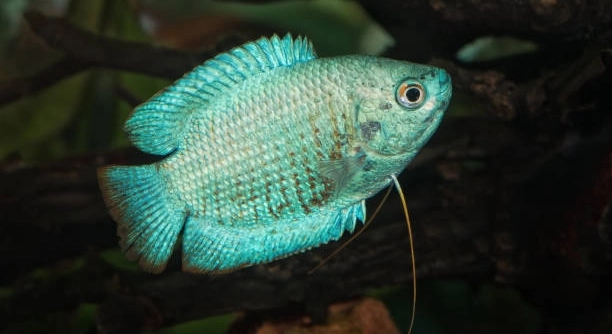
Gouramis are popular aquarium fish known for their peaceful nature and unique behaviors. Observing their actions can reveal much about their comfort and trust toward their environment and caretakers. Recognizing these signs can improve fish care and bonding.
Certain behaviors such as relaxed swimming, flaring fins gently, approaching the glass or hand, regular feeding response, and lack of stress indicators are clear signals that a gourami trusts its keeper. These actions show comfort and familiarity with their surroundings and handler.
Understanding these trust signals can enhance the relationship between you and your gourami. Knowing what to watch for helps create a supportive and healthy aquarium environment for these delicate fish.
Relaxed Swimming Patterns
When a gourami trusts its environment, it often swims calmly and steadily without sudden darting or hiding. This relaxed movement indicates that the fish feels safe and secure. Trusted gouramis may explore their tanks more openly, moving between plants, decorations, and open water. They tend to stay near the front glass, showing comfort around human presence. Erratic or quick swimming is usually a sign of stress or fear, so observing calm swimming is a key behavior to note. Over time, this relaxed pattern becomes more consistent as the fish grows more comfortable with its surroundings and caretaker. A calm gourami demonstrates that its tank conditions meet its needs, including water quality, temperature, and hiding spots. Proper tank maintenance contributes significantly to fostering trust and calmness.
Relaxed swimming is a strong indicator of trust and well-being in gouramis, making it essential to recognize and encourage this behavior.
This behavior not only helps identify a healthy and trusting fish but also allows the owner to connect better by understanding the fish’s comfort level. As gouramis relax, they often show curiosity rather than fear. This openness is rewarding for caretakers, as it signifies the fish’s acceptance of its environment. Providing a consistent routine with minimal sudden changes reinforces this calm state. Attention to proper feeding times and gentle interaction further supports relaxed swimming. Observing this behavior helps gauge the overall aquarium health and ensures that the gourami’s habitat is appropriate for its needs. By focusing on creating a stress-free environment, caretakers can enjoy watching their gouramis express natural and peaceful behavior regularly.
Flaring Fins Gently
Gouramis may flare their fins slowly when they feel secure rather than aggressively. This gentle fin display signals confidence and comfort.
Flaring fins in a calm manner indicates the fish feels no threat nearby.
Unlike aggressive fin flaring, this soft display serves as communication and shows the gourami’s relaxed state. It often happens when gouramis interact with their surroundings or show mild curiosity toward caretakers. Understanding this subtle behavior helps distinguish between stress signals and signs of trust. Watching for gentle fin movements offers insight into the fish’s emotional state, helping caretakers adjust their approach to maintain a peaceful environment.
Approaching the Glass or Hand
A trusted gourami will often swim close to the aquarium glass or even approach a caretaker’s hand without hesitation. This behavior reflects the fish’s comfort with human presence. Gouramis that stay distant or hide typically feel threatened or unsure. When a gourami approaches calmly, it shows recognition and trust, sometimes anticipating feeding or interaction. This close proximity indicates that the fish sees the caretaker as a non-threat and part of its routine environment. Regular gentle interaction helps strengthen this bond, making the fish more confident and responsive over time.
Such approach behavior allows for more interactive and rewarding care, where the gourami appears more engaged.
Encouraging this behavior involves patience and consistency. Avoid sudden movements and maintain a stable feeding schedule. Over time, gouramis learn to associate the caretaker with food and safety, reducing stress and promoting trust. This habit also aids in monitoring the fish’s health closely, as trusted gouramis allow easier observation. In essence, a gourami that approaches the glass or hand regularly is a sign of successful and respectful care. This behavior enriches the experience of keeping gouramis and enhances the well-being of the fish.
Regular Feeding Response
Gouramis that trust their caretaker respond eagerly and consistently during feeding times. They swim to the surface or the feeding spot without hesitation, showing they recognize the source of food and feel safe.
This behavior reflects a positive association between the gourami and the caretaker. Trusting gouramis quickly learn feeding routines and seem to anticipate food. They do not hide or display nervous behavior when it’s time to eat. Instead, they swim confidently and sometimes even appear excited. This response is built through consistent feeding schedules and gentle interaction. Gouramis feel more secure when their basic needs are reliably met, which strengthens their bond with the caretaker.
When gouramis respond well to feeding, it signals a healthy environment and good caretaker-fish rapport. The fish’s willingness to feed openly also makes it easier to monitor their appetite and health, as trusted gouramis rarely refuse food without a clear reason. Maintaining this feeding response requires patience, regular care, and a calm presence during feeding sessions.
Lack of Stress Indicators
A trusted gourami shows little to no stress signals such as rapid breathing, hiding, or clamped fins. Their body language remains relaxed and natural throughout the day.
When stress indicators are absent, it reflects a stable and comfortable environment. Trusted gouramis maintain smooth breathing patterns and explore their tank freely without retreating excessively. They show no signs of illness or discomfort, which usually accompany stress behaviors. Caretakers can interpret this calm demeanor as evidence that the fish feels safe and supported. Minimizing stressors like sudden noise, poor water conditions, or aggressive tank mates helps maintain this state.
Consistent tank maintenance and gentle handling contribute to a stress-free environment, allowing gouramis to express natural behaviors confidently. Recognizing the absence of stress signs is crucial in understanding fish well-being and promoting long-term health. Observing these calm behaviors reassures caretakers that their efforts are effective and appreciated by the fish.
Gentle Bubble Nest Building
Gouramis that trust their environment often engage in gentle bubble nest building. This behavior shows comfort and readiness to reproduce, indicating they feel safe and secure in their tank.
Bubble nests are delicate structures made at the water surface.
Calm Interaction with Tank Mates
Trusted gouramis display peaceful behavior toward other fish in the tank. They avoid aggression and coexist without causing stress or conflict, showing social comfort within their environment.
This calm social interaction reflects a stable hierarchy and mutual trust among tank inhabitants. It reduces overall stress and helps maintain a balanced aquarium. Watching for harmony among fish provides insight into the gourami’s emotional state and overall tank health.
Consistent Appearance
Trusted gouramis maintain a bright and consistent coloration.
Healthy colors suggest the fish is not stressed or sick and feels comfortable in its environment.
FAQ
How can I tell if my gourami trusts me?
When a gourami trusts you, it shows calm swimming, approaches your hand or the glass without fear, and reacts positively during feeding times. It may also display gentle fin flaring and build bubble nests. These behaviors indicate comfort and recognition of your presence.
What causes a gourami to distrust its caretaker?
Distrust often comes from sudden movements, inconsistent feeding, poor water conditions, or overcrowded tanks. Stressful environments make gouramis hide or swim erratically. Loud noises or aggressive tank mates also contribute to fear and mistrust.
Why does my gourami hide most of the time?
Frequent hiding usually signals stress or fear. The fish may feel threatened by its environment or other tank mates. It could also be experiencing poor water quality, inadequate hiding places, or illness. Improving tank conditions and reducing disturbances often helps.
Can I build trust with a shy gourami?
Yes, patience is key. Approach the tank slowly, feed regularly, and avoid sudden movements. Providing plants and hiding spots makes the fish feel safe. Over time, shy gouramis often become more curious and approach their caretaker.
Is it normal for gouramis to flare fins?
Yes, fin flaring can be normal, especially when done gently. It can signal comfort or mild curiosity. However, aggressive or rapid flaring often indicates stress or territorial behavior, which should be monitored.
What does bubble nest building mean?
Bubble nests show a gourami’s comfort and readiness to breed. Only males build nests, and this behavior means the fish feels secure enough to reproduce. It also indicates good tank conditions and low stress.
How often should I feed my gourami?
Feed small amounts once or twice a day, ensuring they consume the food quickly. Overfeeding can harm water quality and fish health. Consistent feeding schedules help build trust and reduce stress.
What water conditions do gouramis prefer?
Gouramis thrive in warm, clean water with temperatures around 75-82°F (24-28°C). They prefer slightly acidic to neutral pH and gentle water flow. Regular water changes and good filtration keep their environment healthy.
Can gouramis recognize their owners?
Gouramis can recognize regular caretakers by their movements and routines. They learn to associate feeding times and gentle interaction with positive experiences, which builds trust and recognition.
What signs indicate stress in gouramis?
Stress signs include rapid breathing, clamped fins, erratic swimming, loss of color, and hiding. Prolonged stress affects health and may lead to illness. Addressing tank conditions and reducing disturbances can relieve stress.
How important is tank size for gourami trust?
Adequate tank size is vital. Overcrowding causes stress and aggression. A minimum of 20 gallons is recommended for one gourami, with additional space for each extra fish. Larger tanks allow natural behavior and comfort.
Are gouramis social fish?
Gouramis can be social but may show territorial behavior, especially males. Providing plenty of space and hiding places reduces conflicts. Observing interactions helps maintain harmony and trust within the tank.
What should I do if my gourami shows aggressive behavior?
Isolate the aggressive fish if possible, check tank conditions, and ensure enough space and hiding spots. Sometimes aggression results from stress or dominance struggles. Careful observation and tank management help reduce aggression.
How long does it take for a gourami to trust a caretaker?
Trust-building varies by individual fish and environment but usually takes several weeks to months. Consistent care, gentle interaction, and stable tank conditions speed up the process.
Can stress affect gourami color?
Yes, stressed gouramis often lose their vibrant colors and appear dull. Healthy, trusted gouramis display brighter and more consistent coloration. Proper care and environment improve color and overall health.
What role does diet play in gourami trust?
A balanced diet supports health and encourages active behavior, including feeding response. Offering a variety of foods, such as flakes, pellets, and live or frozen options, helps maintain interest and trust.
Is it necessary to interact with gouramis daily?
Regular interaction helps build recognition and trust but should be calm and gentle. Sudden or frequent disturbances may cause stress. Observing the fish without causing alarm is often the best approach.
How can I reduce gourami stress during tank maintenance?
Perform water changes gently and avoid sudden movements. Use quiet equipment and maintain stable water parameters. Minimizing disruptions during cleaning helps keep gouramis calm and trusting.
What are common health issues related to stress in gouramis?
Stress can lead to diseases like ich, fin rot, and fungal infections. Weak immune response caused by poor conditions makes gouramis vulnerable. Early detection and treatment, along with stress reduction, improve recovery chances.
Does tank decoration affect gourami trust?
Yes, providing plants, caves, and hiding spots creates a secure environment. Trusted gouramis use these areas for comfort and feel protected. A well-decorated tank reduces stress and encourages natural behavior.
These frequently asked questions address key concerns about building and recognizing trust in gouramis. Understanding these points helps maintain a healthy and positive relationship with these delicate fish.
Final Thoughts
Trust is an important part of caring for gouramis. Observing their behavior closely helps to understand how comfortable and safe they feel in their environment. When gouramis show signs of trust, such as responding calmly during feeding or building bubble nests, it indicates that they are adapting well to their surroundings. Creating a stable and supportive habitat encourages these positive behaviors. Consistency in care, including regular feeding schedules and clean water, plays a key role in building this trust over time.
Providing the right environment is essential for gouramis to thrive. Factors such as proper tank size, water temperature, and the presence of hiding spots contribute to the fish’s overall well-being. A well-maintained tank reduces stress and allows gouramis to display natural behaviors confidently. It also helps avoid common problems related to poor water quality or overcrowding. Caretakers should pay attention to the subtle signs gouramis give to understand their needs better and adjust their care accordingly.
Patience and observation are necessary when working with gouramis. Trust does not develop instantly but grows with time and steady effort. Each fish may react differently based on its personality and past experiences. Being gentle, avoiding sudden movements, and minimizing stressors helps create a calm atmosphere. By paying close attention to how gouramis behave and responding appropriately, caretakers can foster a healthy relationship that benefits both the fish and the aquarium environment.

Hello,
If you enjoy the content that we create, please consider saying a "Thank You!" by leaving a tip.
Every little bit helps us continue crafting quality advice that supports the health, happiness, and well-being of pets around the world, for pets of all shapes, sizes, and species.
We really appreciate the kindness and support that you show us!