
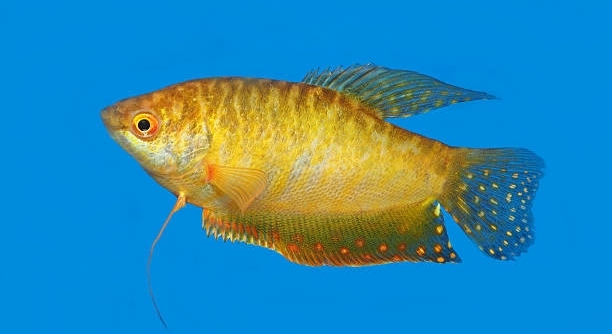
Are your gourami fish acting jumpy or hiding more than usual? Many fish owners notice this sudden change and want to understand what’s going on with their aquatic pets. Gouramis can be sensitive to their environment and behavior shifts often show something’s off.
Gouramis act skittish primarily due to stress caused by changes in water quality, tank environment, or the presence of aggressive tank mates. Stress impacts their natural behavior, making them more nervous and prone to hiding. Proper care and stable conditions reduce this behavior.
Recognizing the reasons behind their skittishness can help you create a more comfortable home for your gouramis and improve their overall wellbeing.
Common Causes of Skittish Behavior in Gouramis
Gouramis often become skittish due to sudden changes in their environment. Water quality plays a major role. If the water has high levels of ammonia, nitrites, or nitrates, the fish will feel unsafe. Poor water conditions can irritate their gills and skin, causing stress. Another factor is the presence of aggressive or overly active tank mates. Gouramis are peaceful fish and can become frightened or bullied by more dominant species. Lighting can also affect their behavior; too bright or flickering lights may startle them. Lastly, loud noises or vibrations near the tank can make gouramis nervous. Ensuring a stable, calm environment with clean water and suitable companions helps reduce skittishness. Regular water testing and gentle tank maintenance support their comfort and health.
Maintaining a peaceful tank and good water quality is essential for calm gouramis. Small changes can have a big impact.
A proper tank setup includes hiding spots like plants or decorations, which give gouramis places to retreat when they feel stressed. Avoid sudden water temperature changes, as gouramis prefer steady warmth around 75–80°F. Feeding a balanced diet with quality flakes or pellets also supports their health and reduces nervous behavior. Observing your gouramis daily will help you spot issues early and adjust care as needed.
How to Improve Your Gouramis’ Comfort
Reducing stress for gouramis starts with creating a consistent environment.
Once water quality and tank mates are checked, adding natural plants or decorations can make the tank feel more secure. Gouramis enjoy having places to hide and explore, which reduces fear. Keep noise levels low around the tank and avoid tapping the glass, as sudden sounds cause startle reactions.
A stable routine with regular feeding times and gentle water changes helps gouramis adjust and feel safe. Watching their behavior can guide you on what changes to make. Small adjustments often lead to calmer, healthier fish that show their natural colors and activity. Consistent care makes a noticeable difference in their wellbeing over time.
Signs Your Gouramis Are Stressed
Skittish behavior often comes with other signs of stress in gouramis. Watch for constant hiding, loss of appetite, or faded colors. Rapid gill movement and erratic swimming also indicate discomfort. Identifying these signs early can help prevent serious health problems.
Stress in gouramis weakens their immune system, making them vulnerable to diseases like fin rot or ich. When fish hide often or refuse food, it signals they are unhappy or unwell. Changes in their color, especially dullness or blotches, also point to stress. Erratic swimming can mean they feel unsafe or have poor water conditions. Paying close attention to these signs allows you to act quickly, improving their tank environment or treating illnesses. Early detection is key to helping your gouramis recover and return to normal behavior.
Stress can also cause gouramis to lose interest in interacting with their environment. They might avoid tank mates or stop exploring their surroundings. Consistent stress lowers their lifespan and overall vitality. By monitoring their behavior closely, you can provide timely care and reduce anxiety for your fish.
Adjusting Tank Conditions to Calm Gouramis
Changing the tank setup can greatly reduce skittishness. Adding more plants or gentle hiding spots gives gouramis places to feel safe. Avoid overcrowding the tank to minimize stress.
Proper filtration and stable water parameters keep the environment comfortable. Frequent water tests help maintain ideal levels of pH, ammonia, nitrites, and nitrates. Adjust lighting to avoid harsh brightness or sudden flickers, which can startle your fish. Temperature should be steady within the preferred range for gouramis. Reducing noise and vibrations around the tank creates a calm atmosphere. These small adjustments encourage gouramis to explore more and behave naturally. Gradual changes help the fish adapt without added stress, improving their confidence and wellbeing.
Feeding and Diet Tips for Skittish Gouramis
A balanced diet helps reduce stress in gouramis. Feeding small amounts several times a day keeps them comfortable. Avoid overfeeding, which can pollute the water and increase stress.
Use high-quality flakes, pellets, or frozen foods designed for gouramis. Variety in their diet supports good health and natural behavior. Fresh vegetables like peas or spinach can be offered occasionally.
The Role of Tank Mates in Gourami Behavior
Tank mates affect how comfortable gouramis feel. Peaceful species with similar size work best. Avoid aggressive or overly active fish that may scare gouramis.
Compatibility reduces competition and bullying, which lowers stress. Introducing new tank mates slowly helps gouramis adjust without feeling threatened.
Water Quality Basics for a Healthy Tank
Keep water clean and stable by testing weekly. Maintain ammonia, nitrite, and nitrate levels at safe ranges to prevent stress and illness.
Regular partial water changes remove waste and replenish minerals, supporting your gouramis’ health and calm behavior.
Why are my gouramis hiding all the time?
Gouramis hide frequently when they feel stressed or unsafe. This behavior often happens if the tank environment is unstable, such as poor water quality, aggressive tank mates, or sudden changes in temperature. Hiding is their way of seeking shelter and protection. Providing plenty of plants and decorations helps them feel secure, giving them spaces to retreat without feeling exposed.
How can I tell if my gouramis are stressed?
Signs of stress include hiding, loss of appetite, faded colors, and erratic swimming. You might also notice rapid gill movement or lethargy. These symptoms suggest the fish are uncomfortable, possibly due to water quality issues, overcrowding, or incompatible tank mates. Stress weakens their immune system, so early detection is important to prevent illness.
What water parameters are best for gouramis?
Gouramis thrive in water with a temperature between 75–80°F (24–27°C), a pH of 6.0 to 7.5, and soft to moderately hard water. Ammonia and nitrite levels should always be zero, while nitrates should stay below 20 ppm. Keeping these parameters stable reduces stress and promotes healthy behavior.
Can tank mates cause gouramis to be skittish?
Yes, aggressive or overly active tank mates often intimidate gouramis, causing them to hide or swim nervously. Gouramis are peaceful and do best with similarly calm fish. Avoid adding species known for chasing or nipping, as this can increase stress and harm their health.
How often should I feed my gouramis?
Feed small amounts two to three times daily, giving only what they can eat within a few minutes. Overfeeding pollutes the water and leads to stress. A balanced diet of high-quality flakes, pellets, and occasional frozen foods keeps gouramis healthy and calm.
Does lighting affect gourami behavior?
Bright or flickering lights can startle gouramis, making them nervous or skittish. Dimmer, steady lighting that mimics their natural environment is ideal. Providing shaded areas with plants or decorations allows them to escape harsh light and feel safe.
What should I do if my gouramis suddenly become skittish?
Check water quality first, testing for ammonia, nitrites, nitrates, and temperature. Inspect the tank for aggressive fish or sudden changes in environment. Make gradual adjustments like improving filtration, adding hiding spots, or separating problematic tank mates to reduce stress.
How important is tank size for gouramis?
Tank size matters because overcrowded spaces increase stress and aggression. A minimum of 20 gallons is recommended for a pair of gouramis. Larger tanks offer more room to swim and hide, helping maintain peaceful behavior.
Can changes in water cause skittish behavior?
Yes, sudden changes in water temperature, pH, or hardness can upset gouramis and trigger nervousness. Always make water changes slowly and test parameters to avoid shocking the fish.
Are there any signs that mean I should consult a vet?
If your gouramis show persistent loss of appetite, white spots, torn fins, or lethargy despite stable tank conditions, it may indicate illness. Consulting an aquatic vet or fish specialist can help diagnose and treat problems early to prevent worsening health.
How do plants help calm gouramis?
Plants provide shelter and create a natural environment, helping gouramis feel less exposed and more secure. Live plants also improve water quality by absorbing nitrates, contributing to a healthier tank overall.
Is it normal for gouramis to be shy at first?
Yes, gouramis can be shy when introduced to a new tank. They need time to adjust to their surroundings, lighting, and tank mates. Patience and a stable environment help them become more confident and active over time.
What role does water filtration play in gourami comfort?
Good filtration keeps water clean and oxygen-rich, which is essential for reducing stress. Filters also help maintain stable water parameters. Make sure your filter is appropriately sized for your tank and clean it regularly to avoid buildup of waste.
Can overhandling or tapping on the glass make gouramis skittish?
Frequent tapping or sudden movements near the tank scare gouramis and increase stress. Limit disturbances and avoid banging on the glass to keep your fish calm and comfortable.
How do I introduce new gouramis to an existing tank?
Introduce new gouramis slowly by quarantining them first to prevent disease spread. Gradually acclimate them to the tank water temperature and parameters. Monitor interactions carefully to prevent bullying and stress during the adjustment period.
Understanding why your gouramis act skittish is important for keeping them healthy and happy. Their nervous behavior usually comes from stress caused by changes in their environment or poor water conditions. It is natural for gouramis to hide or swim quickly when they feel unsafe. Providing a calm, stable tank with good water quality helps reduce their anxiety. When the fish feel secure, they show more natural colors and behaviors. This makes caring for them easier and more enjoyable.
Keeping water clean and stable is one of the best ways to prevent skittishness. Regular water testing and partial water changes remove harmful chemicals and keep the environment fresh. Temperature, pH, and ammonia levels should be checked often to avoid sudden changes that upset the fish. Using a good filtration system and avoiding overcrowding also helps. Adding plants and decorations gives gouramis places to hide, which makes them feel safer. These small steps create a comfortable home that lowers their stress and keeps them healthy.
Watching your gouramis closely allows you to notice any changes in behavior early. If they hide more than usual or stop eating, it can mean something is wrong. Identifying problems quickly lets you fix issues before they get worse. Remember, skittish behavior is often a signal from your fish that they need better care or a more peaceful environment. With patience and proper attention, you can help your gouramis feel calm and thrive in their tank.

Hello,
If you enjoy the content that we create, please consider saying a "Thank You!" by leaving a tip.
Every little bit helps us continue crafting quality advice that supports the health, happiness, and well-being of pets around the world, for pets of all shapes, sizes, and species.
We really appreciate the kindness and support that you show us!