
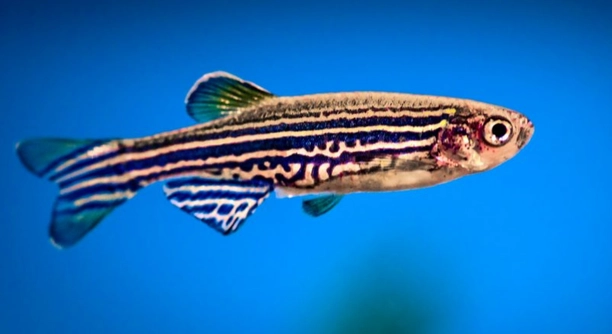
Zebra Danios are a popular choice for aquariums, often admired for their active nature. However, many aquarium owners wonder if their Zebra Danios will ever breed and how to foster the right environment for it.
Zebra Danios breed readily in the right conditions. To encourage breeding, provide a well-maintained tank with the appropriate temperature, water conditions, and healthy diet. Adding plants for cover can also increase the chances of successful spawning.
Understanding these key factors can help you foster a successful breeding environment for your Zebra Danios.
Creating the Right Environment for Zebra Danio Breeding
Zebra Danios thrive in conditions that mimic their natural habitat. To encourage breeding, keep the water temperature between 72°F and 78°F. The tank should also have a gentle filtration system, as strong currents can disturb the fish. Adding live plants, such as Java moss, will give them a place to lay eggs. Providing a quiet and stable environment is key to minimizing stress, which can prevent breeding attempts. Make sure the water pH level is between 6.5 and 7.5 for optimal conditions.
A healthy diet is essential for breeding success. Zebra Danios are omnivores and will thrive on a diet consisting of high-quality flakes, live or frozen foods like brine shrimp, and algae-based supplements. The right nutrition helps promote overall health, energy, and readiness to spawn.
In some cases, separating males and females for a few days before introducing them can increase breeding chances. This separation encourages the male to pursue the female aggressively, signaling his readiness. Once they are reintroduced, the female will be ready to lay eggs. However, keeping an eye on their behavior is crucial to ensure the process goes smoothly.
Identifying the Signs of Breeding Behavior
Recognizing the signs that your Zebra Danios are ready to breed can help you take timely action. Males typically become more vibrant in color, especially around the fins, while females will appear rounder as they develop eggs. These signs often signal the start of the breeding season.
During spawning, males chase the females around the tank, nudging them to encourage egg release. The female will scatter eggs on plants, decorations, or the substrate. Afterward, the male fertilizes the eggs. Keep an eye on the tank during this period, as some eggs may be eaten by the adults. To increase the chances of successful hatching, remove the adult fish shortly after spawning.
Providing the Right Tank Setup
To encourage Zebra Danio breeding, the tank should be set up with fine-gravel or soft sand substrate. This prevents damage to the eggs during spawning. A well-planted tank with floating plants, such as Java fern or hornwort, provides places for the eggs to settle. Maintain consistent water quality by performing regular water changes and avoiding overfeeding.
The tank should have a gentle filtration system to ensure water clarity without disturbing the fish. Use a sponge filter or a similar soft option to minimize water currents. Maintain a stable temperature by placing the tank in a room with minimal fluctuations in temperature. Keeping the environment as calm as possible will reduce stress on the fish.
Zebra Danios do best in a tank with a 10-gallon or larger capacity to allow space for breeding and swimming. This provides enough room for plants, hiding spots, and free space to swim, which helps reduce stress levels. A larger tank also reduces the chance of overcrowding, ensuring better breeding outcomes.
Ensuring Healthy Diets for Breeding Success
Feeding Zebra Danios a balanced and nutritious diet encourages breeding readiness. Offer a variety of food options such as high-quality flake food, live brine shrimp, or daphnia. This variety keeps the fish healthy and provides essential nutrients for their reproductive system.
A well-fed Zebra Danio is more likely to spawn successfully. In addition to flakes, supplement their diet with frozen or live foods. These foods provide extra protein and nutrients that help the fish maintain energy levels for mating and spawning. Ensure they are fed twice daily, but avoid overfeeding to maintain water quality.
When it comes to breeding, the condition of the fish is just as important as the environment. A healthy diet boosts their immune system, making them more resilient to stress and disease. Additionally, feeding them on a regular schedule helps ensure that both males and females are prepared for the breeding process.
Maintaining Water Quality
Maintaining optimal water quality is essential for Zebra Danio breeding. Perform regular water changes of 20-30% each week to remove waste and keep the water clean. Ensure the water is free from harmful chemicals, such as chlorine, which can negatively impact their health.
Test the water regularly for ammonia, nitrites, and nitrates. These compounds can harm your fish if levels become too high. A consistent water pH level between 6.5 and 7.5 ensures the fish are comfortable and promotes successful breeding. Stable water conditions reduce stress, which is essential for encouraging Zebra Danios to breed.
Additionally, invest in a reliable water filtration system. This will help to keep the water moving and free of debris, providing a clean environment for the fish to thrive. When the water conditions are stable, Zebra Danios are more likely to spawn successfully.
Understanding the Breeding Process
Zebra Danios are egg scatterers, meaning they lay their eggs in various places in the tank. During the breeding process, the female will release eggs while the male fertilizes them. This usually happens in the early morning hours when the fish are most active.
The eggs will remain in the tank and hatch within 2-3 days, depending on the water temperature. After hatching, the fry will remain near the substrate, feeding on their yolk sac until they become strong enough to swim freely. At this stage, it’s important to provide suitable food for the fry, such as infusoria or finely crushed flakes.
To ensure the eggs survive, it’s often best to remove the adults after spawning. Adults may eat the eggs, leaving little chance for them to hatch. With the right care, however, many of the eggs will hatch, and you’ll be able to raise the young Zebra Danios successfully.
Raising Zebra Danio Fry
Raising Zebra Danio fry requires special attention. As they develop, it’s important to provide small, frequent meals. Initially, they will require a food source such as infusoria or liquid fry food. Over time, you can transition them to finely crushed flakes.
Keep the fry in a separate tank to prevent predation by adult Zebra Danios. Make sure the water in the fry tank is maintained at a temperature of around 78°F, which helps promote their growth.
It’s essential to monitor the water quality in the fry tank, as their smaller size makes them more susceptible to changes in water conditions. Regular water changes and gentle filtration will help keep the environment suitable for their growth.
FAQ
What are the signs that my Zebra Danios are ready to breed?
When Zebra Danios are ready to breed, males typically become more vibrant in color, especially around their fins. Females, on the other hand, appear rounder as they develop eggs. The male will begin to chase the female, nudging her to encourage egg release. This behavior is a strong indication that the breeding process is about to begin.
How can I encourage Zebra Danios to breed?
To encourage breeding, ensure your Zebra Danios are in an optimal environment. Keep the water temperature between 72°F and 78°F, with a stable pH level of 6.5 to 7.5. Provide plenty of live plants, such as Java moss or hornwort, to create hiding spots for the eggs. A gentle filtration system is also important to maintain clean water while avoiding strong currents that might stress the fish.
How often do Zebra Danios breed?
Zebra Danios can breed frequently, with females capable of laying eggs every 2-3 weeks during the breeding season. However, for consistent breeding, it’s essential to maintain the right water conditions and a balanced diet. The frequency of breeding may decrease during colder months or if the fish are stressed.
How do I know when the eggs will hatch?
Zebra Danio eggs typically hatch within 2-3 days of being fertilized, depending on water temperature. Warmer water accelerates the hatching process, while cooler temperatures can delay it. After hatching, the fry will remain near the substrate and will begin to swim within a few days.
Can I leave the adults in the tank after spawning?
It’s generally a good idea to remove adult Zebra Danios from the tank after spawning. Adult fish may eat the eggs or fry, which reduces the chances of successful hatching. If you leave the adults in the tank, ensure there are plenty of hiding places for the eggs and fry to increase their chances of survival.
What should I feed Zebra Danio fry?
Newly hatched Zebra Danio fry are very small and require a diet of infusoria or liquid fry food for the first few days. As they grow, you can begin introducing finely crushed flake food. It’s essential to provide small, frequent meals to promote their growth and development.
How many fry can I expect to hatch from each breeding?
The number of fry produced by Zebra Danios can vary, but typically, females will lay 50-100 eggs per spawning. Not all eggs will hatch successfully, but with the right care, you can expect a significant number of fry to survive. Ensuring the tank is free from predators and maintaining clean water will improve the chances of a higher survival rate.
What should I do with the fry after they hatch?
After the fry hatch, it’s best to move them into a separate tank to protect them from the adult Zebra Danios, who may eat them. Keep the fry tank at a consistent temperature of around 78°F and provide them with appropriate food, such as infusoria. Make sure the water in the fry tank is regularly changed to maintain a healthy environment.
Can Zebra Danios breed with other species of fish?
Zebra Danios will not breed with other species of fish. While they can live peacefully with other species in the same tank, breeding will only occur between male and female Zebra Danios. Cross-breeding with different species is not possible.
How do I maintain water quality for breeding Zebra Danios?
Maintaining good water quality is crucial for breeding success. Perform regular water changes, about 20-30% per week, to remove waste and toxins. Test the water frequently for ammonia, nitrites, and nitrates, ensuring these levels remain safe. Stable water temperature and pH levels are also important for encouraging breeding and protecting the health of both adult fish and fry.
What is the ideal tank size for breeding Zebra Danios?
For breeding Zebra Danios, a tank size of at least 10 gallons is recommended. This size provides ample space for the fish to swim and breed comfortably. A larger tank will also make it easier to maintain stable water conditions, which are essential for breeding success.
Do I need to add any specific plants for breeding?
Live plants are crucial for breeding Zebra Danios. Plants like Java moss and hornwort provide hiding spaces for the eggs, protecting them from adult fish that might consume them. Plants also help improve water quality by absorbing excess nutrients, creating a healthier environment for the fish to thrive.
How can I prevent overpopulation of Zebra Danios?
Overpopulation can be prevented by controlling the number of fish you allow to breed. Removing the fry as soon as they hatch and keeping only a few fish in the tank will help manage the population. If you’re not planning to raise the fry, it’s best to separate the adults after spawning.
Can Zebra Danios breed in a community tank?
Yes, Zebra Danios can breed in a community tank, provided there are no aggressive fish that could harm the fry. Ensure that the tank has plenty of plants and hiding spots for the eggs and fry. Be mindful of the other species in the tank, as they might compete for food or space.
How long does it take for Zebra Danios to reach maturity?
Zebra Danios typically reach sexual maturity at around 3-4 months of age. At this point, they are capable of breeding, although they may not breed as frequently as older adults. Providing proper care and a balanced diet will help speed up their growth and readiness to reproduce.
Final Thoughts
Breeding Zebra Danios can be a rewarding experience when the right conditions are met. These small, hardy fish are relatively easy to care for and breed, making them a great choice for both beginners and experienced aquarists. However, understanding their needs is key to successful breeding. Consistent water quality, the right temperature, and appropriate food are essential factors that influence their ability to reproduce. A well-maintained tank will not only encourage breeding but also provide a healthy environment for both adults and fry.
While Zebra Danios breed quite easily, there are several steps you can take to increase the chances of success. Removing the adults after spawning, ensuring the eggs have a safe environment, and keeping the water clean and stable are all important considerations. Additionally, the fry need special care in their early stages. Starting them off with the right food, like infusoria or liquid fry food, helps them grow strong. Regular water changes and proper filtration will support their development and help them thrive.
Ultimately, breeding Zebra Danios requires patience and attention to detail. By following proper guidelines and providing a stress-free environment, you can expect healthy fry to hatch and grow. Whether you’re interested in raising a new generation or simply observing their natural breeding behaviors, keeping a breeding pair of Zebra Danios can be an enjoyable and educational part of fishkeeping. As with all fishkeeping practices, the key to success lies in knowledge, preparation, and commitment to the care of your fish.

Hello,
If you enjoy the content that we create, please consider saying a "Thank You!" by leaving a tip.
Every little bit helps us continue crafting quality advice that supports the health, happiness, and well-being of pets around the world, for pets of all shapes, sizes, and species.
We really appreciate the kindness and support that you show us!