
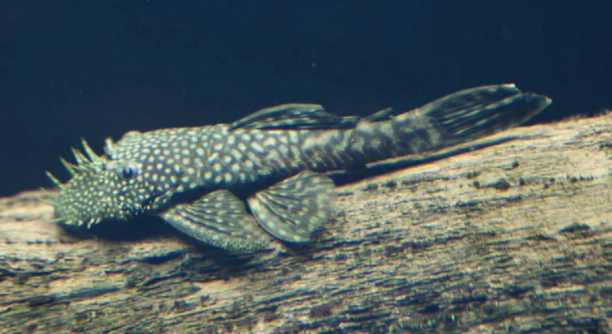
Do your Plecostomus seem to recognize you when you approach their tank? Over time, it’s natural to wonder if they develop a sense of familiarity with their owners and how this affects their behavior.
Plecostomus, like many fish species, can recognize their owners through visual and sensory cues. Their ability to distinguish their owner’s presence depends on their exposure to consistent interactions and the environment, which may help build recognition over time.
Understanding the process of recognition can help you foster a more positive relationship with your Plecostomus. This knowledge can enhance the care and interaction you share with your fish.
How Plecostomus Recognize Their Owners
Plecostomus fish have the ability to recognize their owners over time. While fish are often considered to have limited cognitive abilities, research shows that certain species, including the Plecostomus, can differentiate between familiar and unfamiliar stimuli. Over time, they can learn to associate their owner’s presence with feeding or other positive experiences. Plecostomus have excellent vision and can identify visual cues, such as your appearance or the way you move. They also rely on other sensory inputs, like vibrations in the water, to detect when you approach their tank.
The more you interact with your Plecostomus, the more they will become accustomed to you. Regular feeding routines and consistent handling will help strengthen this recognition. Over time, your Plecostomus may approach you or display other behaviors that signal recognition.
However, this recognition process varies between individual fish. Some may respond more quickly, while others may take longer. Your Plecostomus’s ability to form bonds depends on several factors, including their age, environment, and past experiences.
Importance of Consistent Interaction
A consistent feeding schedule is key in helping your Plecostomus recognize you. Regular interaction creates a predictable routine for them.
By consistently approaching the tank, feeding your Plecostomus at the same time each day, and avoiding sudden movements, you can strengthen their recognition of you. These regular interactions help the fish associate your presence with a positive experience, making them more likely to approach when they see you. Over time, they will begin to recognize you as a consistent part of their environment, improving their response to your presence.
Fish, especially Plecostomus, thrive in stable environments where they can anticipate events. This predictability allows them to feel more comfortable and secure, helping foster recognition and trust. In contrast, erratic behavior or sudden changes in the environment may confuse or stress them, delaying the recognition process.
How Environmental Changes Affect Recognition
Plecostomus are sensitive to changes in their environment, which can impact their ability to recognize you. Any shift in water conditions or tank setup may disrupt their routine and confuse them.
If you make sudden changes to the tank, like moving decorations or altering the water temperature, it can cause stress. This stress may affect their behavior, making them less likely to recognize you immediately. They rely on stability to form connections, and when that’s disrupted, they may need time to adjust. The more consistent the tank’s environment, the quicker they’ll associate you with positive interactions.
Your Plecostomus’s ability to recognize you can also depend on the overall health of the tank. Poor water quality or frequent changes in the tank’s appearance may lead to confusion. Ensuring a stable environment is key to maintaining strong recognition over time.
Feeding as a Tool for Bonding
Feeding your Plecostomus at the same time each day strengthens their recognition of you. It creates a connection between your presence and something positive.
Consistency in feeding time is a simple yet effective way to form a bond. When your Plecostomus sees you approaching, they begin to associate you with food, leading them to become more familiar with you. Over time, they will likely approach when they see you, knowing that food is nearby. Using a variety of food can also encourage more interaction. Just be sure not to overfeed, as it can affect their health and behavior.
A predictable feeding routine benefits both you and your fish. It helps Plecostomus feel secure and comfortable, leading to more natural recognition over time. A feeding ritual can improve their overall well-being, allowing for more successful bonding.
Factors That Affect Recognition Speed
The speed at which your Plecostomus recognizes you depends on several factors. Age, prior experiences, and frequency of interaction all play a role.
Older Plecostomus are often quicker to recognize their owners because they’ve had more exposure to their environment. Younger fish may take more time to establish connections. Likewise, a Plecostomus that has been through many different owners or environments might take longer to trust new people. Regular interactions make recognition easier over time, helping your fish form a stronger bond with you.
The Role of Visual and Sensory Cues
Plecostomus rely on both visual and sensory cues to recognize you. They use their excellent eyesight to identify shapes and movements in the water.
These fish are highly sensitive to vibrations, allowing them to detect when you approach the tank. They also pay attention to visual features like your size and the way you move. As you spend more time near the tank, they begin to recognize these familiar cues. Over time, your Plecostomus may even swim toward you when they notice you entering the room, signaling recognition.
The Impact of Tank Location
The location of your Plecostomus’s tank can influence how quickly they recognize you. Tanks placed in high-traffic areas might promote faster recognition due to more frequent interaction.
FAQ
How long does it take for a Plecostomus to recognize you?
The time it takes for a Plecostomus to recognize you varies depending on the individual fish and the consistency of interactions. Generally, it can take anywhere from a few weeks to several months for a Plecostomus to start recognizing their owner. The more frequently you interact with them, the quicker they may form a connection. Regular feeding and movement around the tank can help speed up this process.
Do Plecostomus bond with their owners?
While Plecostomus are not as affectionate as some other pets, they can form a certain level of bond with their owners. This bond is usually based on routine interactions, such as feeding or maintaining the tank. Plecostomus may recognize you and associate you with positive experiences, like being fed, which could lead them to become more accustomed to your presence. However, they are not as likely to seek out attention or interaction as other species.
Can Plecostomus recognize their owners from a distance?
Yes, Plecostomus can recognize their owners from a distance. They rely on visual and sensory cues, such as the shape of your body and the vibrations caused by your movements. While they might not immediately swim up to greet you like a dog, they can detect your presence and may start to recognize you over time as you approach their tank.
What can I do to help my Plecostomus recognize me faster?
To help your Plecostomus recognize you faster, maintain a consistent routine. Feed them at the same time each day and ensure your movements around the tank are predictable. The more familiar you become in their environment, the quicker they will start associating you with food and other positive experiences. Spending time near the tank and avoiding sudden movements can also help speed up the recognition process.
Do Plecostomus get stressed by changes in their environment?
Yes, like most fish, Plecostomus can get stressed by changes in their environment. Shifting decorations, altering the water temperature, or introducing new tank mates can all cause stress and disrupt their routine. This can affect their behavior and slow down the process of recognition. Maintaining a stable environment is key to helping your Plecostomus feel comfortable and to enhancing their recognition of you.
How do Plecostomus use sensory cues to recognize me?
Plecostomus use their excellent eyesight and the vibrations they detect in the water to recognize you. They can differentiate between familiar and unfamiliar shapes and movements, which is how they recognize you over time. When you approach their tank, they feel the vibrations in the water and often associate these vibrations with feeding time. This connection can help them recognize your presence even before you get close to the tank.
Can a Plecostomus remember you if you leave for a while?
Yes, Plecostomus can remember their owners for some time. While they may not have long-term memories like some animals, they are capable of remembering routine events and familiar faces. If you leave for a few weeks or longer, they might not immediately recognize you when you return. However, with consistent interaction after your return, they can relearn to associate you with positive experiences.
Why is my Plecostomus not approaching me anymore?
If your Plecostomus stops approaching you, it could be due to several factors. Changes in the environment, such as water conditions or tank decor, may have caused stress. They might also be experiencing health issues that affect their behavior. Another possibility is that their feeding routine has changed, and they no longer associate you with food. Assess the tank conditions and feeding schedule to ensure consistency and address any potential stress factors.
Do Plecostomus need a lot of interaction to recognize you?
While Plecostomus do not require a lot of interaction to recognize you, regular and consistent contact can help build recognition faster. They do not need attention every day, but consistent feeding times and predictable tank maintenance can make a difference. Plecostomus are not as interactive as other pets, but they will gradually become accustomed to your presence through these regular interactions.
Can I train my Plecostomus to come to me?
Training a Plecostomus to come to you is possible, but it requires patience. The most effective way is through positive reinforcement. By associating your approach with feeding time, you can encourage them to come closer to you. They may eventually recognize the routine and swim towards you when they see you approach. Keep in mind that their responses may be more subtle compared to more interactive pets.
Final Thoughts
Plecostomus can form some level of recognition over time, especially if their environment remains stable and they have consistent interactions with their owners. While they may not display affection in the same way as some other pets, their ability to recognize and trust you can grow with regular and predictable care. Their recognition is more rooted in routines, such as feeding times, tank maintenance, and the overall environment that remains steady. Understanding that they form connections through these habits rather than direct affection is important.
The process of recognition may take time, but with patience and consistency, your Plecostomus will become familiar with you and your presence. They use visual and sensory cues to identify you, making it easier for them to associate you with food and positive experiences. While they may not come to you for affection or attention like a dog, they will become comfortable around you, understanding that you are part of their environment. This recognition will help build a relationship, even if it remains one-sided.
If you’ve noticed your Plecostomus becoming less interactive, it could be due to changes in the tank’s environment or even their health. Monitoring the water conditions, temperature, and overall tank setup is key to maintaining a good environment for your fish. By staying consistent with their care routine, you can help your Plecostomus feel more comfortable and secure, which will foster better recognition over time. It’s important to remember that every Plecostomus is unique, so their recognition process may differ, but patience and a stable routine are the best ways to nurture that connection.

Hello,
If you enjoy the content that we create, please consider saying a "Thank You!" by leaving a tip.
Every little bit helps us continue crafting quality advice that supports the health, happiness, and well-being of pets around the world, for pets of all shapes, sizes, and species.
We really appreciate the kindness and support that you show us!