
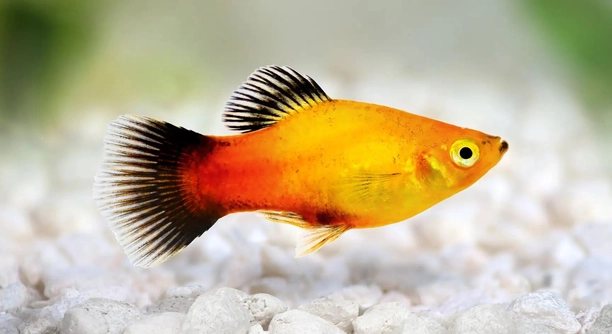
Many fish owners enjoy watching their platies swim and interact in their tanks. These small, colorful fish seem lively and responsive to their surroundings. It’s natural to wonder if platies recognize the people who care for them.
Platies do not have the memory or brain capacity to recognize individual humans. Their responses to owners come from learned associations with feeding and movement, rather than personal recognition or memory of a person.
Learning about platies’ behavior and what they actually remember can help you better understand their needs and habits in your aquarium.
How Platies Learn and Respond
Platies rely mostly on simple learning rather than memory of individuals. They quickly associate certain sights and sounds with food, like the tapping of the tank or movement near the water surface. When you approach the tank, they may swim toward the glass expecting to be fed. This behavior is a conditioned response rather than recognition. Their brains are small and designed mainly for survival tasks, so they focus on things that impact their immediate needs, such as food and safety. Over time, platies may learn the schedule of feeding or the presence of a person, but they do not form emotional memories like mammals do. Their behavior is consistent with instinct and routine, not personal memory or recognition of their keeper.
Platies remember routines but not specific individuals.
This means the fish respond well to consistent feeding habits and gentle movements. They thrive when their environment is stable and predictable, as sudden changes can stress them. Understanding this can help you build a better relationship with your platies by creating positive conditions they expect daily.
Signs Your Platies Recognize Routine
Platies will often swim eagerly when they see or hear feeding signals, like you approaching the tank. This reaction shows they associate these cues with food, not with who is nearby.
The responsiveness of platies to routines shows how they adapt to their environment. They are creatures of habit and quickly learn patterns that benefit their survival. If you feed them at the same time and place each day, they will anticipate the feeding. This learned behavior improves their chances of getting food, which is essential in a tank with other fish. While they don’t recognize individuals, they do notice familiar signals and react accordingly. Offering food gently and consistently helps them feel safe and secure. It also encourages natural behaviors, making your tank a more lively and interesting place. Keeping their environment calm and stable supports their well-being.
How to Build Trust with Your Platies
Consistent care and gentle handling help platies feel comfortable in their environment. They respond positively to calm movements and regular feeding times, which builds trust over time.
Platies are sensitive to their surroundings and notice when things are steady. By feeding them gently and avoiding sudden movements near the tank, you encourage a sense of security. Regular tank maintenance, like clean water and stable temperature, also supports their comfort. When platies feel safe, they display more natural and relaxed behaviors, such as swimming calmly and exploring their space. Avoid tapping on the glass or quick motions, as these can startle them and reduce trust.
Interacting regularly with platies through feeding and quiet observation creates a calm routine. Over weeks, they learn to associate your presence with positive experiences, even if they don’t recognize you personally. This routine helps them stay less stressed and more active in their tank.
Environmental Factors Affecting Platies’ Behavior
Water quality, tank size, and decorations all influence how platies act daily. A clean and spacious tank encourages natural swimming patterns and reduces stress.
Maintaining good water quality is essential for platies to stay healthy and active. Poor water conditions can make them hide or become sluggish. Tank size matters because crowded spaces limit movement and increase aggression. Adding plants and hiding spots helps platies feel safe and less exposed. These environmental factors shape how they react to you and their surroundings. By optimizing their habitat, you encourage lively and healthy behaviors, making it easier to interact with your fish.
Common Misconceptions About Platies
Many people believe platies can remember individual owners like pets do, but this is not the case. Their behavior is driven by routine, not personal memory.
It is easy to mistake their feeding response for recognition. Platies react to signals, not faces or voices.
How Feeding Patterns Influence Behavior
Regular feeding helps platies develop habits that make them appear more interactive. They learn when and where food appears, which makes them swim to the surface eagerly. Feeding them consistently also reduces stress and keeps their activity levels stable. If feeding times vary too much, platies can become anxious and hide more often. Consistent care creates a calm environment where they feel secure and active.
When to Be Concerned About Your Platies’ Behavior
If your platies suddenly stop eating or hide constantly, it might indicate health or environment issues. Monitoring their behavior closely helps catch problems early.
FAQ
Do platies recognize their owners?
Platies do not recognize individual owners. They respond to movements, feeding routines, and environmental cues instead. Their brains are not developed enough to remember people like pets do. What you see as recognition is actually a learned response to signals associated with food or care.
How long can platies remember things?
Platies have short-term memories that last only a few seconds to minutes. They remember patterns related to feeding and safety but do not store long-term memories of people or specific events. This is enough for them to survive and respond appropriately in their environment.
Can platies be trained?
While platies can’t be trained like dogs, they do learn simple routines. They quickly associate certain actions, like tapping the tank or approaching at feeding time, with food. Repeating these actions consistently helps platies form habits, but this isn’t true training or recognition.
Why do my platies swim to me when I approach?
Platies swim toward you because they associate your presence with feeding. They react to the movement near their tank and the sounds linked to feeding. This behavior is a conditioned response to routine rather than a sign of personal recognition.
Do platies get stressed by sudden changes?
Yes, platies are sensitive to sudden changes in their environment. Loud noises, quick movements, or irregular feeding schedules can stress them. Stress affects their behavior and health, so keeping a calm, stable environment is important for their well-being.
How can I make my platies less shy?
To make platies more comfortable, approach the tank slowly and feed them regularly at the same time each day. Avoid tapping the glass or sudden movements. Providing plants and hiding spots also helps them feel safe, which reduces shyness and encourages natural behaviors.
What signs show my platies are healthy?
Healthy platies are active, swim smoothly, and eat regularly. Their colors should be bright, and fins should be intact without tears or spots. If your platies hide excessively, lose appetite, or show unusual swimming patterns, it may signal health problems.
Can platies form bonds with other fish?
Platies don’t form social bonds like mammals, but they do interact with other fish. They often swim together and share space peacefully, especially with other peaceful species. These interactions are more about safety and social behavior than emotional bonding.
What should I do if my platies stop responding to feeding?
If your platies suddenly stop coming for food, check water quality and tank conditions first. Poor water, illness, or stress can cause this behavior. Ensure the temperature, pH, and cleanliness are optimal. If problems persist, consider consulting a vet or aquatic specialist.
How do platies react to human voices?
Platies don’t recognize or react to human voices as a form of communication. They may notice vibrations caused by sound but don’t associate voices with specific people or events. Their responses are mostly visual and based on routine, not auditory recognition.
Platies are small fish that bring color and life to many home aquariums. While they do not remember individual people or recognize their owners like some pets do, they are still interesting creatures that respond to their environment in ways that can feel personal. Their reactions, such as swimming toward you during feeding time, are based on learned routines and survival instincts. Understanding this helps set realistic expectations about their behavior and the kind of care they need to thrive. Platies rely on consistency and calm surroundings to feel secure and active, which makes watching them a rewarding experience.
Taking care of platies means focusing on their environment and daily habits. Keeping their water clean, maintaining a stable temperature, and feeding them regularly all contribute to their well-being. They do best when they have space to swim freely and plants or decorations that offer hiding places. These simple steps create a comfortable habitat where platies can show natural behaviors like exploring and socializing with other fish. While they don’t form personal bonds with humans, they do learn to associate certain signals, like your approach or tapping on the tank, with food and safety. This predictable routine helps reduce their stress and keeps them more lively.
In the end, having platies is about appreciating their unique way of living rather than expecting pet-like recognition. They provide visual enjoyment and a calm presence in your home, responding best to patience and steady care. By understanding what platies can and cannot remember, you can better meet their needs and enjoy their natural behaviors. Focusing on their health and environment will create a positive experience for both you and your fish, allowing you to build a peaceful and balanced aquarium life together.

Hello,
If you enjoy the content that we create, please consider saying a "Thank You!" by leaving a tip.
Every little bit helps us continue crafting quality advice that supports the health, happiness, and well-being of pets around the world, for pets of all shapes, sizes, and species.
We really appreciate the kindness and support that you show us!