
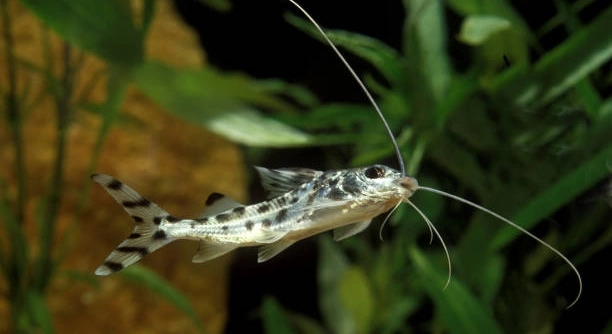
Have you ever stood by your aquarium and wondered if your pictus catfish actually recognizes you after all this time?
Pictus catfish do not possess strong memory or recognition abilities toward humans. While they may respond to feeding routines, this behavior is based on habit and food association rather than personal memory or emotional connection.
These tiny swimmers still have fascinating behaviors worth exploring, especially when it comes to how they interact with their environment and routines.
How Memory Works in Pictus Catfish
Pictus catfish have a simple brain structure that limits their memory and recognition skills. Unlike dogs or parrots, they don’t form social bonds with humans. Instead, they respond to patterns in their environment, like feeding time or light changes. Their actions may seem like recognition, but it’s more about routine than memory. They learn when and where food appears and can associate movements near the tank with feeding. However, this isn’t the same as remembering a person. It’s more of a reaction based on repetition. Their behaviors are instinctual and focused on survival.
Pictus catfish might swim toward you, but they’re reacting to cues, not recognizing you.
Though they can’t truly remember people, they can still become comfortable with your presence. If your movements are consistent and gentle, your catfish may stop hiding as much and appear more relaxed. Over time, they can show less stress when you’re nearby.
Do They Respond to Owners?
Pictus catfish can react to routine, especially feeding schedules and tank conditions. Their reactions aren’t emotional but rather practical responses tied to consistency and habit.
These catfish often come out of hiding when they sense food, especially if feeding happens around the same time daily. They can detect vibrations and motion near the tank, so they may appear responsive when you approach. This isn’t personal recognition, but a learned behavior tied to food. If your hand movements are smooth and predictable, they might not retreat as quickly. However, sudden movements or inconsistent care can keep them stressed and hidden. They don’t recognize faces or voices, but they do adapt to patterns. Regular care, quiet surroundings, and stable water conditions help them thrive and feel more at ease. They won’t remember you like a dog would, but they can still show signs of adjustment that make your care efforts worthwhile.
How to Tell If Your Pictus Catfish Feels Comfortable
If your pictus catfish swims actively and explores the tank, it’s likely comfortable. A relaxed fish will come out during feeding times, show smooth movements, and avoid hiding for long stretches unless startled.
Comfortable pictus catfish don’t stay hidden all day. They often roam the bottom of the tank and interact with decorations or tank mates. Their swimming patterns are smooth, not erratic. During feeding, they may quickly appear and show excitement through quick fin flicks or fast, controlled darting. If the tank is quiet and the water conditions are good, they’ll start trusting their environment more. Over time, they’ll stop hiding when you approach, especially if you follow a routine. This doesn’t mean they recognize you, but they associate your presence with feeding or safety.
A stressed pictus catfish may hide excessively, move jerkily, or avoid eating. These signs often point to poor tank conditions, sudden movements, or inconsistent care. Noise, overcrowding, or incompatible tank mates can also affect their comfort. If you notice these signs, check the water parameters first—ammonia or pH issues are common triggers. Make your actions around the tank smoother and quieter. With calm surroundings and regular feeding times, they’ll begin to show less fear. You don’t need fancy techniques—just patience and steady care.
What Helps Build Trust in Routine
Consistency in feeding and gentle movement near the tank helps your catfish feel less threatened. They begin to expect certain patterns, which creates a sense of safety. Over time, this can reduce stress and increase their visible activity.
Building trust with a pictus catfish is mostly about creating a calm, predictable space. Use the same feeding time each day, and approach the tank slowly. Avoid tapping the glass or making loud noises. Provide hiding spots so they feel secure. While they may never bond like a dog or cat, their behavior improves with routine. They may swim more freely and show fewer signs of stress. Water quality is also key—stable temperature, clean filters, and good oxygen levels all support this adjustment. When a pictus catfish feels secure, it becomes more active and bolder. It’s not about personal connection, but a response to steady, gentle care. The more routine you offer, the more they adjust.
Common Misunderstandings About Recognition
Many people assume their pictus catfish recognizes them when it swims forward. In reality, the fish is likely responding to movement or the sound of food preparation, not to the person themselves.
Another misunderstanding is thinking eye contact means connection. Pictus catfish don’t use eye contact for bonding; it’s mostly a survival behavior.
How Pictus Catfish Communicate
Pictus catfish communicate through body language and movement. Quick darts or hiding can mean they’re scared or uncomfortable. Smooth swimming and visible activity usually signal comfort. They may also respond to tank mates with short chases or by sharing hiding spots. These actions aren’t personal but are part of natural instincts. Watching their body posture can help you understand how they feel in their environment. A relaxed body and steady fin motion are good signs, while sudden changes often show discomfort. Over time, you’ll notice patterns that reflect how they adjust to daily life in the tank.
Final Thoughts on Memory
Pictus catfish don’t form memories like humans or even some other pets. What seems like recognition is often just pattern response.
FAQ
Can pictus catfish bond with their owner?
No, pictus catfish do not form bonds with people. Their brains are not built for emotional memory or recognition the way mammals or birds are. They can grow used to your presence if you’re consistent, quiet, and calm around the tank. They may seem to respond to you, but it’s not a personal bond. It’s more about them getting used to the pattern of feeding and movement. Over time, this familiarity can lead to less hiding and more activity when you’re near, but it’s not a bond in the emotional sense.
Do pictus catfish have memory at all?
Yes, they have short-term memory. It’s enough to help them learn feeding times, avoid certain areas, or navigate their tank. Their memory is limited and instinct-driven. They do not recall individual people or complex situations, but they respond to habits and repetition. If feeding happens at the same time every day, they’ll start to anticipate it. If you change something in their tank, they may react at first but adapt quickly. So, while they don’t remember you as a person, they do remember simple patterns related to food and environment.
Why does my pictus catfish come to the glass when I’m near?
This usually happens because they associate your movement with feeding. They may recognize the vibration or shadow that happens when you walk up to the tank. It might look like affection or recognition, but it’s just a learned reaction to regular feeding routines. If you always feed them after approaching the tank, they’ll begin to respond to that motion. They’re not looking at you to bond—they’re looking to be fed. This behavior is common and not a sign of personal memory.
Is it bad if my pictus catfish hides all the time?
Not necessarily, but it could mean they feel stressed or unsafe. Hiding is a natural behavior, especially for nocturnal or shy fish like the pictus catfish. Still, constant hiding during feeding or active hours can point to issues like poor water quality, tank mates causing stress, or too much noise. Check the tank’s conditions first, then observe how they respond to changes. A well-balanced tank with hiding spaces and a steady routine usually encourages them to come out more often. Regular care and patience often lead to small behavior improvements.
Can pictus catfish learn new behaviors?
To some extent, yes. They can learn simple associations, like linking a certain sound or movement with feeding. They can also figure out which tank areas are safe or dangerous, depending on other fish or decorations. But this learning is limited. They won’t perform tricks or follow commands. Their learning is mostly survival-based. If you keep your behavior consistent, they’ll adjust and act in ways that seem learned. This includes swimming to certain spots when you approach or avoiding areas where they’ve been startled.
Will my pictus catfish get bored without interaction?
No, they don’t need interaction the way social animals do. However, they benefit from an enriched tank environment. Add plants, hiding places, smooth rocks, and safe tank mates to keep them active and reduce stress. While they don’t need you to entertain them, they do need stimulation from their environment. A bare tank can lead to inactivity, but interaction with people isn’t necessary. Just maintaining a healthy, varied tank layout is enough to keep their instincts engaged.
Do they remember other fish in the tank?
They don’t form bonds with tank mates, but they can get used to other fish and adjust their behavior accordingly. If a tank mate is aggressive or bothers them, they’ll learn to avoid it. If they share the tank peacefully, they’ll go about their routines without reacting strongly. This isn’t social memory—it’s simple environmental learning. Their behavior is shaped more by the tank setup and interactions than any memory of specific individuals.
How can I help my pictus catfish feel safe?
Use soft lighting, avoid sudden movements near the tank, and keep a consistent feeding schedule. Include hiding spots like caves or plants. Keep the water parameters stable—no sudden changes in temperature or pH. If your tank is peaceful and consistent, they’ll feel more secure. A calm environment helps them adjust, show more activity, and reduce hiding. They don’t need emotional comfort but do respond well to quiet stability. Watching them grow more confident over time is a rewarding part of keeping this species.
Final Thoughts
Pictus catfish are beautiful and active fish, but they don’t form emotional bonds or recognize people the way some pets can. Their behavior is shaped by routine, repetition, and their environment. While they might seem to notice you or respond to your presence, they are really reacting to patterns—especially those linked to feeding. This isn’t memory in the human sense. It’s simple learning based on association. They can tell when something changes in their surroundings, but they don’t remember individuals or build personal connections. Their brain is designed for basic instincts like survival, not emotional recognition.
That said, they can become more comfortable with you over time. If you keep your movements slow, stay quiet near the tank, and maintain a steady care routine, your pictus catfish may stop hiding as much. They might begin to swim more openly when you’re around. This isn’t because they know you, but because they’ve learned your presence doesn’t bring danger. They respond to patterns in behavior and sound, not your face or voice. A calm environment, stable water conditions, and regular feeding will go a long way in helping your catfish feel secure. They’ll reward this care with more visibility and activity.
Understanding the limits of a pictus catfish’s memory helps set the right expectations. These fish are not meant for interaction in the way dogs or even some reptiles are. Instead, they thrive in a peaceful, stable setting where their natural behaviors can shine. By watching how they move, eat, and react to their tank setup, you’ll still enjoy the process of caring for them. Even without emotional connection, there’s something satisfying about earning their comfort through consistent care. They may never remember you, but they can feel safe with you. And sometimes, that’s enough to make the experience worthwhile.

Hello,
If you enjoy the content that we create, please consider saying a "Thank You!" by leaving a tip.
Every little bit helps us continue crafting quality advice that supports the health, happiness, and well-being of pets around the world, for pets of all shapes, sizes, and species.
We really appreciate the kindness and support that you show us!