
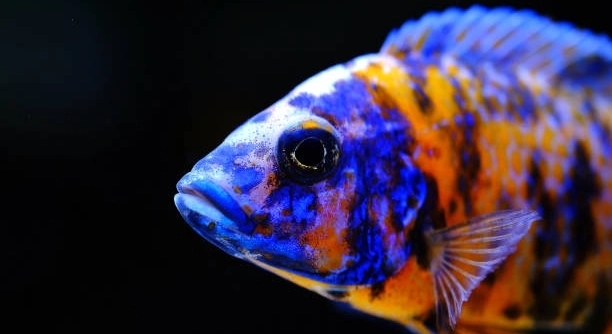
Have you ever noticed your convict cichlid becoming more territorial and attentive within the aquarium, showing subtle changes in behavior that suggest a shift toward pairing, nesting, and increased interest in its surroundings over time?
The breeding behavior of convict cichlids typically begins when stable water conditions, proper nutrition, and compatible mates are present. Sexual maturity triggers courtship displays, nest preparation, and aggressive territorial defense, signaling readiness to reproduce successfully in a controlled aquarium environment.
Recognizing these early signs helps aquarists prepare calmly, protect tank mates, and support healthy spawning outcomes through informed care practices.
Early Signs of Breeding Behavior
Convict cichlids often show clear behavioral shifts before breeding begins, and these changes are easy to notice with regular observation. Increased aggression is common, especially toward other fish entering a chosen area. Pairs may clean flat surfaces, rocks, or caves with focused repetition. Digging becomes frequent as they move gravel to shape a nest site. Color contrast usually intensifies, making body bars appear darker and more defined. I have noticed they also swim closer together, often mirroring movements. One fish may guard while the other explores. Feeding responses can change, with faster strikes and less tolerance for competition. These combined behaviors indicate a strong biological drive rather than random mood changes within the tank environment during breeding readiness periods that develop gradually and remain consistent over several days when conditions remain stable and stress levels stay low for attentive keepers observing daily routines closely inside well maintained aquariums at home.
These signs often appear suddenly but follow predictable patterns. Consistency is key when observing them. Short daily checks help separate breeding behavior from stress responses caused by water changes, overcrowding, or unstable temperatures within the aquarium that may develop without proper maintenance routines over extended periods of neglect and oversight.
Understanding these behaviors helps prevent surprises. When I first noticed breeding signs, preparation mattered more than excitement. Extra hiding spaces reduced tension. Monitoring water quality prevented unnecessary losses. Removing vulnerable tank mates avoided injuries. Breeding pairs are protective and persistent. Providing space allows natural instincts to unfold safely. This awareness supports healthier outcomes and keeps the aquarium balanced during this intense reproductive phase. It also reduces stress for the keeper by creating predictability and encouraging calm responses instead of rushed decisions during sudden behavioral changes that can disrupt stability quickly if left unmanaged over time within shared tanks with others.
Creating the Right Breeding Conditions
Successful breeding relies on environmental balance. Stable water parameters, adequate space, and secure nesting areas are essential. Small adjustments made early can influence outcomes significantly and reduce conflict within the tank during spawning periods when fish feel supported and undisturbed by consistent care practices and thoughtful tank setup choices matter.
Convict cichlids breed readily when their environment meets specific needs. Water temperature should remain steady, ideally slightly warmer than standard community settings. Clean water supports egg development and reduces fungal growth. Filtration must be effective but gentle enough to avoid disturbing nesting sites. Caves, clay pots, or rock crevices give pairs a sense of security. Diet also plays a role. High quality pellets combined with occasional protein rich foods support conditioning. I prefer keeping breeding tanks simple. Fewer decorations make monitoring easier and lower risk for fry. Lighting should be moderate, avoiding sudden changes. Consistency across feeding, maintenance, and lighting schedules helps reinforce stability. When these elements align, breeding behavior progresses smoothly. Careful planning minimizes losses and allows natural parental care to take place without constant interference from the keeper. This approach also supports calmer behavior overall. Adults remain focused on guarding rather than reacting to disruptions. Fry benefit from reduced stress and better survival rates. Observing this process feels rewarding and reinforces the value of patience. Over time, consistent results build confidence and make breeding attempts more predictable and manageable for attentive aquarists maintaining stable systems with minimal stress and effort through routine observation and care at home tanks.
Managing Aggression During Spawning
Breeding convict cichlids become intensely defensive once eggs appear. Chasing, biting, and fin flaring increase rapidly. I learned quickly that this behavior is normal but disruptive. Without preparation, weaker fish face constant stress, injury, or death inside shared aquariums during spawning periods when territories shrink and protection instincts dominate activity.
Separating tank mates is often necessary to maintain stability. When I left multiple fish together, aggression escalated beyond control. A dedicated breeding tank reduces conflict and protects vulnerable species. If separation is impossible, visual barriers help. Rearranging decorations breaks established boundaries and slows attacks. Feeding small portions more frequently can distract adults temporarily. Observing interactions daily matters. Persistent cornering or torn fins signal urgent action. Managing aggression is less about intervention and more about preventing stress through layout, spacing, and consistent routines that support natural behavior. This approach keeps the environment calmer and reduces losses during sensitive breeding stages overall.
Parental care changes tank dynamics significantly. Both parents guard eggs, then fry, with constant vigilance. I noticed feeding becomes secondary to defense. Any movement near the nest triggers immediate response. Providing open swimming space away from the nest helps redirect aggression. Sponge filters prevent fry loss and reduce strong currents. Minimal tank maintenance during this stage lowers disturbance. Sudden water changes can cause parents to eat eggs. Gentle observation is better than frequent interference. Trusting their instincts often leads to better survival rates. Experience taught me patience matters most during this fragile period for long term success in breeding setups.
Caring for Fry After Hatching
Fry become free swimming within days and require constant access to food. Parents usually guide them closely. I prefer infusoria or finely crushed flakes at first. Clean water remains critical. Light daily siphoning removes waste without stressing fry. Overfeeding clouds water quickly. Stable temperature supports steady growth and reduces losses. Space matters as numbers grow, and overcrowding slows development and increases competition among siblings rapidly when tanks remain small and maintenance schedules fall behind easily.
Growth happens quickly under proper care. Within weeks, fry begin showing distinct striping. I separate them once size differences appear to avoid dominance issues. Frequent small water changes support development without shock. Diet variety becomes important as mouths grow. Crushed pellets, frozen foods, and flakes work well. Monitoring growth helps decide when to rehome or separate further. Not all fry survive, even with ideal care. Accepting natural losses prevents frustration. A calm, routine focused approach makes raising convict cichlid fry manageable and rewarding over time. I learned consistency matters more than perfection, and steady habits protect both fish health and keeper confidence during early development stages as tanks stabilize and responsibilities increase with growing numbers over weeks while observation guides adjustments and prevents stress later.
Supporting Adult Health Between Breeding Cycles
Repeated breeding can place strain on adult convict cichlids if conditions are not managed carefully. I noticed reduced energy and increased aggression after frequent spawns. Allowing rest periods between breeding cycles supports recovery, stabilizes behavior, and maintains long term health within captive aquarium environments over extended periods of intensive reproduction.
Providing separation after spawning helps adults reset naturally. Removing fry once they are independent reduces constant defense behaviors. I found that consistent feeding, stable water parameters, and reduced visual stress allowed pairs to return to normal patterns without lingering tension or exhaustion during longer recovery phases between breeding attempts overall.
When Breeding Does Not Occur
Not every convict cichlid pair will breed, even under ideal care. Lack of pairing often relates to age, sex mismatch, or dominance imbalance. I learned patience matters. Young fish need time to mature. Some pairs simply remain incompatible. Environmental stress also plays a role. Inconsistent temperatures, frequent tank changes, or overcrowding suppress breeding responses. Improving conditions slowly yields better results than constant adjustments. When breeding does not occur, maintaining health should remain the priority. Stable routines support long term wellbeing regardless of reproductive outcomes. I stopped forcing outcomes and focused on balanced care instead for calmer tanks overall long term.
Adjusting Tank Maintenance During Breeding
Breeding activity also affects tank maintenance routines. Increased waste from feeding and fry growth requires closer monitoring. I adjust water changes carefully, avoiding sudden shifts. Gentle consistency protects eggs, fry, and adults while keeping the aquarium stable during demanding reproductive periods that place added strain on filtration systems over time.
How long does it take for convict cichlids to start breeding?
Convict cichlids usually reach sexual maturity between six to twelve months. I noticed some mature slightly faster with stable temperatures and a nutritious diet. Once they are ready, pairing and nest preparation can happen almost immediately. Consistent water conditions, proper tank size, and a suitable nesting site encourage earlier breeding, while stress or overcrowding can delay it. Monitoring their behavior daily helps anticipate when breeding might occur, allowing better preparation and fewer surprises. In my experience, patience is key—forcing conditions too quickly often causes stress and reduces overall success.
Do convict cichlids always pair for life?
No, convict cichlids do not form lifelong bonds. I have seen pairs split after a breeding cycle, particularly if one fish is removed or stressed. Some pairs stay together for multiple cycles, but compatibility is not guaranteed. Re-pairing often works if new compatible partners are introduced carefully. Ensuring similar size and age reduces aggression during new pair formations. In my tanks, I observe interactions for several days before expecting them to start nesting, which helps prevent injuries and ensures the new pairing is likely to succeed in breeding safely.
What is the best tank size for breeding convict cichlids?
A tank of at least 20 gallons is recommended for a single pair, though larger tanks are better if other fish are present. I found 30 gallons or more gives enough space for territory and fry movement. Adequate hiding spots, caves, or pots reduce aggression and provide nesting areas. Overcrowding often increases stress and leads to aggression that can harm both adults and fry. I also keep substrate shallow enough for digging but not so deep that cleaning becomes difficult. Proper tank layout directly affects breeding success and parental behavior, making careful planning essential before introducing a pair.
How do I know if my cichlids are ready to spawn?
Signs include intensified colors, increased digging, nest cleaning, and synchronized swimming. I also notice adults guarding a chosen spot and chasing away intruders. Changes in appetite or increased alertness often appear. Observing daily allows me to see patterns rather than relying on sudden signs. Stable water, minimal disturbances, and consistent feeding further encourage natural spawning behavior. Recognizing these behaviors early helps me prepare the tank, protect vulnerable fish, and anticipate the arrival of eggs or fry without rushing the process.
Should I remove other fish when breeding occurs?
Yes, it is usually necessary. I have learned that even peaceful tank mates can stress breeding pairs or become targets of aggression. Separating or using visual barriers reduces conflict and protects eggs and fry. Temporary relocation of other fish ensures the breeding environment remains stable. Fry are especially vulnerable to predation or accidental injury in a mixed tank. Keeping the breeding pair in a dedicated tank makes observation and care easier, allowing them to focus on nest defense and parental duties without constant interference or stress from other tank inhabitants.
What should I feed convict cichlids before and during breeding?
High protein diets encourage breeding readiness. I provide quality pellets supplemented with occasional frozen or live foods, like bloodworms or brine shrimp. Feeding small portions multiple times daily helps condition fish without fouling the water. Balanced nutrition supports egg development and fry health. I noticed that inconsistent feeding often delays spawning or reduces egg viability. Clean, nutrient-rich meals maintain energy and strengthen immunity, preparing adults for the physical demands of breeding and parental care. Monitoring consumption ensures all adults get adequate nutrition, reducing competition and aggression during this critical period.
How do parents care for their eggs and fry?
Both adults guard eggs and fry aggressively. I’ve seen parents take turns fanning eggs to provide oxygen while protecting the nest from intruders. After hatching, they guide fry, chase potential threats, and sometimes move them to safer locations. Minimal interference from me during this period allows natural behaviors to unfold. Parents may eat eggs if stressed, so I avoid frequent maintenance near the nest. Observing from a distance ensures fry survive without disturbance. Active parental care improves survival rates significantly compared to hands-on interventions, which often cause more harm than help.
What is the survival rate of fry in a home tank?
Survival depends on tank setup, parental care, and water quality. I typically see 70-90% survival under ideal conditions with attentive observation. Overcrowding, poor filtration, or disturbances reduce success. Providing proper food, stable water parameters, and minimal stress increases survival. I found that separating fry into rearing tanks once they grow helps manage numbers and reduces competition. While some losses are normal, careful management allows a significant portion of fry to reach maturity. Consistency and attention to detail are key for successful rearing of convict cichlid fry in a home aquarium.
Can I breed convict cichlids repeatedly?
Yes, but adults need recovery time between cycles. I usually allow at least four to six weeks of rest for adults after a spawning event. Adequate feeding, clean water, and reduced stress ensure energy stores are restored. Repeated breeding without breaks weakens fish and increases aggression. Recovery periods support both physical health and mental stability. Observing behavior during rest helps me determine when adults are ready for the next cycle. Proper pacing ensures consistent breeding success while protecting the well-being of both parents and future fry populations in the tank environment.
How do I prevent aggression from harming other fish?
Maintaining adequate space and hiding spots is essential. I rearrange decorations to disrupt established territories if needed. Visual barriers reduce constant conflicts. Removing vulnerable fish temporarily prevents injury. Consistent feeding schedules distract adults and reduce competitive stress. Observation allows me to intervene before serious harm occurs. Aggression is natural, but planning and environmental adjustments help maintain a balanced tank during breeding periods, keeping both adults and other tank mates safe while allowing natural behaviors to continue without unnecessary risk or loss.
When should I intervene in breeding?
Intervention is rarely needed unless eggs or fry are at risk, or aggression is severe. I step in if a parent shows extreme stress, eggs are neglected, or fry are in immediate danger. Minimal disturbance is better for natural care. Gentle observation allows me to decide when action is truly necessary. Consistent routines, stable water, and proper tank layout usually eliminate the need for interference. Intervention is a last resort, applied carefully and only to protect the long-term health of adults and offspring while preserving natural behaviors that ensure the best survival rates.
This FAQ provides practical guidance based on direct observation and experience, helping manage breeding convict cichlids effectively while minimizing stress and maximizing survival. Attention, consistency, and patience remain the most valuable tools for successful spawning and fry rearing in home aquariums.
Convict cichlids are fascinating fish to observe, especially during breeding. Their behavior changes dramatically, and it is interesting to see how naturally protective they become of their eggs and fry. From digging and cleaning nests to chasing away intruders, their instincts are clear and consistent. I have noticed that paying attention to small details, like color changes and synchronized swimming, makes it easier to predict when breeding is about to begin. Understanding these patterns helps create a calmer environment, which benefits both the fish and anyone maintaining the tank. The more stable the conditions are, the more likely a pair will breed successfully, and the less stressed they appear during the process.
Providing the right environment is key to encouraging breeding and supporting overall health. Stable water parameters, adequate space, and secure nesting areas create an atmosphere where adults feel safe to breed and care for their fry. Diet plays a crucial role as well, with high-quality food and occasional protein-rich treats helping condition fish for reproduction. I have found that avoiding sudden changes, whether in water, lighting, or tank layout, reduces stress and encourages more natural behaviors. Even small adjustments, like adding a hiding spot or rearranging rocks, can make a significant difference in reducing aggression and supporting calmer interactions. Preparing the tank properly makes the breeding experience more predictable and allows the fish to follow their instincts without interference.
Raising fry successfully requires patience and careful observation. Parents are very protective, but monitoring water quality and feeding the fry appropriately ensures they grow healthy. I have learned that removing fry too early or disturbing the nest can reduce survival rates, while letting parents guide their young often leads to better outcomes. Over time, observing convict cichlids teaches valuable lessons about behavior, care, and the balance between intervention and letting nature take its course. Providing consistent care, giving adults time to recover between breeding cycles, and maintaining a stable environment creates the best chance for long-term success. By understanding and respecting their natural patterns, it is possible to enjoy breeding convict cichlids while keeping the tank safe, healthy, and balanced for both adults and fry.

Hello,
If you enjoy the content that we create, please consider saying a "Thank You!" by leaving a tip.
Every little bit helps us continue crafting quality advice that supports the health, happiness, and well-being of pets around the world, for pets of all shapes, sizes, and species.
We really appreciate the kindness and support that you show us!