
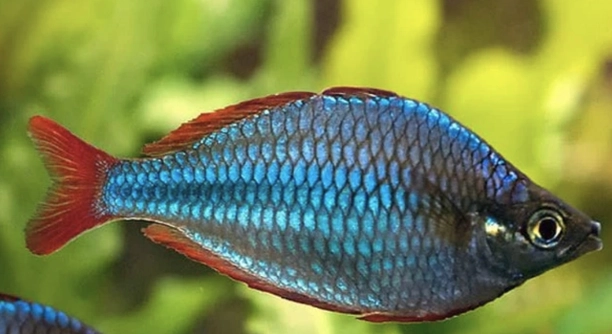
Rainbow fish are beautiful and captivating, often admired for their vibrant colors and peaceful nature. If you have them as pets, you may wonder about their breeding habits and what needs to be considered before attempting it.
Breeding rainbow fish requires careful attention to factors such as water conditions, diet, and tank environment. Ensuring the right temperature, pH level, and space for the fish to feel secure is essential for successful breeding.
Understanding these key elements will help create the right conditions for breeding and increase your chances of success with rainbow fish.
Tank Setup for Breeding Rainbow Fish
The setup of your tank plays a significant role in whether your rainbow fish will breed successfully. These fish thrive in an environment that mimics their natural habitat. A well-maintained tank with the proper filtration system is necessary to maintain water quality. Ideally, your tank should have plenty of hiding spots like plants or decorations where the fish can feel secure. Make sure the tank is large enough to accommodate a small group of rainbow fish, as they can get territorial, especially when breeding. To prepare for breeding, it’s important to clean the tank thoroughly and add plants that provide shelter for the eggs.
Water temperature is another crucial element. Rainbow fish typically breed in water between 75 and 80°F. Ensure the water has a gentle flow, as rainbow fish don’t prefer strong currents. Regular water changes and proper filtration help maintain optimal water conditions, providing a comfortable breeding environment.
These steps ensure your rainbow fish have the best possible setting to breed. The next consideration is their diet and health, which are just as essential in encouraging successful breeding.
Rainbow Fish Diet for Breeding
Proper nutrition is key when it comes to breeding rainbow fish. A balanced diet supports the health and reproductive system of the fish. You should feed them a variety of foods, including high-quality flakes, frozen or live foods like brine shrimp, and occasional plant matter. These foods provide the necessary nutrients to prepare the fish for breeding. Overfeeding should be avoided as it can lead to poor water quality, which can harm both the fish and their eggs.
When rainbow fish are well-fed, they’re more likely to spawn. It’s also recommended to keep the fish in good condition prior to introducing them to breeding conditions. Healthy, well-nourished fish have a higher chance of successful egg fertilization. Maintaining the right diet ensures both males and females are at their optimal reproductive potential.
Now, let’s focus on the specific signs of readiness for breeding. Knowing when your fish are prepared is essential.
Signs of Ready Rainbow Fish for Breeding
When your rainbow fish are ready to breed, you’ll notice a few physical changes. Males will become more vibrant in color, with their fins becoming more pronounced. Females, on the other hand, will appear fuller and rounder as they develop eggs. These signs are an indication that the fish are in peak breeding condition.
You may also observe the males displaying courtship behavior. This can include fin flaring, swimming in circles, and even chasing the females. The males will often attempt to show off their vibrant colors and may try to get the attention of the females by swimming in front of them. If the female is ready to spawn, she will show interest by swimming alongside the male and allowing him to lead her to a suitable area.
These behaviors often signal that breeding is imminent. It’s important to give the fish space during this time so they feel comfortable and secure. Avoid disrupting their natural rhythms, as stress can hinder the breeding process.
Water Conditions for Breeding Success
Maintaining optimal water conditions is essential for rainbow fish breeding. Aside from temperature, the pH level should be monitored closely, ideally between 6.5 and 7.5. These fish thrive in slightly acidic to neutral water. Hard water should be avoided, as it can cause the fish to feel stressed.
The ideal water conditions can vary slightly depending on the species of rainbow fish, so it’s worth researching your specific fish type. Additionally, ensure the water is free from contaminants and toxins, which can harm both the fish and their eggs. Regular water changes are vital to keeping the water fresh and clear.
Water quality also influences the overall health of the fish, which directly impacts their ability to breed. Use a reliable filtration system to remove debris, and consider using a water conditioner if necessary to balance minerals. Proper water conditions create an environment that supports the breeding process, allowing the eggs to develop properly.
Spawning Behavior
When rainbow fish are ready to spawn, the males will begin to chase the females and display courtship behaviors. These behaviors include swimming in circles, flashing their colors, and attempting to nudge the female toward a suitable area for laying eggs. The female will usually choose a safe spot to deposit her eggs.
The process is quick, and the female will lay her eggs on plants or tank decorations. The male will then fertilize them. It’s important not to disturb them during this time, as it can cause stress and prevent successful egg fertilization. Ensuring the breeding area is calm and undisturbed helps increase the chances of success.
Protecting Eggs After Spawning
Once the eggs are laid, it’s vital to ensure they are protected. In a community tank, other fish might eat the eggs, so separating the breeding pair into a separate tank may be necessary. The eggs will hatch in about 7-10 days, depending on water temperature.
During this period, it’s essential to keep the water quality high. Frequent water changes can help maintain the necessary conditions for the developing eggs. Be sure to monitor the temperature closely and avoid any drastic fluctuations, as they can harm the embryos.
After the fry hatch, they will need specially prepared food, like infusoria or liquid fry food, to survive and grow. Once they become large enough, they can be moved into the main tank.
Potential Breeding Problems
Breeding rainbow fish can sometimes be challenging. Issues like egg infertility, stress, or poor water conditions can hinder the breeding process. If the fish are not mating, it could be due to the wrong water parameters or lack of a proper diet.
FAQ
How long does it take for rainbow fish to breed?
Rainbow fish typically take around 3 to 4 weeks to breed once they are placed in the correct conditions. This includes preparation time such as adjusting the water temperature, ensuring proper nutrition, and setting up the breeding tank. After the initial courtship, the actual spawning process is relatively quick, with eggs being fertilized within hours of being laid.
How many eggs do rainbow fish lay?
Rainbow fish usually lay between 50 to 100 eggs during each spawning. The number can vary depending on the size and health of the fish. Females that are in peak condition will produce more eggs, and if they are in a large tank, they may spawn multiple times throughout the breeding season.
What should I feed my rainbow fish to encourage breeding?
A varied diet is crucial for rainbow fish when preparing them for breeding. High-quality flakes, live foods like brine shrimp, and frozen foods such as daphnia are all excellent choices. Additionally, providing plant matter like spirulina can help round out their diet and ensure they get the nutrients necessary for reproduction.
Can rainbow fish breed in a community tank?
It is possible for rainbow fish to breed in a community tank, but it’s more challenging. Other fish may eat the eggs or disturb the breeding pair. For the best results, consider setting up a separate breeding tank where the pair can focus on spawning without interference. Adding live plants and hiding spots will also help keep the eggs safe.
Do rainbow fish require a special breeding tank?
Rainbow fish don’t require a specialized breeding tank, but it’s ideal to have one that mimics their natural environment. A tank with soft water, plants, and low current is best. Having a separate breeding tank helps avoid the risk of other fish eating the eggs or disturbing the process. This tank should be well-filtered, with stable temperature and water conditions to encourage successful breeding.
What temperature is ideal for rainbow fish breeding?
The ideal temperature for breeding rainbow fish is between 75°F and 80°F (24°C to 27°C). Maintaining a consistent temperature within this range is important, as temperature fluctuations can stress the fish and disrupt the breeding process. Using a reliable heater and thermometer is crucial to keep the water at the desired temperature.
Why isn’t my rainbow fish breeding?
If your rainbow fish aren’t breeding, it could be due to several factors. Common reasons include improper water conditions, lack of sufficient food, or stress. Check the water temperature, pH levels, and hardness to ensure they’re within the right range. Additionally, make sure both male and female are healthy and well-fed. Sometimes, simply providing a more natural environment with plants or decorations can encourage spawning.
What do I do after the eggs are laid?
After the eggs are laid, remove the breeding pair from the tank to prevent them from eating the eggs. The eggs will hatch within 7 to 10 days, depending on the water temperature. During this time, maintain clean water and stable conditions to support the developing eggs. Once the fry hatch, you can begin feeding them appropriate foods like infusoria or liquid fry food. The fry should remain in the breeding tank until they are large enough to be safely introduced to a larger tank.
How do I care for rainbow fish fry?
Rainbow fish fry are tiny and require special care. After they hatch, they will initially survive by absorbing the yolk sac. Once that is used up, they will need fine food such as infusoria or specially prepared fry food. Keep the water clean and perform frequent water changes to avoid toxins building up. As the fry grow, gradually introduce larger foods like crushed flakes. When the fry are big enough, they can be moved into a regular tank with adult rainbow fish.
Can rainbow fish breed more than once?
Yes, rainbow fish can breed multiple times in a year. In optimal conditions, they may spawn several times, particularly if they are well-nourished and the water conditions remain stable. However, females need time to recover between breeding sessions, so it’s essential to ensure they are in good health and not stressed before the next round of breeding.
How can I tell if my rainbow fish eggs are fertilized?
Fertilized rainbow fish eggs are typically clear and white, while unfertilized eggs often appear cloudy or discolored. You can check for fertilization by closely observing the eggs over a few days. Fertilized eggs will develop into small embryos, while unfertilized eggs will rot and become covered with fungus. If you notice fungal growth, it is important to remove the affected eggs to prevent them from harming the rest of the batch.
How often should I clean the breeding tank?
The breeding tank should be cleaned regularly to maintain good water quality, but be careful not to disturb the fish too much. Perform partial water changes of about 20-30% every week. Clean the substrate and remove any leftover food to prevent contamination. Regular cleaning ensures the water remains clean and free of toxins that could harm the eggs or fry.
Should I remove the plants from the tank after breeding?
No, you should leave the plants in the tank. Plants are essential for rainbow fish breeding, as they provide surfaces for the eggs to be laid on. They also offer hiding spots and create a more natural environment. After breeding, you may want to check the plants for eggs and clean any debris, but do not remove them.
What are the signs that rainbow fish are stressed during breeding?
If rainbow fish are stressed, they may show signs like erratic swimming, hiding, or aggressive behavior. Males may become overly territorial, or females may refuse to breed. Stress can be caused by poor water quality, overcrowding, or sudden changes in their environment. It’s essential to maintain a calm, stable tank environment to prevent this.
Final Thoughts
Breeding rainbow fish can be a rewarding experience, but it requires attention to detail and patience. These colorful fish have specific needs when it comes to water conditions, food, and tank setup. The right environment can make a big difference in whether or not your fish will successfully breed. Ensuring that the water temperature, pH, and hardness are all within the right range is essential to encourage breeding. A well-maintained tank with healthy plants, hiding spots, and a calm atmosphere helps create the perfect breeding environment for rainbow fish.
While the process may seem complicated at first, with a little preparation and knowledge, it becomes much easier. Rainbow fish, when properly cared for, can breed successfully and produce vibrant offspring. The key to success is not rushing the process and making sure that both the males and females are healthy and well-fed. Pay attention to their behavior, as males often display courtship rituals to signal their readiness for spawning. Females, in turn, will lay eggs that need to be protected until they hatch.
In conclusion, breeding rainbow fish is not only about getting eggs to hatch, but also about understanding their needs and providing the best possible care. With the right setup, a stable environment, and the proper care, rainbow fish can thrive in a breeding tank. While there may be challenges along the way, the reward of seeing baby rainbow fish grow and develop is well worth the effort.

Hello,
If you enjoy the content that we create, please consider saying a "Thank You!" by leaving a tip.
Every little bit helps us continue crafting quality advice that supports the health, happiness, and well-being of pets around the world, for pets of all shapes, sizes, and species.
We really appreciate the kindness and support that you show us!