
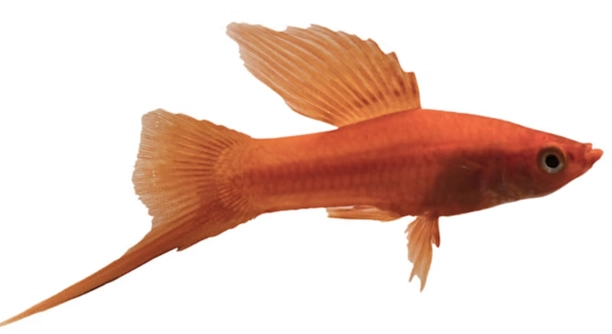
Swordtails are popular fish among aquarium enthusiasts due to their bright colors and lively nature. If you’ve been thinking about getting one, it’s important to consider how they feel in their environment. This article will cover that.
Swordtails are social creatures and do better when kept with other fish of their kind. Keeping them alone may cause stress or loneliness, leading to health problems. A companion will often help them stay more active and happy.
Knowing how to care for your swordtail and prevent loneliness will help create a thriving environment for your fish. Understanding their social needs will allow you to ensure they remain healthy and content.
Swordtail Social Needs
Swordtails are naturally social fish. In their natural habitat, they live in schools, and this behavior helps them stay safe and feel comfortable. When kept alone, swordtails can become stressed, leading to health issues like a weakened immune system or aggression. Their social nature helps them thrive, so it’s important to provide them with companions. If you notice signs of loneliness, like excessive hiding or sluggish behavior, it could be due to being alone for too long.
Keeping swordtails in pairs or small groups can create a happier and healthier environment. Even though they don’t require constant interaction, the presence of others keeps them active and engaged.
Adding more swordtails to your aquarium can reduce stress and help them adjust better to their space. They’ll feel more secure when they have the company of their kind, which also helps them develop natural behaviors like swimming in groups. If you’re considering getting a swordtail, it’s always good to keep them in pairs or groups for the best outcome.
Identifying the Signs of Loneliness
Signs of loneliness in swordtails can be easy to spot. If your fish is alone and becomes less active, it’s time to consider adding a companion.
Swordtails can show different behaviors when they’re lonely. They may hide more often, swim less, or even show signs of aggression. The fish might also stop eating or become lethargic, which are clear signs that they’re not comfortable in their environment. These behaviors can be prevented or minimized by introducing more swordtails. If you’re concerned about your swordtail’s well-being, the first step is to ensure it has a suitable companion.
By giving your swordtail the company it needs, you’ll create a lively and balanced aquarium. When they are kept in a group, they feel more secure and are likely to show vibrant, active behavior. They’ll explore their space more confidently, and you’ll see them swim freely with their companions. It’s a small change that can make a big difference in your swordtail’s overall happiness.
Can Swordtails Live with Other Fish?
Swordtails can live with other species, but it’s important to choose tank mates carefully. They are peaceful but may become aggressive with smaller, slower fish. Avoid keeping them with overly territorial or aggressive species, as this can cause stress and harm.
Ideal tank mates include peaceful fish like guppies, mollies, and corydoras catfish. These species tend to get along well with swordtails due to their similar temperament. However, you should avoid keeping swordtails with fin-nipping fish, as they may damage the swordtail’s long tail. It’s also important to consider the size of the tank, as overcrowding can lead to stress.
A well-planned community tank can give your swordtail the companionship it needs without risking its health. Make sure the other fish in the tank are not too large, as swordtails can be intimidated by bigger fish. Regular monitoring of tank behavior will help ensure that all the fish are happy and healthy.
How Many Swordtails Should You Keep?
To prevent loneliness and stress, it’s recommended to keep swordtails in groups. At least two swordtails are ideal, but keeping a small group of four to six can help them feel more secure and reduce aggression.
Swordtails are social fish, and they thrive in a group setting. A single swordtail may feel isolated and exhibit stress-related behaviors. A group provides a sense of security, allowing the fish to swim together and form natural social bonds. In larger groups, swordtails will interact more, showing a variety of behaviors like chasing each other and displaying their vibrant colors. This adds to the overall energy and health of the aquarium.
Keeping multiple swordtails can also prevent any one fish from being bullied. When there are more swordtails, the hierarchy becomes more balanced, reducing the chances of aggression. With a group, each swordtail can enjoy its own space while still benefiting from the company of others.
Swordtail Tank Size
Swordtails need enough space to swim freely. A tank that’s too small can lead to stress, especially if there are multiple fish. A 20-gallon tank is the minimum recommended size for a small group of swordtails.
If you plan to keep a group of swordtails with other species, you’ll need a larger tank. A 30-gallon tank or bigger will provide ample space for swimming and reduce territorial behavior. The more space your swordtails have, the more relaxed and active they’ll be, as they’ll have room to explore without feeling crowded.
Adequate tank size is essential not only for the swordtails but also for maintaining water quality. A larger tank allows for better filtration and easier management of waste. Make sure to also include plenty of hiding spots and plants to make the environment more comfortable.
Water Conditions for Swordtails
Swordtails thrive in slightly alkaline water with temperatures between 72°F and 78°F. Keeping the water at the right temperature and pH level helps reduce stress and maintain a healthy aquarium.
Regular water changes are crucial to prevent the buildup of toxins. Swordtails can be sensitive to poor water quality, which can lead to illness or behavioral changes. Make sure to test the water regularly for ammonia, nitrites, and nitrates.
Maintaining stable water conditions is key to keeping swordtails healthy and stress-free. They’re more likely to thrive and interact naturally in clean, stable water with the right pH and temperature. Keeping these factors in mind will help them live a long, happy life in your tank.
FAQ
Do swordtails get lonely if kept alone?
Yes, swordtails can get lonely if kept alone. They are social fish and need the company of other fish to stay healthy. If kept alone, they may exhibit signs of stress such as hiding, lack of movement, and even reduced appetite. Keeping them in pairs or small groups helps to prevent loneliness and creates a more active environment.
How many swordtails should I keep together?
It’s best to keep swordtails in groups of at least two, but four to six is ideal. This allows them to socialize and feel secure, reducing stress. A group will also help balance out any potential aggression. With more fish, they can interact with each other naturally, making them feel more comfortable in the tank.
Can swordtails live with other types of fish?
Swordtails can live with other peaceful fish, such as guppies, mollies, or corydoras catfish. However, you should avoid keeping them with fin-nipping fish or overly aggressive species, as these can harm the swordtails. Swordtails are generally peaceful, but they can become stressed in the wrong company.
What size tank is best for swordtails?
A 20-gallon tank is the minimum recommended size for a small group of swordtails. If you plan to keep multiple swordtails along with other fish, a 30-gallon or larger tank would be ideal. More space ensures they have room to swim and interact without feeling cramped.
What water temperature do swordtails need?
Swordtails thrive in temperatures between 72°F and 78°F. Keeping the water within this range will help ensure your swordtails are healthy and active. Too cold or too hot water can cause stress and lead to health problems, so it’s important to monitor the temperature regularly.
What pH level do swordtails need?
Swordtails prefer slightly alkaline water with a pH between 7.0 and 8.0. Keeping the pH level within this range is essential for their health. Regular testing will help ensure the water is suitable for them and prevent any harmful fluctuations.
Can swordtails live with shrimp or snails?
Yes, swordtails can live with shrimp and snails. They typically don’t bother these creatures, but it’s important to monitor the situation. Some shrimp species, especially smaller ones, could get stressed by the swordtails, so it’s best to introduce them gradually and observe their interactions.
How often should I feed my swordtail?
Swordtails should be fed twice a day, offering a variety of high-quality fish flakes, pellets, and occasional live or frozen foods like brine shrimp. Be careful not to overfeed, as this can lead to water quality issues. Only feed them what they can consume in a few minutes to avoid excess waste.
Do swordtails need plants or decorations in their tank?
Yes, swordtails enjoy having plants and decorations in their tank. Plants provide hiding spots and allow them to engage in natural behaviors like swimming through them. Live plants are also beneficial for water quality, as they help absorb excess nutrients and provide oxygen to the tank.
How long do swordtails live?
Swordtails typically live for 3 to 5 years if properly cared for. Maintaining stable water conditions, providing proper nutrition, and keeping them in a stress-free environment will help ensure a long, healthy life. Regular monitoring of their health and behavior is important for their overall well-being.
Are swordtails easy to breed?
Swordtails are relatively easy to breed. They are livebearers, meaning they give birth to live young rather than laying eggs. To breed swordtails, you need to have both males and females in the same tank. Once pregnant, the female will give birth to several fry. You should provide plenty of hiding spaces for the fry to avoid predation by adult fish.
Do swordtails need a filter in their tank?
Yes, a filter is important for keeping the water clean and ensuring a healthy environment for swordtails. Swordtails produce waste that can quickly pollute the water, so having a good filtration system is essential. Regular water changes and proper filtration will help maintain water quality and reduce the chances of illness.
Why is my swordtail’s tail getting damaged?
Damaged tails in swordtails can be caused by aggression, fin-nipping from other fish, or poor water quality. If there are aggressive tank mates, it’s important to separate them from the swordtail. Also, maintaining good water conditions and reducing stress can prevent tail damage and promote healing.
How can I tell if my swordtail is sick?
Signs of illness in swordtails include faded colors, loss of appetite, abnormal swimming behavior, or visible lesions on their body. If your swordtail is showing these symptoms, it’s essential to isolate it and monitor the water conditions. You may need to consult with a vet or aquatic specialist for proper treatment.
Do swordtails need to be in pairs?
While swordtails don’t need to be in pairs, they do benefit from the company of others. Keeping a single swordtail may lead to loneliness and stress. It’s best to keep them in groups, where they can interact and feel secure. A mix of males and females helps with social behavior and reduces aggression.
Can swordtails live with other livebearers?
Yes, swordtails can live with other livebearers, such as guppies and mollies. These species have similar care needs and temperaments. However, avoid overcrowding the tank, as this can lead to aggression or stress. Proper tank size, filtration, and monitoring are key when keeping different species together.
Final Thoughts
Swordtails are social and active fish that thrive when kept in groups. While they can survive alone for a short time, they will be happier and healthier if they have company. A group of swordtails helps them feel secure, reduce stress, and engage in natural behaviors like swimming together. Whether you have two or six swordtails, they will generally do well in groups as long as they have enough space and proper care. Keeping multiple swordtails in a spacious tank reduces the chances of territorial aggression and helps maintain a peaceful environment.
Providing a suitable environment for your swordtails goes beyond just having enough fish. Tank size, water temperature, and water quality all play a big role in their well-being. Swordtails need a tank that’s at least 20 gallons in size, with plenty of space to swim and explore. The water temperature should stay between 72°F and 78°F, with a slightly alkaline pH level between 7.0 and 8.0. Maintaining these conditions will help swordtails stay healthy, active, and less stressed. Regular water changes, proper filtration, and a balanced diet are also essential for keeping your fish in top shape.
Ultimately, swordtails are relatively easy to care for as long as their social needs and environmental conditions are met. They make great additions to community tanks, as long as they are kept with peaceful tank mates. With the right attention to their space, companions, and water conditions, swordtails can thrive in your aquarium for several years. Their bright colors and lively behavior will continue to add joy to your tank, making them a fun and rewarding species to keep.

Hello,
If you enjoy the content that we create, please consider saying a "Thank You!" by leaving a tip.
Every little bit helps us continue crafting quality advice that supports the health, happiness, and well-being of pets around the world, for pets of all shapes, sizes, and species.
We really appreciate the kindness and support that you show us!