
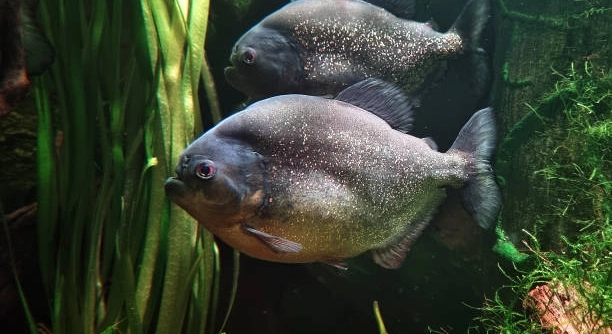
Piranhas are popular freshwater fish known for their sharp teeth and active behavior. Many owners keep them in home aquariums, often wondering about their social needs and well-being. Understanding how piranhas interact helps create a healthy environment.
Piranhas are generally social fish and can become stressed or lonely when kept alone. They thrive better in groups where natural behaviors are encouraged. Proper tank setup and social interaction are key to promoting their health and reducing loneliness.
Knowing how to support your piranha’s social needs ensures a more vibrant and balanced aquatic habitat for your fish. This article explains essential care tips to help piranhas thrive in captivity.
Understanding Piranha Social Behavior
Piranhas are naturally schooling fish, meaning they live in groups in the wild. This behavior helps them feel safe and secure while allowing them to hunt and explore together. When kept alone, a piranha can become stressed, which may lead to health problems or aggressive behavior. Group living also helps reduce boredom and encourages natural movement and interaction. A single piranha might hide or act unusually without the presence of other fish. Proper social structure is vital for their mental and physical well-being. Keeping them in groups of at least four or more supports their natural instincts and creates a balanced environment. However, it is important to ensure the tank is large enough to accommodate multiple piranhas comfortably. Overcrowding can lead to stress and fighting. Monitoring their behavior regularly helps maintain harmony in the tank. Observing how they interact will inform adjustments to group size or tank setup.
Piranhas depend on social interaction to stay healthy and avoid loneliness in captivity.
Offering a well-maintained environment and adequate group size promotes natural behavior and reduces stress. Proper tank conditions, including clean water, appropriate hiding spots, and space, are essential to keep piranhas thriving. Regular feeding and monitoring also support their well-being. A balanced approach to social and environmental needs ensures a lively aquarium.
How to Help Your Piranha Thrive
Providing companionship is only part of piranha care. Tank conditions play a critical role in their health. Clean water with stable temperature and pH levels is essential. Piranhas prefer temperatures between 74-82°F (23-28°C) and slightly acidic to neutral water. Frequent water changes prevent harmful buildup of toxins. The tank should be spacious enough, at least 20 gallons per fish, to allow swimming space and reduce aggression. Including plants, rocks, and hiding places helps replicate their natural habitat and reduces stress. Feeding a varied diet of high-quality pellets, frozen foods, and occasional live food maintains their nutrition. Avoid overfeeding to prevent water pollution and obesity. Regular observation helps identify early signs of illness or stress. Proper care, both social and environmental, ensures a healthy and thriving piranha community.
Signs Your Piranha Might Be Lonely
A lonely piranha often shows signs of stress, such as hiding constantly or refusing to eat. Aggression toward tank mates or pacing along the tank glass can also indicate discomfort. These behaviors suggest the need for social interaction or environmental changes.
When kept alone, piranhas lose their natural stimulus for interaction. This can lead to lethargy or increased aggression because the fish feel insecure or bored. Loneliness can weaken their immune system, making them prone to diseases. Watching for changes in behavior, like reduced activity or hiding, helps catch issues early. Adding more piranhas or improving tank conditions can often resolve these problems and improve the fish’s well-being.
Besides behavior changes, physical signs like faded color or clamped fins might appear. These signs should prompt immediate adjustments in care. Creating a more stimulating and social environment supports recovery and maintains the health of your piranha.
Setting Up the Ideal Piranha Tank
The tank should provide enough space for swimming and hiding to prevent stress. For a small group, a minimum of 40 gallons is recommended. Decorations like rocks and plants offer shelter and reduce aggression. Good filtration keeps water clean, as piranhas produce a significant amount of waste. Regular water tests ensure stable parameters. A balanced environment reduces stress and mimics natural conditions, helping piranhas thrive.
Proper lighting and temperature control are crucial for maintaining the tank’s ecosystem. Keep water temperature between 74-82°F and pH levels around 6.5 to 7.5. Consistency in these conditions prevents stress and promotes healthy behavior. Adding driftwood or sturdy plants can improve water quality by offering natural filtration and hiding spots. Avoid overcrowding, as it can increase aggression and decrease oxygen levels. Careful planning and maintenance of the tank setup create a safe and comfortable habitat, supporting the social and physical needs of your piranhas.
Feeding Tips to Keep Piranhas Healthy
A varied diet keeps piranhas strong and active. Include pellets, frozen foods, and occasional live prey. Avoid overfeeding to maintain water quality and prevent obesity.
Feed small amounts twice daily. Remove uneaten food promptly to avoid tank pollution and maintain healthy water conditions.
Choosing Tank Mates for Piranhas
Piranhas can be aggressive, so choosing compatible tank mates is essential. Opt for robust, similarly sized fish that can tolerate the piranha’s temperament. Avoid smaller or slow-moving species to prevent stress and injury. Always monitor interactions carefully.
Water Maintenance Essentials
Frequent water changes, about 25% weekly, keep toxins low and water clear. Good filtration supports stable water quality. Regular testing for ammonia, nitrite, and nitrate levels helps detect problems early, ensuring a safe environment.
Monitoring Piranha Behavior
Observing your piranhas daily helps catch early signs of stress or illness. Changes in activity, appetite, or social interaction require prompt attention.
FAQ
Will my piranha be okay if kept alone?
Piranhas can survive alone but tend to become stressed or lonely. They are social fish by nature, so isolation may affect their behavior and health. Keeping a single piranha requires extra attention to tank conditions and stimulation to avoid boredom and stress.
How many piranhas should I keep together?
A small group of at least four piranhas is ideal. This number helps maintain natural social interactions and reduces aggressive behavior. Ensure your tank is large enough, around 40 gallons or more, to provide enough space for all fish to swim and establish territories.
What signs show that my piranha is stressed or lonely?
Common signs include hiding constantly, refusing food, pacing along the tank glass, or showing unusual aggression. Faded colors, clamped fins, and lethargy also indicate stress. Regularly observing your fish helps identify these issues early so you can adjust care or environment.
Can piranhas live with other fish?
Piranhas are generally aggressive and may attack smaller or slow-moving fish. Suitable tank mates are large, robust fish that can handle the piranha’s temperament. Always monitor interactions and be prepared to separate fish if aggression occurs.
What should I feed my piranha?
A varied diet of high-quality pellets, frozen foods like bloodworms or shrimp, and occasional live prey supports their nutrition. Feed small portions twice a day, removing any leftover food to maintain water quality and prevent illness.
How often should I change the water?
Changing about 25% of the tank water weekly keeps the environment clean and toxin levels low. Regular water changes combined with good filtration help maintain stable conditions essential for piranha health.
What temperature and pH levels do piranhas prefer?
Piranhas thrive in water temperatures between 74-82°F (23-28°C) and prefer slightly acidic to neutral pH, around 6.5 to 7.5. Keeping these parameters stable reduces stress and promotes natural behavior.
Do piranhas need hiding spots in their tank?
Yes, hiding spots like plants, rocks, or driftwood help reduce stress and aggression. They offer places to retreat and feel secure, which supports better health and natural behavior.
How large should the tank be for multiple piranhas?
A minimum of 20 gallons per piranha is recommended. This provides enough swimming space and reduces fighting. Overcrowding can lead to stress, illness, and increased aggression.
What should I do if my piranhas start fighting?
Monitor the severity of the fights. Minor squabbles are normal, but continuous aggressive behavior requires action. Increasing hiding spots, rearranging the tank layout, or separating the most aggressive fish can help restore peace.
Can piranhas get bored?
Yes, piranhas need stimulation through social interaction, a varied environment, and diet. Bored fish may become lethargic or aggressive. Keeping them in groups and providing hiding places helps prevent boredom.
Are piranhas sensitive to water quality changes?
They are quite sensitive to poor water quality. Ammonia, nitrite, and nitrate levels must be kept low. Frequent testing and water changes are necessary to maintain a healthy environment.
What diseases are common in piranhas?
Common issues include fin rot, ich, and bacterial infections, often caused by poor water quality or stress. Early signs are clamped fins, spots, or unusual behavior. Proper tank care and prompt treatment are important.
How long do piranhas live?
Piranhas typically live 10 to 15 years in captivity with proper care. Maintaining good water quality, diet, and social environment supports a longer, healthier life.
Can I keep juvenile and adult piranhas together?
Mixing sizes can lead to aggression or predation. It is better to keep similar-sized piranhas together or provide plenty of hiding spots and space to reduce conflicts.
Is it okay to keep only one piranha temporarily?
Short-term isolation is possible during quarantine or illness but should not be long-term. Prolonged loneliness can harm the fish’s health and behavior.
This FAQ covers key points to help maintain a healthy, thriving piranha tank and avoid common problems related to loneliness and care.
Final Thoughts
Piranhas are often misunderstood as purely aggressive fish, but they have social needs that should not be overlooked. Keeping them alone can lead to loneliness, which affects their behavior and health. It is important to remember that piranhas naturally live in groups, where interaction plays a role in their well-being. A single piranha may survive on its own but will not thrive without some form of companionship or environmental enrichment. Providing a suitable tank setup and monitoring behavior are key steps to ensuring their comfort.
Creating the right environment involves more than just space. It requires a balance of hiding places, proper water conditions, and suitable tank mates if any are introduced. The water temperature and pH need to be consistent to prevent unnecessary stress. Feeding them a varied diet also contributes to their health and reduces boredom. By meeting these needs, piranhas can display more natural behavior and maintain a healthier lifestyle. Attention to detail in their care routines helps reduce the risk of disease and aggression caused by stress or loneliness.
Lastly, regular observation and maintenance are essential for a thriving piranha tank. Watching for signs of loneliness or stress allows for early intervention before problems worsen. Water quality must be kept high through frequent changes and good filtration. Understanding their social nature helps make better decisions about how many to keep and what tank setup to use. This knowledge ultimately supports the piranha’s long-term health and well-being, creating a more balanced and satisfying environment for these unique fish.

Hello,
If you enjoy the content that we create, please consider saying a "Thank You!" by leaving a tip.
Every little bit helps us continue crafting quality advice that supports the health, happiness, and well-being of pets around the world, for pets of all shapes, sizes, and species.
We really appreciate the kindness and support that you show us!