
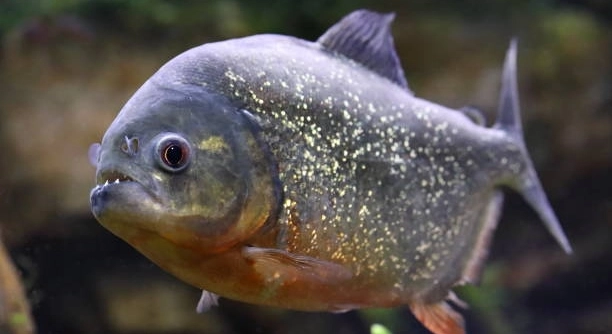
Have you ever stared at your piranhas and wondered if they might actually breed in your home aquarium? Observing their behavior can be both exciting and a bit confusing without knowing what to look for.
Piranhas can breed in captivity, but it depends on several conditions such as tank size, water quality, temperature, and proper pairing. Identifying breeding signs requires close observation of territorial behavior, nest-building activity, and changes in color or aggression.
From pairing behavior to fry care, there’s a lot to understand if your piranhas start showing signs of breeding in your tank.
Signs Your Piranha Might Be Getting Ready to Breed
When piranhas are getting ready to breed, their behavior shifts noticeably. You may notice one or both fish becoming more territorial, often guarding a specific area of the tank. This is typically where they plan to lay eggs. Color changes are also common, especially in red-bellied piranhas—males often darken while females may appear rounder or fuller. Pairs tend to stick close together, swimming side by side or nudging each other. These small gestures are part of the courtship process. You might even see one clearing a flat space at the bottom of the tank or digging a small depression into the substrate. This area is usually used as a nest. During this time, piranhas may act more aggressively toward tank mates or become unusually shy and withdrawn. All these behaviors are part of their natural breeding cycle, so it’s important to watch closely and avoid disturbing their environment.
Breeding signs can start gradually, so consistent observation is key. Minor changes might go unnoticed unless you’re paying attention.
Once the eggs are laid, the male typically guards them, often becoming highly defensive. The eggs hatch in a few days, and the fry may begin swimming within a week if the tank conditions remain stable.
Setting the Right Conditions for Breeding
Breeding won’t happen unless your piranhas feel secure and comfortable. Start by ensuring the tank is large enough—ideally 100 gallons or more for a breeding pair.
Stable water temperature between 78°F and 82°F helps mimic the conditions of their natural habitat. Use a reliable heater and thermometer to keep the temperature steady. Soft, slightly acidic water is also important, so consider adding driftwood or peat to lower the pH. Keep lighting moderate and avoid sudden changes, which can stress the fish. Dense plants or rocks provide shelter and privacy, which piranhas appreciate when choosing a nesting area. Feeding a protein-rich diet, including frozen shrimp, fish, and high-quality pellets, can improve their health and increase the likelihood of spawning. Regular water changes are essential—clean water helps keep both the adults and developing fry healthy. Avoid moving or separating the pair once they start displaying courtship behavior. Disrupting their bond could delay or stop the breeding process entirely. With patience, observation, and a well-maintained tank, breeding can happen naturally over time.
What to Expect After Spawning
After spawning, the male piranha usually guards the eggs closely, staying near the nesting area and chasing away any tank mates. This protective behavior is normal and helps ensure the eggs remain safe and undisturbed during the early stages of development.
The eggs are typically laid in a flat or shallow area prepared by the pair. They are small, sticky, and cling to surfaces. Within 2 to 3 days, they begin to hatch, depending on water temperature and conditions. During this time, the male’s aggression might increase, so keeping other fish separated is a good idea. You don’t need to feed the eggs or fry right away. They will survive on the yolk sac for a few days. Make sure the water remains clean and stable, as sudden changes can harm the developing fry. Keep the tank quiet and reduce activity around it to lower stress levels.
Once the fry start swimming freely, usually around day five or six, you can begin feeding them small amounts of baby brine shrimp or powdered fry food. Feed them several times a day in small quantities. Overfeeding can pollute the water, so clean up uneaten food quickly. Keep tank maintenance consistent but gentle to avoid disturbing them.
How to Tell If Breeding Was Successful
You’ll know breeding was successful if the pair guards a specific area of the tank and small eggs are visible. These eggs may be attached to the substrate or carefully hidden. Watch closely for movement near the nest.
If hatching occurs, the fry will stay in one area for the first few days, usually gathered tightly around the male. Once they begin swimming freely, you’ll notice their activity increase. A successful hatch also means the water parameters were right, and the adults weren’t overly stressed. You might need to move the fry to a separate grow-out tank if there are other fish present, as even adult piranhas can eat them once they’re no longer guarding. Keep the fry tank warm, clean, and well-aerated. Avoid strong currents. If the eggs fungus over or go cloudy without hatching, something may have gone wrong—either with water quality or fertilization. In that case, review your setup and try again when the pair is ready.
Common Challenges During Breeding
One common issue is aggression between the pair. If one piranha becomes overly dominant, the other may get injured or stressed. Separate them if injuries occur or if the behavior becomes extreme, as this can stop the breeding process altogether.
Another problem is unfertilized or fungus-covered eggs. Poor water quality, stress, or a mismatched pair can lead to failed fertilization. Keep the tank clean and monitor parameters closely. If needed, remove infected eggs to prevent spread.
When to Try Again
If breeding fails, give the pair time to recover before trying again. Make sure both fish are healthy and eating well. Adjust tank conditions slowly, and double-check temperature, pH, and privacy levels. A healthy environment makes all the difference.
Final Notes on Observation
Keep a quiet routine around the tank. Subtle changes often mean more than obvious signs. Watch behavior patterns, not just physical changes.
FAQ
How can I tell if my piranhas are a breeding pair?
Breeding pairs tend to form bonds and show courtship behavior such as swimming closely together and defending a particular area of the tank. Males often darken in color, while females may appear fuller, especially when ready to lay eggs. Observing these behaviors over several days can help identify a pair.
What is the best tank setup for breeding piranhas?
A large tank, preferably 100 gallons or more, is necessary to provide enough space. Keep water temperature steady between 78°F and 82°F, with slightly acidic to neutral pH. Add plants, rocks, or driftwood for hiding places and nest sites. Moderate lighting and quiet surroundings reduce stress and encourage breeding.
How long does it take for piranha eggs to hatch?
Eggs usually hatch in 2 to 3 days depending on temperature and water quality. Warmer water speeds up hatching, while cooler water slows it down. During this time, it’s important to keep water clean and stable to support healthy development.
Do I need to remove other fish during breeding?
Yes. Other fish can stress breeding pairs or even eat the eggs and fry. It’s best to keep the breeding pair in a separate tank or remove other fish temporarily to improve breeding success and fry survival.
What do piranha fry eat?
Newly hatched fry survive on their yolk sacs for the first few days. After that, offer tiny live foods such as baby brine shrimp or finely powdered fry food. Feed several small meals daily, and avoid overfeeding to keep the water clean.
How often should I change the water during breeding?
Small, frequent water changes are best. Changing 10-15% every few days helps maintain water quality without shocking the fish. Use dechlorinated water at the same temperature and pH to avoid stress.
Can piranhas breed without a proper nest?
Nesting is important for egg protection and successful breeding. Without a suitable flat or sheltered area, eggs might get scattered or eaten. Providing a prepared space in the tank increases the chances of successful spawning.
How can I reduce aggression between breeding piranhas?
Ensure plenty of space and hiding spots. If one fish becomes too aggressive, separate them briefly until calmer. Feeding well and maintaining good water conditions also help reduce stress and aggression during breeding.
What happens if the eggs get fungus?
Fungus can develop due to poor water quality or damaged eggs. Remove infected eggs carefully to stop the spread. Improving water conditions and keeping the tank clean will help prevent fungus.
How long until the fry are independent?
Fry start swimming and eating on their own around 5 to 7 days after hatching. They still need careful feeding and clean water for several weeks before being able to join a community tank or grow-out system safely.
Is it normal for male piranhas to guard eggs aggressively?
Yes, male piranhas often become very protective after spawning. This is natural behavior to defend the eggs from threats. However, if aggression extends to tank mates or becomes harmful, intervention might be necessary.
Can piranhas breed multiple times a year?
Under optimal conditions, piranhas can breed several times annually. However, stress, poor diet, or tank conditions can reduce breeding frequency. Consistent care improves chances of multiple spawning cycles.
Do all piranha species breed the same way?
Breeding behaviors vary slightly between species. Red-bellied piranhas are the most commonly bred in captivity, with clear nesting habits. Other species might have different courtship or nesting preferences. Research your specific species for best results.
Is it necessary to use a breeding tank?
A separate breeding tank is not always required but highly recommended. It reduces stress, prevents egg predation, and allows better control of water conditions. If using a community tank, be prepared for lower fry survival.
What signs indicate the eggs are fertilized?
Fertilized eggs are usually clear and develop tiny eyes and movement within a few days. Unfertilized eggs often turn white or cloudy and may develop fungus.
How do I care for piranha fry after hatching?
Keep water clean, warm, and well-aerated. Feed appropriate small live or powdered foods multiple times daily. Monitor their growth and remove any unhealthy fry to prevent disease spread. Gradually increase tank size as they grow.
This FAQ covers key points that help you understand piranha breeding and improve your chances of success. Paying close attention to behavior, tank conditions, and care routines will make the process smoother and more rewarding.
Final Thoughts
Breeding piranhas can be a challenging but rewarding experience. It requires careful attention to tank conditions, water quality, and the behavior of your fish. Ensuring that your piranhas have enough space, proper temperature, and a quiet environment will help create the right setting for breeding. Keeping the water clean and stable is especially important to protect both the adults and the eggs. When these basic needs are met, your chances of successful breeding increase significantly.
It’s important to remember that not every attempt will result in a large number of healthy fry. Piranhas can be aggressive, and sometimes eggs or fry may be lost due to stress or competition. This is normal in the breeding process, and patience is key. Observing your fish closely will help you learn their behaviors and make adjustments to improve outcomes. If problems arise, such as aggression or poor water quality, taking action quickly can help save the breeding cycle.
Caring for piranha fry also requires dedication. Providing suitable food and maintaining excellent water conditions will support their growth and survival. Over time, you will become more familiar with what your fish need, making the process easier. While breeding piranhas demands effort and attention, it offers a unique chance to see these fascinating fish reproduce and thrive in your care. With proper preparation and patience, you can enjoy the rewarding experience of raising healthy piranha fry.

Hello,
If you enjoy the content that we create, please consider saying a "Thank You!" by leaving a tip.
Every little bit helps us continue crafting quality advice that supports the health, happiness, and well-being of pets around the world, for pets of all shapes, sizes, and species.
We really appreciate the kindness and support that you show us!