
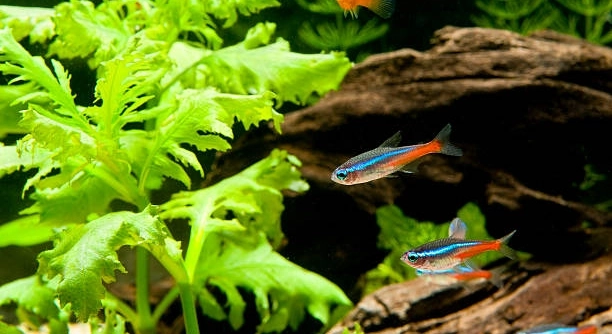
Neon Tetras are a popular fish species among aquarium enthusiasts. These small, colorful fish are loved for their beauty and calm demeanor, but many owners wonder if and when they might breed in a home aquarium.
Neon Tetras typically breed in groups under specific conditions such as proper water temperature, pH levels, and the right environment. While breeding may not always occur naturally, creating a suitable environment can significantly increase your chances of success.
Creating the ideal environment and understanding the factors that affect breeding will help you encourage your Neon Tetras to breed.
Setting Up the Right Environment for Breeding
To increase your chances of successful breeding, you’ll need to recreate an environment that closely matches the natural habitat of Neon Tetras. These fish prefer a soft, slightly acidic water environment with a temperature range between 72-78°F. A well-maintained aquarium with clean, stable water conditions is essential. Neon Tetras thrive in planted tanks, where they feel safe and secure. The plants not only provide shelter but also create the perfect conditions for the fish to feel comfortable during the breeding process. Avoid overfeeding to keep water quality high, as poor water conditions can prevent breeding altogether.
Many owners overlook the importance of lighting and tank size. Keep the lighting subdued to mimic the dappled light in their natural habitat. A tank size of at least 10 gallons is recommended, as a smaller tank may not provide the space necessary for breeding behaviors to occur. Be mindful of the tank’s setup, ensuring it is clean, well-planted, and has the proper conditions to stimulate breeding.
The environment also needs to be free of stressors, such as aggressive tank mates or high levels of activity. A peaceful, stable aquarium will promote the necessary conditions for Neon Tetras to breed.
Preparing for Neon Tetra Breeding
Before introducing your Neon Tetras to the breeding tank, ensure they are healthy and well-fed.
For a successful breeding attempt, separate males and females for a period before placing them together. Healthy, well-fed Neon Tetras are more likely to spawn. Be sure to use soft water and maintain the right temperature before you attempt breeding.
Signs That Your Neon Tetras Are Ready to Breed
Neon Tetras show clear signs when they’re ready to breed. Males will often display brighter colors, especially when swimming alongside females. You’ll notice increased activity and more frequent chasing behaviors. The females’ bellies may also appear fuller, signaling they are ready to release eggs.
Once these signs are visible, it’s time to take action. Providing a secluded area in the tank with plenty of plants helps encourage the fish to feel safe enough to spawn. While this behavior is common, it’s not always guaranteed that spawning will happen immediately. Watch closely to ensure the environment is ideal.
Keep an eye on the tank’s water parameters and maintain the temperature in the desired range. If breeding doesn’t occur right away, don’t be discouraged. Patience and consistency are key. Sometimes, it may take a little longer than expected for them to breed.
Separating Males and Females for Spawning
To give your Neon Tetras the best chance of breeding, separate males and females for a few days before introducing them to the breeding tank.
By isolating them beforehand, you reduce stress and allow them to build up their readiness for spawning. This gives the males time to color up and helps females develop eggs. Place them in a small quarantine tank with optimal conditions, ensuring the water is clean and at the right temperature. Avoid overcrowding to allow the fish to feel comfortable and relaxed.
Once they’ve had time to prepare, the males will start showing off their vibrant colors, signaling their readiness to mate. The females will then be more likely to release eggs, and breeding can take place in the main tank.
Spawning Behavior and Process
When the time comes, Neon Tetras engage in a dance-like behavior. The males chase the females around, displaying their bright colors. They’ll dart in front of the female, signaling their readiness to mate. The female, in response, will release eggs, which the male fertilizes.
The process typically lasts for a few hours. Once spawning is complete, the fish lose interest in the eggs. They will swim away from the breeding area, leaving the eggs behind. At this point, you’ll need to act quickly to prevent the adult fish from eating the eggs.
To protect the eggs, move the adult fish back to the main tank once spawning is finished. Neon Tetras are known to consume their eggs if left in the same tank. Ensuring a separate area for the eggs will give them a better chance of hatching.
Protecting the Eggs
To protect the eggs, move them to a separate tank if possible.
A small breeding tank with dim lighting can help keep the eggs safe and encourage proper hatching conditions.
FAQ
What is the best tank size for breeding Neon Tetras?
The ideal tank size for breeding Neon Tetras is at least 10 gallons. A smaller tank can make it harder to maintain stable water conditions and may cause stress. A larger tank allows more space for the fish to swim and for plants to grow, both of which are important for a successful breeding environment.
Do Neon Tetras need a breeding pair?
Yes, Neon Tetras should be kept in a group of at least 6-8 fish for breeding. The presence of multiple fish allows for natural mating behavior to take place. In the wild, they spawn in groups, and replicating this environment in your tank increases the chances of breeding.
How long does it take for Neon Tetra eggs to hatch?
Neon Tetra eggs typically hatch in about 24-36 hours under ideal conditions. After fertilization, the eggs will stay on the tank floor or plants until they begin to develop. Keep the water clean and stable to support their growth.
Can Neon Tetras breed in a community tank?
Breeding in a community tank can be difficult, especially if there are aggressive tankmates. The best approach is to transfer the breeding pair to a separate breeding tank, where water conditions can be carefully controlled, and the risk of egg predation is minimized.
How do I know if my Neon Tetras have spawned?
When Neon Tetras spawn, you will notice the female releasing eggs, which the male fertilizes immediately. The eggs will settle on the bottom or cling to plants. The fish will stop their active behavior once spawning is complete and begin to swim normally again.
How often do Neon Tetras breed?
Neon Tetras typically breed once every few weeks if the conditions are right. However, they do not breed constantly. The frequency of breeding will depend on water quality, the health of the fish, and the environmental factors that trigger the spawning behavior.
Do I need to remove the adults after breeding?
Yes, after breeding, it’s crucial to remove the adult Neon Tetras. They will often eat the eggs if left in the tank. It’s best to transfer the breeding pair to a separate tank or place the eggs in an egg-catching container to ensure they have the best chance of hatching.
What should I feed Neon Tetra fry?
Neon Tetra fry are very small and need microscopic food. Initially, they can be fed infusoria, such as newly hatched brine shrimp or liquid fry food. As they grow, you can gradually introduce finely crushed fish flakes. Be sure to feed them small portions frequently to support their growth.
How long does it take for Neon Tetra fry to grow?
Neon Tetra fry typically take around 4-6 weeks to grow large enough to swim freely in the tank. During this time, they need a diet that supports rapid growth and development. After this period, they will start to show their natural coloring and begin to resemble adult Neon Tetras.
What water conditions do Neon Tetras need for breeding?
For breeding, the water should be soft and slightly acidic, with a pH between 6.0 and 7.0. The temperature should be around 72-78°F. Make sure the water is clean and well-filtered. Regular water changes can help maintain these conditions and support the health of the fish.
Can Neon Tetras breed in hard water?
Neon Tetras prefer soft water for breeding, and hard water can inhibit their ability to spawn. If your tap water is hard, consider using distilled water or a water softener to create the proper conditions. Maintaining the right water parameters is crucial for successful breeding.
What should I do if the fry aren’t growing?
If the fry aren’t growing, it could be due to poor water quality, insufficient food, or overcrowding. Check the water parameters, especially temperature and pH. Ensure they are being fed appropriately with small, nutrient-rich food. Clean the tank regularly and avoid overfeeding, as uneaten food can pollute the water.
Is it necessary to use a breeding box?
While not absolutely necessary, a breeding box can help protect the eggs from being eaten by the adults. It can also help you keep track of the eggs and prevent contamination. A breeding box with gentle water flow can help simulate natural conditions without disturbing the eggs too much.
Can I keep the fry with adult Neon Tetras?
It’s best to keep the fry in a separate tank from the adults until they are large enough to avoid being eaten. Adult Neon Tetras are likely to see the fry as food, so it’s safer to raise them in a smaller, protected environment until they are fully developed.
Do Neon Tetras breed easily?
Neon Tetras can be challenging to breed in captivity, especially if the right conditions aren’t met. Factors such as water quality, temperature, and lighting need to be carefully controlled. While they do have a natural instinct to breed, successful spawning can be difficult without proper preparation and patience.
Why are my Neon Tetra eggs not hatching?
If your Neon Tetra eggs aren’t hatching, it could be due to incorrect water conditions, such as the pH, temperature, or hardness. Eggs may also fail to hatch if they’ve been exposed to bacteria or fungus. Regular water changes and maintaining stable conditions are key to successful hatching.
Final Thoughts
Breeding Neon Tetras can be a rewarding experience if you provide the right environment and conditions. These small fish may be easy to care for, but breeding them takes more effort and attention. By ensuring that water quality, temperature, and tank setup are optimal, you increase the chances of successful breeding. Remember, patience is key. It may take some time before you see the first signs of spawning, but with careful preparation, you’ll be on the right track.
One of the most important things to remember is that Neon Tetras are best kept in groups, with at least six to eight fish. Having more fish in the tank allows them to feel secure and act more naturally when it comes to mating. Ensuring your fish are healthy and well-fed also plays a role in successful breeding. Don’t forget that Neon Tetras are sensitive to water conditions, so consistent maintenance is necessary for their well-being. Even small changes in water quality can prevent breeding from happening, so it’s essential to keep an eye on the tank regularly.
Finally, while Neon Tetras may not breed as easily as some other fish species, they are still a joy to have. The process of breeding can teach you a lot about their needs and behaviors. Even if breeding isn’t successful right away, the experience of creating the perfect environment and understanding their natural instincts is rewarding in itself. With proper care and patience, you’ll increase the chances of seeing those tiny fry swimming around your tank one day.

Hello,
If you enjoy the content that we create, please consider saying a "Thank You!" by leaving a tip.
Every little bit helps us continue crafting quality advice that supports the health, happiness, and well-being of pets around the world, for pets of all shapes, sizes, and species.
We really appreciate the kindness and support that you show us!