
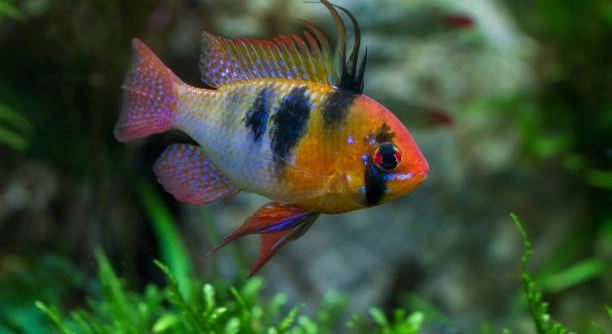
Convict cichlids are popular freshwater fish known for their strong personalities and striking patterns. Many aquarists enjoy keeping them because they are hardy and easy to care for, making them a common choice for home aquariums.
Convict cichlids cannot breed without a male and female pair. Successful reproduction requires both sexes, as they rely on paired courtship behaviors and cooperative care of eggs and fry to ensure offspring survival. This reproductive process cannot occur alone.
Learning about their breeding habits can help ensure a healthy aquarium environment and support the growth of your fish population naturally.
Understanding Convict Cichlid Pairing
Convict cichlids are naturally territorial and form strong pair bonds. They need a male and female to breed successfully. When a pair is ready, they select a flat surface, like a rock or tank floor, to lay eggs. The female will clean the site thoroughly before depositing her eggs. The male guards the territory, fending off intruders and ensuring no other fish get near the eggs. After the eggs are laid, both parents take turns keeping them safe, fanning water over them to prevent fungus growth and removing any unfertilized eggs. This cooperative behavior is essential for healthy fry development. Without a pair, these behaviors cannot occur, making solo breeding impossible. Observing a bonded pair can be fascinating, as their protective instincts are strong. Pairing also reduces stress for each fish, creating a stable environment that encourages spawning. It’s important to provide hiding spaces, proper water conditions, and a balanced diet to support the pair’s health.
Convict cichlids must have a compatible male and female to reproduce. Solo fish cannot create offspring.
Providing the right conditions and observing natural behaviors can improve breeding success. Proper tank size, water temperature, and nutrition are key.
Tank Setup and Conditions
Tank size is critical for convict cichlid breeding. A tank of at least 30 gallons is recommended for a pair.
A stable environment encourages spawning and reduces aggression. The water should be slightly alkaline, around pH 7 to 8, with a temperature near 78–82°F. Provide flat rocks or clay pots for egg-laying, and include hiding spaces for fry. Avoid overcrowding, as too many fish can stress the pair and prevent breeding. Regular water changes and proper filtration maintain cleanliness, supporting healthy eggs and fry. Diet also affects readiness to breed; feeding a mix of protein-rich foods like bloodworms and high-quality flakes helps prepare both male and female. Observing courtship behaviors, such as chasing and cleaning a nesting site, indicates the pair is ready. Monitoring interactions ensures no fish is overly dominant or aggressive, which could harm spawning success. Providing optimal conditions increases the likelihood that eggs are fertilized and fry survive to maturity. A well-maintained tank reflects both the needs of the fish and the careful attention required to support breeding.
Feeding and Nutrition
A balanced diet is essential for convict cichlids to breed successfully. Protein-rich foods encourage egg production and strengthen the fry.
High-quality flakes, frozen bloodworms, and occasional live foods keep both male and female healthy. Overfeeding should be avoided, as it can pollute the tank and stress the pair, reducing breeding chances. A varied diet helps maintain energy levels for guarding eggs and fry. Healthy fish are more likely to engage in natural courtship behaviors. Feeding smaller amounts multiple times a day encourages activity and ensures proper nutrition. Supplements like spirulina or shrimp pellets can improve coloration and vitality, making the pair more attractive for spawning. Clean feeding areas and removing leftover food prevent contamination and support water quality.
Consistent nutrition supports overall health and increases the chances of successful egg fertilization. Protein and variety are key components in preparing a pair for breeding.
Proper feeding schedules reduce stress, maintain energy for parenting duties, and improve fry survival rates.
Observing Breeding Behavior
Convict cichlids show clear signs when ready to breed. They become more territorial and protective.
Males often display vibrant colors and chase away other fish. Females clean flat surfaces and repeatedly lay eggs. Both parents guard the eggs and fry closely. Observing these behaviors ensures the pair is compatible and the eggs are fertilized. Aggressive interactions may indicate mismatched pairs, requiring intervention or tank separation. Watching their interactions provides insight into natural instincts and helps aquarists anticipate spawning. Courtship involves circling, nudging, and synchronized movements, which are crucial for fertilization. Ensuring the environment supports these behaviors improves survival rates. Regularly monitoring water parameters and tank cleanliness enhances the breeding success and health of both parents and offspring.
Tracking courtship behaviors allows timely preparation for fry care, like adding hiding spots and monitoring feeding. It also helps identify early problems that could impact egg survival. Proper attention to their interactions ensures healthier fry and reduces risks from stress or aggression.
Egg Care and Hatching
Eggs require constant attention from both parents. They must be fanned and cleaned regularly to prevent fungus.
Removing uneaten eggs helps maintain water quality. Healthy eggs are usually clear or slightly yellow, while spoiled eggs turn white or opaque and should be removed promptly.
Fry Development
Once the eggs hatch, fry are tiny and vulnerable. They initially stay close to surfaces while parents continue to guard them. Fry absorb their yolk sacs for the first few days before swimming freely. Parents may move them to safer areas if danger arises. Feeding should begin with infusoria or finely crushed flakes. Gradually, they can eat small live or frozen foods. Monitoring their growth ensures the fry are developing evenly. Clean water and minimal stress are essential during this stage. The attentive care of the parents greatly increases fry survival.
Common Breeding Challenges
Pairs may reject eggs if stressed or poorly fed. Overcrowded tanks increase aggression and reduce breeding success.
Tank Maintenance During Breeding
Regular water changes are crucial. Keep the tank clean to support both parents and fry health.
FAQ
Can convict cichlids breed without a pair?
Convict cichlids require both a male and a female to breed. Solo fish cannot produce eggs or fry on their own. Reproduction depends on the cooperative behavior of the pair, including courtship, egg laying, and parental care. Without a compatible partner, breeding will not occur.
How do I know if my pair is ready to spawn?
Readiness is indicated by increased territorial behavior and cleaning of flat surfaces. The female will prepare a site for eggs, while the male displays brighter colors and chases away intruders. Frequent circling, nudging, and synchronized movements between the pair show courtship behavior. Observing these actions helps predict successful spawning.
What kind of tank setup is ideal for breeding?
A tank of at least 30 gallons is recommended for a pair. Provide flat rocks or clay pots for egg-laying and include hiding spaces for fry. Maintain a slightly alkaline pH between 7 and 8 and a temperature of 78–82°F. Proper filtration and regular water changes keep the environment clean.
How should I feed convict cichlids before breeding?
A high-protein diet encourages egg production and strengthens fry. Offer a mix of high-quality flakes, frozen bloodworms, and occasional live foods. Overfeeding should be avoided, and smaller, frequent meals help maintain energy levels. Supplements like spirulina or shrimp pellets can improve health and coloration, supporting natural courtship.
How long does it take for eggs to hatch?
Convict cichlid eggs typically hatch in 3 to 5 days, depending on water temperature. Parents continue guarding and fanning the eggs to prevent fungus. The fry absorb their yolk sacs for the first few days before becoming free-swimming. During this period, parents may move them to safer locations in the tank.
What should I feed fry once they hatch?
Initially, feed fry infusoria or finely crushed flake foods. As they grow, you can introduce small live or frozen foods like baby brine shrimp. Feed multiple times a day in small amounts to ensure even growth. Clean water and low stress are essential for their survival during early development.
What problems can occur during breeding?
Stress, poor nutrition, and overcrowded tanks are common issues. Pairs may reject eggs if conditions are not ideal. Aggression between other fish can harm the eggs or fry. Monitoring water quality, providing hiding spots, and maintaining a stable environment helps reduce risks.
How long do parents guard the fry?
Both parents continue protecting the fry for several weeks. They guide the fry to safe areas, remove debris, and fend off threats. After a few weeks, the fry begin swimming and feeding independently, but parental supervision can continue until they are fully able to survive on their own.
Can I remove the fry from the parents?
Removing fry is possible but not recommended unless the parents are aggressive or unable to protect them. Separating fry requires careful handling and a prepared rearing tank with proper filtration, water conditions, and feeding to ensure survival.
How do I prevent fungus on eggs?
Fanning and cleaning by the parents usually prevent fungus. If additional protection is needed, a gentle antifungal treatment can be used. Remove any dead or white eggs promptly, as they can spread fungus to healthy eggs. Maintaining clean water is the most effective preventive measure.
How many eggs does a pair usually lay?
A healthy pair can lay 100 to 300 eggs in a single spawning, depending on age and size. Fertilization rates vary, and not all eggs may survive. Proper diet, water conditions, and minimal stress increase the number of successfully hatched fry.
Can a pair spawn more than once?
Yes, convict cichlids often spawn multiple times. After the first batch of fry becomes independent, the pair may clean a new site and lay more eggs. Consistent care, proper feeding, and stable tank conditions encourage repeated spawning cycles.
Do male and female roles change during breeding?
Roles are distinct but cooperative. The female focuses on cleaning, egg-laying, and close care of the eggs. The male guards the territory, chases intruders, and assists in moving fry when necessary. Both roles are essential for the survival of the offspring.
What is the best water temperature for breeding?
Maintaining 78–82°F encourages spawning and proper egg development. Temperatures outside this range can slow growth, reduce fertility, or increase stress. Stable temperature is important, as rapid changes can disrupt parental behavior and fry survival.
How can I tell if the eggs are healthy?
Healthy eggs are clear or slightly yellow. White, opaque, or fuzzy eggs are unhealthy and should be removed to prevent spreading fungus. Observing the pair’s care routines can also indicate if eggs are thriving. Regular monitoring ensures a higher hatch rate.
How long before fry can eat regular fish food?
Fry can start eating finely crushed flakes or small live foods once they absorb their yolk sacs, usually after 3 to 5 days. Gradually increase food size as they grow. Proper feeding schedules support growth and reduce mortality during the early stages.
What are signs of aggressive behavior during breeding?
Excessive chasing, nipping, or persistent attacks on other fish may indicate aggression. If unaddressed, this can harm eggs or fry. Monitoring interactions, providing hiding spots, and separating overly aggressive fish are necessary to maintain a safe environment for breeding.
How often should I change the water during breeding?
Small, frequent water changes are ideal. Around 20% per week maintains cleanliness without stressing the pair. Clean water supports egg and fry health, reduces the risk of disease, and ensures proper oxygenation for the developing fry.
Can convict cichlids breed in community tanks?
Breeding in community tanks is possible but challenging. Other fish may stress the pair, eat eggs, or attack fry. If attempting, provide ample hiding spots and isolate the pair if necessary. A separate breeding tank is often more successful.
How long do fry take to become independent?
Fry become mostly independent after 3 to 4 weeks but may still rely on parental protection occasionally. Observing behavior ensures they are feeding and swimming properly. At this stage, gradual introduction to the main tank or other foods can occur.
Is it necessary to remove the parents after breeding?
Removing parents is only needed if they become aggressive toward fry or other tank inhabitants. Otherwise, parental care significantly improves fry survival. Careful observation ensures that intervention is only done when truly required.
How can I encourage repeat spawning?
Maintain proper feeding, clean water, stable temperature, and low stress. Once fry are independent, the pair may naturally clean a new site and lay eggs again. Providing consistent conditions supports multiple spawning cycles over time.
What are the key points to ensure successful breeding?
Provide a compatible male-female pair, optimal tank size, clean water, proper temperature, high-quality food, and monitoring. Observing behavior and protecting eggs and fry increase survival rates. Minimizing stress and aggression ensures both parents and offspring remain healthy.
How do I handle fry emergencies?
In emergencies, like parental neglect or aggressive behavior, transfer fry to a prepared rearing tank. Ensure proper water conditions, temperature, and food. Remove dead fry promptly and monitor the rest closely to prevent losses.
Can environmental changes affect breeding success?
Yes, sudden changes in temperature, pH, or lighting can disrupt spawning. Stable conditions are essential. Avoid overcrowding and provide proper hiding spots to maintain the pair’s comfort and encourage successful reproduction.
Do convict cichlids need privacy while breeding?
Limited disturbance reduces stress and encourages natural behaviors. Excess movement, tapping on the glass, or other fish intrusions can disrupt courtship, egg-laying, and parental care. A calm, stable environment supports the pair throughout the breeding process.
How long do parents guard multiple batches of fry?
Parents may continue guarding multiple batches sequentially. Each batch receives similar care, including protection, relocation for safety, and guidance to feeding areas. Maintaining consistent conditions ensures the survival of all batches.
Can breeding affect adult cichlid behavior long-term?
Breeding may increase territoriality and protectiveness for several weeks. Adults often become more attentive to tank surroundings. Understanding this behavior helps manage tank dynamics and maintain harmony with other fish.
Are there signs of poor health in breeding pairs?
Lethargy, loss of color, reduced appetite, or damaged fins can indicate stress or illness. Addressing these issues promptly supports reproductive success. Maintaining proper nutrition, clean water, and minimal stress is critical for healthy breeding behavior.
How important is hiding space for fry?
Hiding spaces prevent predation and reduce stress. Fry are vulnerable in early stages, and parents often use these areas to relocate them when threatened. Providing rocks, plants, or pots supports survival and healthy development.
What role does water pH play in breeding?
A slightly alkaline pH between 7 and 8 supports egg fertilization and fry growth. Deviations can reduce hatch rates, affect parental care, and increase stress. Monitoring pH regularly ensures consistent conditions.
Can breeding pairs coexist with other species?
Yes, if other species are non-aggressive and tank space is sufficient. Aggressive or egg-eating fish can disrupt breeding. Observation and preparation of hiding spots reduce risks and support a stable environment.
Do male and female cichlids need the same diet?
Yes, both benefit from protein-rich foods, but females may require extra nutrition before egg-laying. Balanced feeding ensures energy for courtship, egg production, and parental care. Supplements can enhance health and vitality for both sexes.
How do I know when fry are ready to be introduced to the main tank?
Fry are ready when they swim independently, feed reliably, and show consistent growth. Gradual acclimation to the main tank prevents stress and improves survival. Monitoring behavior ensures a smooth transition.
Can I use artificial eggs or breeding traps?
Artificial eggs can sometimes encourage spawning but are not necessary with a natural pair. Breeding traps help protect fry from other fish if using a community tank. They must be used carefully to avoid stressing the parents.
How do I manage multiple pairs breeding in one tank?
Space and hiding areas are crucial. Overlapping territories can lead to aggression. Monitoring interactions and separating pairs if necessary ensures eggs and fry remain safe. Each pair requires sufficient resources to breed successfully.
What is the most common reason for breeding failure?
Stress, poor water conditions, incompatible pairs, and insufficient nutrition are leading causes. Addressing these factors improves success. Consistent care and observation are essential to prevent failure and increase fry survival rates.
Are convict cichlids good for first-time breeders?
Yes, their hardiness and clear behaviors make them suitable for beginners. Providing the right tank setup, diet, and monitoring increases chances of successful breeding while keeping stress low.
Can breeding impact the tank ecosystem?
Yes, increased fry and territorial behavior can affect other fish. Adequate space, hiding spots, and monitoring water quality are necessary to maintain balance and reduce stress for all inhabitants.
Do fry need special lighting?
Normal tank lighting is sufficient. Avoid harsh or sudden changes. Stable lighting supports natural behaviors and reduces stress during early development.
How often should I check on the breeding pair?
Frequent visual checks are enough. Avoid disturbing them directly. Monitoring behavior, water parameters, and feeding routines ensures both parents and fry remain healthy.
What is the ideal number of breeding pairs per tank?
One pair per 30–40 gallons is ideal. Multiple pairs require more space and hiding spots. Overcrowding can increase aggression and reduce survival rates.
Can breeding cichlids affect water chemistry?
Yes, more food, waste, and fry can change water parameters. Frequent testing, partial water changes, and proper filtration maintain stable conditions for successful breeding.
Are there any signs that breeding is complete?
Fry become independent, parents relax territorial behavior, and the pair may begin cleaning new sites. Observing these changes indicates the current breeding cycle is finished.
Can stress affect future breeding cycles?
Yes, stressed fish may delay or skip spawning. Maintaining consistent conditions, proper diet, and minimal disturbances supports ongoing reproductive cycles.
How do I introduce a new pair into an established tank?
Provide a separate breeding area or quarantine tank. Gradually acclimate the new pair, monitor interactions, and ensure hiding spaces to reduce aggression and stress.
Can water hardness impact breeding success?
Moderate hardness supports egg development and fry health. Extremely soft or hard water can reduce hatch rates and affect parental care. Regular testing ensures optimal conditions.
What role do decorations play in breeding?
Flat rocks, pots, and hiding spaces facilitate egg-laying, fry safety, and territory establishment. Proper arrangement reduces aggression and supports successful reproduction.
How do I prevent aggression between fry and adult fish?
Separate fry if adults are aggressive or provide dense hiding areas. Careful monitoring and tank arrangement reduce conflicts and improve fry survival.
Can breeding pairs cohabitate long-term with other species?
Yes, if other fish are non-threatening and tank space is sufficient. Aggressive species should be avoided to protect eggs and fry. Proper hiding spots and monitoring are essential.
Do convict cichlids prefer natural or artificial substrates for breeding?
They are flexible but prefer flat surfaces like rocks, clay pots, or smooth tank areas for egg-laying. Substrate choice should support egg adhesion and easy cleaning.
How often should water parameters be tested during breeding?
Daily visual checks and weekly testing of pH, temperature, and ammonia levels help maintain stable conditions. Sudden changes can disrupt spawning or fry survival.
Are there signs of parental neglect?
Eggs left unattended, fry ignored, or aggressive attacks on offspring indicate neglect. Intervention may be necessary to protect eggs or move fry to a safe tank.
Can adding plants help breeding success?
Yes, plants provide hiding spots and reduce stress. They also improve water quality and mimic natural environments, supporting both spawning and fry development.
Do male and female coloration change during breeding?
Yes, males often display brighter colors to attract females. Color intensity signals health and readiness, aiding natural courtship.
What is the average survival rate of fry?
Survival varies but with attentive parents, clean water, and proper feeding, 70–90% can survive to independence. Neglect or poor conditions lower this rate.
Can breeding affect adult lifespan?
Properly cared-for fish are not negatively affected. Poor conditions, stress, or repeated breeding without rest may impact health and longevity.
Is it necessary to separate fry by size?
Yes, uneven growth can lead to competition and stress. Separating or providing ample space ensures all fry have access to food and protection.
How long does a complete breeding cycle last?
From egg-laying to fry independence, a typical cycle lasts 4–6 weeks. Multiple cycles can occur with proper care and consistent conditions.
Can water movement affect egg attachment?
Strong currents may dislodge eggs. Gentle filtration and stable water flow support proper adhesion and reduce the risk of egg loss.
Do convict cichlids need extra care during winter?
Indoor tanks with stable temperature minimize seasonal effects. Ensure warmth, clean water, and proper diet to maintain breeding readiness.
Are there signs that eggs are infertile?
Eggs that remain white or opaque after a day or two are likely infertile. Removing them prevents fungus from spreading to healthy eggs.
Can breeding pairs live peacefully with juveniles from other species?
Yes, if space and hiding areas are sufficient. Monitoring for aggression is important, as territorial behavior may increase during spawning.
Is parental involvement necessary for fry survival?
Yes, their care greatly increases survival. Parents protect, move, and guide fry, reducing predation and stress. Without parental involvement, survival rates drop significantly.
How do I handle water changes without stressing the pair?
Perform small, slow water changes and avoid sudden temperature shifts. Partial changes maintain cleanliness while minimizing stress on both parents and fry.
Can adding extra hiding spots improve survival?
Yes, they provide safety for fry and reduce aggression between adults. Rocks, plants, and pots create secure areas that support natural behaviors and development.
Do convict cichlids remember previous breeding cycles?
Behavioral patterns often repeat. Pairs may return to familiar sites or demonstrate similar courtship behaviors in subsequent cycles, indicating memory of successful breeding strategies.
How often should I observe the breeding pair?
Regular visual checks are sufficient. Avoid frequent disturbances that could disrupt courtship or parental care. Monitoring ensures eggs and fry remain healthy.
What is the best way to introduce food to fry?
Offer small, frequent portions of infusoria or finely crushed flakes. Gradually transition to larger foods as they grow. Observing feeding behavior ensures all fry receive proper nutrition.
Can tank mates steal food from fry?
Yes, adults or other species may outcompete fry for food. Providing separate feeding areas or removing fry temporarily reduces competition and supports even growth.
How do I know when the pair is compatible?
Compatible pairs show synchronized courtship, mutual guarding, and coordinated care of eggs and fry. Aggression toward each other may indicate incompatibility. Observing behavior over time ensures a successful breeding pair.
Are convict cichlids easy to breed repeatedly?
Yes, with proper care, nutrition, and stable conditions, pairs can spawn multiple times. Maintaining health and minimal stress ensures consistent breeding success.
Can water temperature fluctuations delay spawning?
Yes, sudden changes may stress fish, reducing courtship and egg-laying. Stable temperatures encourage timely spawning and proper development of eggs and fry.
What is the ideal male-to-female ratio in a breeding tank?
One male and one female per tank is ideal. Additional fish increase aggression and stress, reducing breeding success. Adequate space and hiding spots support pair bonding and fry safety.
Do convict cichlids prefer natural or artificial hiding spots?
They accept both but flat rocks, pots, and plants are ideal. Hiding spots protect eggs and fry and reduce territorial stress during breeding cycles.
How long do eggs take to become free-swimming fry?
After 3–5 days, eggs hatch into fry. They initially stay near surfaces and rely on parental care until they absorb their yolk sacs and start swimming independently.
Can breeding success vary with age?
Yes, younger or older fish may have lower fertility. Pairs in prime adult age typically produce more eggs and show stronger parental behaviors, increasing fry survival rates.
Is it necessary to isolate the breeding pair?
Isolation is recommended in community tanks. It reduces stress, prevents predation, and allows the pair to focus on courtship, egg-laying, and fry care without interference.
Can stress affect fry development?
Yes, stress from poor water quality, aggression, or overcrowding can lead to stunted growth, deformities, or death. Maintaining calm, stable
Final Thoughts
Breeding convict cichlids can be a rewarding experience, but it requires preparation, patience, and attention to detail. These fish cannot reproduce without a compatible male and female pair, and understanding their natural behaviors is essential for success. Observing courtship, territorial displays, and the selection of egg-laying sites helps aquarists know when the pair is ready to spawn. Providing a proper tank setup with sufficient space, clean water, and stable conditions ensures that both parents feel comfortable and reduces stress that could interfere with breeding. Flat surfaces, hiding spots, and secure areas for fry all contribute to a stable environment that encourages natural reproductive behaviors.
Proper nutrition is another key factor in successful breeding. Convict cichlids need a high-protein diet to support egg production, energy for guarding eggs and fry, and overall health. A balanced feeding routine with high-quality flakes, frozen or live foods, and occasional supplements strengthens both the male and female, helping them perform their natural parental duties effectively. Overfeeding or inconsistent feeding can harm water quality and stress the pair, so it is important to monitor portions and maintain cleanliness. Feeding smaller amounts multiple times a day ensures consistent energy levels for the parents and supports healthy growth for the fry. Consistency and care in nutrition directly influence the survival of eggs and the development of fry in the early stages.
Patience and careful observation are necessary throughout the breeding process. From the moment eggs are laid until fry become independent, both parents play a critical role in protecting and guiding their offspring. Monitoring water conditions, maintaining stable temperatures, and avoiding disturbances help reduce stress and increase survival rates. While challenges such as aggression, overcrowding, or poor water quality can arise, addressing these issues promptly ensures healthier fish and stronger fry. Understanding convict cichlid breeding habits allows aquarists to provide a safe, supportive environment that benefits both adults and fry. By focusing on proper care, nutrition, and environmental stability, breeding convict cichlids becomes a manageable and successful endeavor, resulting in a thriving, balanced aquarium with healthy, active fish.

Hello,
If you enjoy the content that we create, please consider saying a "Thank You!" by leaving a tip.
Every little bit helps us continue crafting quality advice that supports the health, happiness, and well-being of pets around the world, for pets of all shapes, sizes, and species.
We really appreciate the kindness and support that you show us!