
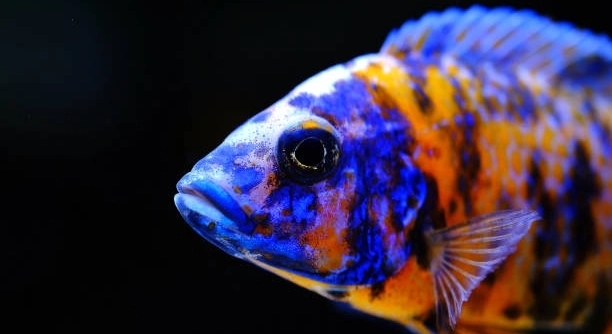
Many aquarium enthusiasts enjoy keeping convict cichlids for their vibrant colors and bold personalities. These fish are known for being territorial, but hobbyists often wonder how they behave when kept alone in a tank environment.
A solo convict cichlid does not experience loneliness in the way mammals do. These fish are naturally solitary and territorial, and they thrive when provided with proper space, hiding spots, and environmental enrichment within their aquarium habitat.
Understanding their solitary nature will help you create a more suitable environment. Proper care ensures a healthier, more confident convict cichlid in your tank.
Understanding the Convict Cichlid’s Nature
Convict cichlids are naturally territorial and prefer having their own space. They often stake out a specific area in the tank and defend it from other fish. In the wild, they live in shallow rivers and rocky environments, which means they are used to having plenty of hiding spots. Their bold and curious nature allows them to explore their surroundings confidently. When kept alone, a convict cichlid can establish a clear territory without feeling stressed by competition. Providing rocks, caves, and plants gives them places to hide and reduces stress, helping them feel secure. A well-structured tank allows a solo convict to display natural behaviors such as digging, guarding, and exploring. Watching these behaviors can be fascinating and satisfying for anyone maintaining the aquarium. Ensuring consistent water quality, a balanced diet, and appropriate tank conditions supports their overall health and reduces aggressive tendencies, even in a solitary setup.
A solo convict cichlid is content with proper tank enrichment. They do not need companions to thrive.
Even though they are solitary, these fish are not inactive. They enjoy investigating every corner of the tank, moving objects, and rearranging small decorations. Observing a convict cichlid interact with its environment can reveal unique patterns of behavior, such as territory marking and nest building. Their bold personality shines through in these interactions, showing curiosity and intelligence. Maintaining a stimulating environment with varied textures, hiding spots, and visual barriers encourages natural activity and prevents boredom. Feeding routines and occasional treats like live or frozen food also contribute to their engagement. Over time, these fish can become accustomed to the presence of a caretaker, responding to movements and even recognizing feeding schedules. With proper care, a solo convict cichlid can lead a healthy and active life, showcasing behaviors that make them captivating to observe while living independently in their aquatic habitat.
Signs Your Convict Cichlid Is Happy Alone
A content convict cichlid will display bright colors and active swimming patterns. It shows curiosity, explores the tank, and interacts with hiding spots regularly.
To ensure your solo convict remains healthy and engaged, tank setup is essential. Provide multiple hiding spots using rocks, caves, and plants to mimic a natural environment. Include open swimming areas to encourage activity and exploration. Regularly monitor water parameters, as these fish are sensitive to sudden changes in temperature, pH, and ammonia levels. Feeding a varied diet with high-quality pellets, occasional live food, and vegetables ensures proper nutrition and supports vibrant coloration. Observing your fish’s behavior helps detect stress early; a happy convict will guard its territory calmly without excessive aggression or lethargy. Adjusting tank size according to their growth is important since overcrowding can cause stress even in solitary setups. Consistent care, environmental enrichment, and attention to health signals promote a fulfilling and balanced life for your convict cichlid living alone, letting its natural personality shine.
Tank Setup Tips for a Solo Convict
A tank for a solo convict cichlid should have plenty of hiding spots and open swimming areas. Rocks, caves, and plants help create a secure environment while allowing the fish to display natural behaviors. Proper setup reduces stress and encourages activity.
Providing a varied environment is key for keeping a solo convict healthy and active. Include rocks and caves for shelter, along with plants for visual barriers. Open swimming areas allow the fish to explore freely and maintain natural movement patterns. Changing decorations occasionally adds stimulation. Monitoring water quality and maintaining stable conditions ensures the fish remains comfortable. Feeding a balanced diet supports both energy and color vibrancy.
Even with a solitary setup, enrichment matters. Adding textured surfaces for digging, small hiding nooks, and occasional new objects keeps the fish mentally engaged. Rotating decorations or rearranging items encourages exploration. Proper lighting also helps display colors and mimic a natural day-night cycle. Observing the fish interact with the environment provides insight into its health and mood, allowing adjustments as needed. Maintaining this level of attention helps ensure a long, active life for a solo convict cichlid.
Feeding and Nutrition Considerations
A balanced diet is essential for a solo convict cichlid’s health. High-quality pellets, occasional live or frozen food, and vegetables meet nutritional needs. Variety prevents boredom and supports proper growth.
Feeding should be consistent but not excessive. Overfeeding can lead to water quality issues and health problems. A mix of pellets, occasional live food, and fresh vegetables ensures proper nutrition. Observing how the fish eats helps identify appetite or digestive issues early. Proper portioning and scheduled feedings create a routine that encourages healthy behavior and activity levels. Nutritional variety also enhances coloration, immune function, and overall vitality.
Supplementing the diet occasionally with protein-rich foods like brine shrimp or bloodworms keeps the fish stimulated and active. Vegetables such as peas or spinach provide fiber and help digestion. Rotating food types prevents monotony and encourages natural foraging behavior. Monitoring weight and appearance ensures that the convict cichlid is neither underfed nor overfed. Feeding practices directly affect energy, color vibrancy, and overall well-being. Maintaining this balance contributes to a happier, healthier fish that thrives in a solo environment.
Common Behavioral Signs in Solo Convicts
A happy solo convict cichlid will swim actively and explore its tank regularly. Bright colors, alert movements, and interaction with hiding spots indicate comfort and contentment.
Aggressive or repetitive behaviors may signal stress. Pacing along the tank glass, constant digging, or hiding excessively are signs that the environment or care may need adjustment.
Monitoring Health in a Solo Convict
Regular observation is crucial to maintain the health of a solo convict cichlid. Watch for changes in appetite, coloration, or activity. Prompt attention to unusual behaviors can prevent illness and ensure a long, healthy life. Proper water quality and diet play major roles in maintaining well-being.
Adjusting Tank Conditions
Water temperature, pH, and cleanliness should be checked regularly. Maintaining stable conditions helps reduce stress and promotes overall health.
FAQ
Will a solo convict cichlid get lonely?
No, convict cichlids are naturally solitary and territorial. They do not require companions to feel comfortable. A properly set up tank with hiding spots, open swimming areas, and enrichment allows them to express natural behaviors and stay healthy without other fish.
How big should the tank be for a solo convict cichlid?
A tank of at least 30 gallons is recommended for a single adult convict. This provides enough space for swimming, exploring, and establishing territory. Larger tanks allow more enrichment, reduce stress, and accommodate natural behaviors like digging and rearranging substrate.
What decorations work best for a solo convict?
Rocks, caves, and plants are ideal. Rocks and caves provide shelter and territory boundaries, while plants create visual barriers. Adding textured surfaces for digging and small hiding spots encourages natural behavior. Rearranging items occasionally helps prevent boredom.
What should I feed a solo convict cichlid?
A balanced diet is key. High-quality pellets form the staple, supplemented with live or frozen foods such as brine shrimp or bloodworms. Vegetables like peas or spinach support digestion. Feeding a variety of foods encourages natural foraging and keeps the fish mentally stimulated.
How often should I feed my solo convict?
Feed small amounts twice daily, ensuring all food is eaten within a few minutes. Avoid overfeeding, as uneaten food can harm water quality and lead to obesity or digestive problems. Monitoring portion sizes and appetite helps maintain optimal health.
What water conditions are best for a convict cichlid?
Maintain a temperature of 75–82°F (24–28°C) and a pH of 6.5–8.0. Regular water changes, proper filtration, and stable conditions are essential. Sudden changes in temperature, pH, or ammonia levels can stress the fish and lead to illness.
How can I tell if my solo convict is stressed?
Signs of stress include constant pacing, excessive digging, hiding for long periods, faded coloration, or reduced appetite. Observing these behaviors early allows you to adjust tank conditions, decorations, or feeding routines to improve comfort and reduce stress.
Can I keep a solo convict with other fish?
Convict cichlids are aggressive and territorial. While they may live with larger, robust species, aggression is common. A solo setup avoids conflicts and allows the fish to establish territory safely. If kept with others, ensure plenty of space and hiding areas to reduce fighting.
How often should I clean the tank?
Partial water changes of 20–25% weekly help maintain water quality. Regular cleaning of substrate and decorations prevents buildup of waste and algae. Consistent maintenance supports the health and well-being of a solo convict cichlid.
Do solo convict cichlids recognize their caretaker?
While not affectionate like mammals, they can learn routines and respond to feeding times or the presence of a caretaker. Regular observation and consistent interaction help them feel secure and engaged within their environment.
How long do convict cichlids live alone?
With proper care, a solo convict cichlid can live 8–10 years or longer. Maintaining a suitable tank, balanced diet, stable water conditions, and environmental enrichment ensures longevity and a healthy, active life.
Is it normal for a solo convict to dig constantly?
Yes, digging is natural and part of their behavior. They use it to explore, create territory, or rearrange substrate. Providing enough space and enrichment channels this activity positively, preventing stress and destructive behavior.
Can I breed a solo convict cichlid?
Breeding requires at least one male and one female. A single fish cannot breed, but understanding territorial and nesting behavior in a solo setup can prepare you for future breeding if desired.
What are the most common health issues in solo convicts?
Common issues include fin rot, ich, and swim bladder problems, often related to poor water quality or diet. Regular observation, clean water, proper nutrition, and timely intervention prevent most health problems and ensure a thriving fish.
How do I encourage natural behaviors in a solo convict?
Provide hiding spots, varied substrate, plants, and objects to explore. Changing decorations occasionally and offering varied food encourages foraging, digging, and territory marking. Stimulating the environment keeps the fish active, healthy, and mentally engaged.
Can a solo convict cichlid live happily without interaction?
Yes, interaction is not required for happiness. Environmental enrichment, stable conditions, and proper care fulfill their needs. While they may respond to a caretaker, their well-being depends primarily on tank setup and maintenance rather than social interaction.
Final Thoughts
Keeping a solo convict cichlid can be a rewarding experience for anyone willing to provide the right care. These fish are naturally solitary and territorial, so they do not need companions to feel comfortable. A properly set up tank with hiding spots, open swimming areas, and environmental enrichment allows them to live a healthy and active life. Observing a solo convict can be fascinating, as they display bold personalities and natural behaviors like digging, exploring, and guarding their territory. Understanding their solitary nature helps prevent unnecessary stress and ensures that the fish thrives in a controlled environment.
Providing the right environment is essential for the well-being of a solo convict cichlid. Rocks, caves, and plants create secure spaces while open areas allow freedom of movement. Rotating decorations or adding new elements occasionally keeps the fish mentally engaged and encourages exploration. Maintaining clean water, stable temperature, and proper pH levels reduces stress and promotes long-term health. A balanced diet with high-quality pellets, live or frozen foods, and vegetables ensures proper nutrition, supports vibrant coloration, and encourages natural foraging behavior. By focusing on these basic needs, you can create a setup where a solo convict feels secure, stimulated, and confident in its territory.
Even though convict cichlids are solitary, regular observation is important. Watching their behavior helps detect changes in health, appetite, or activity levels early. Signs of stress, such as excessive hiding, pacing, or fading colors, indicate adjustments may be needed in tank conditions or enrichment. Maintaining a routine with consistent feeding schedules, clean water, and a well-structured environment supports their physical and mental health. Over time, a solo convict cichlid will settle into its tank, displaying natural behaviors and becoming a striking and lively presence. With careful attention to their needs, a single convict cichlid can live a long, healthy, and engaging life entirely on its own, without the need for other fish companions.

Hello,
If you enjoy the content that we create, please consider saying a "Thank You!" by leaving a tip.
Every little bit helps us continue crafting quality advice that supports the health, happiness, and well-being of pets around the world, for pets of all shapes, sizes, and species.
We really appreciate the kindness and support that you show us!