
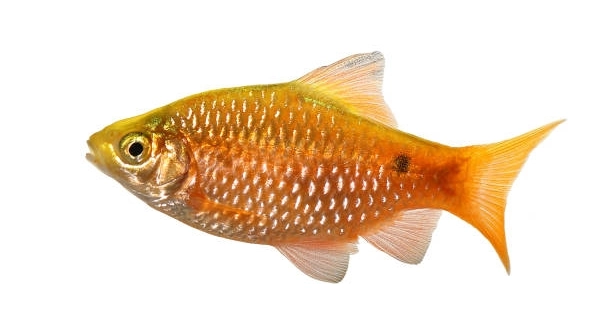
Rosy Barbs are popular aquarium fish loved for their bright colors and lively behavior. Many fishkeepers enjoy watching them swim, wondering about how large these fish can grow over time. Understanding their growth helps in caring for them properly.
Rosy Barbs typically grow up to 4 inches (10 cm) in length under good conditions. Their growth depends on factors like tank size, diet, water quality, and overall care, which directly influence their health and final size.
Knowing what affects their growth can improve your fishkeeping experience and ensure your Rosy Barbs thrive in their environment.
How Big Do Rosy Barbs Usually Get?
Rosy Barbs generally reach about 4 inches (10 cm) in length when fully grown. Their size can vary slightly depending on factors like genetics and the environment they live in. In smaller tanks, they might stay a bit smaller due to limited space and resources. However, in larger, well-maintained aquariums with proper care, they often reach their full size. The growth rate can be faster in warmer water and with a high-quality diet. It’s important to provide enough space for them to swim freely, as overcrowding can stunt their growth. Proper filtration and regular water changes also keep the environment healthy, which supports good development. Overall, Rosy Barbs are moderately sized fish, making them suitable for many community tanks.
Their size makes them easy to care for but also requires attention to tank conditions to ensure they grow well and stay healthy.
Watching their gradual growth is rewarding and helps you understand what they need to thrive over time.
What Factors Affect Rosy Barb Growth?
Tank size is very important for Rosy Barb growth. A small tank limits their ability to grow fully and can cause stress. Larger tanks provide more room and better water quality.
Diet quality affects their size too. Feeding them a balanced mix of flakes, pellets, and occasional live or frozen foods ensures they get the nutrients needed. Poor nutrition slows growth and can lead to health problems.
Water conditions also matter. Rosy Barbs prefer water temperatures between 64°F and 72°F (18°C to 22°C) and clean, well-filtered water. Regular water changes prevent harmful waste buildup, supporting growth and overall health.
Stress from overcrowding or aggressive tank mates can stunt their development. Keeping them in groups of five or more helps reduce stress and encourages natural behavior.
Consistent care with proper feeding, tank size, and water quality leads to healthy, well-grown Rosy Barbs. Maintaining these factors is key to helping your fish reach their potential size.
Feeding Rosy Barbs for Optimal Growth
Providing a balanced diet is essential for Rosy Barbs to grow well. They need a mix of proteins, vitamins, and minerals to stay healthy and reach their full size.
High-quality flake or pellet food designed for tropical fish should be the staple of their diet. Supplement this with occasional live or frozen foods such as bloodworms, brine shrimp, or daphnia. These additions give extra protein that supports muscle development and vibrant coloration. Overfeeding can cause water quality issues, so feed small amounts twice daily, only what they can eat in a few minutes. Variety in their diet also keeps them interested and prevents nutritional deficiencies. Proper feeding routines help maintain steady growth and overall health in Rosy Barbs.
Treats like vegetables can be offered occasionally, such as blanched spinach or peas, to add fiber and support digestion. This varied diet supports their immune system and enhances their appearance over time.
Tank Size and Environment
A minimum tank size of 20 gallons is recommended for a small group of Rosy Barbs. More space means better water quality and less stress. They are active swimmers, so having room to move freely helps them develop fully and avoid stunted growth. Plants and hiding spots reduce stress by providing a sense of security. Proper filtration keeps water clean and oxygenated, essential for healthy growth. Regular monitoring of water parameters like pH, ammonia, and nitrite levels ensures a stable environment. A good environment promotes natural behavior, improves health, and supports steady growth in Rosy Barbs.
Growth Rate of Rosy Barbs
Rosy Barbs grow quickly during their first six months. After this period, their growth slows down as they reach maturity.
Proper care during this early stage is vital to ensure they reach their full size. Healthy conditions speed up growth without causing stress.
Signs Your Rosy Barb Has Stopped Growing
When Rosy Barbs reach their full size, growth plateaus, and they maintain consistent length. Their fins and colors become more vivid, showing good health.
Common Growth Problems
Poor water quality, inadequate diet, or overcrowding can slow or stop growth. Monitoring tank conditions helps avoid these issues and promotes healthy development.
How to Encourage Growth
Maintaining stable water parameters and feeding a balanced diet are key steps to support steady growth in Rosy Barbs.
How long does it take for a Rosy Barb to reach full size?
Rosy Barbs usually reach their full size of about 4 inches (10 cm) within 8 to 12 months. Growth is fastest during the first six months when they are juveniles. After that, the growth rate slows down as they approach maturity. Factors like tank size, diet, and water quality influence how quickly they grow. Providing good care and a balanced diet helps them reach full size on time.
Can Rosy Barbs grow bigger than 4 inches?
It’s uncommon for Rosy Barbs to grow beyond 4 inches. In rare cases, with ideal conditions and genetics, some may grow slightly larger, but this is not typical. Most will stop growing once they reach that size, especially if their environment and nutrition are well maintained.
Does tank size affect the growth of Rosy Barbs?
Yes, tank size plays a big role in their growth. A small, cramped tank can stunt growth because it limits swimming space and reduces water quality. Larger tanks provide better living conditions, reduce stress, and support healthy development. A minimum of 20 gallons is recommended for a small group.
What type of food helps Rosy Barbs grow best?
A varied diet with high-quality flakes or pellets forms the base. Supplementing with live or frozen foods like bloodworms, brine shrimp, or daphnia adds protein, which supports muscle growth. Occasional vegetables such as blanched peas or spinach help digestion and overall health.
How often should I feed my Rosy Barbs?
Feeding twice a day is ideal. Give only as much food as they can finish in 2 to 3 minutes. Overfeeding leads to poor water quality, which can slow growth and harm their health. Keeping a consistent feeding routine is important.
Can stress slow down their growth?
Definitely. Stress caused by overcrowding, aggressive tank mates, or poor water conditions can stunt growth. Ensuring they have enough space, peaceful companions, and clean water reduces stress and encourages steady development.
What water conditions are best for Rosy Barb growth?
Rosy Barbs thrive in temperatures between 64°F and 72°F (18°C to 22°C). The water should be clean, well-filtered, and regularly changed. Maintaining a stable pH between 6.5 and 7.5 is ideal. Poor water quality or sudden changes can slow growth and cause illness.
Do Rosy Barbs stop growing after a certain age?
Yes, once they reach maturity, their growth slows and eventually stops. This usually happens after about one year. After that, they focus more on maintaining health and color rather than growing larger.
How can I tell if my Rosy Barb is healthy and growing well?
Healthy Rosy Barbs are active swimmers with vibrant colors. They have smooth scales and clear eyes. Consistent size increases during the first year are a good sign. Lack of appetite, faded color, or slow movement may indicate health or growth issues.
Is it normal for some Rosy Barbs to be smaller than others?
Yes, slight size differences are normal within a group. Genetics and individual health affect growth rates. However, if one fish remains very small for a long time, it might be stressed or unhealthy and may need extra care or a separate environment.
Rosy Barbs are lively, colorful fish that many enjoy keeping in their aquariums. Understanding their growth patterns helps you care for them better. Typically, these fish grow to about 4 inches in length, with their size influenced by factors like diet, tank size, and water quality. Keeping these conditions stable and healthy is important for their development. A balanced diet with both dry and live foods gives them the nutrients they need to grow strong and stay vibrant. Providing enough space and clean water also supports their overall well-being.
Watching your Rosy Barbs grow can be rewarding. During their first few months, they tend to grow faster, and then their growth slows as they reach adulthood. Stress from overcrowding, poor water quality, or aggressive tank mates can affect their growth, so it is essential to maintain a peaceful and clean environment. Regular water changes and proper filtration make a big difference. Keeping an eye on their behavior and appearance will help you notice if something is wrong early. Healthy Rosy Barbs are active, colorful, and eat well.
By paying attention to their needs, you can help your Rosy Barbs live longer, healthier lives and reach their full potential size. It is important to be patient since growth takes time and depends on consistent care. Small efforts like feeding the right foods, providing enough space, and maintaining clean water can have a big impact. With the right care, Rosy Barbs not only grow well but also add a bright and lively touch to your aquarium. Taking care of them properly is a simple way to enjoy these beautiful fish for many years.

Hello,
If you enjoy the content that we create, please consider saying a "Thank You!" by leaving a tip.
Every little bit helps us continue crafting quality advice that supports the health, happiness, and well-being of pets around the world, for pets of all shapes, sizes, and species.
We really appreciate the kindness and support that you show us!