
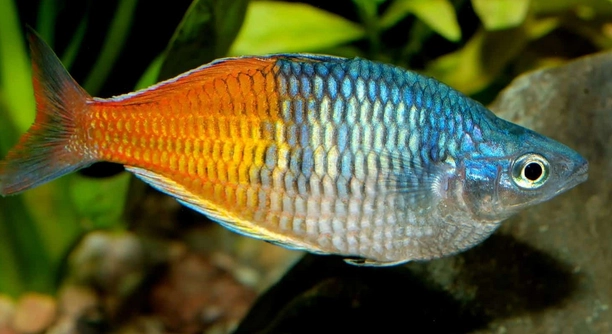
Rainbow fish are a popular choice for many aquarium owners. Their bright colors and playful movements make them an attractive addition to any tank. However, questions often arise about their growth and what to expect as they mature.
Rainbow fish, like many other species, continue to grow throughout their lifespan, but they reach their full size within 12 to 18 months. Their growth is influenced by factors such as water quality, tank size, and diet. Proper care ensures they grow healthily.
Understanding how rainbow fish grow and what affects their development is important for any aquarium owner. With the right environment, your rainbow fish can thrive and reach their full potential.
What Affects the Growth of Rainbow Fish?
Rainbow fish are known for their vibrant colors and graceful movements, but their growth depends on several factors. The most important of these include water quality, tank size, and diet. Inadequate conditions can stunt their growth or lead to health problems. If the water quality is poor, it can stress the fish, making it harder for them to grow at a healthy rate. Similarly, if the tank is too small or overcrowded, the fish may not have enough space to grow fully.
Proper diet plays a key role in ensuring rainbow fish reach their full size. A balanced diet rich in nutrients helps fuel their growth and maintain their health. It’s essential to feed them high-quality fish food that contains the necessary vitamins and minerals. Overfeeding or underfeeding, however, can negatively affect their growth.
Maintaining good water conditions, providing a spacious tank, and feeding a proper diet will support your rainbow fish’s growth. It’s essential to monitor these factors regularly to help your fish thrive in a healthy, stable environment.
Ideal Tank Size for Rainbow Fish
The tank size has a direct impact on the growth and well-being of rainbow fish. A minimum tank size of 20 gallons is recommended for a small group of rainbow fish.
Rainbow fish are active swimmers and require plenty of space. A larger tank gives them the room they need to move freely, which can also reduce stress and help them grow more quickly. In a cramped tank, they might feel confined, which can hinder their growth. Additionally, a larger tank helps maintain stable water parameters, which is important for their overall health.
Choosing the right tank size is one of the best decisions you can make for your rainbow fish. A spacious environment allows them to grow comfortably and live a long, healthy life.
Water Quality and Its Impact on Growth
Water quality plays a crucial role in the growth of rainbow fish. Clean, well-maintained water promotes healthy development. Poor water quality can cause stress, slow growth, and even lead to diseases.
Maintaining the proper water parameters is essential. Regularly check the water’s pH, ammonia, nitrite, and nitrate levels. A pH level of 6.5 to 7.5 is ideal for rainbow fish. Ammonia and nitrites should always be at zero, while nitrates should remain below 40 ppm. Water changes are necessary to keep these levels stable, preventing buildup of harmful substances.
Inconsistent water conditions can slow the growth of your rainbow fish. Frequent water changes and using a good filtration system will ensure they have a healthy environment in which they can thrive and reach their full size.
Feeding for Healthy Growth
A balanced, nutritious diet is vital for supporting the growth of rainbow fish. They thrive on a variety of foods, including high-quality flake food, pellets, and live or frozen foods.
Feeding rainbow fish a mix of foods helps ensure they get the nutrients needed for growth. Include protein-rich options like brine shrimp and daphnia to encourage healthy development. However, it’s important to avoid overfeeding, as it can lead to obesity and water quality issues. Feed them small portions two to three times a day, ensuring they consume the food within a few minutes to avoid excess waste.
Proper feeding habits paired with a nutritious diet will promote healthy, steady growth in your rainbow fish. A diverse, balanced diet helps them develop strong, vibrant colors and healthy fins.
Tankmates and Their Influence on Growth
Tankmates can affect how well rainbow fish grow. Stress from aggressive or overly dominant fish can hinder their development.
Choosing peaceful, non-territorial species as tankmates will help rainbow fish thrive. Avoid overcrowding and ensure that fish in the tank are compatible. This minimizes stress, which can otherwise slow their growth and make them more susceptible to illness.
Temperature and Growth Rate
Temperature plays a significant role in how quickly rainbow fish grow. A steady water temperature between 72°F and 78°F (22°C to 26°C) is ideal for them.
Keeping the water temperature consistent helps maintain a stable environment. Sudden temperature fluctuations can stress rainbow fish, affecting their immune system and growth rate. Use an aquarium heater to keep the temperature stable, particularly in colder climates.
Lighting Conditions
The right lighting can positively impact the growth of rainbow fish. Excessive or poor lighting can stress them and affect their growth.
A consistent light cycle of 10 to 12 hours per day is ideal. Too much light can encourage algae growth, affecting water quality, while too little can impact the fish’s natural behaviors and well-being. A balanced light cycle helps create a healthy environment for them to grow and flourish.
FAQ
Will my rainbow fish grow if I have a small tank?
Rainbow fish can grow in a small tank, but their growth may be limited. A cramped environment restricts their movement and can cause stress, which ultimately affects their growth. Ideally, a tank of at least 20 gallons is recommended for a small group. Larger tanks provide more space and a better environment for growth.
How long does it take for rainbow fish to reach full size?
Rainbow fish typically take about 12 to 18 months to reach their full size, depending on water quality, diet, and tank size. Under optimal conditions, they can grow quickly. However, if the environment isn’t ideal, growth may be slower.
Do rainbow fish need special water conditions to grow?
Yes, rainbow fish require stable water conditions for optimal growth. Water temperature should range between 72°F and 78°F, with a pH level of 6.5 to 7.5. Regular water changes are also important to maintain good water quality and ensure healthy growth.
Can rainbow fish grow in cold water?
Rainbow fish prefer warmer water and may not grow well in cold conditions. Cold water can cause stress, slowing their growth. Ensure the water temperature stays within the recommended range of 72°F to 78°F. If necessary, use a heater to maintain a consistent temperature.
Do rainbow fish need a lot of food to grow?
Rainbow fish should be fed a balanced diet, but overfeeding can be harmful. They thrive on a variety of foods, such as high-quality flakes, pellets, and occasional live or frozen food like brine shrimp. Feed them small portions two to three times a day to avoid overfeeding.
How often should I change the water in my rainbow fish tank?
It’s recommended to change about 20-25% of the water in your rainbow fish tank every two weeks. Regular water changes help maintain water quality, reduce harmful toxins, and promote healthy growth. Make sure to check the water parameters before changing the water.
Can I add other fish to the tank with my rainbow fish?
Yes, rainbow fish can live peacefully with other species, as long as they are not overly aggressive or territorial. Avoid keeping them with large, aggressive fish that may stress them. Good tankmates include peaceful species like tetras or rasboras.
Why are my rainbow fish not growing?
If your rainbow fish aren’t growing, it could be due to poor water quality, inadequate tank size, or a poor diet. Stress from incompatible tankmates or improper water conditions can also slow their growth. Check the water parameters regularly and ensure they have enough space to thrive.
Do rainbow fish grow faster with a higher temperature?
While rainbow fish prefer warmer water, temperatures that are too high can stress them, slowing their growth. The ideal temperature range for rainbow fish is between 72°F and 78°F. Keeping the temperature within this range supports healthy growth without causing stress.
What size do rainbow fish reach when fully grown?
Rainbow fish typically reach around 4 to 6 inches in length when fully grown, depending on the species. Some species, like the Boesemani rainbow fish, can grow slightly larger. The environment they’re kept in will also affect how big they get.
Final Thoughts
Rainbow fish can grow to their full potential when provided with the right environment. Factors such as water quality, tank size, temperature, and diet all play an important role in ensuring these fish thrive. It’s crucial to monitor water conditions regularly and maintain the right balance to promote healthy growth. Ensuring they have plenty of space to swim and move freely in the tank will prevent stress, which could hinder their development. A well-maintained tank with stable conditions will help your rainbow fish grow to their full size and enjoy vibrant colors.
A balanced diet is another key element to helping rainbow fish grow. These fish thrive on a variety of foods, including high-quality flakes, pellets, and occasional live or frozen food. Offering a mix of protein-rich foods will support their growth and overall health. It’s important to feed them the right amount—too much or too little can affect their health and growth rate. By feeding them small portions regularly, you can avoid overfeeding and ensure they get the nutrients they need to grow strong and healthy.
Remember that it’s not just about the physical space in the tank but also the quality of their environment. Keeping the water temperature stable, performing regular water changes, and selecting compatible tankmates are all essential steps to support your rainbow fish’s growth. While their size and growth rate may vary, by creating the right conditions, you’ll be helping them reach their full potential. With the right care, rainbow fish can thrive and become a stunning addition to your aquarium.

Hello,
If you enjoy the content that we create, please consider saying a "Thank You!" by leaving a tip.
Every little bit helps us continue crafting quality advice that supports the health, happiness, and well-being of pets around the world, for pets of all shapes, sizes, and species.
We really appreciate the kindness and support that you show us!