
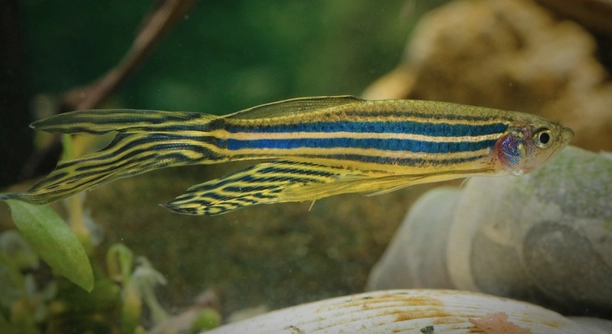
Do you ever find yourself watching your zebra danios zoom around the tank right after the lights turn on and wonder why?
Zebra danios swim faster after the lights turn on due to a natural response to sudden light exposure, which activates their alertness and boosts activity levels. This behavior is linked to circadian rhythms and startle responses.
This quick change in behavior has more to do with biology and routine than just a random energy burst.
What Triggers the Sudden Burst of Activity
When the aquarium lights turn on, zebra danios often respond by swimming faster and more energetically. This behavior is linked to their natural instincts. In the wild, sudden changes in light can signal potential threats or changes in their environment. Their fast movements are a way of staying alert and responsive. Light acts as a signal to their internal clock, known as the circadian rhythm, which helps them understand when it’s time to be active or rest. This sudden shift from darkness to brightness can stimulate their nervous system and trigger a physical reaction. The sharp increase in movement isn’t just random—it’s a built-in survival mechanism. It prepares them to respond to anything that might be happening around them. Over time, even in captivity, this instinct remains strong. Aquarium lighting mimics the natural cycle of day and night, which can strongly influence how danios behave each day.
Zebra danios may appear startled, but they’re actually just reacting to what feels like a morning wake-up call for their bodies and brains.
Their reaction is similar to how humans sometimes feel more alert or active once the lights are on. It’s a natural, body-driven process that shapes their daily activity levels.
How Light Affects Their Daily Rhythm
The light acts as a daily signal that keeps zebra danios on a regular activity schedule. Without it, their internal rhythms can become less stable.
Zebra danios follow a pattern of rest and movement that is heavily influenced by the light-dark cycle in their environment. This internal rhythm helps them know when to sleep and when to become more active. When lights are suddenly turned on, it signals the start of a new day, triggering immediate activity. Their nervous system becomes stimulated, and hormones related to alertness and energy increase. This shift isn’t gradual—it’s quick and noticeable. Over time, consistent lighting patterns help maintain stable behavior and reduce stress. If the lights turn on at the same time each day, danios become used to the routine and respond in predictable ways. However, inconsistent lighting can lead to confusion and erratic swimming patterns. For the best results, use a timer for lights and avoid surprising your fish with irregular brightness.
Possible Stress Factors During Light Changes
Rapid light changes can create stress in zebra danios, especially if the room was very dark before the lights came on. The sudden brightness can feel like a shock to their system.
Stress from lighting changes can also be worsened by other factors like tank noise, movement, or poor water conditions. If the lighting is too harsh or the fish don’t have places to hide, their reaction may be stronger and last longer. When danios are stressed, they may dart around, bump into tank walls, or hide for extended periods. It’s important to give them a consistent light schedule and soft transitions, such as using a dimmer or ambient room lighting before the tank lights come on. This gives them a few moments to adjust naturally. Reducing stress helps keep their immune system strong and prevents sudden health problems that may arise from regular startle responses.
Tank setup can also make a big difference. Adding plants, rocks, or decorations gives your zebra danios safe spots to retreat to when lights come on. These hiding places help reduce the shock effect of light changes. A well-arranged tank also mimics a more natural environment, which calms them down. Observing their behavior closely can help identify if lighting or other factors are causing stress. Not all darting is harmful, but if it happens too often, it’s worth looking into the tank’s setup. Small changes like lowering the room lights before turning on the tank lights can lead to calmer fish. A peaceful routine keeps them healthier and more predictable in their activity.
Tips for Creating a Better Light Routine
A consistent lighting schedule helps zebra danios stay balanced and relaxed. Using an automatic timer ensures they get the same light exposure each day, avoiding stress from sudden or irregular lighting.
Gradually increasing the light in the tank can make a big difference. Instead of turning the lights on at full brightness, try letting some natural daylight enter the room first. After a few minutes, switch on the aquarium light. This helps reduce the shock from darkness to brightness. You can also place floating plants in the tank to create shaded areas, which give your fish options for adjusting to the light more slowly. Avoid moving the tank or changing the lighting setup too often, as this can confuse their rhythm. By giving them a stable, calm environment with thoughtful light timing, you support both their mental and physical health. Happy danios usually show it through smoother, steady swimming.
How Tankmates React to Light Changes
Some fish handle light changes calmly, while others may react with the same quick movements as zebra danios. Sensitive species might hide or swim erratically when lights come on too suddenly.
If your tank has multiple species, keep lighting consistent to avoid stress. A sudden burst of activity from one group can startle others and cause chaos in the tank.
Adjustments That Help Reduce Reactions
Using dim lighting before turning on the main tank light can ease the transition. A room light or natural window light gives your fish time to prepare. Avoid turning on lights suddenly in a dark room. Floating plants or tall decorations can also block some of the light, helping create a gentler start to the day. When fish feel secure, their behavior becomes more relaxed and steady. Consistency is key. Fish thrive on predictable environments, and even small improvements in your light routine can lead to calmer mornings in the tank.
Final Thought on Behavior Changes
Not all fast swimming is a problem, but paying attention to patterns can help you spot stress early and adjust your care routines if needed.
FAQ
Why do zebra danios swim faster when the lights turn on?
Zebra danios swim faster after the lights turn on due to their natural response to light. The change from darkness to brightness triggers their circadian rhythm and startle reflex. In the wild, this would signal the start of a new day or potential threats, prompting quick movements. Even in captivity, their behavior remains tied to these natural instincts. When the lights come on, it’s like a wake-up call, and their bodies respond by becoming more active. This burst of speed is just a way of preparing themselves for whatever the day might bring.
Is it normal for zebra danios to dart around after the lights turn on?
Yes, it’s completely normal for zebra danios to dart around when the lights come on. This behavior is part of their natural reaction to light exposure, which stimulates their alertness and activity levels. The quick movements can be likened to a startle response or a sign of increased energy. If the darting is brief and happens shortly after the lights turn on, there’s no need for concern. However, if the behavior continues for an extended period, it may be worth considering factors like water conditions or stress from environmental changes.
Can sudden light changes stress zebra danios?
Yes, sudden changes in light can cause stress to zebra danios. A sudden shift from darkness to bright light can be a shock to their system. It may lead to erratic swimming, hiding, or skittish behavior. To prevent this, try easing the transition by using dim or indirect lighting before turning on the main tank light. Consistency in your lighting schedule will help your fish adapt to the changes and reduce stress. If your zebra danios are consistently reacting with extreme behavior, it could be a sign that they’re stressed, and you may need to adjust their lighting or tank environment.
How can I reduce stress caused by light changes for my zebra danios?
To reduce stress, start by providing a gradual increase in light. Using a timer for your aquarium lights can help create a consistent day-night cycle. Allowing natural light to filter into the room before turning on the tank light gives your fish time to adjust. Additionally, placing plants, rocks, or other decorations in the tank can offer hiding places, giving your zebra danios a sense of security when the lights come on. Regular light cycles without sudden changes will help maintain their circadian rhythm and keep their stress levels low.
Do zebra danios need a consistent light schedule?
Yes, zebra danios thrive on a consistent light schedule. Just like in the wild, they rely on natural light cycles to regulate their behavior. If the lighting changes unexpectedly, it can confuse them and lead to stress or erratic movements. Setting a timer for the aquarium lights ensures that the fish experience the same lighting routine every day, which helps them maintain a stable circadian rhythm. A consistent light schedule also mimics their natural habitat, where the light gradually changes over the course of the day.
How can I make the lighting transition gentler for zebra danios?
Making the lighting transition gentler can be done by gradually increasing the light intensity. Instead of turning the lights on full brightness, you can use a dimmer or add ambient light in the room first. This allows the fish to adjust slowly without feeling shocked. You can also consider adding floating plants or other decor that provides some shade, which can help soften the effect of the lights. The goal is to reduce the contrast between dark and light, allowing your zebra danios to feel more comfortable with the lighting changes.
Is it necessary to have bright lights for zebra danios?
Bright lights are not necessarily required for zebra danios, but they do need an appropriate light cycle. In the wild, they experience natural light changes throughout the day, so mimicking that environment is beneficial. However, the intensity of the light doesn’t need to be extreme. Moderate lighting that simulates day and night cycles is enough for them to thrive. Too much light can cause stress or encourage excessive algae growth in the tank. It’s best to have a light that provides enough brightness for the tank’s plants or decorations without overwhelming the fish.
Can zebra danios get used to lighting routines?
Yes, zebra danios can definitely get used to a lighting routine. Like many fish, they become accustomed to regular light cycles. Once you establish a consistent schedule for turning the lights on and off at the same times each day, your zebra danios will adjust their behavior accordingly. They will begin to associate the light with feeding times, rest periods, and activity bursts. Over time, this routine can reduce stress and encourage more natural behavior, like swimming and resting at the appropriate times.
What kind of tank setup helps reduce lighting stress for zebra danios?
A well-planned tank setup can help reduce lighting stress for zebra danios. Incorporating plants, decorations, and hiding spots gives your fish areas to retreat to if the lighting becomes too intense. Floating plants or tall plants can help diffuse the light and offer a more gradual transition. Rocks, caves, and other decorations also provide security for the fish, allowing them to feel safe. Additionally, ensuring that your tank has a good filtration system, proper water conditions, and stable temperatures will contribute to an overall calm and healthy environment for your zebra danios.
Final Thoughts
Zebra danios are active and lively fish, and their quick swimming after the lights turn on is a natural response. This behavior can be surprising at first, but it’s simply part of their biology. When the light changes, they react just like they would in the wild, where sudden light often signals the start of a new day or potential danger. In captivity, this instinct remains, and the fish respond with bursts of energy as a way to stay alert and ready. This type of behavior is normal and is generally harmless as long as it is brief and not excessive.
While their energetic swimming is part of their natural rhythm, it’s still important to keep an eye on other factors that may affect their well-being. Sudden changes in light can cause stress, and too much light or inconsistent lighting can disrupt their daily routines. Stress from lighting or other environmental factors can lead to erratic behavior or even health problems down the line. By establishing a consistent light schedule and creating a tank environment where they feel safe, you can help minimize the chance of stress. Fish that feel secure are more likely to display calm, steady behavior and maintain overall health.
It’s always a good idea to pay attention to how your zebra danios react to different conditions in their tank. If their swimming pattern changes or becomes more extreme after the lights come on, it may be worth looking into how the lighting is affecting them. Small adjustments, like using a timer for the lights or adding decorations for hiding, can go a long way in keeping them comfortable. By providing a stable and predictable routine, you can ensure that your zebra danios stay happy and healthy, which is the goal for any fishkeeper.

Hello,
If you enjoy the content that we create, please consider saying a "Thank You!" by leaving a tip.
Every little bit helps us continue crafting quality advice that supports the health, happiness, and well-being of pets around the world, for pets of all shapes, sizes, and species.
We really appreciate the kindness and support that you show us!