
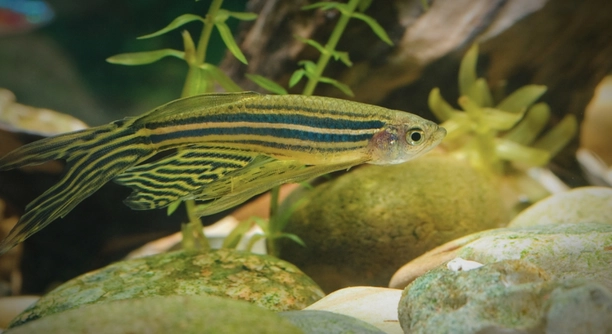
Do you ever find yourself watching your zebra danios dart straight into plants without slowing down or changing direction at all?
Zebra danios swim directly into plants as a natural part of their exploratory and playful behavior. Their actions are guided by instincts tied to foraging, territorial exploration, and environmental interaction, rather than distress or confusion.
Understanding this behavior can help you create a more enriching habitat that supports both their physical activity and mental stimulation in your home aquarium.
Why They Swim Into Plants Without Hesitation
Zebra danios are highly active fish that enjoy exploring their surroundings at full speed. Their quick movements and bursts of energy often lead them into plants, but this behavior is not random. In the wild, danios navigate through densely vegetated areas while foraging and evading predators. Their instincts push them to investigate anything that might offer food, shelter, or stimulation. In a tank, plants mimic these natural elements, becoming targets for inspection. Swimming directly into them helps satisfy their curiosity and supports their need for activity. Their sleek bodies and strong reflexes make them well-equipped to dart through plant leaves without harm.
They are not afraid of obstacles because they rely on speed and instinct rather than slow inspection.
Danios also display group behavior that influences individual actions. If one leads, others may follow quickly—even into thick plants. This schooling instinct keeps them socially connected and engaged with their environment.
How to Support This Natural Behavior
Try not to remove the plants or block their access to them. They are part of the danios’ daily routine.
To make your aquarium safer and more comfortable, choose soft or flexible plants that won’t damage their fins or scales. Live plants like Anubias, Java fern, and hornwort are ideal. These offer the texture and flexibility danios enjoy without posing a risk of injury. Avoid plastic decorations with sharp edges or hard stems, which can catch delicate fins. Provide open areas between plant clusters to allow plenty of room for swimming and turning. Keeping them in groups of at least five also helps maintain their social balance and energy levels. Zebra danios thrive in environments where they can explore freely, react quickly, and interact with each other. When their habitat includes plants that resemble their natural environment, their behavior becomes more confident, relaxed, and engaging.
When This Behavior Might Be a Concern
If your zebra danios suddenly start crashing into plants more forcefully or seem disoriented, it may be linked to stress or illness. A change in routine, poor water conditions, or a new tankmate could be influencing their behavior.
Look out for signs like clamped fins, erratic swimming, or loss of color. These can signal that the fish is not just active but potentially distressed. Overcrowding, sudden temperature changes, or high ammonia levels might contribute to this shift. If you suspect something is wrong, test the water parameters and observe their interactions with other tankmates. Sometimes, even aggressive behavior from another fish can make danios appear more frantic, driving them into plants in an attempt to escape. Healthy zebra danios will swim quickly, but with purpose—any noticeable change in energy or direction should be monitored closely and addressed as needed.
Treating the tank with care can make a big difference. Regular water changes, stable temperatures, and a balanced diet are essential. If the tank is shared with incompatible fish, consider moving one species to another setup. Ensuring that the tank setup includes both shelter and open areas also helps prevent accidents and reduces anxiety. Proper filtration, low light stress, and hiding spots all support calmer behavior.
Tips to Keep Them Safe and Happy
Use soft, live plants and place them strategically to give your danios enough space to swim freely. Avoid creating a cluttered layout that limits movement.
Zebra danios are happiest in environments that resemble their natural habitat—clear water, steady currents, and areas with light plant coverage. Mimic this by combining gentle water flow and smooth decorations. Keep the water temperature between 64–75°F, and always cycle the tank properly before introducing them. They appreciate consistency in feeding schedules, so offer them high-quality flakes or micro pellets in small amounts twice a day. In addition, monitor the group dynamics regularly. Danios need social interaction but can become aggressive if overcrowded or stressed. Rearranging plants and decor occasionally can also help reset territories and reduce tension. Keeping the tank clean and the layout balanced supports their curious nature while lowering the risk of injuries or stress-related behavior changes. Small changes can go a long way toward keeping your zebra danios healthy and active.
What to Avoid in Their Environment
Avoid hard plastic plants or rough decorations that can injure zebra danios as they swim quickly through the tank. These materials don’t offer the flexibility or safety that soft, live plants provide for their natural behavior.
Do not overcrowd the tank. Limited space increases stress and encourages erratic swimming patterns. A minimum of 10 gallons is ideal for a small group, giving them enough room to swim freely and interact safely without collisions or frustration.
Why Fast Swimming Is Normal
Zebra danios are fast swimmers by nature. They have streamlined bodies and active temperaments, making them one of the most energetic freshwater fish. This quick swimming is not a sign of discomfort—it reflects their need for constant movement, mental stimulation, and social interaction. Even when darting into plants, they are simply reacting to their environment in ways that mimic their behavior in the wild. As long as the tank setup is safe and they show no signs of distress, fast swimming and sudden turns are completely normal. This is how they stay active, alert, and socially engaged with their group.
How to Tell They’re Doing Well
Healthy zebra danios will show bright colors, consistent activity, and natural schooling behavior. They should eat well, swim with ease, and respond quickly to changes in their environment.
FAQ
Why do zebra danios like swimming into plants?
Zebra danios swim into plants because it mimics their natural environment. In the wild, they swim through dense vegetation while looking for food or hiding from predators. In aquariums, plants offer comfort, shelter, and stimulation. Their quick swimming style means they often dart into plants without hesitation. It’s not a mistake—it’s a normal behavior that shows curiosity and confidence. If the plants are soft and flexible, this activity is completely safe and should not be discouraged. It helps them stay mentally active and reduces boredom.
Can this behavior mean something is wrong?
Sometimes it can. If your zebra danios suddenly begin crashing into plants more forcefully or show signs of confusion or disorientation, it may be caused by stress, illness, or poor water conditions. Look for other signs like pale color, loss of appetite, or clamped fins. These may indicate something more serious. Double-check your water parameters, review recent changes in the tank, and make sure no aggressive tankmates are stressing them. If they’re still active, social, and eating well, the behavior is likely harmless.
What kinds of plants are best for zebra danios?
Live plants are the best choice. Anubias, Java fern, hornwort, and water wisteria are good examples because they are soft and won’t injure the fish. Avoid sharp plastic plants or thick artificial stems. Zebra danios are fast and agile, but they can still get scratched by rough materials. Plants with flexible leaves let them swim through safely and give them something to explore. A mix of floating and rooted plants works well, providing cover without limiting swimming space.
Is it okay if they swim into the same plant repeatedly?
Yes, it’s perfectly fine. Zebra danios are naturally curious and like to follow routines. If they keep returning to the same plant, it probably makes them feel safe or engaged. That plant may be in a spot where the current flows, or it might provide a favorite hiding place. As long as they aren’t getting hurt and the plant isn’t trapping them, there’s no reason to worry. It’s part of how they interact with their environment.
Can other fish affect this behavior?
Yes. Tankmates that are too aggressive or overly active can cause stress and may influence how zebra danios behave. If a danio feels threatened, it may dart into a plant to hide. Peaceful species like tetras, rasboras, and Corydoras usually make good tankmates. Avoid slow, long-finned fish that might get nipped by danios or stress the group dynamic. A peaceful community tank allows danios to swim freely and behave normally.
How can I tell if the tank is too crowded?
If the zebra danios seem restless, show signs of chasing or aggression, or have trouble swimming without bumping into things, the tank might be overcrowded. For five to six danios, a 10-gallon tank is the minimum. Larger groups or additional fish need more space. A cramped tank increases stress and makes injury more likely. Watching how they swim—whether it looks smooth or erratic—can help you decide if they need more room.
Should I rearrange the tank if they keep swimming into one area?
You don’t need to rearrange the tank unless they’re hurting themselves or showing signs of stress. If you want to refresh their environment, you can shift plants and decorations slightly to offer new paths to explore. Zebra danios enjoy small changes. It keeps them curious and active. Just make sure not to change everything at once, as too many sudden changes can cause stress. Rearranging gradually can give them new places to explore while maintaining a stable environment.
Is fast swimming into plants a sign of boredom?
Not always. Zebra danios are naturally fast swimmers, and swimming into plants is part of how they explore. However, if they seem hyperactive, especially without resting or engaging with other fish, it might mean they need more stimulation. You can try adding new decorations, more plants, or rearranging the setup slightly. Feeding them in different spots or varying their diet with frozen or live foods can also help keep them mentally engaged.
How do I know if a plant is safe for them?
Safe plants are usually soft, with flexible leaves and no sharp edges. Live plants tend to be safer than plastic ones. You can test a plastic plant by running your finger along its edges—if it feels rough or sharp, it could harm your fish. Stick to known aquarium plants and avoid anything not labeled for aquatic use. If your danios show signs of injury or start avoiding a plant, remove it and replace it with something gentler.
Can zebra danios hurt themselves doing this?
It’s uncommon, but possible. If the tank has hard or sharp decorations, fast swimming could result in torn fins or scale damage. That’s why it’s important to provide a safe setup. Use soft plants, smooth rocks, and rounded decor. Keeping water parameters stable also reduces stress and keeps them alert and coordinated. Healthy danios are agile and rarely get injured unless something in the tank is poorly placed or unsuitable for their activity level.

Hello,
If you enjoy the content that we create, please consider saying a "Thank You!" by leaving a tip.
Every little bit helps us continue crafting quality advice that supports the health, happiness, and well-being of pets around the world, for pets of all shapes, sizes, and species.
We really appreciate the kindness and support that you show us!